The best road cycling routes around Flottemanville-Hague
4.3
(161)
5,683
riders
386
rides
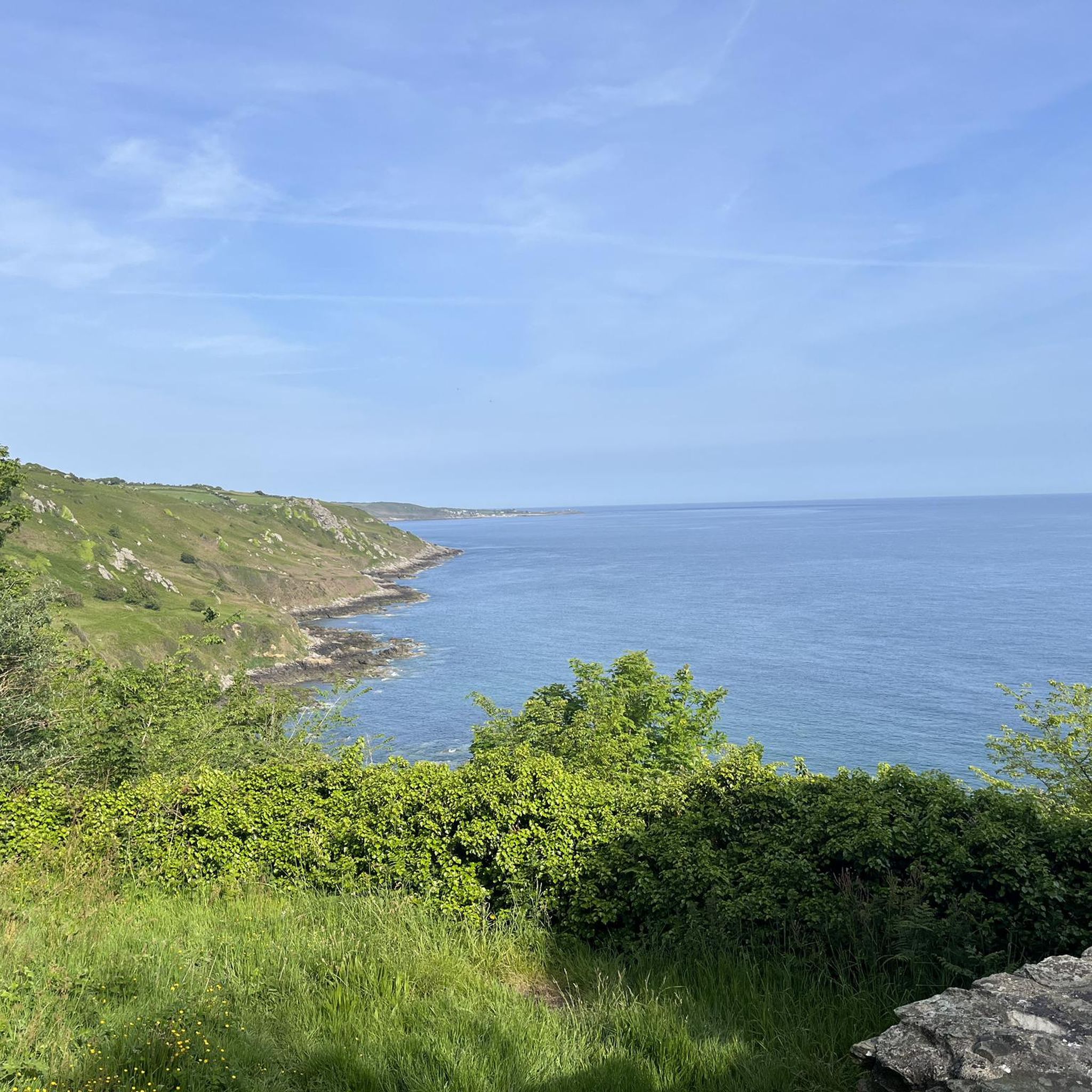
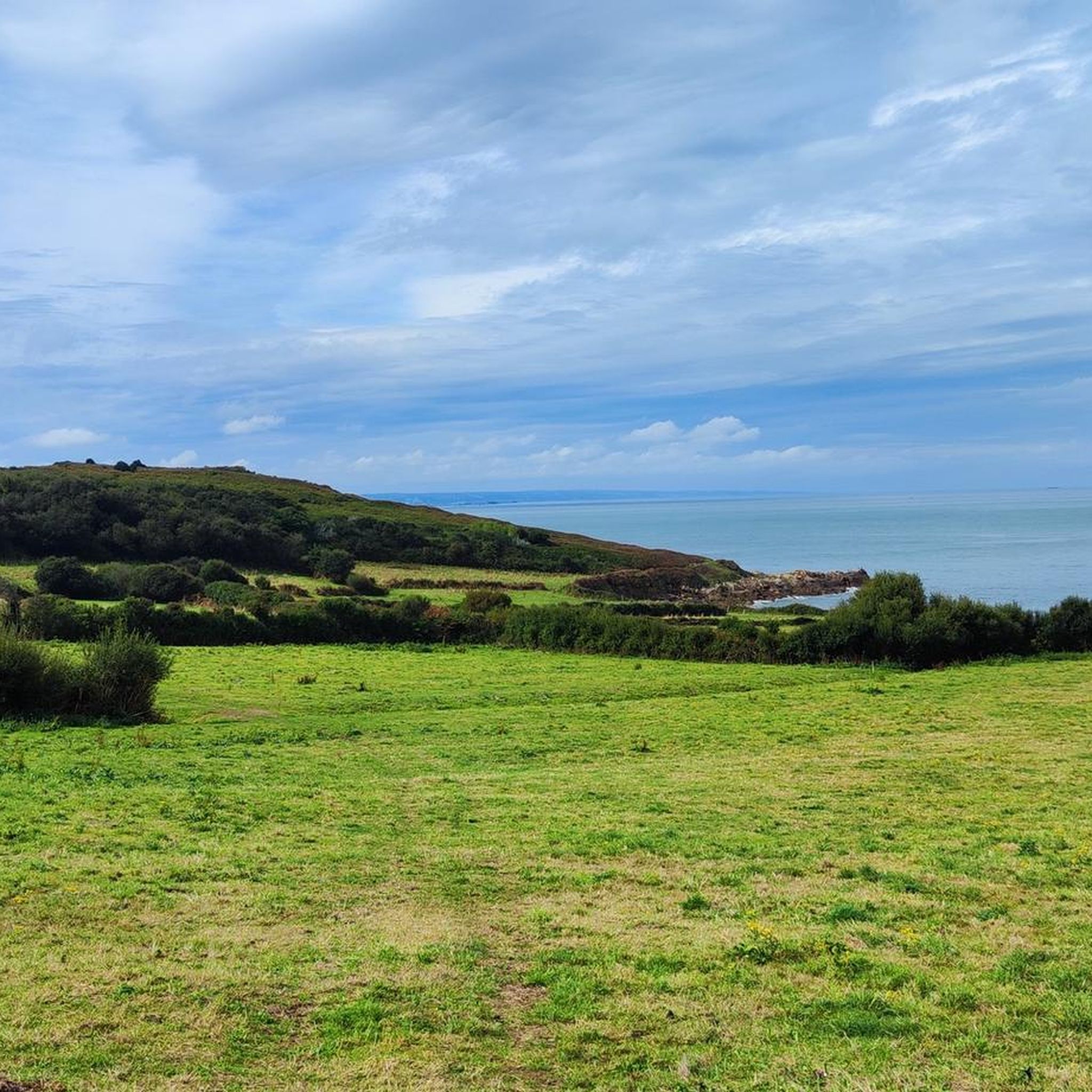
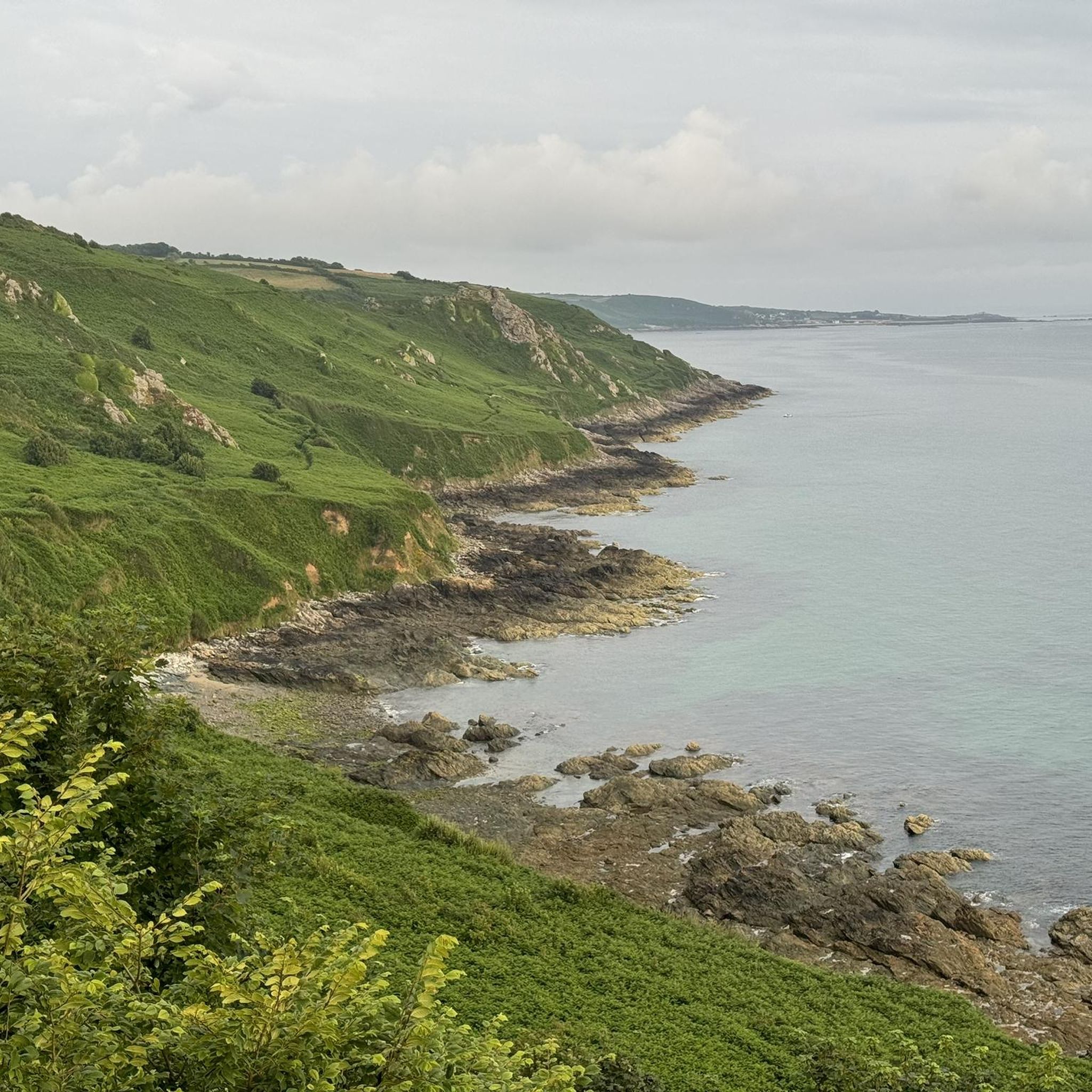
Road cycling around Flottemanville-Hague offers a diverse landscape characterized by varied and hilly terrain, with altitudes ranging from 43 to 181 meters. The region features numerous rural paths and an "accidented" relief, providing an engaging environment for cyclists seeking elevation changes. This area, part of La Hague, is known for its wild and exotic landscapes, including significant coastal features.
Best road cycling routes around Flottemanville-Hague
- The most popular road cycling route is Quai de Caligny (Outer Harbor) – Place Napoléon…
Last updated: May 13, 2026
4.6
(5)
140
riders
Moderate road ride. Good fitness required. Mostly well-paved surfaces and easy to ride.
7
riders
Moderate road ride. Good fitness required. Mostly well-paved surfaces and easy to ride.

Sign up for free
6
riders
43.8km
01:57
430m
430m
Moderate road ride. Good fitness required. Mostly well-paved surfaces and easy to ride.
7
riders
59.4km
02:45
690m
690m
Moderate road ride. Good fitness required. Mostly well-paved surfaces and easy to ride.
8
riders
39.7km
01:50
470m
470m
Moderate road ride. Good fitness required. Mostly well-paved surfaces and easy to ride.
Get access to more routes and recommendations from other explorers.
Sign up for free
Already have an account?
Our route recommendations are based on thousands of hikes, rides, and runs completed by other people on komoot.
Start today with a free account
Your next adventure awaits.
Login or Signup

Tips from the Community

magnificent castle near Cherbourg
0
0

The statue is already visible from afar.
1
0

Diélette is a small Norman port located a few kilometers from Flamanville. It's a striking contrast between the daunting concrete of the nuclear power plants and this little corner of the sea where you can sail with small sailboats.
0
0

A very beautiful castle to admire from all sides.
0
0


Former abbey, founded in 1145 by Matilda, daughter of King Henry 1st of England. Many times pillaged and destroyed and closed by royal decree in 1774, because less than 15 clergy. Served as barracks and later a hospital. Since 2002 recognized as a historical monument.
0
0

While the Sainte-Trinité church was the only church in Cherbourg, and faced with the development of the working-class district of Roule, Father Cabart, chaplain of the civil hospital of Cherbourg, launched a subscription in December 1825 to build a chapel on the right bank of the Divette. The sub-prefect and five priests contributed their contribution. In February 1827, a plot of land was donated along Avenue Carnot (now Avenue de Paris), and during the visit of the Duchess of Angoulême to Cherbourg, she gave a thousand francs in response to the petition for the construction of the building by the poet-barber of Roule, Michel Legoupil, who would become treasurer of the factory. After the death of Father Cabart, his sister ordered his successor, Father Régnet, in 1831 to implement the chapel and school project. Charles-Louis-Napoléon Robert (1804-1885), a naval engineer, acted as architect and project manager, and delivered a sanctuary inspired by the Gothic style, 25 meters long and 8.5 meters wide, which was blessed on September 8, 1832, by Abbé Briquet, priest of Cherbourg in the presence of the mayor of Cherbourg. In 1836, under the aegis of Abbé Godefroy, chaplain of La Bucaille and church architect, two chapels were added to form a transept, and this annex of the Trinity was erected as a branch by royal decree of December 12. On September 23, 1839, Mgr Robiou, bishop of Coutances, informed the municipal council of Cherbourg that he was appointing a vicar to the church. The floor area of the latter was increased to 407 m2 by extending the nave by 11 metres in 1842, with a new portal above which a bell tower was built according to the plans of Abbot Godefroy. The City, which had always refused to finance the building, favouring the construction of the Saint-Clément church, became the owner of the place of worship in 1870 (or 1873, depending on the documents), after the individuals who had built the church had donated it to it (on condition that the City ensure its maintenance; the deed was apparently passed before Me Gosse in 1874). It had to add buttresses to the eastern wall in 1911. The "Battle of Cherbourg" during the Second World War left only the walls of the church. It was rebuilt until 1952 by Levavasseur and Lebreton who widened the entrance to the two chapels and the door of the Saint-Joseph chapel, enlarged the gallery, and removed the pulpit. Bishop Guyot blessed the church on February 24, 1952.
0
0

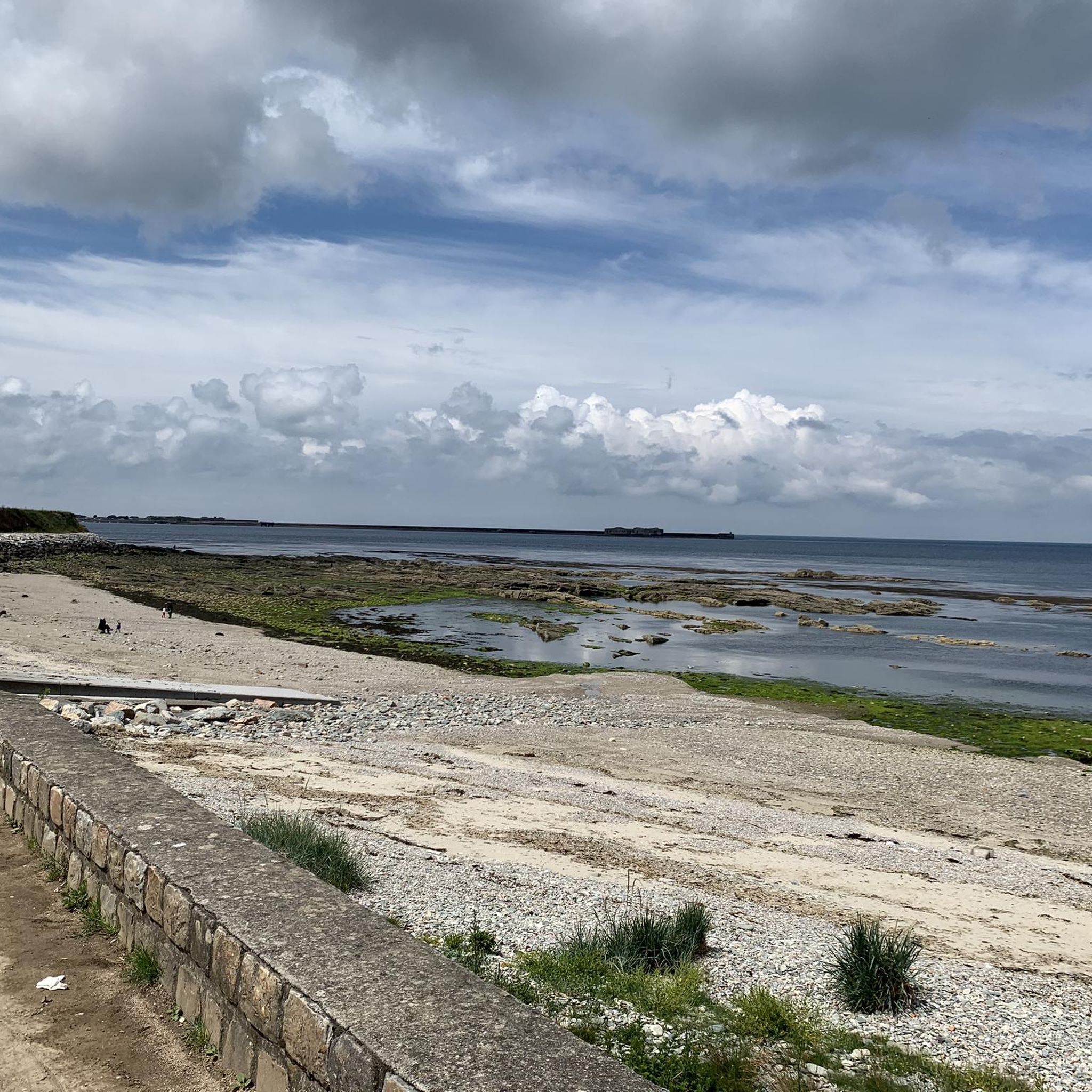
Beautiful beach of fine sand and pebbles. At high tide the sea almost completely covers the sand.
0
0
Frequently Asked Questions
What kind of terrain can I expect when road cycling around Flottemanville-Hague?
The region around Flottemanville-Hague is characterized by a varied and "accidented" relief, with altitudes ranging from 43 to 181 meters. You'll encounter hilly topography, numerous rural paths, and significant elevation changes, making for an engaging and often challenging cycling experience. The broader La Hague area is also known for its wild and exotic landscapes, including dramatic coastlines and some of Europe's highest cliffs.
How many road cycling routes are available in the Flottemanville-Hague area?
There are over 390 road cycling routes available around Flottemanville-Hague on komoot. These routes cater to various ability levels, with options ranging from easy to difficult, ensuring there's something for every cyclist.
Are there any challenging road cycling routes for experienced riders?
Yes, Flottemanville-Hague offers several challenging routes. For instance, the "La Hague cycle route" is a very challenging 124 km circuit with 1560 meters of elevation gain. Another option is a "breathtaking 30km loop around La Hague" which includes windmill climbs, wild coastlines, and steep coastal climbs. You can also explore routes like Anse du Brick – Place Napoléon in Cherbourg loop from Flottemanville-Hague, which covers nearly 90 km with over 800 meters of elevation gain.
What are some scenic viewpoints or natural features I can see while cycling?
The region boasts stunning natural beauty. You can enjoy panoramic views from Landemer over the cliffs, or explore the wild landscapes of the Cap de la Hague and Nez de Jobourg. The Biville Dunes are also a remarkable natural feature. Many routes wind through picturesque villages and offer views of the rugged Cotentin peninsula.
Are there any historical or cultural attractions along the road cycling routes?
Yes, you can incorporate visits to several historical sites. The magnificent Ravalets Castle (Château de Tourlaville), a Renaissance-style castle with beautiful gardens, is a notable attraction. The Basilica of the Trinity, a 15th and 16th-century Flamboyant Gothic church, also offers a point of architectural interest. You might pass by Pierres Pouquelées Covered Passage, an ancient historical site.
What is the best time of year for road cycling in Flottemanville-Hague?
While specific seasonal recommendations aren't detailed, the region's coastal location suggests that spring and autumn might offer pleasant temperatures and fewer crowds. Summer can be beautiful but may also bring coastal headwinds. Always check local weather forecasts before heading out.
Are there any family-friendly road cycling routes in the area?
While many routes in Flottemanville-Hague feature challenging terrain and elevation changes, there are 49 easy routes available. These easier options might be more suitable for families, though it's always recommended to check the specific route details for distance and elevation to ensure it matches your family's ability.
What do other road cyclists say about the routes in Flottemanville-Hague?
The road cycling routes in Flottemanville-Hague are highly rated by the komoot community, with an average score of 4.3 stars from over 160 reviews. Cyclists often praise the varied terrain, scenic views, and the engaging environment provided by the region's hilly topography and coastal landscapes.
Can I find routes that are suitable for beginners or those looking for an easier ride?
Yes, out of the nearly 400 routes available, 49 are classified as easy. These routes offer a gentler introduction to road cycling in the area, allowing beginners to enjoy the scenery without overly demanding climbs. You can filter routes on komoot to find those marked as 'easy' to suit your preference.
Are there any parks or gardens worth visiting near the cycling routes?
Absolutely. The Parc Emmanuel Liais is a botanical treasure with exotic plants and a beautiful greenhouse. The gardens of Ravalets Castle are also notable for their beauty. Further afield, the Jardin Botanique de Vauville is another attraction for nature lovers.
What are the typical distances and durations for road cycling routes in this region?
Route distances vary significantly. For example, a popular route like Quai de Caligny (Outer Harbor) – Place Napoléon in Cherbourg loop from Flottemanville-Hague is about 41 km (25.5 miles) and takes around 1 hour 52 minutes. Longer routes, such as Vasteville Church – Climb to Les Pieux (Part 1) loop from Acqueville, can be around 60 km and take over 3 hours, offering options for various endurance levels.
Is public transport available to access road cycling trails in Flottemanville-Hague?
While the guide focuses on the routes themselves, Flottemanville-Hague is part of the Manche department, and Cherbourg, a larger town nearby, serves as a potential starting point for some routes. For detailed public transport options to specific trailheads, it's advisable to check local transport schedules for the La Hague region.
Most popular routes around Flottemanville-Hague
Most popular attractions around Flottemanville-Hague

Get inspired with the komoot mobile app


Explore more
Browse the best Road cycling routes in other regions.
