Top 6 Castles around Teurthéville-Hague
Castles around Teurthéville-Hague offer a glimpse into the rich history of the Cotentin region in Normandy. The area features a variety of historical fortified structures and châteaux. While Teurthéville-Hague itself has some historical châteaux, the surrounding landscape provides access to several notable sites. Visitors can explore a range of architectural styles and historical periods within a short distance.
Best castles around Teurthéville-Hague
- The most popular castles is Château de Flamanville, a castle that features a 17th-century structure built on…
Last updated: May 20, 2026
Manoir du Dur-Écu
Highlight • Castle
Translated by Google •
Tip by

Rozel Castle 🏰
Highlight • Castle
Translated by Google •
Tip by

Sign up now to discover places like this
Get recommendations on the best single tracks, peaks, & plenty of other exciting outdoor places.
Sign up for free
Château de Flamanville
Highlight • Castle
Translated by Google •
Tip by

Vauville
Highlight • Settlement
Translated by Google •
Tip by

Vauville, its castle and its remarkable gardens
Highlight • Castle
Translated by Google •
Tip by

Sign up for free to discover even more castles around Teurthéville-Hague.
Sign up for free
Already have an account?
Start today with a free account
Your next adventure awaits.
Login or Signup
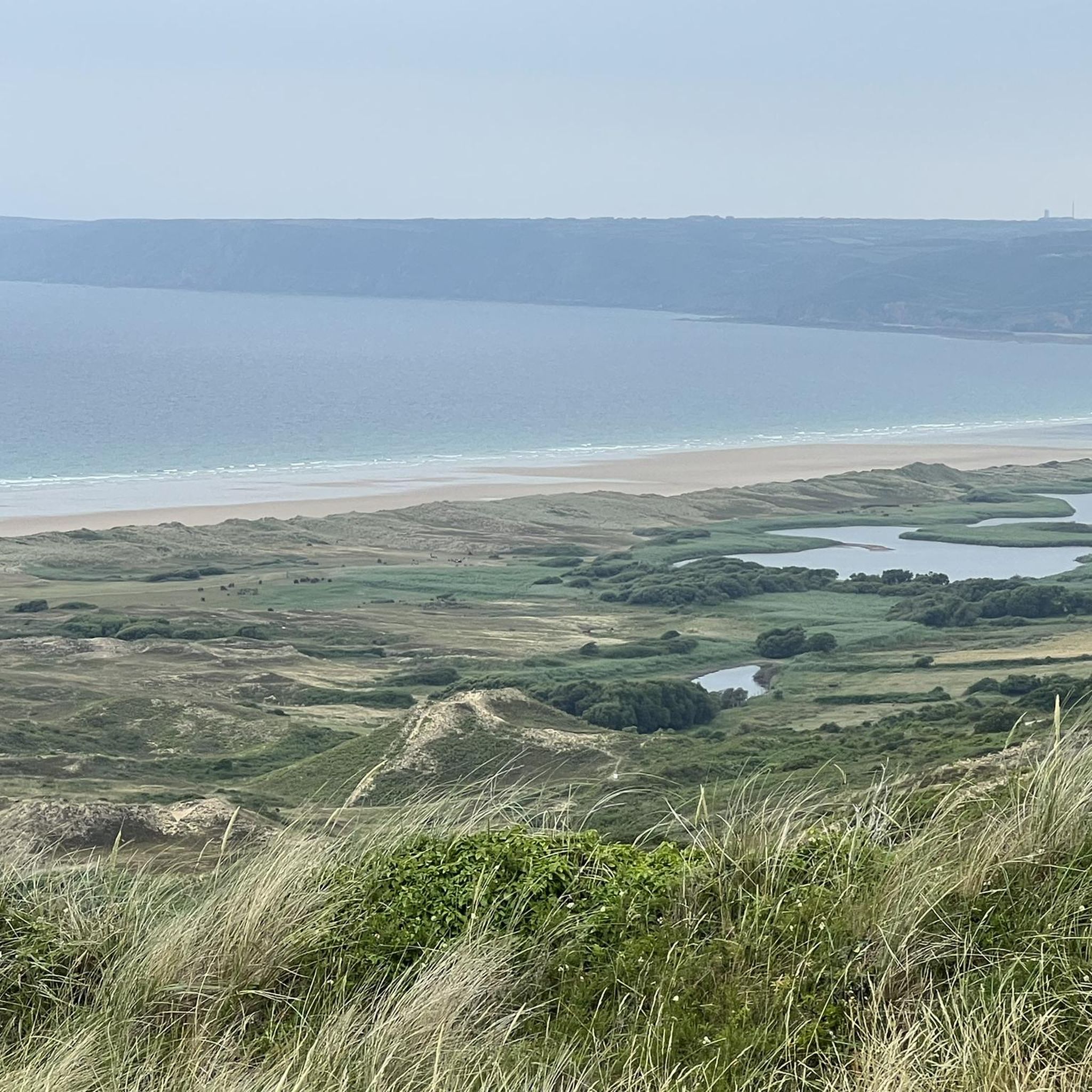
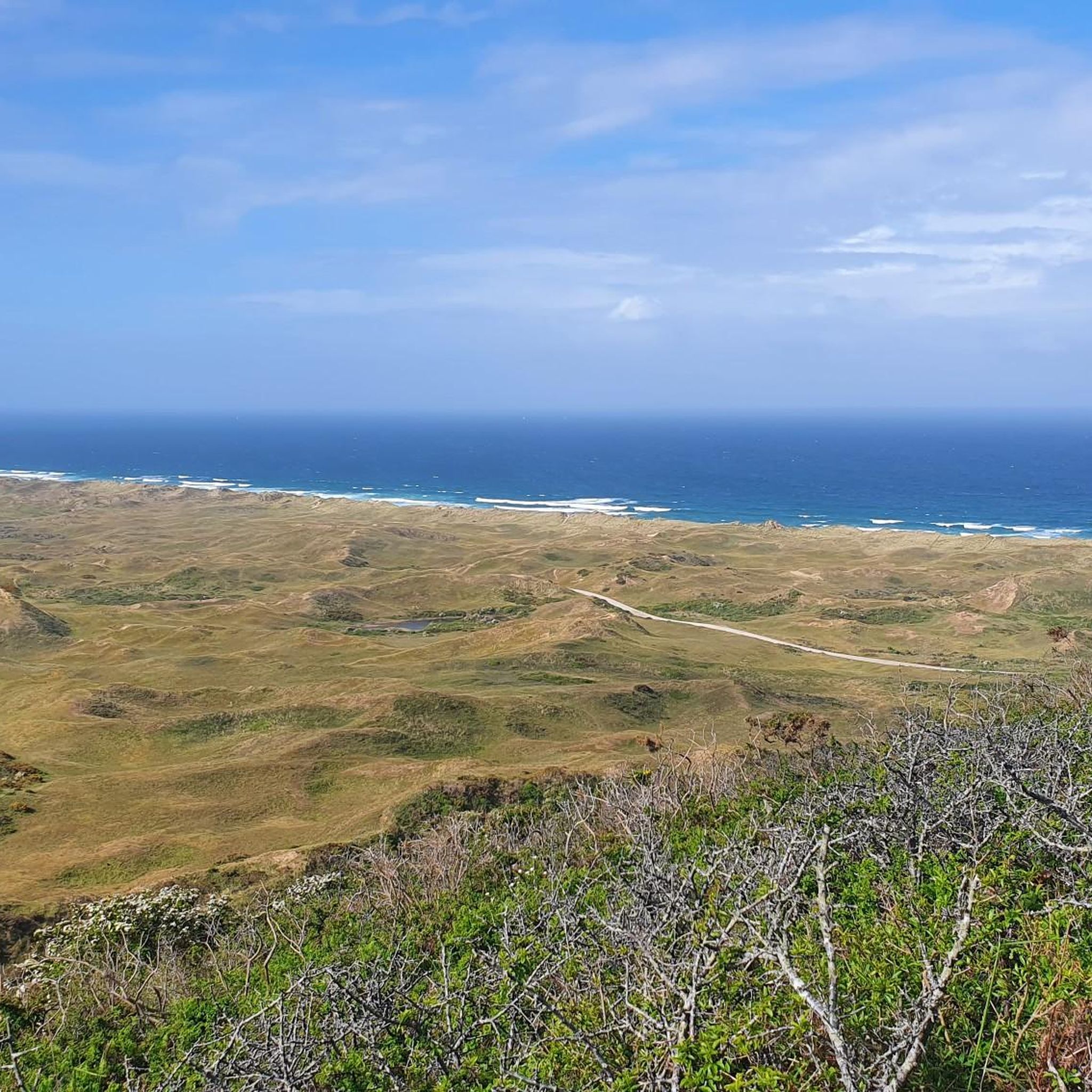

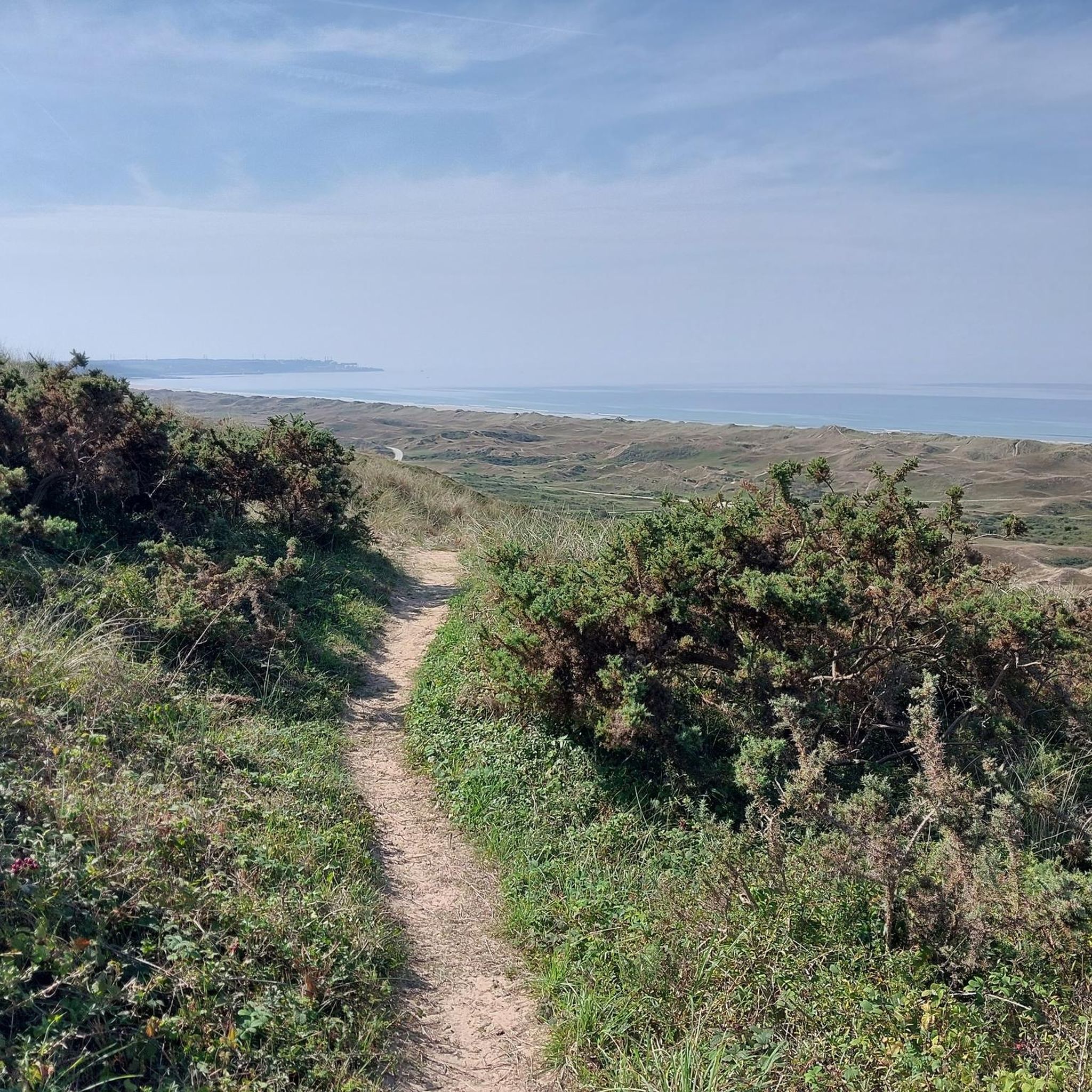
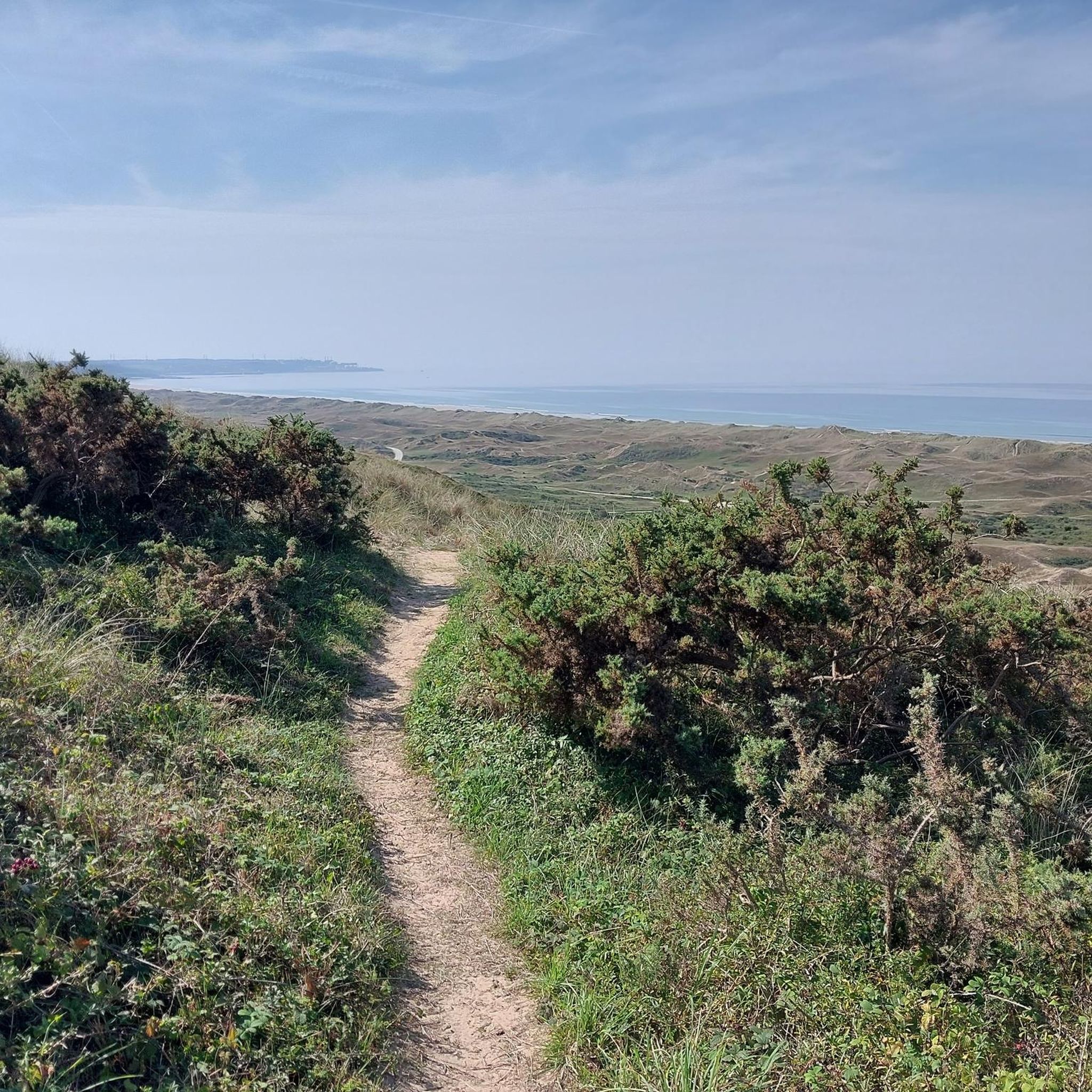
Tips from the Community


Quiet road in Chateau du Rozel, ideal for cycling
0
0

Imposing manor house, made up of ten buildings with three mills and a dovecote, for architecture and history buffs, it is worth the detour!
1
0

Castle from the 12th century. More info at: https://www.jardin-vauville.fr/
0
0

It was rebuilt in the 16th century on older foundations, in a stronghold cited in the 14th century. It consists of ten buildings, including three mills, and a granite and blue stone dovecote with 2,000 balls. Its raison d'être is its positioning on the edge of the old royal path leading to the Hague, where this path moves away from the strike to climb the first cliffs. The legend attributes its name to a warlike episode during which William the Conqueror would have had his life saved by Robert Le Fort who protected him with his shield (it was then said a shield) Source: Wikimanche
1
0
More information at https://www.durecu.com/
0
0

This partly 16th-century country house with its strangely grouped towers was later built on the 9th-century foundations. Only the courtyard and the dovecote of the complex are accessible to the public. The labyrinth in the cornfield opposite the mansion, on the other hand, can be explored at will.
2
0
Frequently Asked Questions
What types of castles can I visit around Teurthéville-Hague?
The region around Teurthéville-Hague offers a diverse range of historical structures. You can explore 16th-century manor houses like Manoir du Dur-Écu, 17th-century châteaux such as Château de Flamanville, and 18th-century castles like Rozel Castle 🏰. There are also defensive forts, like Fort de La Hougue, and private fortified residences that showcase different architectural styles and historical periods.
Are there any castles directly within Teurthéville-Hague?
While Teurthéville-Hague itself has historical châteaux like Château de Néretz and Château de Virandeville, public access or specific visitor features for these are not widely documented. The surrounding region offers more readily accessible and well-known sites for visitors.
Which castles are known for their gardens or natural features?
The Château de Flamanville is particularly notable for its park, which includes a dahlia garden with over 100 different species. The Château des Ravalet, located in Tourlaville, is renowned for its magnificent, freely accessible landscaped park and gardens, featuring lush greenery, ponds, and a large greenhouse. The Vauville castle also boasts remarkable botanical gardens with over 1,200 plant species.
What historical significance do the castles in this region hold?
The castles and fortified structures around Teurthéville-Hague are steeped in history. For example, Manoir du Dur-Écu was rebuilt on 9th-century foundations and is linked to local legends involving William the Conqueror. Fort de La Hougue is a UNESCO World Heritage site, showcasing 17th-century Vauban military engineering and its strategic role in naval history. Château de Quinéville famously hosted King James II during the Battle of La Hougue in 1692.
Are there family-friendly castles to visit near Teurthéville-Hague?
Yes, several castles in the area are considered family-friendly. Château de Flamanville is a great option, especially with its extensive dahlia garden. The Château des Ravalet offers a large park with a picnic area and children's playground, making it suitable for families. The village of Vauville, with its castle and botanical garden, is also a good choice for families.
Are any castles around Teurthéville-Hague accessible for wheelchairs?
The Château de Flamanville is listed as wheelchair accessible, making it a suitable option for visitors with mobility needs. For other sites, it's advisable to check directly with the specific castle for their accessibility features, especially regarding older structures or extensive gardens.
Can I bring my dog to the castles in the Teurthéville-Hague area?
While specific dog policies vary by location, many castle grounds and parks in France are dog-friendly, often requiring dogs to be on a leash. For example, the expansive park and gardens of Château des Ravalet are generally accessible. It's always best to verify the current pet policy directly with each castle or estate before your visit.
What outdoor activities can I combine with a castle visit near Teurthéville-Hague?
The region offers various outdoor activities. You can find numerous cycling routes, including those passing by historical sites. For example, the 'Château de Flamanville – Siouville Beach loop' is a challenging cycling route. There are also MTB trails and gravel biking opportunities. You can explore more options in the MTB Trails around Teurthéville-Hague or Cycling around Teurthéville-Hague guides.
When is the best time of year to visit the castles around Teurthéville-Hague?
The spring and summer months (April to September) are generally ideal for visiting, as the weather is milder and castle gardens, like those at Château de Flamanville or Château des Ravalet, are in full bloom. However, some sites, such as the park of Château des Ravalet, are accessible year-round. Visiting during Heritage Days (Journées du Patrimoine) in September can also offer special access to properties usually closed to the public.
How much time should I allocate for visiting a castle in this region?
The time needed can vary significantly. For a site like Fort de La Hougue, you might spend 2-3 hours exploring the fortifications and enjoying the views. For castles with extensive gardens, such as Château de Flamanville or Château des Ravalet, you could easily spend half a day enjoying the grounds. If a castle offers interior tours, factor in additional time. For smaller manors or those with limited public access, a shorter visit of 1-2 hours might suffice.
Is parking available at the castles?
Most major tourist-oriented castles and historical sites in the region provide dedicated parking facilities for visitors. For example, the Château des Ravalet has parking available for its park and gardens. For smaller or privately owned châteaux, parking might be more limited, so it's advisable to check in advance or look for nearby public parking options.
Are there any lesser-known or 'hidden gem' castles worth exploring?
While some castles like Château de Néretz and Château de Virandeville in Teurthéville-Hague are less documented for public access, the Manoir d'Inthéville near Fermanville is an ancient fortified residence dating back to the 13th century. Although it's private, its distinctive silhouette with fortified walls and watchtowers can be admired, offering a glimpse into the region's lesser-known historical architecture. Inquiring locally might reveal specific visiting arrangements.
Are there places to eat or drink near the castles?
Yes, many castle locations are near towns or villages that offer dining options. For instance, the Château de Quinéville operates as a hotel and restaurant, providing an on-site option. Near other popular sites like Château des Ravalet or Fort de La Hougue, you'll find cafes, restaurants, and pubs in the nearby towns of Tourlaville and Saint-Vaast-la-Hougue, respectively.
Most popular routes around Teurthéville-Hague
Most popular attractions around Teurthéville-Hague

Get inspired with the komoot mobile app


Explore more
Looking for the best castles somewhere else? Discover other guides around Teurthéville-Hague:
