Top 4 Mountain Passes around Ispagnac
Best mountain passes around Ispagnac are situated at the gateway to the Gorges du Tarn within the Cévennes National Park. This region is characterized by deep canyons and vast limestone plateaus. The area provides access to several notable mountain passes, popular with cyclists and hikers for their challenging gradients and scenic views.
Best mountain passes around Ispagnac
- The most popular mountain pass is Sapet Pass, a mountain pass that serves as an ideal starting point for the Signal de…
Last updated: August 6, 2026
Dolmen at Col de la Pierre Plate
Highlight • Mountain Pass
His chamber, covered by a large slab and open towards the east, is three …
Translated by Google •
Tip by

Sapet Pass
Highlight • Mountain Pass
Translated by Google •
Tip by

Sign up now to discover places like this
Get recommendations on the best single tracks, peaks, & plenty of other exciting outdoor places.
Sign up for free
Loubière Pass
Highlight • Mountain Pass
Showing Translation
Tip by

Col du Pont Sans Eau
Highlight • Mountain Pass
Translated by Google •
Tip by

Montmirat
Highlight • Mountain Pass
Translated by Google •
Tip by
Start today with a free account
Your next adventure awaits.
Login or Signup



Tips from the Community

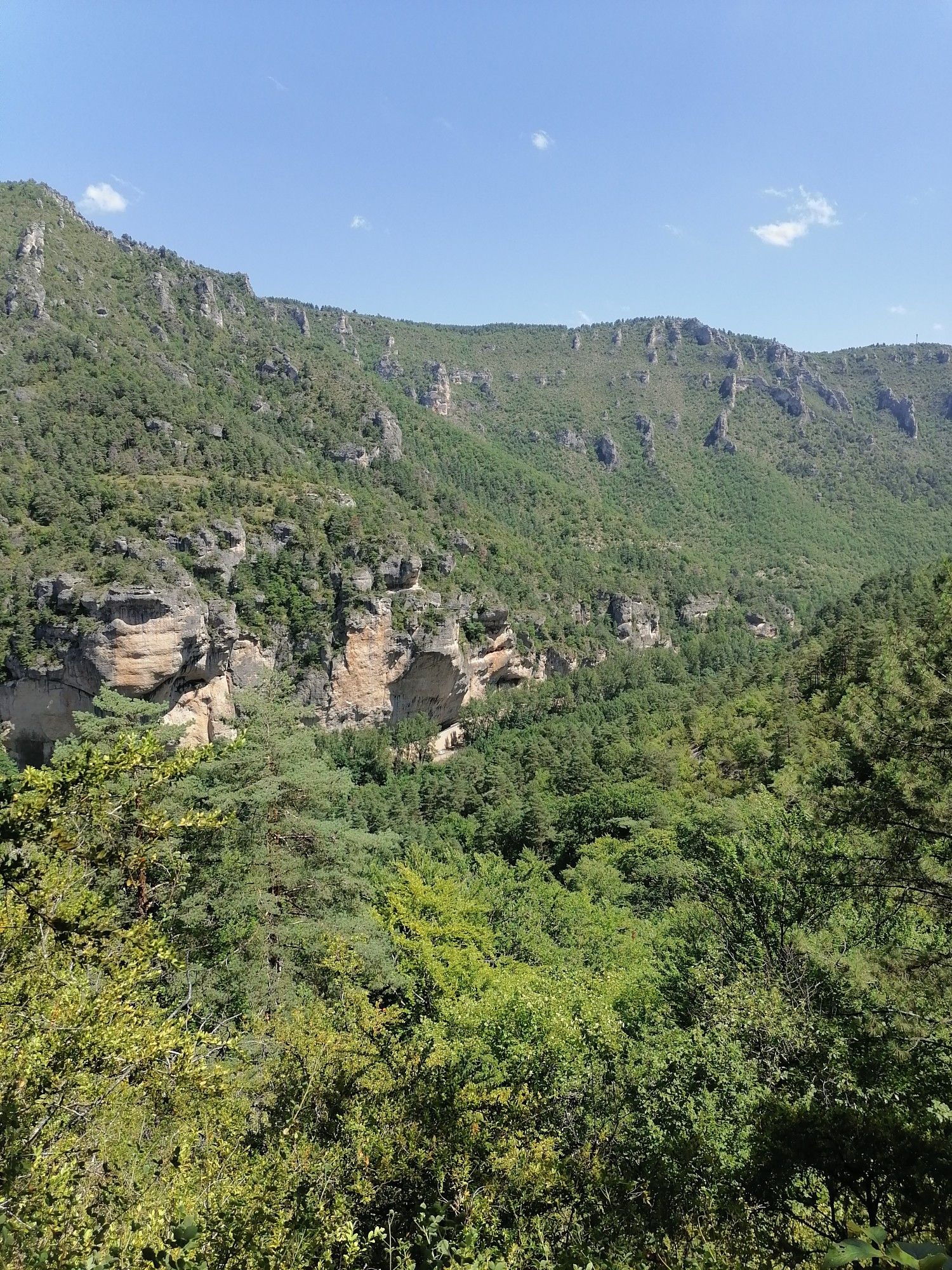
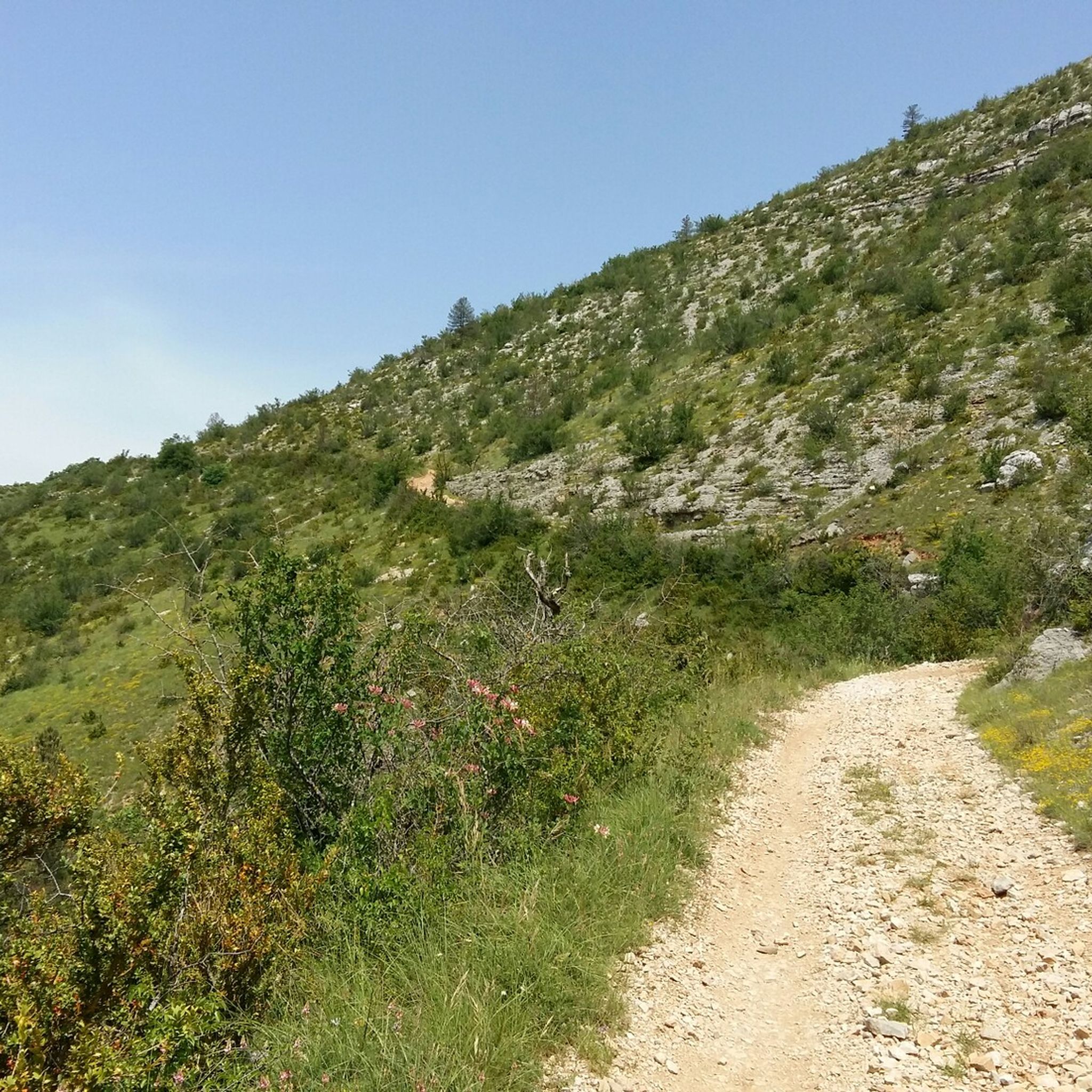
The Col du Sapet overlooks the heart of the Cévennes National Park at an altitude of 1,080 meters. It is located on Mont du Bougès and serves as a starting point for numerous hiking trails. This pass is also particularly popular with local cyclists, with its 450-meter elevation gain and views of the Cévennes Mountains.
0
0

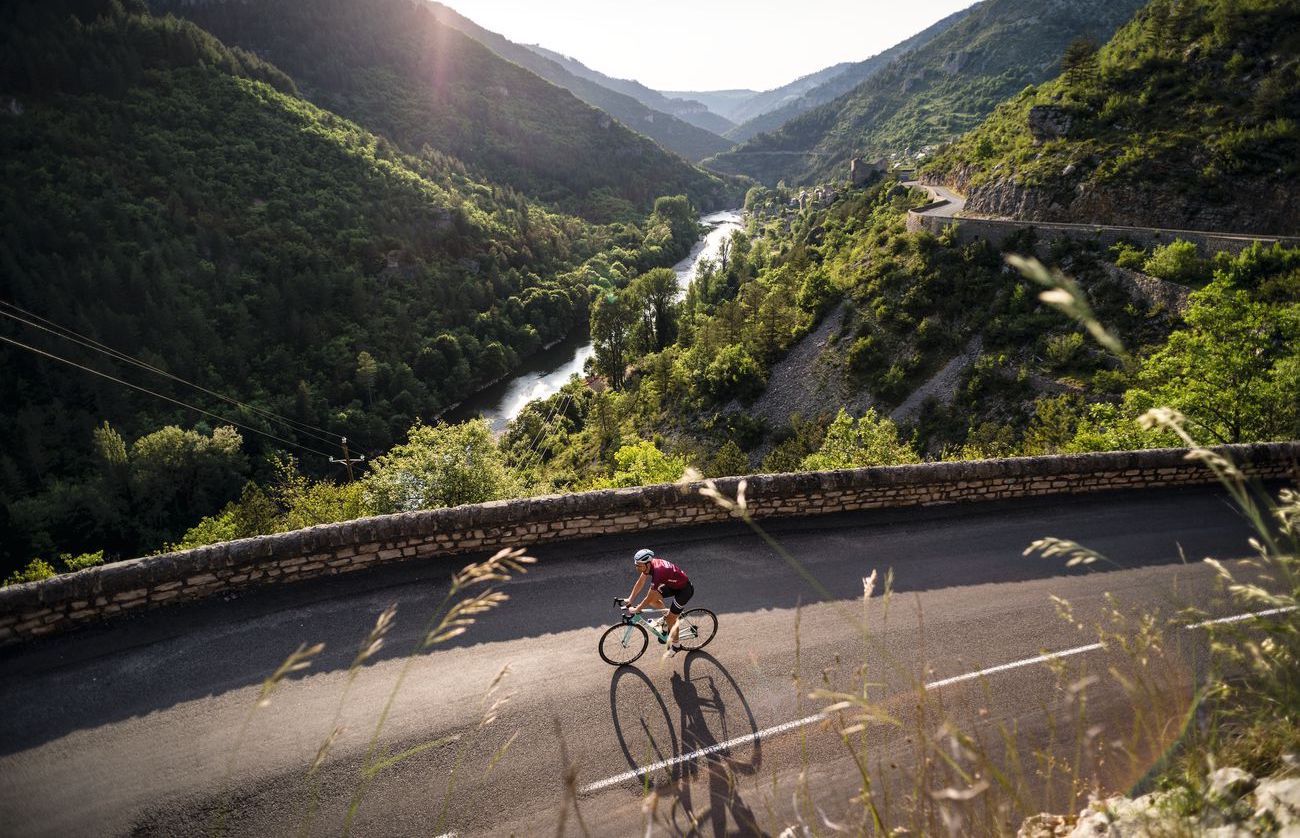
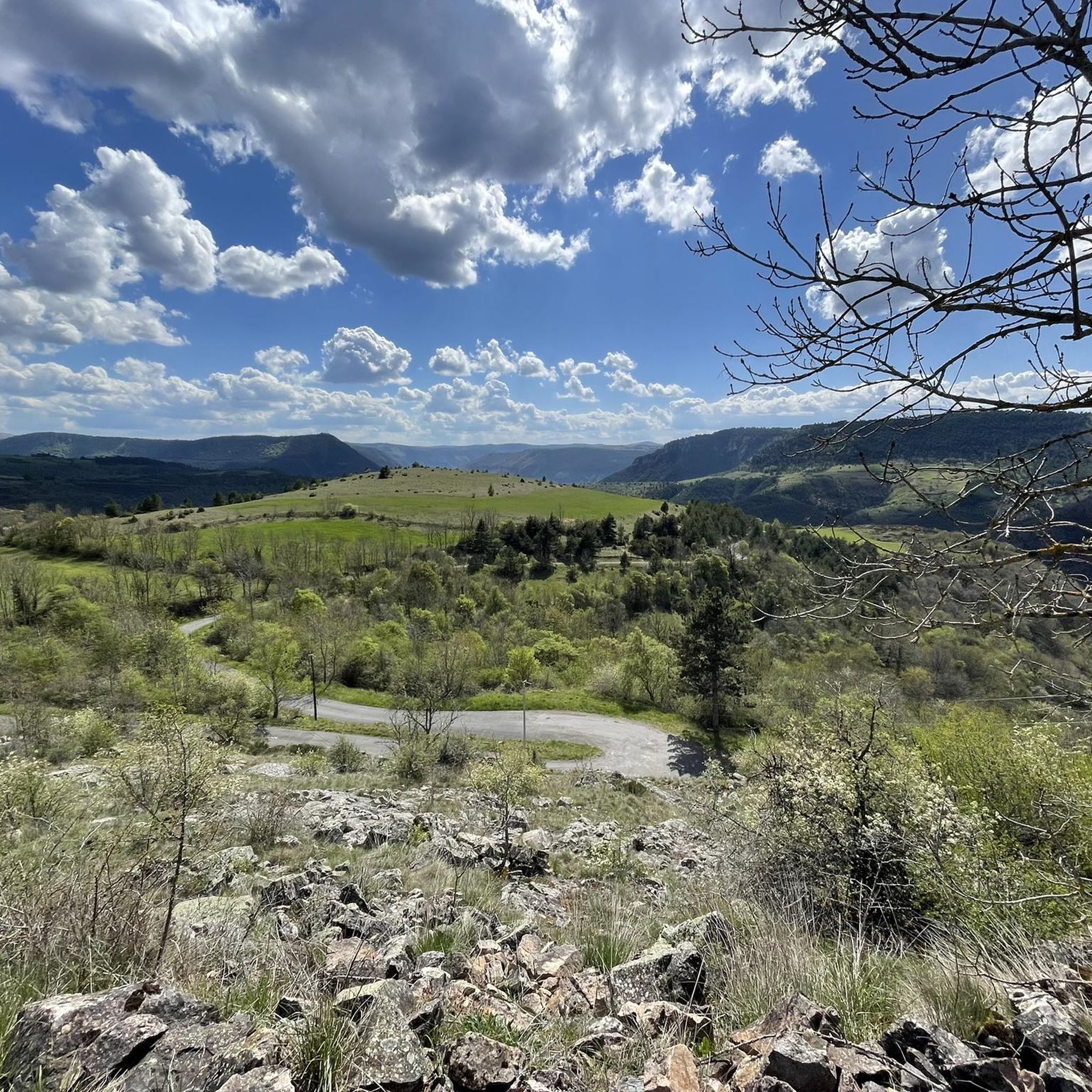
D41, very small road, relatively little traffic, challenging from both sides but doable.
2
0


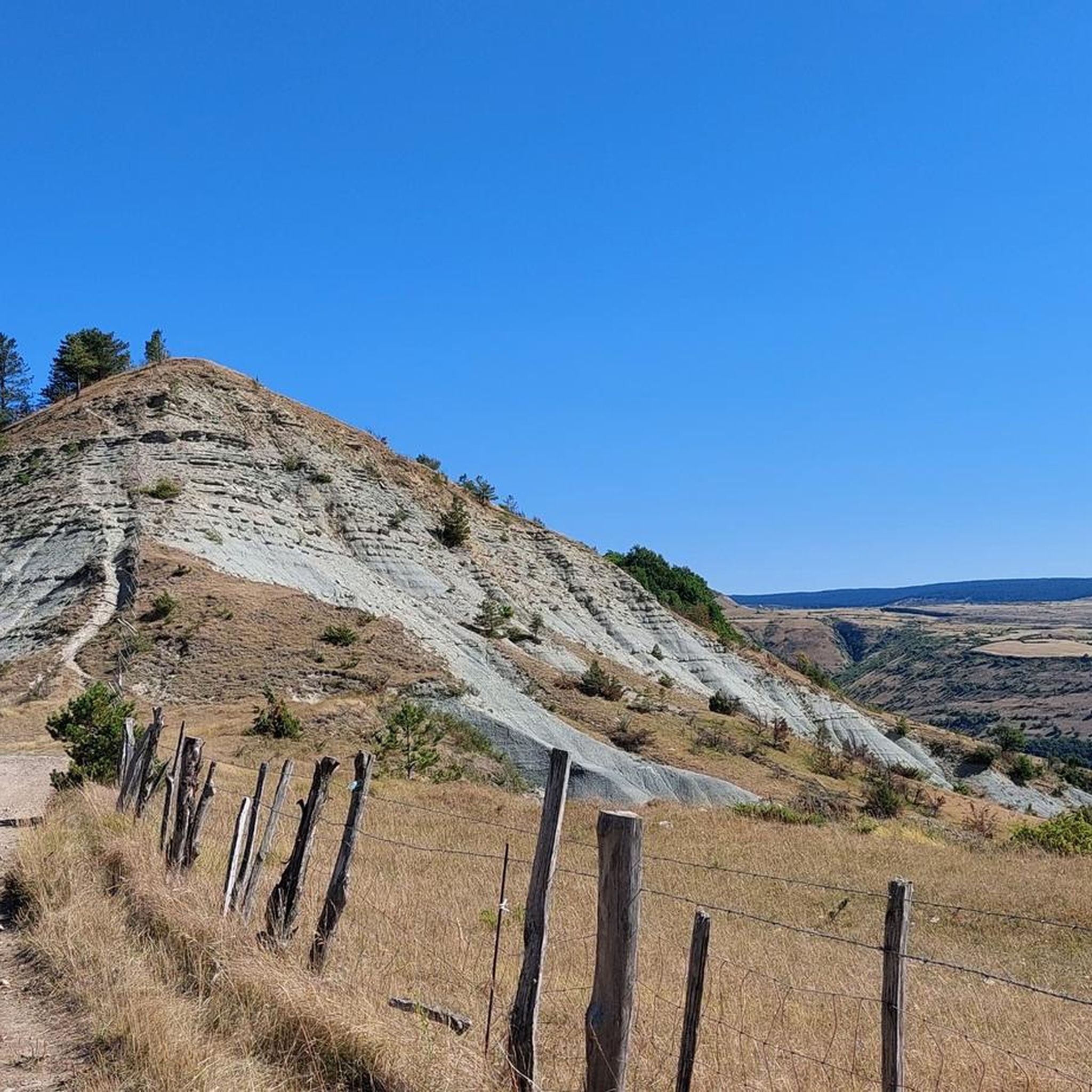
The Col de la Pierre Plate, at an altitude of 1016m, obviously owes its name to the dolmen whose enormous megalith that crowns it has a perfectly flat shape.
0
0
The Col du Sapet, at 1,080 meters above sea level, is the ideal starting point for the Signal de Bougès, offering magnificent views of the Cévennes.
1
0

The Col du Pont without water is 3.34 km long with an elevation gain of 191m. The average gradient is 5.7% with maximum gradients of 7%.
1
0

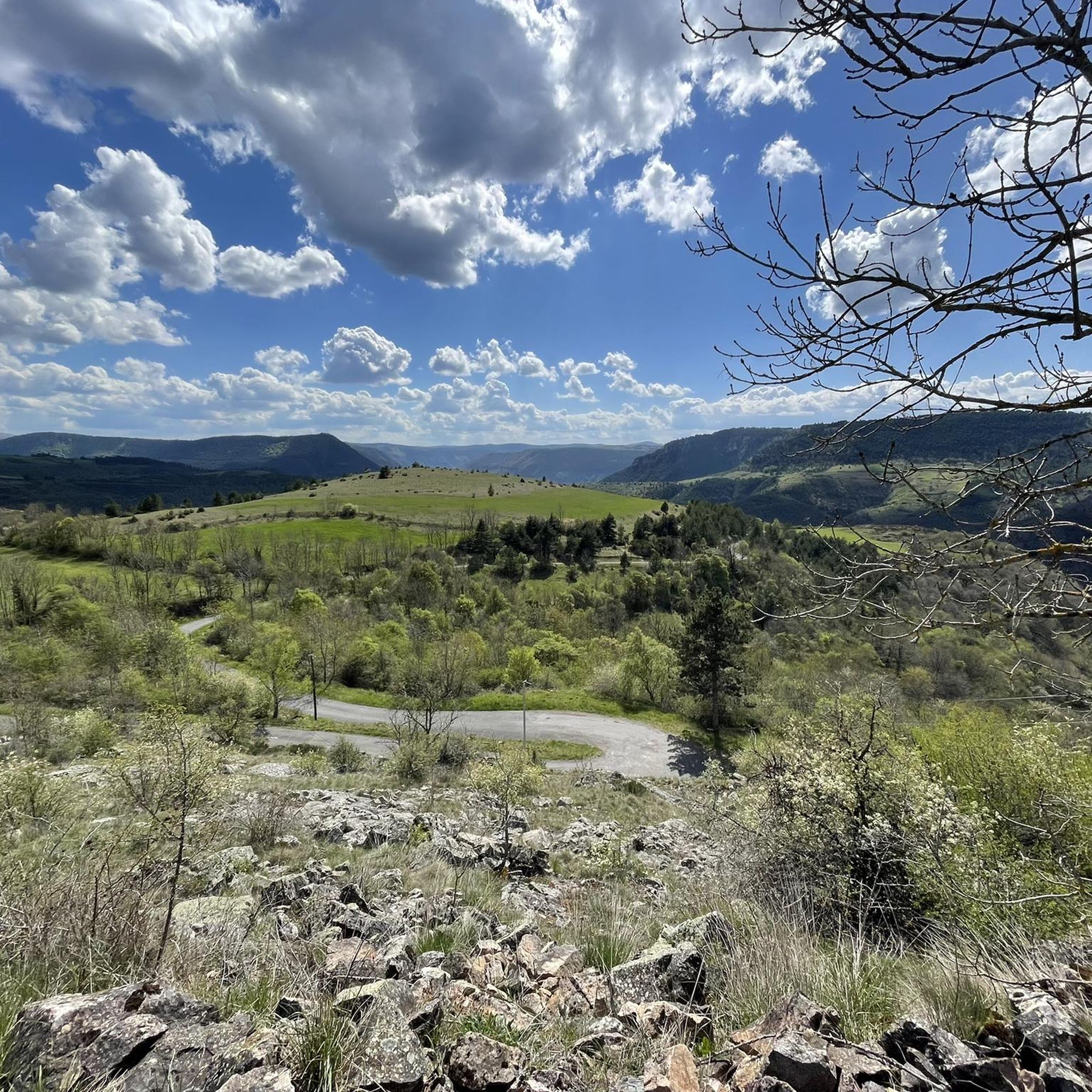
This Montmirat pass can go unnoticed because it is located at a crossroads surrounded by a few houses. However, it is a pass that exceeds 1,000 meters in altitude.
0
0
Located between the Lot valley and Valdonnez, the Col de la Loubière is 1,181 meters high and six kilometers long with an average gradient of 5.59%. The climb, regardless of its side, is very pleasant and takes place on a small, quiet road.
1
0
Frequently Asked Questions
What are some challenging mountain passes for cyclists near Ispagnac?
For experienced cyclists seeking a challenge, the Côte de l'Estrade is a significant climb directly associated with Ispagnac, spanning 5.8 kilometers with an average gradient of 8.1% and reaching a maximum of 9.9%. Another demanding option is Loubière Pass, which is 6 kilometers long with an average gradient of 5.59% and reaches an altitude of 1,181 meters.
Are there mountain passes with historical significance around Ispagnac?
Yes, the region offers passes with rich history. The Col de Montmirat, for instance, historically served as a crucial route between Mende and Florac. Nearby, you can find a unique old factory chimney, a remnant of a 15th-century silver-lead mine. For more historical context, you can visit the Wikipedia page for Col de Montmirat. Additionally, the Dolmen at Col de la Pierre Plate features one of the best-preserved dolmens on the Causse Méjean plateau, offering a glimpse into ancient history.
What kind of views can I expect from the mountain passes in this region?
The mountain passes around Ispagnac offer impressive and varied views. From Sapet Pass, you can enjoy magnificent vistas of the Cévennes National Park. The Col de Perjuret is renowned for its beautiful wild landscapes and expansive views between the Jonte and Tarnon valleys, especially recommended in the morning for photography.
What hiking opportunities are available near the mountain passes around Ispagnac?
The region around Ispagnac is excellent for hiking. Many mountain passes serve as starting points or are integrated into trails. For example, the GR 60 long-distance hiking trail passes through the Col de Perjuret. You can find various hiking routes, including moderate trails like the 'Fairies' Rock Trail' or the 'Paros Loop', by exploring the Hiking around Ispagnac guide.
Can I find routes for road cycling near Ispagnac's mountain passes?
Absolutely. The mountain passes are popular with road cyclists. You can find challenging routes such as 'A loop around the adhesion area of the Cévennes National Park' or 'Balsièges – Côte de la Croix Neuve loop from Ispagnac'. For a comprehensive list of options, check out the Road Cycling Routes around Ispagnac guide.
What is the best time of year to visit the mountain passes around Ispagnac?
While specific seasonal recommendations vary by pass, the region is generally enjoyable for outdoor activities from spring through autumn. For passes like the Col de Perjuret, visiting in the morning is recommended for cooler temperatures and better light for photography. Winter hiking is possible, but conditions can be challenging, so always check local weather forecasts.
Are there any less-trafficked mountain passes for a quieter experience?
If you prefer a quieter experience, the Loubière Pass is noted for its 'very small road' and 'relatively little traffic'. Similarly, Col du Pont Sans Eau offers a more secluded feel with its 3.34 km length and intermediate difficulty.
What are the typical gradients found on the mountain passes around Ispagnac?
The gradients vary, offering options for different fitness levels. The Côte de l'Estrade is known for its challenging average gradient of 8.1% and a maximum of 9.9%. Loubière Pass has an average of 5.59%, while Col du Pont Sans Eau averages 5.7% with maximums of 7%. The Col de Montmirat offers a steadier climb with an average of 4.9%.
Are there options for gravel biking near the mountain passes?
Yes, the diverse terrain around Ispagnac is suitable for gravel biking. You can find several routes, such as the 'Cévennes Greenway – Tunnels loop from Florac' or the 'Route des Gorges du Tarn – Le Pont-de-Montvert loop from Florac'. Explore these and more in the Gravel biking around Ispagnac guide.
What do visitors enjoy most about the mountain passes around Ispagnac?
Visitors particularly appreciate the challenging climbs, the historical significance, and the expansive viewpoints offered by the mountain passes. The region's deep canyons, vast limestone plateaus, and diverse flora and fauna make any journey through this area a memorable experience, as highlighted by the komoot community's positive feedback and shared photos.
Which mountain passes offer views of the Cévennes National Park?
The Sapet Pass, located at 1,080 meters above sea level, is an ideal starting point for the Signal de Bougès and offers magnificent views over the heart of the Cévennes National Park. The Col de Perjuret also provides expansive vistas of the diverse Cévennes terrain.
Are there any mountain passes that are good for intermediate cyclists?
Many passes in the region are suitable for intermediate cyclists. The Col de Montmirat, with its 9.1-kilometer length and average gradient of 4.9%, provides a longer, steadier climb that is enjoyable for those who prefer a sustained effort. Col du Pont Sans Eau is also categorized as intermediate.
Most popular routes around Ispagnac
Most popular attractions around Ispagnac

Get inspired with the komoot mobile app


Explore more
See even more epic mountain passes by checking out these guides around Ispagnac:
