Top 4 Castles around Ozeville
Castles around Ozeville offer a glimpse into the rich history of Normandy, France. This tranquil commune is known for its peaceful rural environment and significant World War II history. The surrounding region features various historical sites and fortifications, providing a diverse exploration of military architecture and coastal landscapes.
Best castles around Ozeville
- The most popular castles is Fort of La Hougue, a castle that is a crucial testament to French military history and an outstanding example of Vauban's architectural…
Last updated: August 11, 2026
Fort of La Hougue
Highlight • Castle
Tip by

Ravenoville Beach and Redoubt
Highlight • Beach
Translated by Google •
Tip by
Sign up now to discover places like this
Get recommendations on the best single tracks, peaks, & plenty of other exciting outdoor places.
Sign up for free
Quinéville Castle
Highlight • Castle
Tip by
Vauban Tower and the La Hougue Semaphore
Highlight • Castle
Translated by Google •
Tip by

Château de Vaugoubert
Highlight • Castle
Translated by Google •
Tip by

Start today with a free account
Your next adventure awaits.
Login or Signup


Tips from the Community

Why visit Fort de La Hougue? History and Heritage: The fort is a crucial witness to French military history and an exceptional example of Vauban's genius, offering a fascinating dive into the past. Magnificent Landscapes: The fort offers sublime panoramic views of the sea and coastal landscapes, making the visit a moment of relaxation as much as discovery. Cultural Activities: The exhibitions and events organized at the fort enrich the visit by offering varied perspectives on local history and fortifications. In summary, Fort de La Hougue is a must-see site for lovers of history, military architecture, and beautiful landscapes. It combines culture, nature, and heritage in a unique setting in Normandy.
1
0
Fort de La Hougue is a remarkable historical site located in Saint-Vaast-la-Hougue, on the east coast of the Cotentin Peninsula, Normandy. This fort is one of two defensive works designed by the military engineer Vauban in the 17th century, the other being the fort of Tatihou, located on a neighboring island. Together, these fortifications have been classified as a UNESCO World Heritage Site since 2008 as an example of Vauban's military engineering. Points of Interest: Architecture and Military History: Fort de La Hougue was built between 1694 and 1699 on the orders of Louis XIV, following the French defeat at the Battle of La Hougue in 1692. This fort is a classic example of bastion fortifications, with thick walls, casemates, and a complex network of defenses designed to resist attacks from the sea. The 20-metre-high La Hougue Tower is the most emblematic element of the fort. This tower served as both an observation point and a last refuge in the event of an attack. UNESCO Heritage: The Fort de La Hougue is recognised by UNESCO as a masterpiece of Vauban's military engineering. This classification highlights the importance of the site in French and world military history, as well as the exceptional value of its architecture. A visit to this site allows you to better understand the defence techniques of the time and to appreciate Vauban's ingenuity in designing fortifications. Activities and Access: The fort is accessible on foot from Saint-Vaast-la-Hougue, and it is surrounded by coastal paths offering beautiful walks along the sea. These walks also allow you to discover the local flora and fauna. The nearby island of Tatihou can be reached by boat at high tide or on foot at low tide, offering a complementary excursion to explore another side of Vauban's fortifications.
1
0

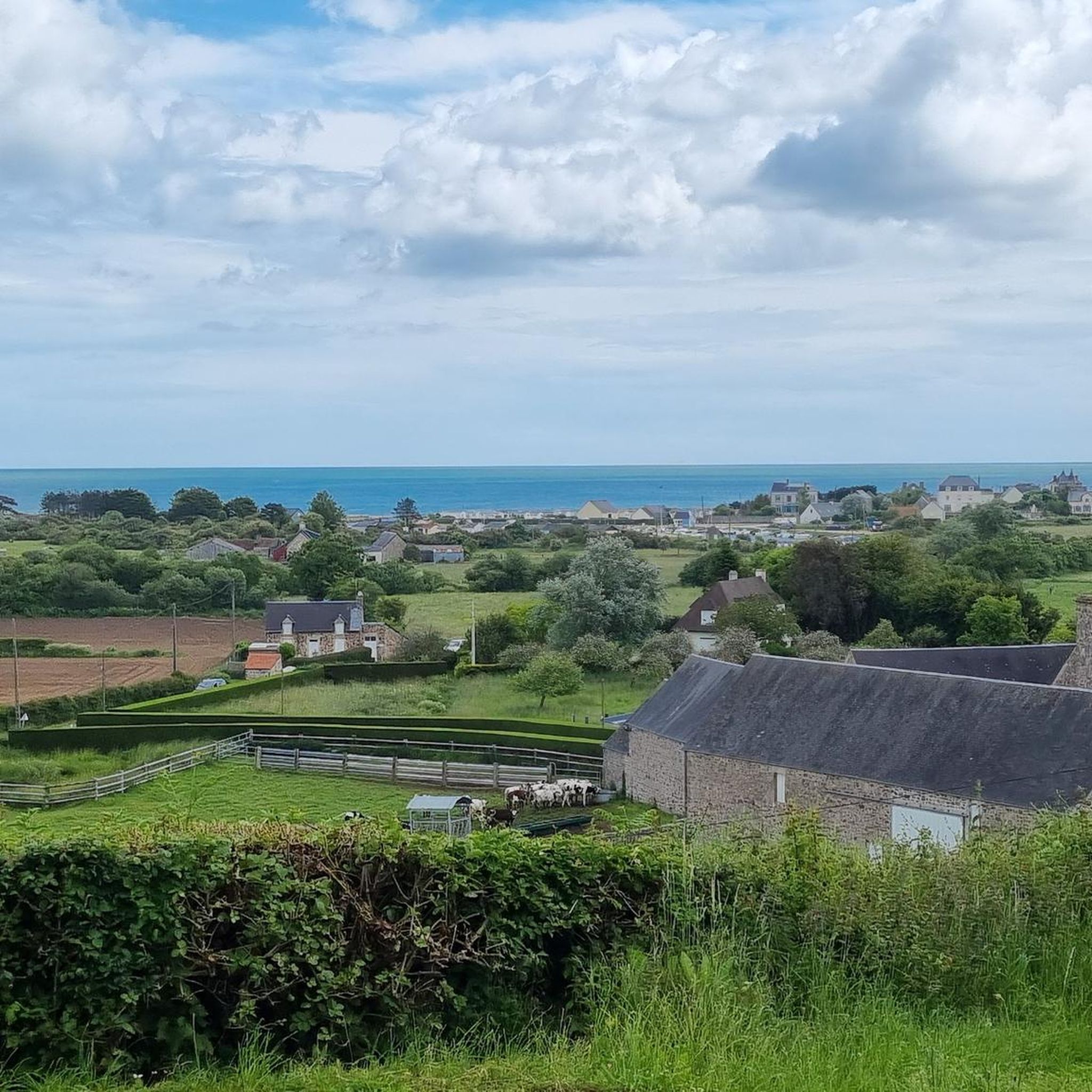
From the 19th century with dovecote, park and lake. The old buildings have disappeared. Then La Rivière farm. As you pass, you notice the wooden and cob cart of the Ferme de Gerville. The castle is private property and cannot be visited.
0
0

Very nice walk in Saint Vaast and around the fort of La Hougue. To do again
3
0

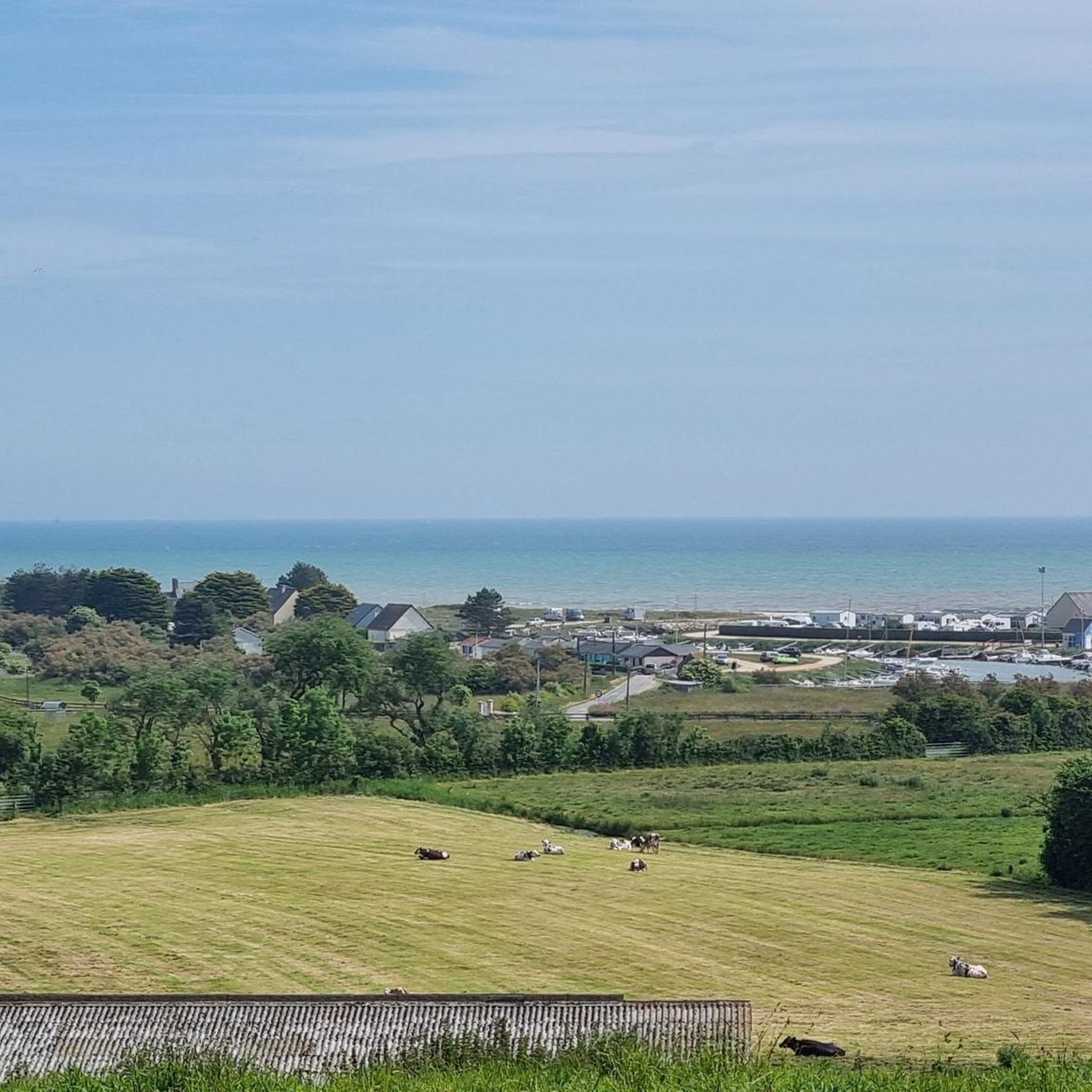
At the 1.5 km long Grande-Plage, the isthmus between the former island of La Hougue and Saint-Vaast is completely taken up by the tamarisk-lined road and the dike. At the far end of the beach stands the keep of the fortress like a proud watchman.
2
0

To discover absolutely
1
0

magnificent city and superb construction of Vauban https://youtu.be/zrDTW5Wrbuc
3
0

Fort Ravenoville (19th century), built on an old square masonry redoubt dating from 1689. The enclosure as well as the old interior guardhouse have been profoundly modified. The remains of the vast "Widerstandsnest 14" next door date from the Nazi-German Atlantic Wall.
0
0
Frequently Asked Questions
What historical sites related to castles can I visit near Ozeville?
While Ozeville itself is a tranquil commune, the surrounding region offers several significant historical sites. You can explore the impressive Fort of La Hougue, a testament to Vauban's military architecture, or visit Ravenoville Beach and Redoubt, which features a 19th-century fort built on an older redoubt and remnants of the Atlantic Wall.
Are there any castles near Ozeville that offer scenic views or access to natural features?
Yes, several sites combine history with natural beauty. Quinéville Castle offers palatial views extending down to the beach. The Fort of La Hougue provides magnificent panoramic views of the sea and coastal landscapes. Additionally, Ravenoville Beach and Redoubt is located right on the coast, offering a historical experience alongside beach access.
What outdoor activities can I combine with a visit to castles near Ozeville?
The region around Ozeville is excellent for outdoor enthusiasts. You can find various hiking trails, including routes like "Along the beach (Gravel) – Port on the Sinope loop from Quinéville" which is a moderate 9.8 km hike. For cyclists, there are traffic-free bike rides and gravel biking routes, such as the "Port on the Sinope – Along the beach (Gravel) loop from Quinéville" which is an easy 26.7 km ride.
Are there family-friendly castles or historical sites to visit near Ozeville?
Yes, Ravenoville Beach and Redoubt is considered family-friendly. Its location on the beach allows for a combination of historical exploration and seaside activities, making it enjoyable for all ages.
Are there any castles near Ozeville that are open to the public?
Yes, while some historical buildings like Le Manoir d'Ozeville and Château de Vaugoubert are private, you can visit Fort of La Hougue (though it's a military base with limited public access to the interior, the impressive outdoor area is accessible). Quinéville Castle has been repurposed as a hotel and restaurant, allowing public access to its facilities.
What is the best time of year to visit the castles around Ozeville?
The best time to visit the castles and historical sites around Ozeville is generally during the spring (April-June) and autumn (September-October) months. The weather is typically mild and pleasant for exploring, and these periods often avoid the peak summer crowds, offering a more serene experience.
Can I find accommodation or dining options near the castles?
Yes, Quinéville Castle itself operates as a hotel and restaurant, offering a unique stay. The nearby towns and coastal areas, such as Saint-Vaast-la-Hougue (near Fort de La Hougue), also provide various cafes, pubs, and accommodation options for visitors.
Are dogs allowed at the castles around Ozeville?
Policies for dogs can vary. While specific castle interiors might restrict pets, outdoor areas and walking trails around sites like Fort of La Hougue and Ravenoville Beach and Redoubt are generally more accommodating for leashed dogs. It's always best to check specific site regulations before your visit.
How long should I plan for a visit to the castles near Ozeville?
For sites like Fort of La Hougue or Ravenoville Beach and Redoubt, you could easily spend 2-3 hours exploring the grounds, enjoying the views, and learning about their history. If you plan to combine a visit with a hike or a meal at Quinéville Castle, you might extend your visit to half a day or more per location.
Are the castles near Ozeville wheelchair accessible?
Accessibility can be challenging for historical sites, especially those with older architecture or natural terrain. While specific information on wheelchair accessibility for each site is limited, areas like the outdoor grounds of Fort of La Hougue and the beach access at Ravenoville Beach and Redoubt might offer some accessible paths, but full accessibility for all areas cannot be guaranteed. It's advisable to contact individual sites for detailed information.
Most popular routes around Ozeville
Most popular attractions around Ozeville

Get inspired with the komoot mobile app


Explore more
Looking for the best castles somewhere else? Discover other guides around Ozeville:
