The best MTB trails around Saint-Marcouf
4.5
(82)
285
riders
81
rides
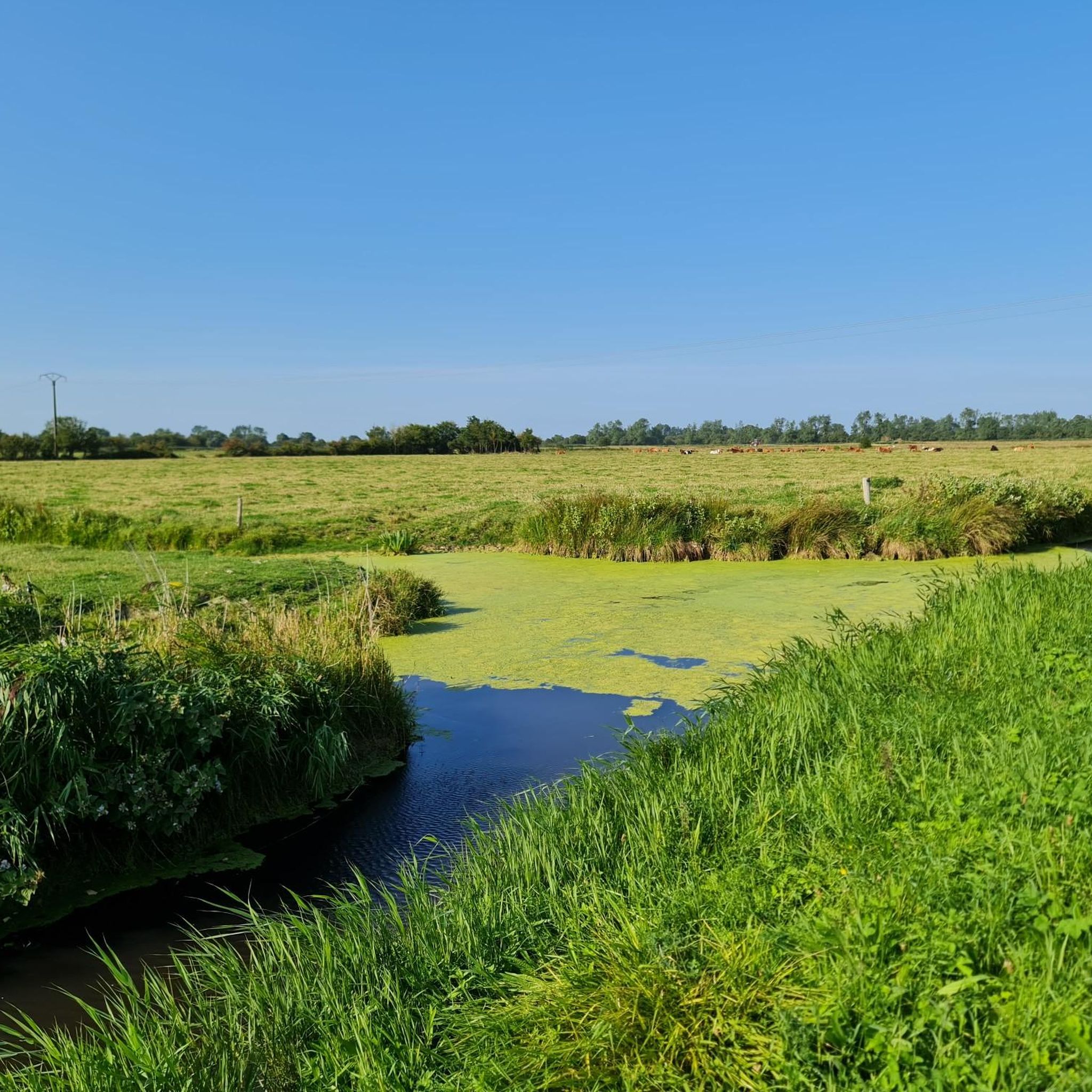
Mountain biking around Saint-Marcouf features a landscape characterized by its coastal proximity and low-lying terrain. The region offers routes that traverse rural areas, often passing by historical sites and beaches. Elevation gains are generally modest, making many mountain bike trails accessible for various skill levels. The area's geography provides a mix of open views and paths through agricultural land.
Best mountain bike trails around Saint-Marcouf
- The most popular mountain bike trail is Utah Beach Museum – Quinéville Beach loop from…
Last updated: November 5, 2026
4.2
(5)
17
riders
Moderate mountain bike ride. Good fitness required. Advanced riding skills necessary.
4.0
(1)
16
riders
60.7km
03:38
200m
200m
Moderate mountain bike ride. Good fitness required. Advanced riding skills necessary.

5.0
(1)
11
riders
Hard mountain bike ride. Good fitness required. Advanced riding skills necessary. Some portions of the route may require you to push your bike.
4.5
(2)
4
riders
22.5km
01:30
170m
170m
Easy mountain bike ride.
5.0
(1)
9
riders
Easy mountain bike ride.
Get access to more routes and recommendations from other explorers.
Already have an account?
Our route recommendations are based on thousands of hikes, rides, and runs completed by other people on komoot.
Start today with a free account
Your next adventure awaits.


Tips from the Community

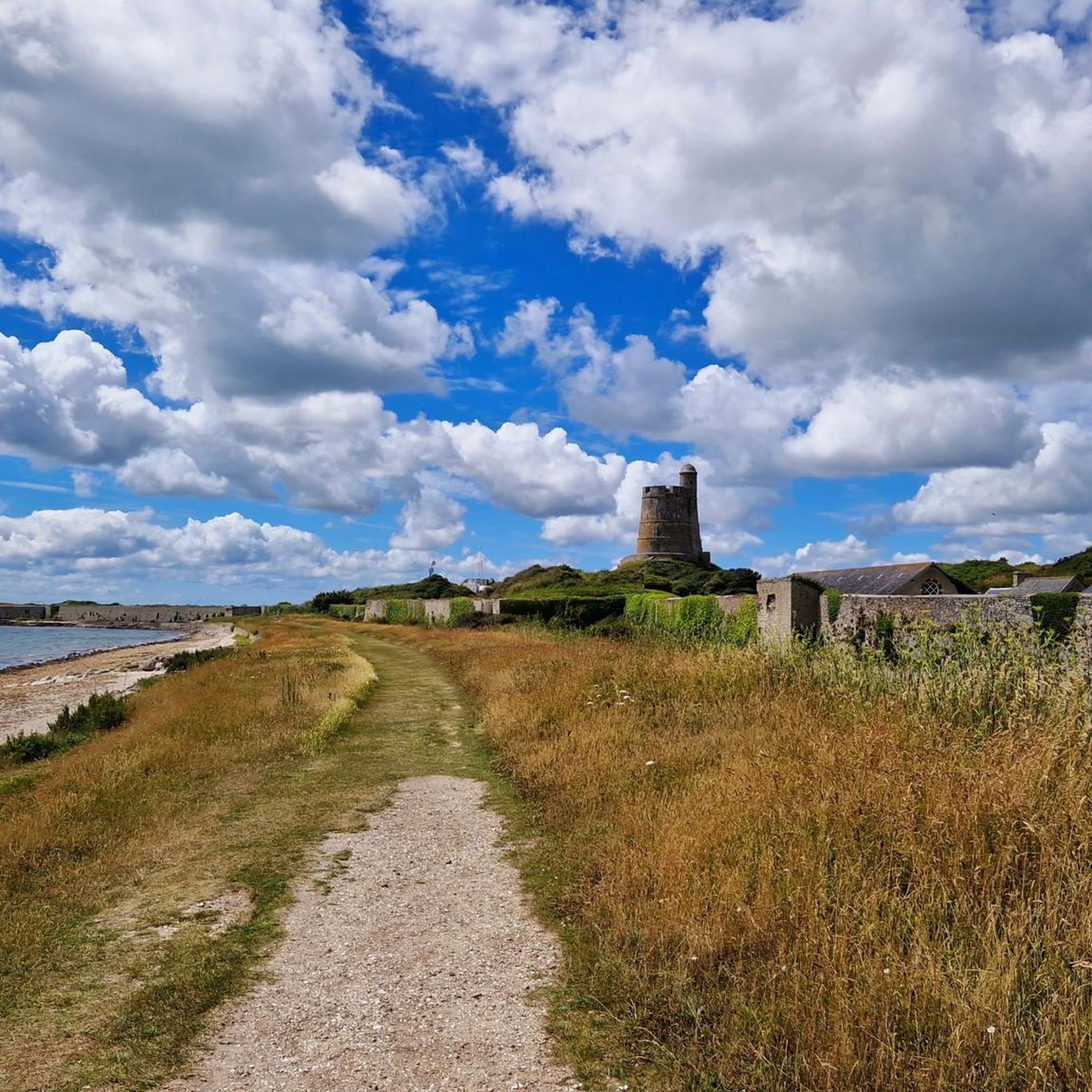
The island is home to the Vauban fortress Fort de la Hogue.
0
0

Very pretty fishing and marina port.
2
0

The original lighthouse was built in 1775 to protect the dangerous waters around Pointe de Barfleur, which were known for numerous shipping disasters, including the sinking of the "White Ship" in 1120. Since the first tower did not meet the requirements of the 1825 national coastal lighting program, construction began on a new, larger tower in 1829. Completed in 1835 under the direction of architect Charles-Félix Morice de la Rue, it replaced the old tower, which was then used as an optical telegraph. The new tower is made of approximately 11,000 granite blocks and has 365 steps—symbolizing the days of a year. It also has 52 windows (representing the weeks) and 12 floors (representing the months).
8
0
Memorials that remind you again and again "NEVER AGAIN WAR" that is something the warmongers from 🇩🇪 and the 🇪🇺 should especially make their motto.
3
0
A place steeped in history, one of the five landing zones.
2
0
Bronze statues, very detailed, depicting landing with a landing craft.
2
0
The landing craft used during the invasion of Normandy on June 6, 1944 (D-Day) were essential for the successful landing of the Allied troops. LCVP (Landing Craft, Vehicle, Personnel) – "Higgins Boat": The most widely used landing craft. Capacity: 36 soldiers or one jeep, or 8,000 pounds of cargo. Length: approximately 11 meters. Special feature: Front hatch for quick unloading of troops.
2
0

Impressive lighthouse, possibility to climb and have a spectacular view
3
0
Frequently Asked Questions
How many mountain bike trails are available in Saint-Marcouf?
There are over 70 mountain bike trails around Saint-Marcouf, offering a diverse range of options for different skill levels. This includes 31 easy routes, 37 moderate routes, and 2 more challenging trails.
What kind of terrain can I expect on mountain bike trails in Saint-Marcouf?
The terrain around Saint-Marcouf is characterized by its coastal proximity and low-lying nature. You'll find routes traversing rural areas, often passing by historical sites and beaches. Elevation gains are generally modest, making many trails accessible, with a mix of open views and paths through agricultural land.
Are there any easy mountain bike trails suitable for beginners or families in Saint-Marcouf?
Yes, Saint-Marcouf offers several easy mountain bike trails. An excellent option is the Utah Beach Museum – Quinéville Beach loop from Quinéville, an 18.5-mile (29.7 km) path that explores coastal areas and historical landmarks with minimal elevation gain. Another easy route is the Ruins of Chapelle Saint-André – Quinéville Castle loop from Quinéville, which is 14.4 miles (23.1 km) long.
What are some moderate mountain bike routes in the Saint-Marcouf area?
For those looking for a moderate challenge, the Barfleur loop from Quinéville is a popular choice, covering 19.8 miles (31.9 km) through the local countryside. Another moderate option is the Saint-Marcouf Fountain – Crisbecq Batteries loop from Joganville, a 22.4 km route with modest elevation.
Are there any longer mountain bike routes for experienced riders?
Yes, for a longer ride, consider the Sainte-Mère-l'Église – Sainte-Mère-Église Church loop from Quinéville. This moderate trail spans 47.3 miles (76.2 km) and features the most elevation gain among the listed routes, providing a more extended cycling experience.
What historical sites or landmarks can I see while mountain biking in Saint-Marcouf?
The trails often pass by significant historical sites. You can visit the Crisbecq Battery (Saint-Marcouf), a well-preserved WWII German coastal artillery battery. Other notable landmarks include the Fort of La Hougue and Quinéville Castle, which are often incorporated into routes.
Are there any routes that offer coastal views or pass by beaches?
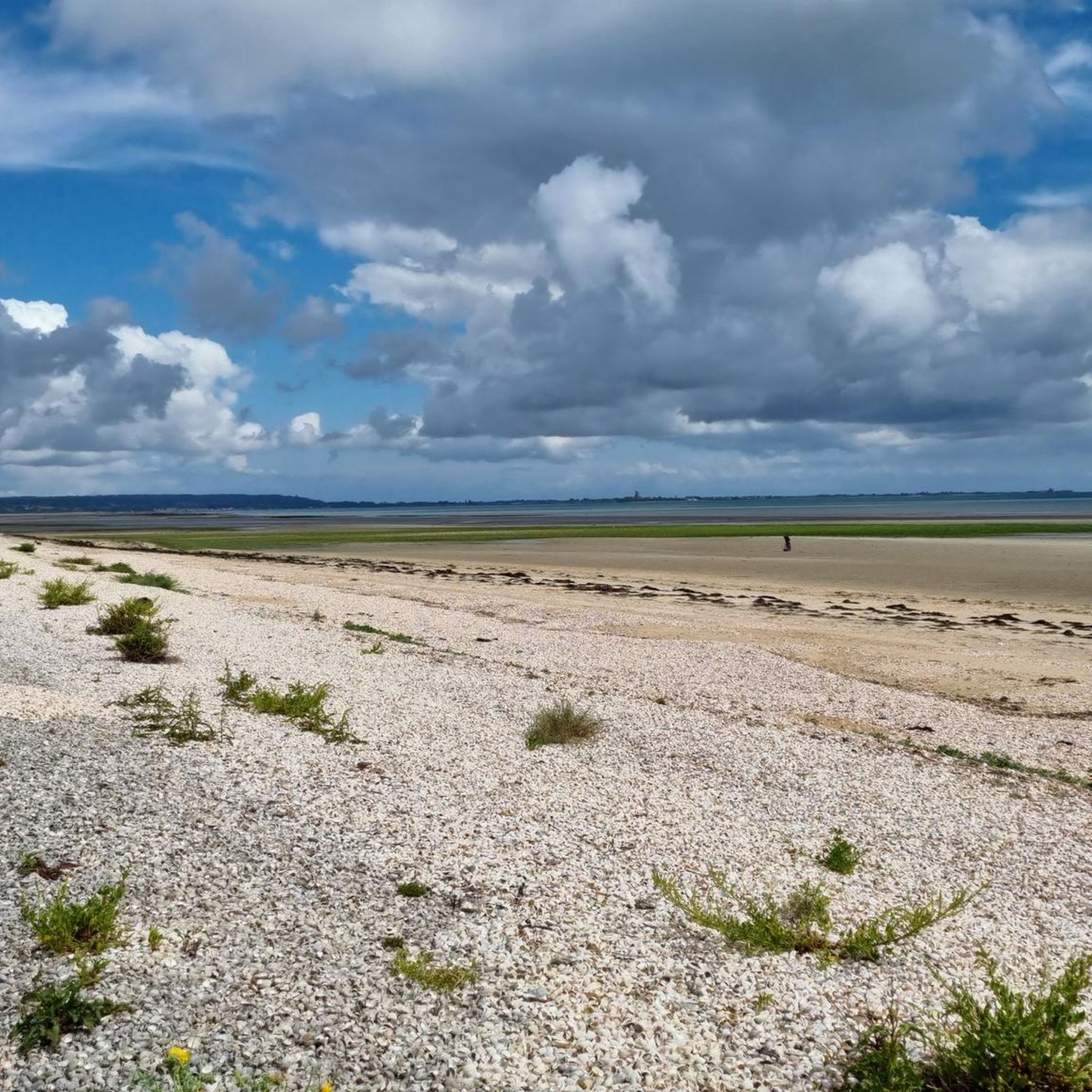
Absolutely. Many routes in Saint-Marcouf leverage the region's coastal proximity. The Utah Beach Museum – Quinéville Beach loop from Quinéville specifically explores coastal areas and beaches, offering scenic views of the English Channel.
What do other mountain bikers enjoy most about Saint-Marcouf?
The mountain bike routes in Saint-Marcouf are highly rated by the komoot community, with an average score of 4.5 stars from over 50 reviews. Reviewers often praise the region's blend of coastal paths, historical sites, and tranquil rural landscapes, making for varied and engaging rides.
Are there mountain bike trails that are circular loops?
Yes, many of the mountain bike trails in Saint-Marcouf are designed as circular loops, making them convenient for starting and ending at the same point. Examples include the Barfleur loop from Quinéville and the Utah Beach Museum – Quinéville Beach loop from Quinéville.
What is the best season for mountain biking in Saint-Marcouf?
Given the coastal climate, spring and autumn generally offer pleasant temperatures and fewer crowds, making them ideal for mountain biking. Summer can also be enjoyable, especially for coastal routes, but may see more visitors. Winter riding is possible, but conditions can be wetter and windier.
Are there any specific attractions related to WWII history along the trails?
Yes, the region is rich in WWII history. You can find attractions like the Sherman tank at Utah Beach and the 2nd Armored Division Monument. The Crisbecq Battery (Saint-Marcouf) is also a significant historical site that can be visited.
Most popular routes around Saint-Marcouf
Most popular attractions around Saint-Marcouf

Get inspired with the komoot mobile app


Explore more
Browse the best MTB trails in other regions.
