Attractions and Places To See around Moragne - Top 16
Best attractions and places to see around Moragne include a variety of historical sites, river views, and cycling routes within the Charente-Maritime department of France. This region offers access to the Charente river and is situated near several towns with cultural and historical significance. Visitors can explore diverse landscapes, from riverbanks to historical architecture, making it a destination for those interested in local heritage and outdoor activities.
Best attractions and places to see around Moragne
- The most popular attractions is…
Last updated: August 4, 2026
Tonnay-Charente Suspension Bridge
Highlight • Bridge
Pierre Debans replaced the obligation to use the ferry to cross the …
Translated by Google •
Tip by

Tonnay-Boutonne
Highlight • Other
Translated by Google •
Tip by

Sign up now to discover places like this
Get recommendations on the best single tracks, peaks, & plenty of other exciting outdoor places.
Sign up for free
Capuchin Castle
Highlight • Other
Translated by Google •
Tip by

Old railway bridge over the Charente
Highlight • Bridge
Translated by Google •
Tip by

Canal de la Charente à la Seudre Greenway
Highlight (Segment) • Cycleway
Translated by Google •
Tip by

Sign up for free to discover even more attractions around Moragne.
Sign up for free
Already have an account?
Start today with a free account
Your next adventure awaits.
Login or Signup

Tips from the Community

The Capuchin Castle in Tonnay-Charente, built on a former convent founded in the 17th century by the Rochechouart-Mortemart family, served as a convent, a temporary town hall during the Revolution, and was then sold as national property. It has had several lives, including as property of the Red Cross, and today houses a medical-professional institute. Its current architecture dates from the late 19th century, with a rectangular plan flanked by towers, and it is only visible from the outside.
2
0

Impressive bridge. Well worth seeing!
1
0
A truly interesting bridge. It's worth a stop.
1
0

Almost obligatory passage to cross the Charente, but it’s worth the detour
0
0

Compensating for the needs of the Charentais who were formerly obliged to use the ferry to reach the other bank of the river, the bridge was built in 1842 with the constraint of not disrupting the passage of tall sailing ships to Tonnay-Charente in order to allow the port fluvial to continue its activity linked to the transport of salt, wines and spirits. With its 620 m long, it is one of the oldest suspension bridges in Europe. The deck, 204 m long and 5 m wide, is supported by 51 pointed arches and overlooks the river at a height of 23 m. Originally made of wood, it collapsed in 1884 and was replaced by a metal structure. The increase in road traffic eventually weakened the structure and it was closed to all traffic in the 1960s. After numerous rehabilitation works, it is now reopened, but reserved for pedestrians and cyclists. New restoration work is planned to begin at the end of 2023, because its structure remains fragile and its maintenance weighs heavily on the accounts of the small town of Tonnay-Charente.
0
0
In the Middle Ages, Tonnay-Boutonne was a fortified town of which today only one vestige remains: the Porte Saint-Pierre, named after the parish. Two other gates also existed, and the small city also had a port, a lock and a mill. At the heart of the ramparts stood a keep 20m high and 13m side with walls 3m thick. But it was razed in 1839 by the last owner who sold the stones to pay his debts, and the rubble was spread all around raising the level of the streets by 1.50 to 2m and filling the cellars of the village.
0
0

The Porte Saint-Pierre is a well-preserved city gate from the 14th century.
0
0

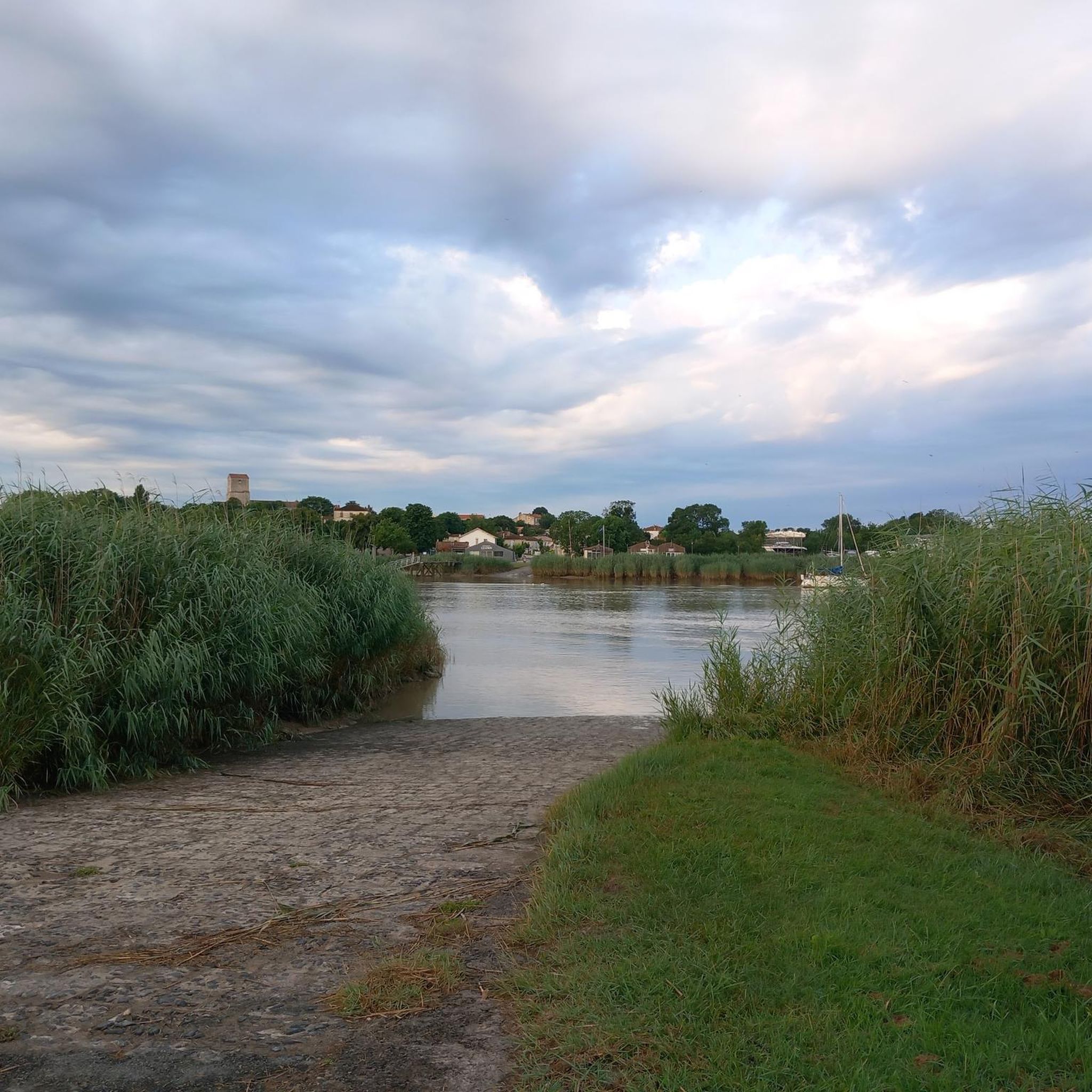
In this small town, you can admire the Saint-Pierre gate dating from the Middle Ages. Alongside the buildings that bear witness to the importance of the city over the centuries, Tonnay-Boutonne has remarkable natural spaces. The banks of the Boutonne are an invitation to walk and relax.
0
0
Frequently Asked Questions
What historical landmarks can I explore around Moragne?
The region around Moragne, in Charente-Maritime, France, is rich in history. You can visit the Tonnay-Charente Suspension Bridge, a historical structure with origins dating back to the Middle Ages, offering views of the village and the Château des Capucins. Another notable site is the Capuchin Castle in Tonnay-Charente, which has a long history as a convent and later a medical institute, though it's only visible from the outside. Further afield, the town of Saintes, about 28 km southeast, is known for its extensive old town and an ancient Roman amphitheater.
Are there any scenic viewpoints near Moragne?
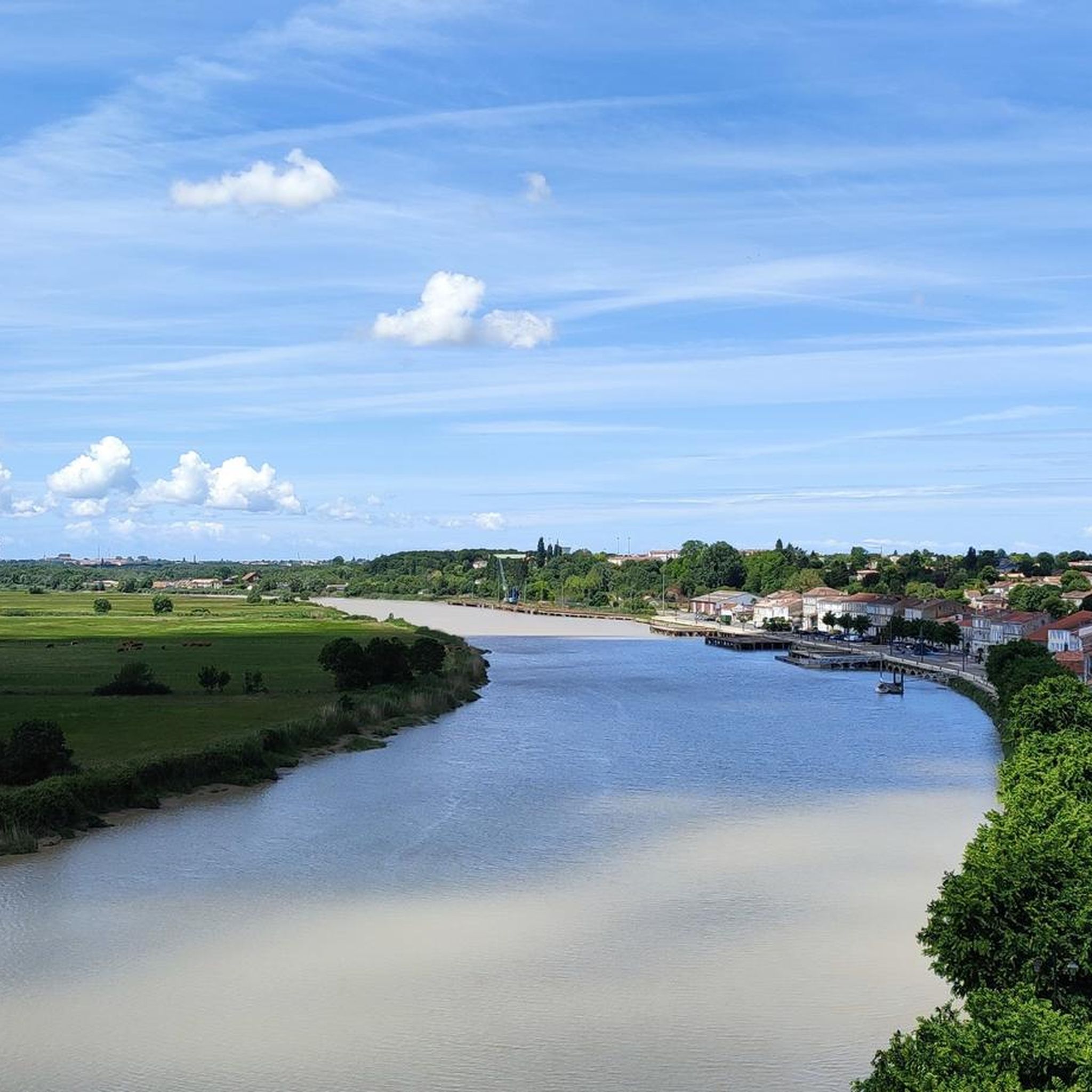
Yes, several spots offer picturesque views. The Tonnay-Charente Suspension Bridge provides a beautiful panorama of the village, the Château des Capucins, and the Charente river. Additionally, the Old railway bridge over the Charente offers charming views of the river, where you can observe the impressive current, especially during rising tides.
What kind of natural features can I expect to see around Moragne?
The Moragne area is characterized by its riverine landscapes, primarily centered around the Charente river. You'll find scenic riverbanks, marshlands, and green spaces. The region is also close to coastal areas like Fouras and Châtelaillon-Plage, offering long sandy beaches and seaside environments within a short drive.
Are there cycling paths suitable for families around Moragne?
Absolutely. The Canal de la Charente à la Seudre Greenway is an excellent option. It's part of La Vélodyssée, a long-distance cycle route, and this section is a dedicated 'Voie Verte' on an abandoned railway line, making it safe and enjoyable for families. Another family-friendly option is the Cycle Path along the Freussin Canal, which is a quiet route where you might spot storks and nutria.
What outdoor activities are popular near Moragne?
Cycling is very popular, with routes like the Canal de la Charente à la Seudre Greenway and the Cycle Path along the Freussin Canal. You can also explore the region on foot, with many easy walking trails available. For more structured outdoor adventures, consider exploring the various cycling and mountain biking routes listed in guides such as Cycling around Moragne and MTB Trails around Moragne.
Can I find mountain biking trails near Moragne?
Yes, there are several mountain biking opportunities. You can find routes like the 'New wine and hot chestnuts loop from Bords' or the 'Rochefort Transporter Bridge loop' in the MTB Trails around Moragne guide. For gravel biking, which offers a mix of terrains, check out the Gravel biking around Moragne guide, which includes routes through the Marais de Brouage.
Are there easy walking trails around Moragne?
While specific walking trails are not detailed in the highlights, the cycle paths like the Canal de la Charente à la Seudre Greenway and the Cycle Path along the Freussin Canal are generally flat and suitable for easy walks. The nearby towns and riverbanks also offer pleasant strolls. For more dedicated walking routes, you can explore the 'easy' rated tours in the Cycling around Moragne guide, which often include sections suitable for walking.
What is the best time of year to visit Moragne for outdoor activities?
The Charente-Maritime region generally enjoys a mild climate, making spring (April-June) and early autumn (September-October) ideal for outdoor activities. During these periods, the weather is typically pleasant for cycling, walking, and exploring historical sites without the peak summer heat or crowds.
What do visitors enjoy the most about Moragne and its surroundings?
Visitors particularly appreciate the historical bridges, such as the Tonnay-Charente Suspension Bridge, for their scenic views and rich history. The tranquil cycle paths, like the Canal de la Charente à la Seudre Greenway, are highly rated for their peaceful atmosphere and accessibility. The charming riverine landscapes and the opportunity to observe local wildlife also contribute to a positive visitor experience.
Are there any charming towns or villages to visit near Moragne?
Yes, the region boasts several charming towns. Rochefort, about 13 km away, is known for its markets. Saintes, 28 km southeast, offers a rich historical experience with its old town and Roman amphitheater. Mornac-sur-Seudre, recognized as a 'Most Beautiful Village,' is about 34 km southwest. Additionally, the fortified town of Brouage, 25 km west-southwest, is worth a visit for its substantial fortifications and citadel.
Are there any coastal attractions or beaches near Moragne?
While Moragne itself is inland, the Atlantic coast is within reasonable driving distance. You can visit Fouras, a seaside resort about 23 km west, known for its beaches. Châtelaillon-Plage, another seaside resort with a long sandy beach, is located approximately 25 km west-northwest.
What are some unique attractions or 'hidden gems' in the Moragne area?
Beyond the well-known bridges and cycle paths, exploring the smaller towns like Saint-Savinien (14 km away) or the island of Île-d'Aix (29 km west), known for exploration on foot or by bike, can offer a more unique experience. The quiet cycle path along the Freussin Canal, where you might spot storks and nutria, also feels like a peaceful discovery.
Most popular routes around Moragne

Get inspired with the komoot mobile app


Explore more
Still not found the Highlight you’re looking for? See guides of the top attractions in other regions:
