Attractions and Places To See around Crépy-En-Valois - Top 20
Best attractions and places to see around Crépy-En-Valois include a range of historical sites, cultural landmarks, and natural features within the Oise department of France. The town's historical center offers ancient streets and notable buildings, while the surrounding Pays de Valois provides diverse landscapes. This region is characterized by forests, rivers, and valleys, offering opportunities for outdoor exploration.
Best attractions and places to see around Crépy-En-Valois
- The most popular attractions is Saint-Jean-aux-Bois Abbey and Fortified Gate, a historical site…
Last updated: July 16, 2026
Saint-Jean-aux-Bois Abbey and Fortified Gate
Highlight • Historical Site
Translated by Google •
Tip by

The Gallo-Roman ruins of Champlieu
Highlight • Historical Site
Translated by Google •
Tip by

Sign up now to discover places like this
Get recommendations on the best single tracks, peaks, & plenty of other exciting outdoor places.
Sign up for free
Gallo-Roman Church of Champlieu
Highlight • Religious Site
Translated by Google •
Tip by

Douye Castle
Highlight • Historical Site
Translated by Google •
Tip by
Notre-Dame Abbey, Morienval
Highlight • Religious Site
Translated by Google •
Tip by
Sign up for free to discover even more attractions around Crépy-En-Valois.
Sign up for free
Already have an account?
Start today with a free account
Your next adventure awaits.
Login or Signup
Popular around Crépy-En-Valois
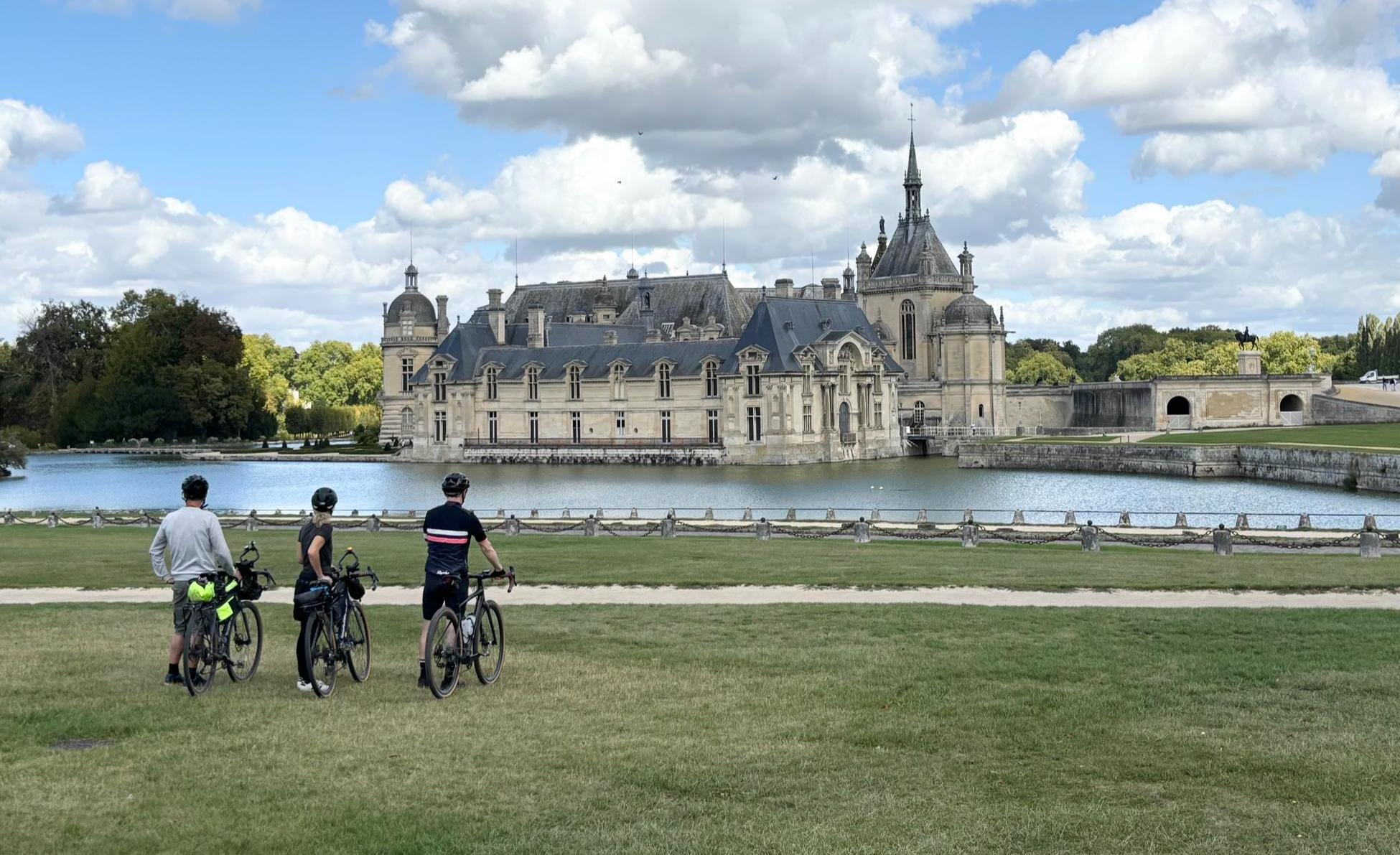
Oise Gravel Tour – station to station adventures within an hour of Paris
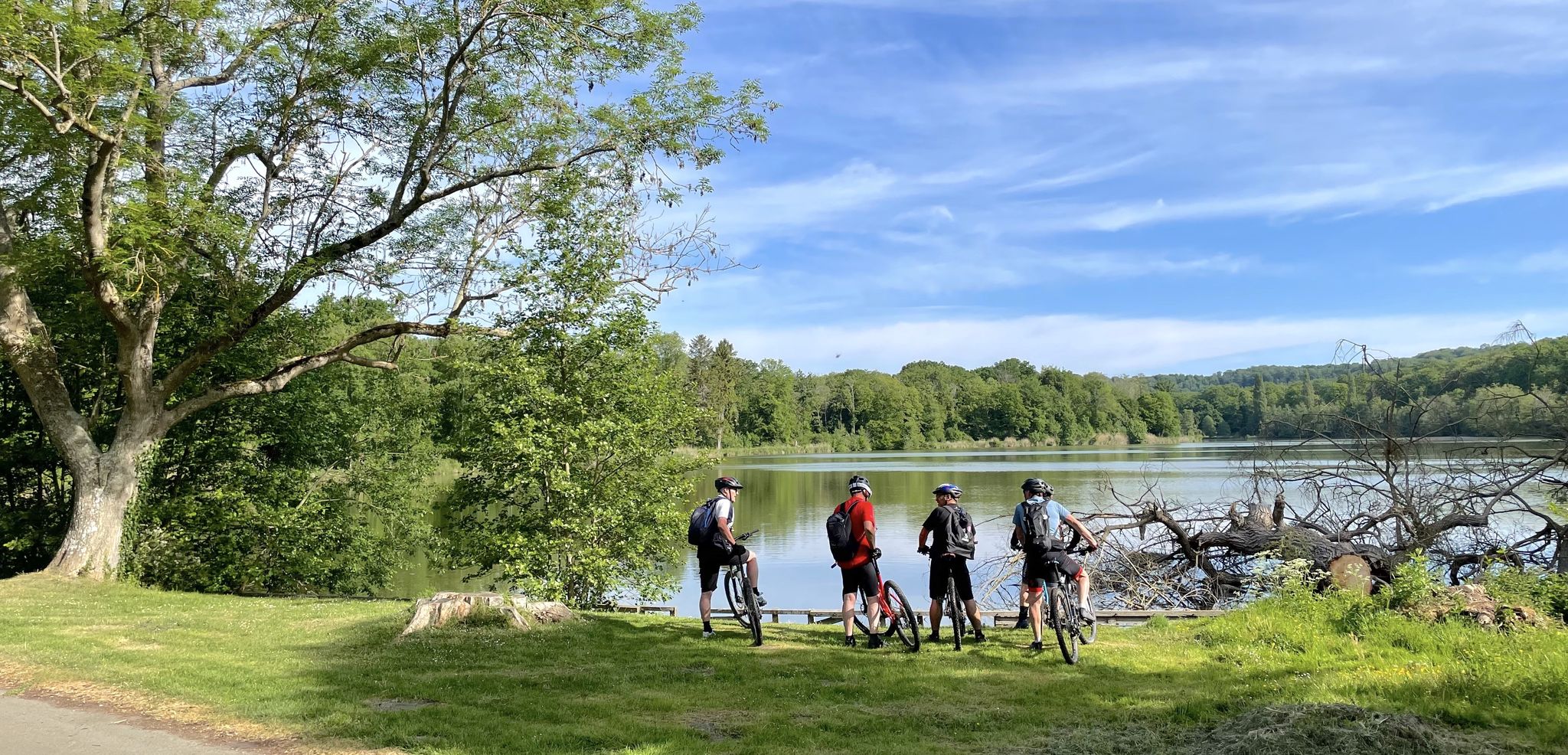
Micro-adventures in the Oise – gravel routes within an hour of Paris
Road Cycling Routes around Crépy-En-Valois
Running Trails around Crépy-En-Valois
MTB Trails around Crépy-En-Valois
Cycling around Crépy-En-Valois

Gravel biking around Crépy-En-Valois
Hiking around Crépy-En-Valois

Tips from the Community


Beautiful little village nestled in the heart of the forest. The inn at La Bonne Idée is a great place to eat and stay; I have never been disappointed, I recommend it.
0
0

This architectural ensemble included thermal baths, a performance building and a temple. To have !
0
0

The oldest building within the grounds of the Château de la Douye is what appears to be part of the “Grand Hôtel” built by King John II the Good in 1344 and partially destroyed during the 100 Years' War. John II liked Bethisy which he called his “desert”. He made numerous stays there. The Château de la Douye is more recent. It is described as a composite manor, made up of two buildings at right angles: one very simple, is from the 17th century; the other contains the chapel whose window with flamboyant tracery retains stained glass. At the intersection a 15th century staircase turret. The history of the castle is little known. The first owners seem to have been the Anthonis, lords of Douye. Around 1475, Gilles Anthonis, Lord of Douye, Baron and Vémars, was Notary and Secretary to King Louis XI and hereditary Gruyer of Béthisy, in the forest of Cuise. Subsequently, for example, it was the turn of Berthelemy (1570), Le Doux (1655) and Beaurain (1762). More recently, La Douye welcomed the Missionary Sisters of the Holy Spirit. Numerous works have now completely transformed the interiors. The stained glass window is also more modern. Around 1820 the arms of Charles VI and VII were visible on the turret and in the chapel. Charles VI, the beloved or the madman, king of France from 1380 to 1422. Charles VII, the victorious, king of France from 1422 to 1461.
0
0

The Château de la Douye in Béthisy-Saint-Pierre is a composite manor, formed by two buildings at right angles: one very simple, from the 17th century; the other contains the chapel with flamboyant windows and stained glass. At the intersection there is a 15th century stair turret. The Château de la Douye is surrounded by a large park and faces the two turrets that remain from the medieval castle of King John II the Good, who built the "Grand Hôtel" in 1344 and partially destroyed it during the Hundred Years' War. You can also admire the old mill on the Automne river, which crosses the territory of the commune.
2
0
Morienval Abbey is a former Benedictine abbey founded in the 9th century by Charles the Bald. The abbey is located in a peaceful valley near Crépy-en-Valois. You can admire the impressive Romanesque architecture of the abbey church, which has three towers, a transept and a unique pseudo-ambulatory. You can also explore the surrounding countryside, which offers panoramic views of fields and forests. Morienval Abbey is a place where you can enjoy the beauty and tranquility of nature, while discovering the rich heritage of this ancient monastic site.
2
0
The Gallo-Roman site of Champlieu is located on a plateau near the Compiègne forest. The site offers the ruins of a temple, a theater and a bathing establishment dating from the first centuries of the Roman Empire. You can explore the remains of these ancient buildings and imagine how they looked in their original splendor. You can also admire the medieval church of Champlieu, located nearby and built in the 11th and 12th centuries. The site is open all year round and has information panels and a digital tool to help you better understand its history. By browsing this site, you will immerse yourself in the past and the present and you will have a good sports session.
3
0
The Champlieu Chapel, also known as Notre-Dame-de-la-Nativite, is a Romanesque church that was built in the 11th and 12th centuries on the site of an ancient Gallo-Roman villa. The church is now in ruins, but you can still admire its elegant architecture and carved capitals. The church is surrounded by a peaceful forest and a cemetery, where there are ancient tombs and crosses. The Champlieu Chapel is a hidden treasure that offers insight into the medieval history of Picardy.
3
0
Frequently Asked Questions
What historical sites can I explore in Crépy-en-Valois?
Crépy-en-Valois is rich in history. You can wander through the Medieval Centre, admiring ancient streets and buildings like the Maison Saint-Joseph and Maison Corandon. Don't miss the Saint-Jean-aux-Bois Abbey and Fortified Gate, a village retaining its medieval charm with an old abbey and drawbridge. The Gallo-Roman ruins of Champlieu, located about 15 km south of Compiègne, offer insights into ancient Roman life with remains of a temple, theater, and bathing establishment.
Are there any natural parks or green spaces for relaxation?
Yes, Crépy-en-Valois offers several serene natural spaces. Parc de Géresme is a 20-hectare park perfect for walks, relaxation, and observing wildlife like nesting birds, red squirrels, and fallow deer. Parc Sainte-Agathe, located in the historical center, provides a pleasant break with old trees and a children's play area. You can also visit the Jardin du Château, a shared garden featuring fruit trees and insect hotels.
What cultural attractions are available in the area?
The Musée de l'Archerie et du Valois, housed in a historical building, showcases collections related to archery and sacred art from the Valois region. While currently closed for restoration, the Collégiale Saint-Thomas de Canterbury remains a significant historical monument with its impressive 50-meter-high bell tower.
What kind of outdoor activities can I do around Crépy-en-Valois?
The region offers diverse landscapes for outdoor enthusiasts. You can find numerous hiking and cycling paths through cultivated plateaus, valleys, and authentic villages. For specific routes, explore the MTB Trails around Crépy-En-Valois, Road Cycling Routes around Crépy-En-Valois, or Running Trails around Crépy-En-Valois.
Are there family-friendly attractions in Crépy-en-Valois?
Many attractions are suitable for families. The Saint-Jean-aux-Bois Abbey and Fortified Gate offers a charming medieval village to explore. The Gallo-Roman ruins of Champlieu provide an educational outdoor experience. Additionally, Parc de Géresme and Parc Sainte-Agathe both have open spaces and children's play areas for family enjoyment.
Where can I see historical architecture beyond the main town?
Beyond the town center, you can visit Douye Castle in Béthisy-Saint-Pierre, a manor with 17th and 15th-century elements, including a chapel with flamboyant windows. The Pondron Church, dating from the 12th and 13th centuries, combines Romanesque and Gothic elements and features carved stone heads and original stained glass.
What is the best time to visit Crépy-en-Valois for outdoor activities?
The region's diverse landscapes, including forests, rivers, and valleys, are enjoyable throughout much of the year. Spring and autumn offer pleasant temperatures for hiking and cycling, with beautiful foliage in the fall. Summer is ideal for enjoying the parks and longer daylight hours, though it can be warmer. Always check local weather forecasts before your visit.
Can I find any unique natural features or landscapes in the area?
Yes, the Automne Valley, part of the Pays de Valois, is characterized by its preserved biodiversity, forests, and the animating Automne river. This area provides picturesque landscapes for walks and enjoying nature. The Parc de Géresme also features ancient trees, including bald cypress and weeping beech, adding to the unique natural beauty.
Are there any specific places to observe wildlife?
Parc de Géresme is an excellent spot for wildlife observation. It is home to nesting birds, owls, red squirrels, foxes, grey herons, and frogs. The park also has enclosures with goats and fallow deer, offering opportunities to see animals up close in a natural setting.
What are some lesser-known historical gems to discover?
While the Collégiale Saint-Thomas de Canterbury is well-known, its current restoration status makes it a unique site to observe. The Porte de Paris, dating from 1788-1792, is another classified historical monument in Crépy-en-Valois, offering a glimpse into the town's later history. The ruins of the Gallo-Roman Church of Champlieu, built on an ancient villa, provide a fascinating blend of Roman and medieval history.
Where can I find information about local events or festivals?
Parc Sainte-Agathe often hosts local events, such as the 'Feux de la Saint-Jean' and the 'Fête médiévale des Cochons de Crépy.' For up-to-date information on events and activities, it is recommended to check the local tourism office's website, such as Oise Tourisme or Pays de Valois Tourisme.
Most popular routes around Crépy-En-Valois

Get inspired with the komoot mobile app


Explore more
Still not found the Highlight you’re looking for? See guides of the top attractions in other regions:
