Attractions and Places To See around Benais - Top 20
Attractions and places to see around Benais include historical landmarks, cultural sites, and natural features within the Indre-et-Loire department of France. This commune serves as a base for exploring the Loire Valley, offering access to châteaux, churches, and the Loire River. The area features a mix of medieval and Renaissance architecture, alongside vineyards and regional natural parks. Visitors can discover local heritage sites and enjoy outdoor activities in the surrounding landscape.
Best attractions and places to see around Benais
- The…
Last updated: August 2, 2026
Ussé Castle
Highlight • Castle
Accompanied by French gardens, …
Translated by Google •
Tip by

View of Ussé castle
Highlight • Castle
Translated by Google •
Tip by

Sign up now to discover places like this
Get recommendations on the best single tracks, peaks, & plenty of other exciting outdoor places.
Sign up for free
Church of Saint Mary Magdalene
Highlight • Other
Translated by Google •
Tip by
Château de Gizeux
Highlight • Castle
Translated by Google •
Tip by

Saint-Maurice Church of Huismes
Highlight • Religious Site
Translated by Google •
Tip by
Sign up for free to discover even more attractions around Benais.
Sign up for free
Already have an account?
Start today with a free account
Your next adventure awaits.
Login or Signup
Tips from the Community


The Château de Gizeux dates back to the Middle Ages and was remodeled over the centuries, particularly during the Renaissance and the 18th century. Located in the commune of Gizeux, within the Loire-Anjou-Touraine Regional Natural Park, on the borders of the former province of Anjou, it is one of the Loire Valley châteaux. Its façades stretch over 250 meters, making it the longest château in the Angevin region of Touraine.
0
0

Bréhémont, a former annex of the parish church of Rivarennes, only became a parish in 1789. The church was built in 1843 in the neo-Gothic style. Three years later, five stained glass windows for the choir and the side chapels (bays 0, 1, 2, 3, 4) were ordered by the Parisian Émile Laurent, who had ties with Auguste Galimard and who had designed the plans. Source: https://patrimoine.centre-valdeloire.fr/gertrude-diffusion/dossier/IM37003094
6
0
On the horizon, when the weather is clear, you can see the silhouette of the Château de Ussé. This fairytale castle has a magical appearance that overlooks the Indre and the Loire. It is so beautiful that it inspired Charles Perrault for his Sleeping Beauty. Triggered? Drive there and you will end up in a fairytale world. Young and old, immerse yourself in castle life and the scenes from this fairytale come to life before your eyes. Follow in the footsteps of Vauban, Perrault, Chateaubriand, Le Nôtre and the Blacas family, who still live in this illustrious castle in the Loire Valley.
5
0
Here you are in front of the 'Sleeping Beauty Castle'. Once upon a time there was a castle with a magical aura, overlooking the Indre and the Loire… so beautiful that it inspired Charles Perrault to write his Sleeping Beauty. Young and old, immerse yourself in castle life and the scenes from this fairy tale come to life before your eyes. Follow in the footsteps of Vauban, Perrault, Chateaubriand, Le Nôtre and the Blacas family, who still live in this illustrious castle in the Loire Valley.
5
0
Once upon a time, there was a castle with a magical aura, overlooking the Indre and the Loire… so beautiful that it inspired Charles Perrault to write Sleeping Beauty. Young and old, immerse yourself in castle life and the scenes from this fairy tale come to life before your eyes. Follow in the footsteps of Vauban, Perrault, Chateaubriand, Le Nôtre and the Blacas family, who still live in this illustrious castle in the Loire Valley. PREPARE YOUR VISIT: 2025 From 15 February to 31 March: 10am – 6pm. From 1 April to 30 September: 10am – 7pm. From 1 October to 11 November: 10am – 6pm. Prices: Adult (+ 16 years): € 14.50 Child from 8 to 16 years: € 7.50 Child (under 8 years): Free
5
0
The parish church of Saint-Maurice and the covered passage connecting it to the residence known as the Deanery and the garden of the former presbytery, located on the site known as Le Bourg. Historical description A 12th-century building whose nave was restored in the 19th century and an aisle was added. The west façade is distinguished by the fact that it is connected by a 16th-century covered gallery, which spans the street, to a former manor house opposite, known as the Doyenné. The bell tower consists of a powerful square tower, flanked on the north side by a staircase turret, which is pierced in the floor of the bell tower by two pointed arch bays with double archivolts. This tower rises above the bay forming the choir and is supported by pointed arch arcades, formed by concentric arches of rectangular cross-section, which frame a square bay with ribbed vaults. The capitals are decorated with foliage, hooks, signs or fantastic animals. Source: https://pop.culture.gouv.fr/notice/merimee/PA00097778
2
0
The parish church of Saint-Maurice and the covered passage connecting it to the residence known as the Deanery and the garden of the former presbytery, located on the site known as Le Bourg. Historical description A 12th-century building whose nave was restored in the 19th century and an aisle was added. The west façade is distinguished by the fact that it is connected by a 16th-century covered gallery, which spans the street, to a former manor house opposite, known as the Doyenné. The bell tower consists of a powerful square tower, flanked on the north side by a staircase turret, which is pierced in the floor of the bell tower by two pointed arch bays with double archivolts. This tower rises above the bay forming the choir and is supported by pointed arch arcades, formed by concentric arches of rectangular cross-section, which frame a square bay with ribbed vaults. The capitals are decorated with foliage, hooks, signs or fantastic animals. Source: https://pop.culture.gouv.fr/notice/merimee/PA00097778
6
0
Frequently Asked Questions
What historical landmarks can I visit near Benais?
The region around Benais is rich in history, particularly known for its châteaux. You can explore the fairytale-like Ussé Castle, which inspired "Sleeping Beauty," or the medieval and Renaissance-remodeled Château de Gizeux. Other significant historical sites within a short drive include the impressive Château de Chinon, Fontevraud Abbey with its royal tombs, Château d'Azay-le-Rideau, Château de Langeais, Château de Villandry, and Château de Saumur. While the 13th-century Château de Benais is a local landmark, it is currently closed to visitors.
Are there any notable religious or cultural sites in Benais or nearby?
Yes, Benais and its surroundings offer several cultural and religious sites. In Benais itself, you can find the Church Saint-Germain with its vaulted Angevin altar, the 18th-century Chapel Reposoir, and the 15th-century Prieuré de Saint Gilles. Nearby, visit the Neo-Gothic Church of Saint Mary Magdalene in Bréhémont, or the 12th-century Saint-Maurice Church of Huismes, known for its covered gallery. The Collegiate Church in Candes-Saint-Martin, one of France's "most beautiful villages," is also a significant religious monument.
What natural attractions are there around Benais?
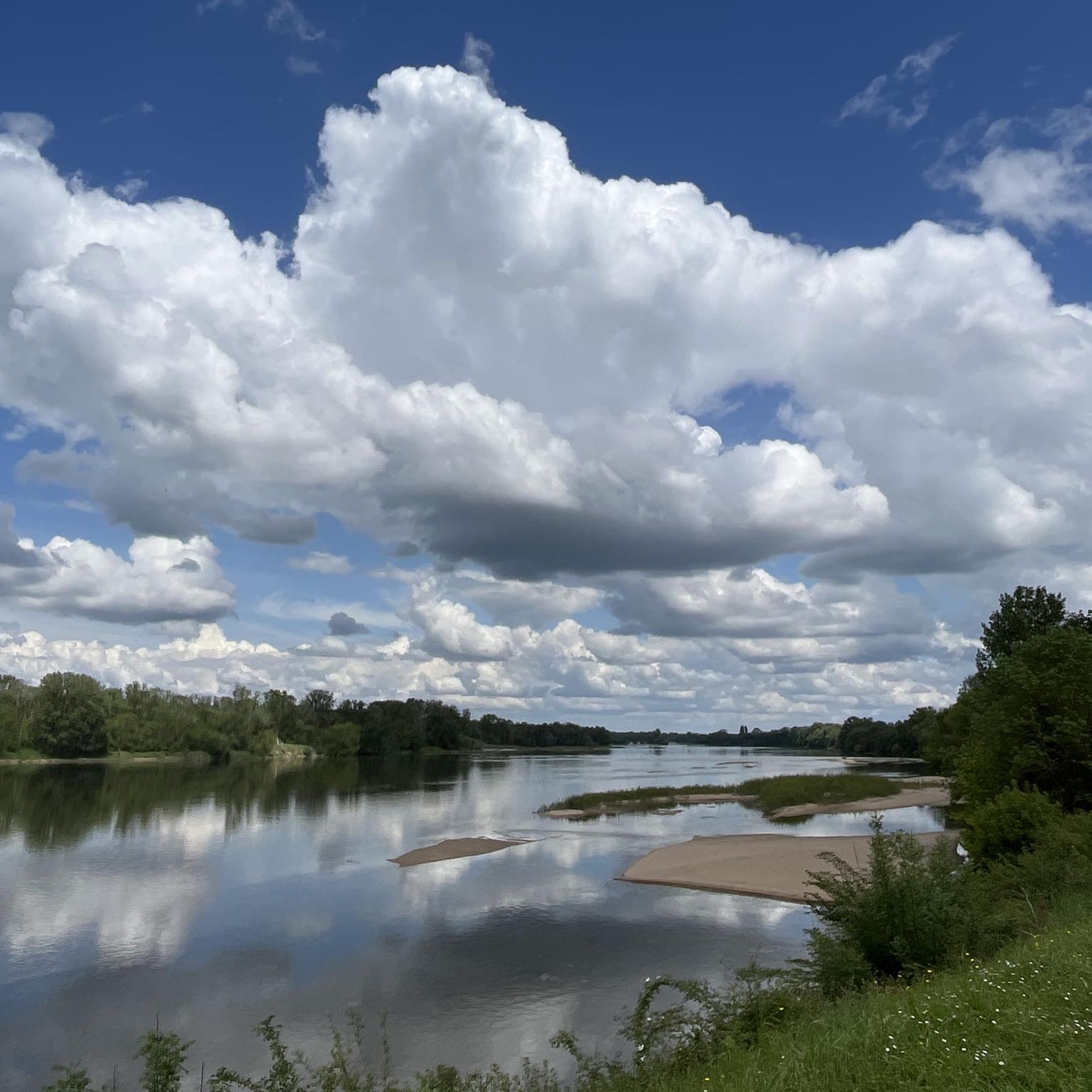
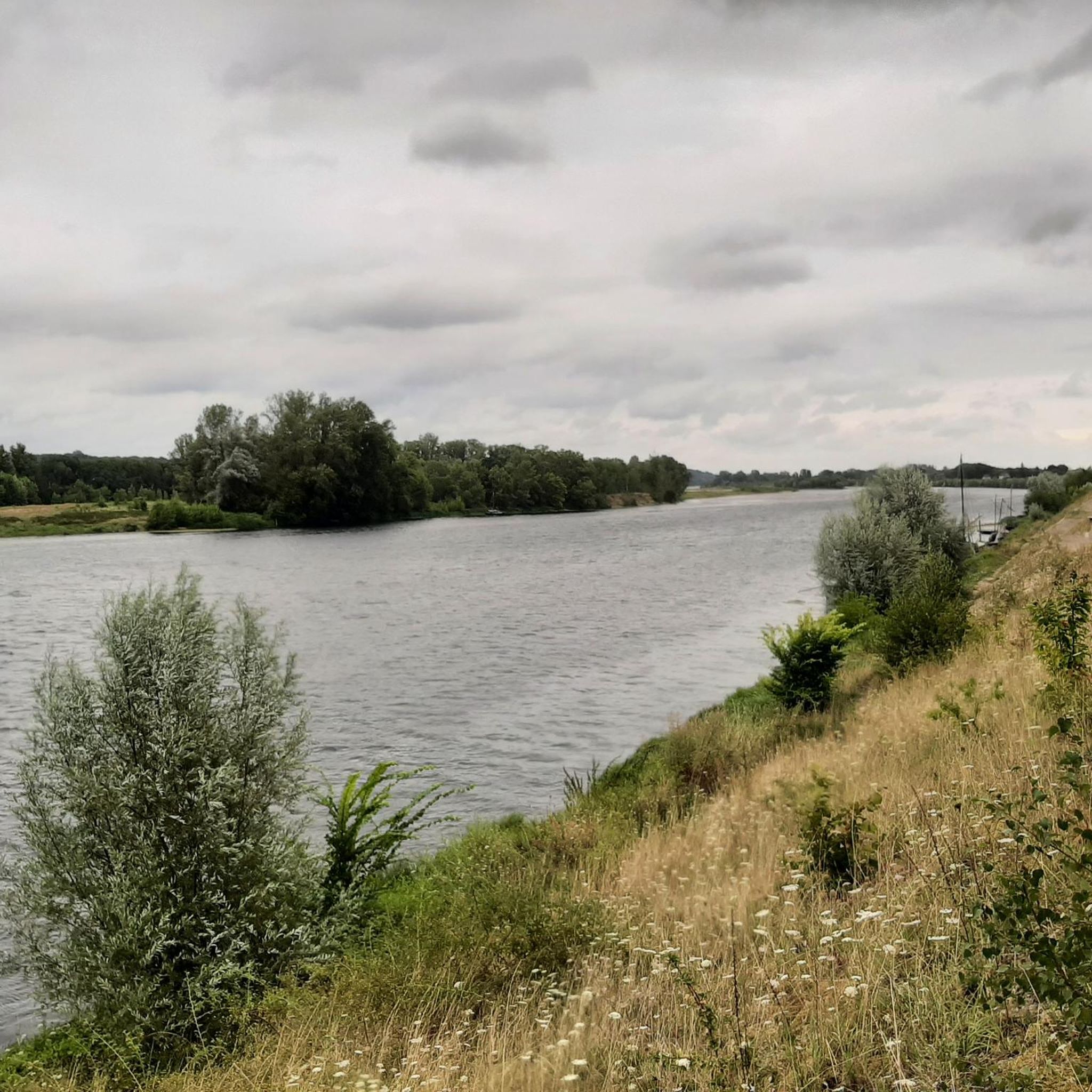
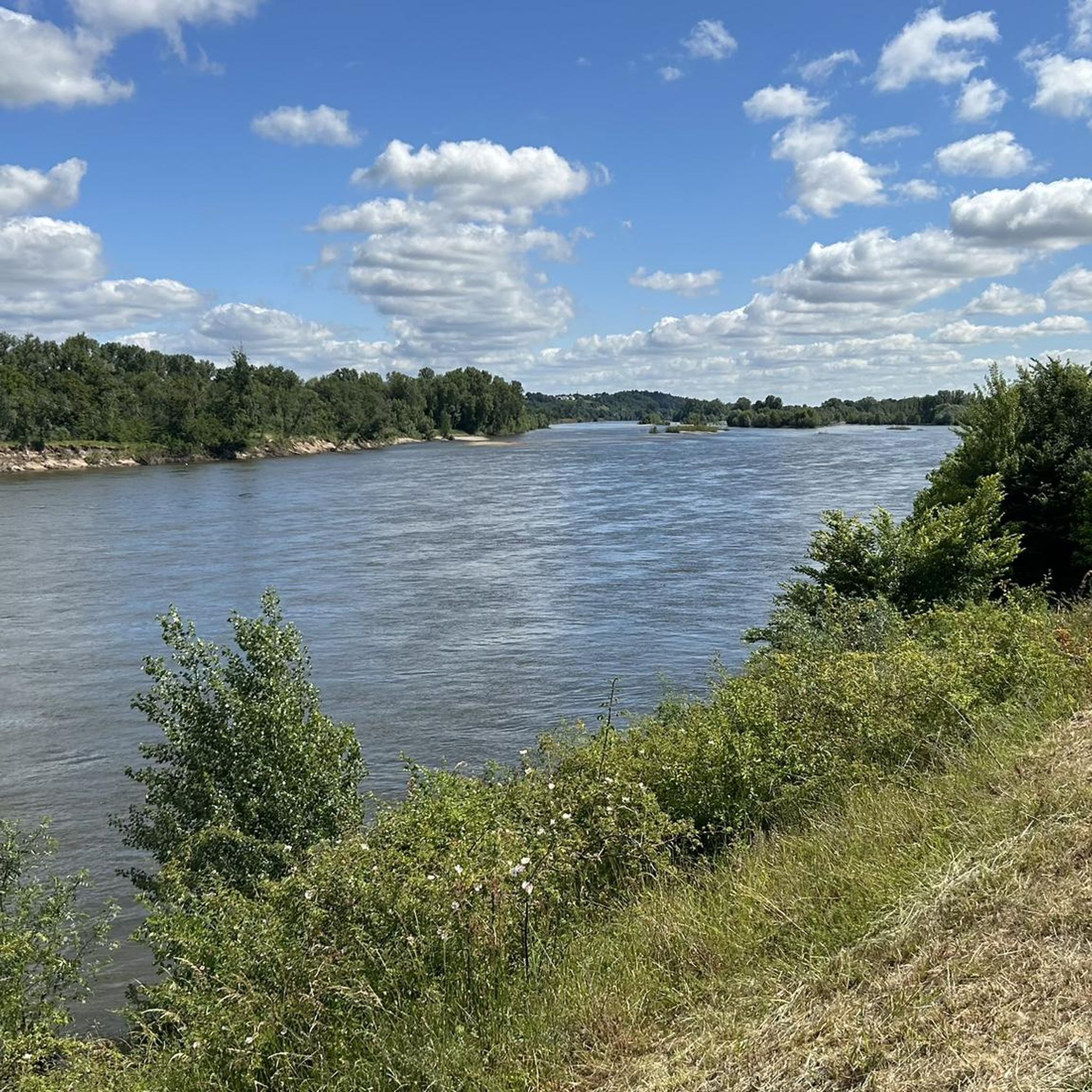
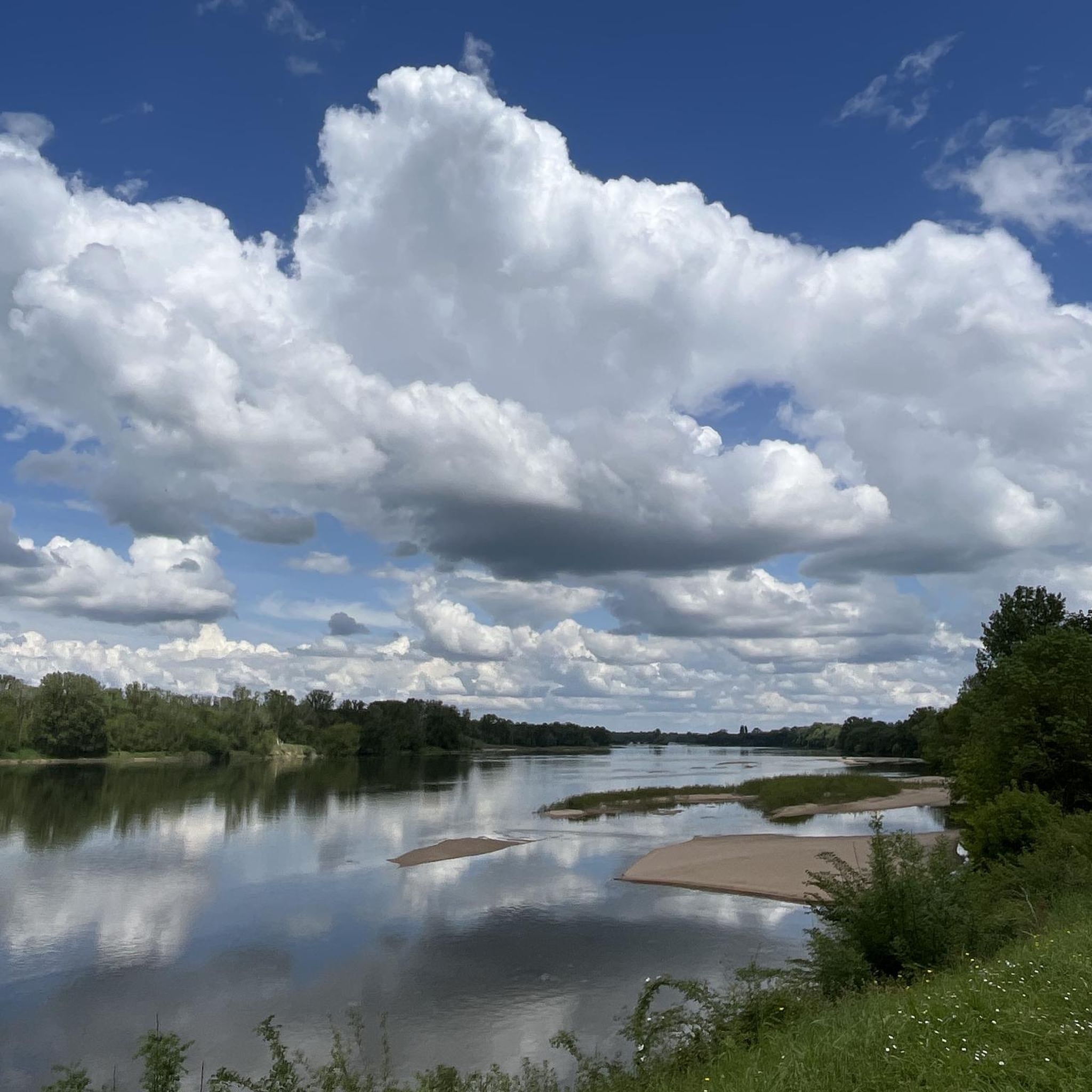
Benais is surrounded by natural beauty. The local Forest of Benais offers opportunities for hiking and enjoying nature. The majestic Loire River, approximately 7.6 km away, is perfect for scenic views and activities like cycling along the "Loire à Vélo" trail. The area is also part of the Parc naturel régional Loire-Anjou-Touraine, a diverse landscape encompassing the Loire Valley. You can also discover a hidden Vineyard Lodge within the Benais vineyard via an interpretive trail.
What outdoor activities can I do near Benais?
The Benais area is excellent for outdoor enthusiasts. You can find numerous cycling routes, including road cycling and mountain biking. For MTB, explore routes like "Through the vineyards" or tours to Montsoreau Castle and Gizeux Castle, with options ranging from moderate to challenging. Road cyclists can enjoy scenic rides such as the "Route de l'île au than" or routes with views of Candes Saint Martin. For more details on routes, check out the MTB Trails around Benais, Road Cycling Routes around Benais, and Cycling around Benais guides.
Are there family-friendly attractions around Benais?
Absolutely! Ussé Castle is particularly family-friendly, known as the "Sleeping Beauty Castle," where children can immerse themselves in the fairy tale. Many châteaux in the Loire Valley offer activities and events suitable for families. The natural areas like the Forest of Benais and cycling along the Loire River also provide great outdoor experiences for all ages.
What is the best time to visit Benais and its attractions?
The Loire Valley, including Benais, is generally best visited from spring to early autumn (April to October) when the weather is pleasant for exploring châteaux, gardens, and outdoor activities like cycling. Many attractions, such as Ussé Castle, are open year-round, but the full beauty of the gardens and vineyards is best appreciated during the warmer months. Specific opening hours for attractions like Ussé Castle vary by season, so it's advisable to check their schedules before your visit.
Can I find places to enjoy local wine or oenological discoveries near Benais?
Yes, the Benais area is part of a renowned wine region. Château de Gizeux, for example, offers oenological discoveries as part of its activities. The region's vineyards also feature interpretive trails, such as the one leading to the Vineyard Lodge in Benais, allowing visitors to learn about local wine production and heritage.
What do visitors enjoy most about the attractions around Benais?
Visitors particularly appreciate the blend of historical grandeur and natural beauty. The châteaux, like Ussé Castle, are praised for their stunning architecture and rich history. The serene landscapes, especially along the Loire River and within the regional natural park, are highly valued for outdoor activities and relaxation. The komoot community has shared over 350 photos and given more than 580 upvotes to the attractions in the area, highlighting their appeal.
Are there any unique or hidden gems to discover in Benais?
Beyond the major châteaux, Benais holds its own charm. You can discover the 16th-century tufa Manoir de l'Argenterie or the small, heritage Vineyard Lodge hidden within the Benais vineyard, accessible via an interpretive trail. The nearby village of Bréhémont, a highlight in itself, offers a picturesque setting along the Loire with its unique history related to hemp cultivation and river trade, and its "disoriented" Church of Saint Mary Magdalene.
Are there any accessible walks or trails near Benais?
While specific details on fully accessible trails are not extensively provided, the general terrain around Benais and along the Loire River is relatively flat, offering easier walking and cycling opportunities. The "Loire à Vélo" trail, for instance, is known for its gentle gradients, making it suitable for a wider range of abilities. Exploring the local Forest of Benais or the interpretive trail to the Vineyard Lodge might also offer accessible sections, though it's always recommended to check local conditions.
Can I find dog-friendly trails or attractions in the Benais area?
Many natural areas around Benais, such as the Forest of Benais and trails along the Loire River, are generally dog-friendly, provided dogs are kept on a leash and owners clean up after them. While specific châteaux may have restrictions, their grounds or surrounding parks often welcome well-behaved dogs. It's always best to check individual attraction policies beforehand.
Where can I find charming villages or towns near Benais to visit?
Several charming villages and towns are easily accessible from Benais. Candes-Saint-Martin, located about 14 km away, is officially recognized as one of France's "most beautiful villages" and features a notable Collegiate Church. The nearby village of Bréhémont, a highlight in itself, offers a picturesque setting along the Loire River with cozy terraces and a rich history related to river trade. These villages provide a glimpse into local life and heritage.
Most popular attractions around Benais

Get inspired with the komoot mobile app


Explore more
Still not found the Highlight you’re looking for? See guides of the top attractions in other regions:
