The best walks and hikes around Saint-Bauzile
4.6
(497)
2,878
hikers
17
hikes
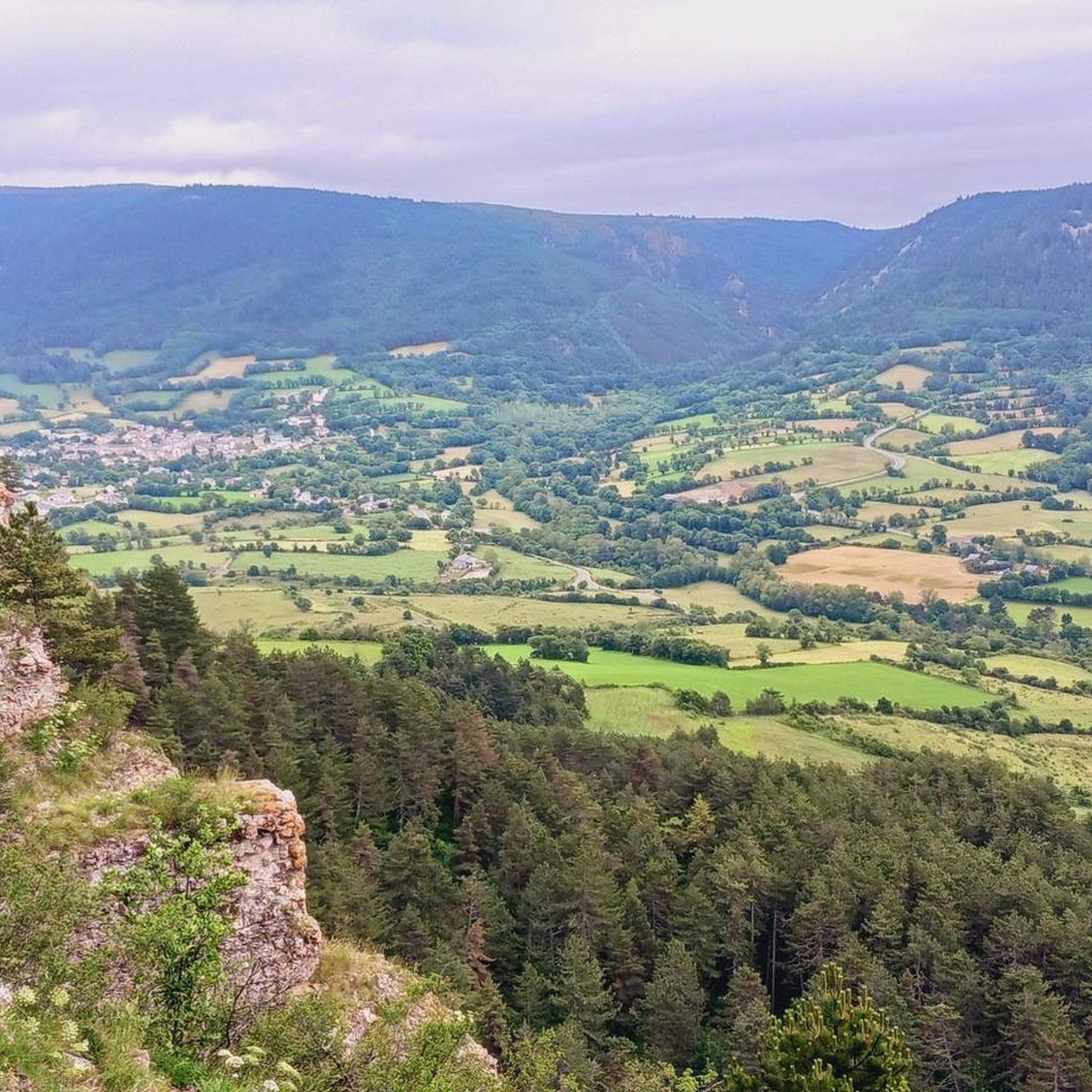
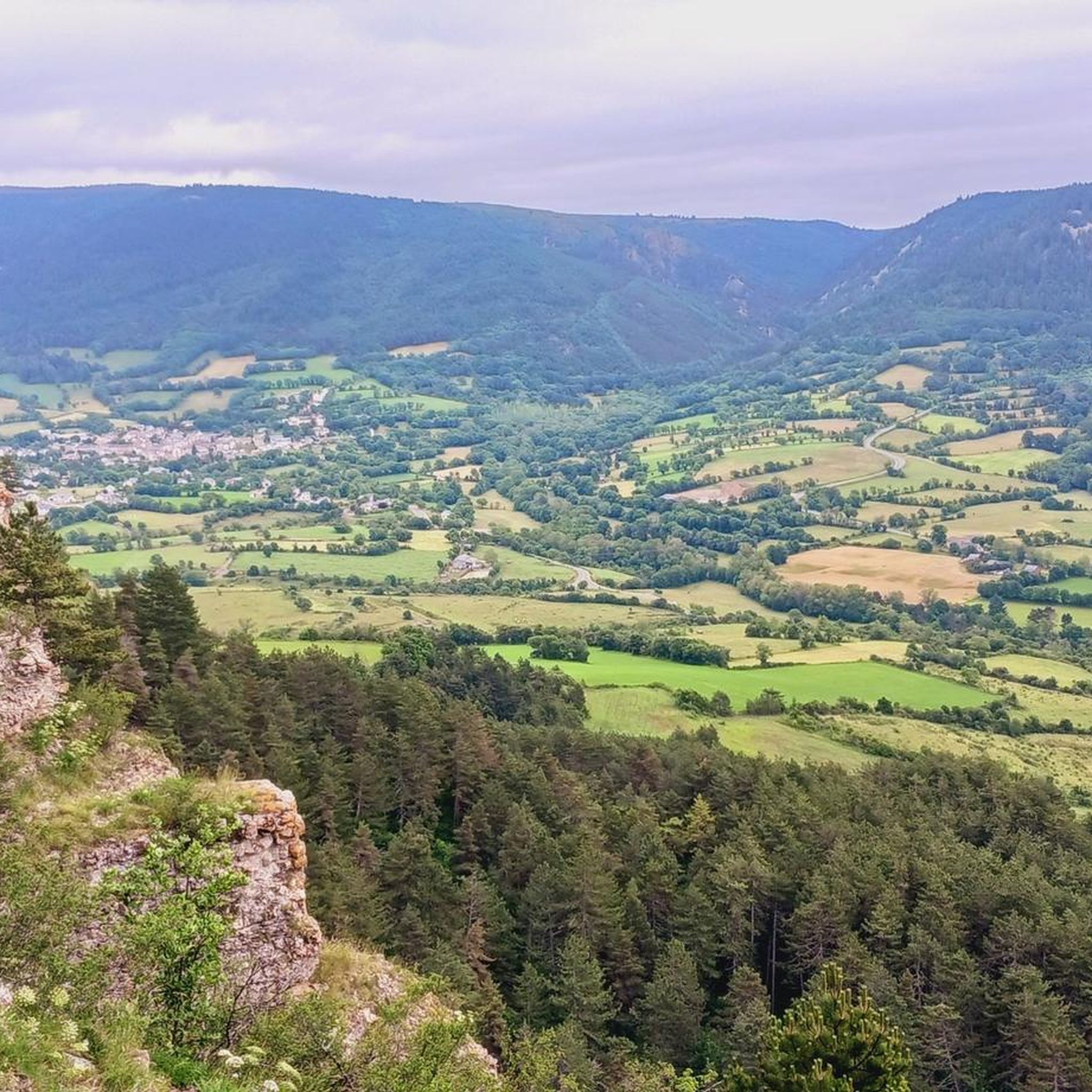
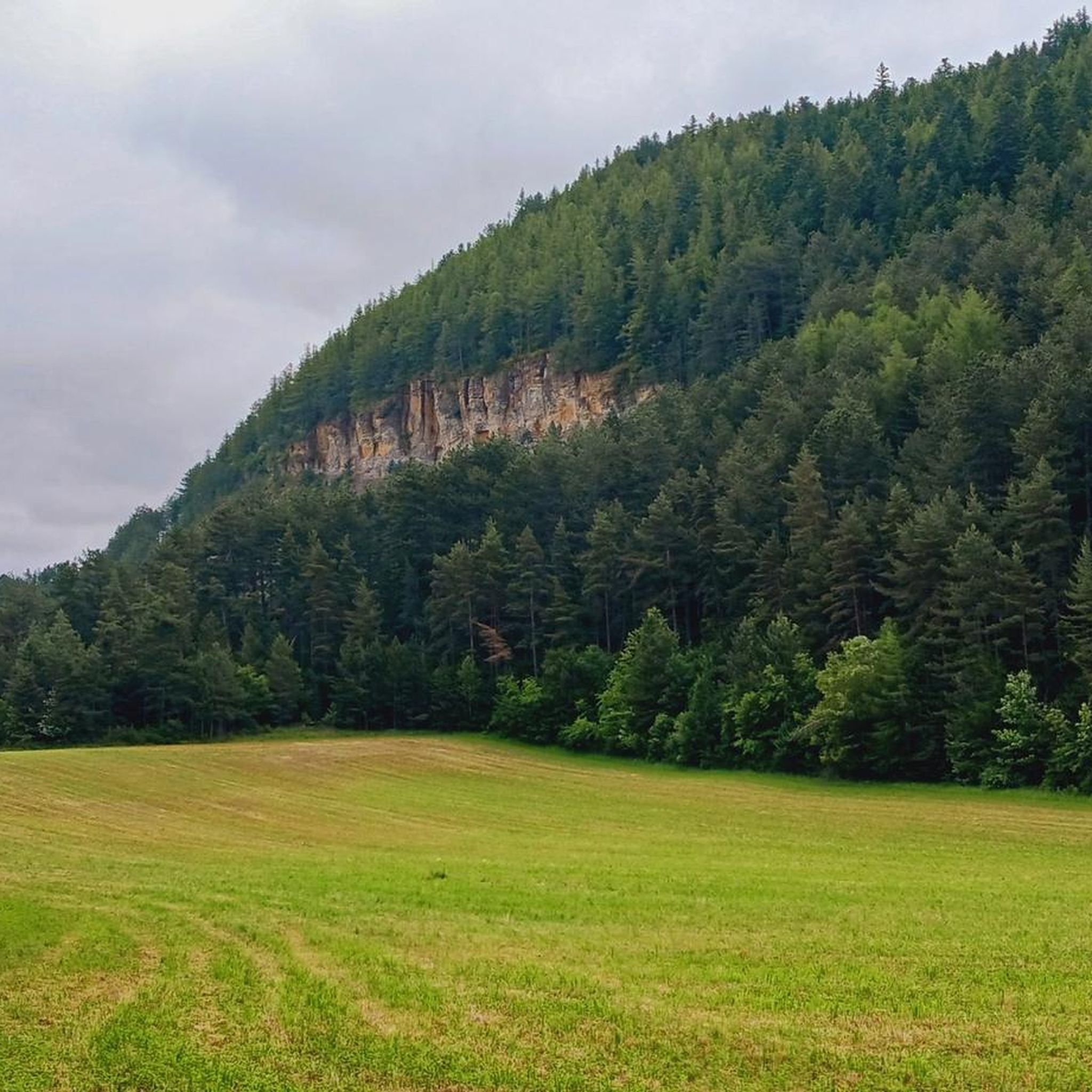
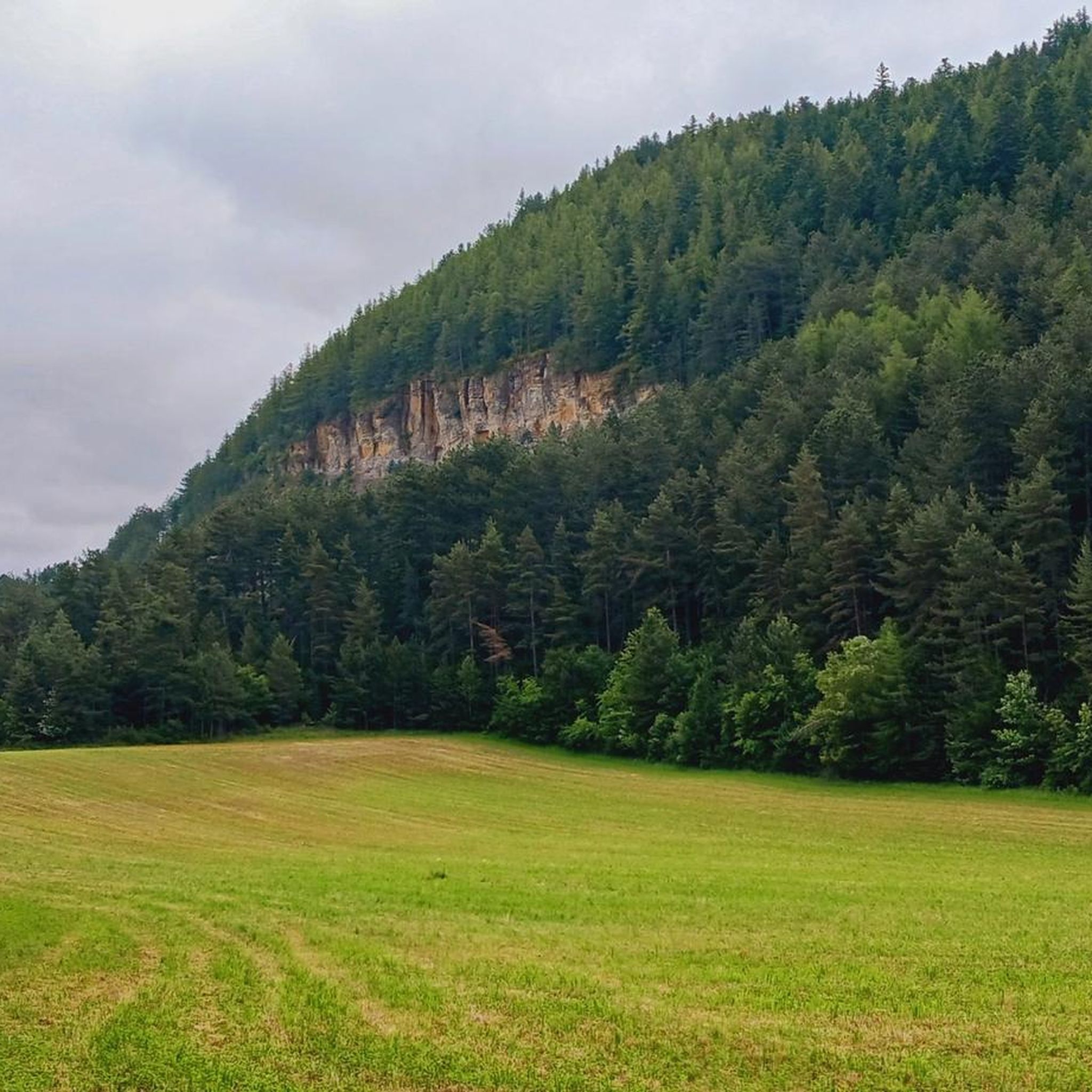
Hiking around Saint-Bauzile offers routes through varied landscapes, including historical sites and limestone plateaus. The region features a mix of open terrain and areas with historical remnants, providing diverse hiking experiences. Trails often traverse the "Causse" areas, characterized by their unique geological formations. The network of paths caters to different preferences, from easier walks to more moderate excursions.
Best hiking trails around Saint-Bauzile
- The most popular hiking route is Village Mort de La Chaumette – Village mort La Chaumette loop from Mende, a 4.8 miles (7.7 km) trail that takes 2 hours 4 minutes to complete, passing through historical village ruins.
- Another top favourite among local hikers is Château de Montialoux loop from Saint-Bauzile, an easy 3.3 miles (5.3 km) path offering views of the historic castle.
- Local hikers also love the Village Mort de La Chaumette – Causse Mende playground loop from Mende, a 5.7 miles (9.1 km) trail leading through limestone plateau scenery, often completed in about 2 hours 33 minutes.
- Hiking around Saint-Bauzile is defined by historical sites, limestone plateaus, and varied open terrain. The network offers options for different ability levels, with 10 easy and 7 moderate routes available.
- The routes in Saint-Bauzile are highly rated by the komoot community with an average score of 4.6 stars from over 480 reviews. More than 2800 hikers have used komoot to explore Saint-Bauzile's varied terrain.
Last updated: May 12, 2026
5.0
(3)
30
hikers
7.72km
02:05
100m
100m
Moderate hike. Good fitness required. Easily-accessible paths. Suitable for all skill levels.
4.8
(4)
15
hikers
5.33km
01:37
160m
160m
Easy hike. Great for any fitness level. Easily-accessible paths. Suitable for all skill levels.

Sign up for free
4.0
(1)
7
hikers
9.15km
02:34
180m
180m
Moderate hike. Good fitness required. Easily-accessible paths. Suitable for all skill levels.
3
hikers
6.14km
01:41
100m
100m
Easy hike. Great for any fitness level. Easily-accessible paths. Suitable for all skill levels.
5.0
(2)
3
hikers
4.81km
01:17
60m
60m
Easy hike. Great for any fitness level. Easily-accessible paths. Suitable for all skill levels.
Get access to more routes and recommendations from other explorers.
Sign up for free
Already have an account?
Our route recommendations are based on thousands of hikes, rides, and runs completed by other people on komoot.
Start today with a free account
Your next adventure awaits.
Login or Signup

Tips from the Community


Great playground for slightly older children
0
0

View of Mende from the urban path V.
1
0

Spicy climb to Croix du Mont Mimet, beautiful viewpoint over Mende
1
0

Here is a hamlet very representative of the villages that you can discover in the Cévennes. The houses are all built with local stones.
0
0

On the Causse de Mende, above the town, there are two villages which were sold to the State by their last inhabitants in 1905: Gerbal and La Chaumette. At this date, there remains an inhabitant in Gerbal and a family in La Chaumette. We are far from the fifteen families who lived here at the beginning of the 19th century. These villages lived off the breeding of sheep and the cultivation of wheat. But from the 16th century, the demand for wool exploded in Europe. The herds are growing, which leads to the deforestation of more and more areas and the exhaustion of land. It is therefore depleted and leached land which is ceded to the State, which establishes the current forest there. Of these villages there remain the ruins of the dwellings, with the exception of a Chaumette complex restored by the ONF in the 1960s. These houses, entirely in limestone, are models of the Caussenard habitat. The main building has two levels, ground floor housing and the floor dedicated to storage, is accompanied by a sheepfold surmounted by its barn. All of these constructions are made of stone, there is no wood of sufficient quality and size or at too high a cost. There were only two villages because there are only two sources of water, which had to supplement several cisterns and lavognes (artificial pond to water the cattle).
2
0
On the Causse de Mende, above the town, there are two villages which were sold to the State by their last inhabitants in 1905: Gerbal and La Chaumette. At this date, there remains an inhabitant in Gerbal and a family in La Chaumette. We are far from the fifteen families who lived here at the beginning of the 19th century. These villages lived off the breeding of sheep and the cultivation of wheat. But from the 16th century, the demand for wool exploded in Europe. The herds are growing, which leads to the deforestation of more and more areas and the exhaustion of land. It is therefore depleted and leached land which is ceded to the State, which establishes the current forest there. Of these villages there remain the ruins of the dwellings, with the exception of a Chaumette complex restored by the ONF in the 1960s. These houses, entirely in limestone, are models of the Caussenard habitat. The main building has two levels, ground floor housing and the floor dedicated to storage, is accompanied by a sheepfold surmounted by its barn. All of these constructions are made of stone, there is no wood of sufficient quality and size or at too high a cost. There were only two villages because there are only two sources of water, which had to supplement several cisterns and lavognes (artificial pond to water the cattle).
0
0
Frequently Asked Questions
How many hiking trails are there around Saint-Bauzile?
There are over 15 hiking routes available around Saint-Bauzile, offering a variety of experiences. The network includes 10 easy and 7 moderate trails, ensuring options for different fitness levels.
Are there easy hiking trails suitable for beginners or families?
Yes, Saint-Bauzile offers several easy trails perfect for beginners or families. An example is the Château de Montialoux loop from Saint-Bauzile, which is 3.3 miles (5.3 km) long and offers views of the historic castle.
What is the typical length and duration of hikes in Saint-Bauzile?
Hikes in Saint-Bauzile vary in length, with many popular routes ranging from 3 to 6 miles (5 to 9 km). These can typically be completed in 1.5 to 3 hours, depending on your pace and the specific trail. For instance, the Causse Mende playground loop from Mende is 3.8 miles (6.1 km) and takes about 2 hours.
Are there any challenging hikes for more experienced hikers?
While there are no 'difficult' graded routes, Saint-Bauzile offers 7 moderate trails that provide a good challenge. The Village Mort de La Chaumette – Village mort La Chaumette loop from Mende is a moderate 4.8 miles (7.7 km) trail that takes around 2 hours to complete, passing through historical village ruins.
What kind of landscapes and sights can I expect to see on the trails?
Hiking around Saint-Bauzile offers diverse landscapes, including historical sites, limestone plateaus, and varied open terrain. You can explore areas characterized by unique geological formations known as "Causse" areas. Trails often feature remnants of historical villages and offer scenic views of the surrounding Lozère region.
Are there circular hiking routes available in Saint-Bauzile?
Yes, many of the hiking routes around Saint-Bauzile are circular, allowing you to start and end at the same point. Examples include the Château de Montialoux loop from Saint-Bauzile and the Le Falisson – menhir loop from Le Falisson.
What are some interesting landmarks or attractions near the hiking trails?
The region boasts several interesting landmarks. You can visit the historical Village Mort de La Chaumette, explore the Lanuéjols Roman Mausoleum, or discover the Mende Old Town and Cathedral Notre-Dame-et-Saint-Privat. For natural wonders, the stunning Gorges du Tarn are also nearby.
When is the best time of year to go hiking in Saint-Bauzile?
The best times for hiking in Saint-Bauzile are generally spring (April to June) and autumn (September to October). During these seasons, the weather is typically mild and pleasant, and the landscapes are vibrant. Summer can be hot, especially in July and August, while winter hiking is possible but requires appropriate gear for colder conditions.
Can I bring my dog on the hiking trails?
Many trails in the region are suitable for dogs, but it's always recommended to keep your dog on a leash, especially in agricultural areas, near livestock, or in nature reserves. Please ensure you clean up after your pet to maintain the natural beauty of the trails.
What do other hikers enjoy most about hiking in Saint-Bauzile?
The hiking experiences in Saint-Bauzile are highly rated by the komoot community, with an average score of 4.6 stars from over 480 reviews. Hikers often praise the varied terrain, the historical sites encountered along the way, and the peaceful atmosphere of the limestone plateaus. Over 2800 hikers have used komoot to explore the area.
Are there any less crowded hiking options for a more tranquil experience?
For a more tranquil experience, consider exploring some of the lesser-known trails or visiting during off-peak hours. While specific 'less crowded' routes aren't explicitly designated, the region offers many paths through its varied terrain, allowing for peaceful walks away from busier spots. The Le Falisson – menhir loop from Le Falisson offers a serene experience through natural landscapes.
What should I wear or bring for hiking in Saint-Bauzile?
For hiking in Saint-Bauzile, it's advisable to wear comfortable hiking shoes suitable for varied terrain, including rocky paths on the Causse. Layered clothing is recommended as temperatures can change. Always bring sufficient water, especially during warmer months, sun protection, and a map or GPS device. Depending on the season, a light rain jacket might also be useful.
Most popular routes around Saint-Bauzile
Most popular attractions around Saint-Bauzile

Get inspired with the komoot mobile app


Explore more
Browse the best Hikes in other regions.
