Attractions and Places To See around Curtil-Sous-Buffières - Top 20
Best attractions and places to see around Curtil-Sous-Buffières, a small commune in the Saône-et-Loire department of Burgundy, France, serve as a gateway to a variety of regional points of interest. The area offers historical landmarks, natural features, and cultural experiences within a short distance. Visitors can explore a rich heritage that includes significant abbeys, castles, and scenic viewpoints.
Best attractions and places to see around Curtil-Sous-Buffières
- The most popular attractions is Cluny, a settlement known for its Benedictine monastery.…
Last updated: May 9, 2026
Cluny
Highlight • Settlement
Translated by Google •
Tip by

Tunnel du bois clair
Highlight • Other
Translated by Google •
Tip by

Sign up now to discover places like this
Get recommendations on the best single tracks, peaks, & plenty of other exciting outdoor places.
Sign up for free
Cluny Abbey
Highlight • Historical Site
Translated by Google •
Tip by

Bois clair tunnel
Highlight (Segment) • Other
Translated by Google •
Tip by

Cluny
Highlight • Other
Translated by Google •
Tip by
Sign up for free to discover even more attractions around Curtil-Sous-Buffières.
Sign up for free
Already have an account?
Start today with a free account
Your next adventure awaits.
Login or Signup
Tips from the Community

In the Middle Ages, the abbey was one of the most influential spiritual and cultural centers in Europe. Cluny was the mother house of the Cluniac Reform and headed a federation of over 1,200 monasteries. The third abbey church (Cluny was the largest church in the Christian world until the construction of St. Peter's Basilica in Rome). Of the once-mighty complex, only parts of the southern transept remain today, as the abbey was largely used as a quarry and demolished after the French Revolution.
0
0

The town of Cluny developed around the Benedictine monastery (Abbey of Cluny) founded in 910. The abbey was the origin and center of the Cluniac reform at the beginning of the 10th century. Cluny reached its peak membership at the beginning of the 12th century with about 400 monks. The last abbey church (Cluny 3) was the world's largest Romanesque basilica and, until the construction of the present-day St. Peter's Basilica in Rome, the largest church in Christendom. The church had seven towers. Although large parts of the structure were destroyed, the remaining relics are absolutely remarkable and make a visit to Cluny an unforgettable experience!
1
0

The town of Cluny was based on the Benedictine monastery (Cluniac Abbey), founded in 910. The abbey was the starting point and center of the Cluniac reform at the beginning of the 10th century. Cluny reached its peak membership at the beginning of the 12th century with approximately 400 monks. The last abbey church (Cluniac 3) was the world's largest Romanesque basilica and, until the construction of today's St. Peter's Basilica in Rome, the largest church in Christendom. The church had seven towers. Although large parts of the building were destroyed, the remaining relics are absolutely remarkable and make a visit to Cluny an unforgettable experience!
1
0

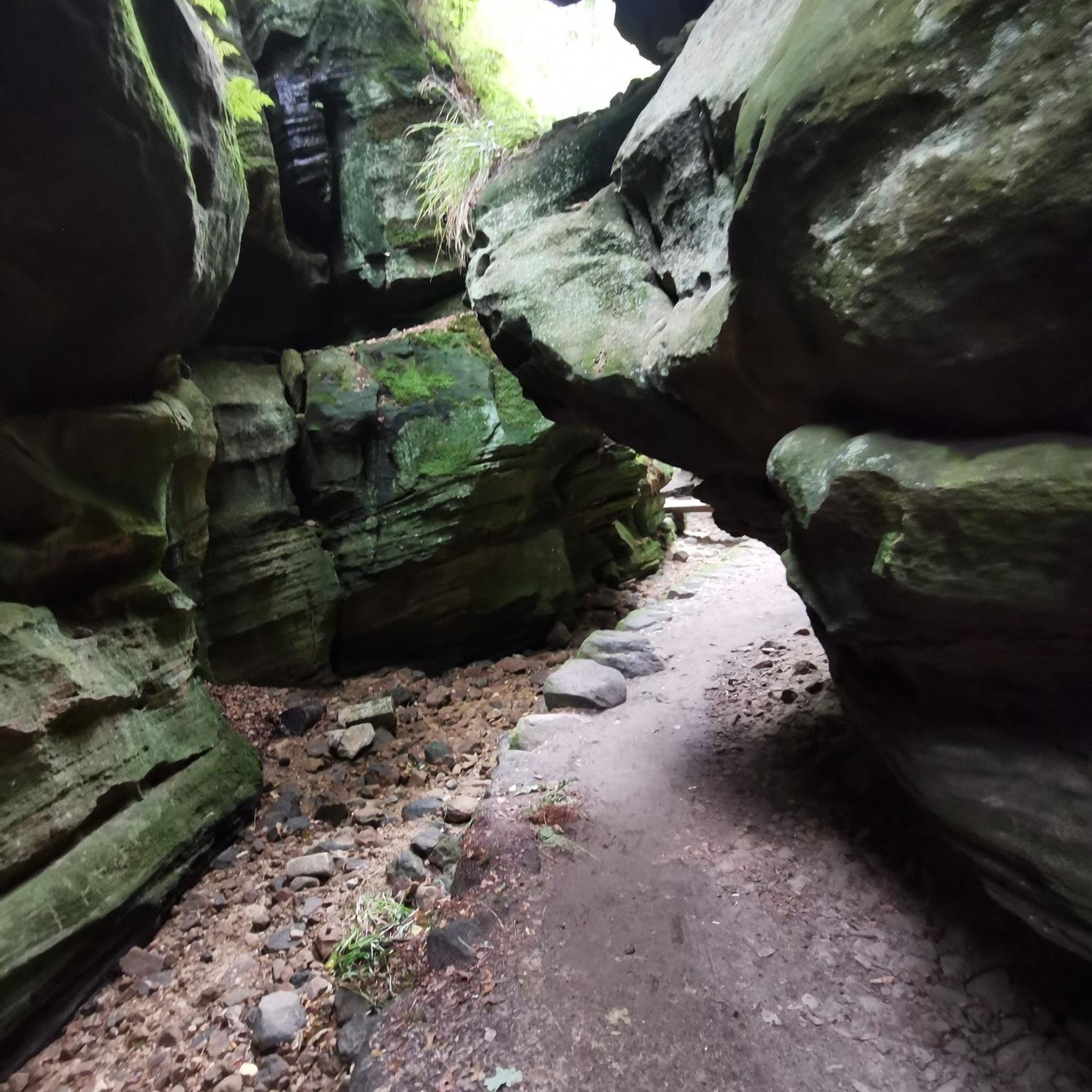
The Tunnel du Bois Clair is a former railway tunnel and at 1.6 km the longest tunnel in France now open to a greenway. It takes 4 to 6 minutes to cross by bike, 6 to 10 minutes on rollerblades and 15 to 20 minutes on foot, horse riders are not allowed to pass. The temperature is around 11 °C. There is a lighting system, but it is best to bring extra lighting on your bike... As this tunnel is home to protected species of bats, it is closed during hibernation (from October to April). In this case, a route is offered to bypass the tunnel, taking the circular trail n°14 (4 km, level: expert). A picnic area is located above the tunnel if you are coming via Cluny.
0
1

Founded in 910, Cluny Abbey was a powerful centre of the Benedictine order and influenced the spiritual and cultural life of all of Europe at its height. Today, although much of the abbey was destroyed during the French Revolution, you can still explore the remaining parts of the vast complex, including the majestic bell tower and restored cloister.
1
0

Please note that the Bois Clair tunnel has closing periods: https://www.cluny-tourisme.com/visites-incontournables/le-tunnel-du-bois-clair/#ouverture If it is closed you will have to go through the Bois Clair pass which has the same name but not the same height difference. Good luck!
0
0


This tunnel is impressive in its length!
0
0
Frequently Asked Questions
What historical and cultural sites can I explore near Curtil-Sous-Buffières?
The region is rich in history. You can visit the renowned Cluny Abbey, once the largest Romanesque basilica in the world, offering a deep dive into medieval history. Other significant sites include the impressive Paray-le-Monial Basilica, the Abbey of Saint-Philibert in Tournus, and the fortified Château de Semur-en-Brionnais, known for its ancient Romanesque keep.
Are there any natural features or scenic viewpoints worth visiting?
Absolutely. The Suin Hill (Butte de Suin) is a must-visit, offering an unmissable panoramic viewpoint at 593 meters. From here, an orientation table helps you identify the surrounding landscapes, including the Charolais and Clunysois regions. It's a great spot for breathtaking views.
What unique outdoor activities are available, especially for cycling or walking?
You can experience the Tunnel du Bois Clair, a former railway tunnel transformed into a greenway. At 1.6 km, it's the longest bicycle tunnel in France, popular for cycling, rollerblading, and walking. Be aware it maintains a cool temperature of around 11°C and is closed during bat hibernation from October to April.
What kind of hiking trails are available around Curtil-Sous-Buffières?
The area offers a variety of hiking trails for different skill levels. You can find routes like the 'View from Mont Saint-Cyr – Suin Hill loop' or the 'Suin Hill – Morpheus Woods loop'. For more detailed information and routes, you can explore the hiking guide for Curtil-Sous-Buffières.
Are there options for mountain biking near these attractions?
Yes, mountain biking enthusiasts will find several trails. Options include the 'Vergezicht loop from Sivignon' and the 'Mount Mandé – Tour of the Bois du Mont de Mandé loop'. Discover more routes and their difficulty levels in the MTB Trails guide for Curtil-Sous-Buffières.
What running trails are available in the vicinity?
For runners, there are various trails, including longer, more challenging routes like the 'View of Château Village loop' or shorter, easier options such as the 'Étang de la Vernée loop'. You can find a comprehensive selection of routes in the Running Trails guide for Curtil-Sous-Buffières.
What do visitors enjoy most about the attractions around Curtil-Sous-Buffières?
Visitors particularly appreciate the historical significance of sites like Cluny, noting its remarkable relics and the unforgettable experience. The panoramic views from Suin Hill are also highly praised, as is the unique experience of cycling or walking through the Tunnel du Bois Clair.
Are there any other notable towns or cities nearby to visit?
Beyond the immediate vicinity, you can explore Macon, a pleasant town with its own attractions, or Chalon-sur-Saône, which boasts a protected historical center. These towns offer additional cultural experiences and amenities.
Can I find local markets to experience regional life and products?
Yes, several nearby towns host vibrant local markets on different days. For example, Cluny has a market on Saturdays, Charolles on Wednesdays, and Macon on Saturdays. These markets are excellent places to immerse yourself in local culture and find regional specialties.
Is there a local church close to Curtil-Sous-Buffières that is a point of interest?
Yes, the Eglise Saint-Genès is located very close to Curtil-Sous-Buffières and is mentioned as a local point of interest, offering a glimpse into the village's heritage.
What is the Château de Bissy-sur-Fley like?
The Château de Bissy-sur-Fley is a fortified castle featuring six round or square towers, including 'La Panneterie' dating from around 1300. It also has a dovecote in an adjoining garden and an internal courtyard enclosed by walls. The interior dwelling contains four large rooms with fireplaces and small chapels.
Most popular routes around Curtil-Sous-Buffières

Get inspired with the komoot mobile app


Explore more
Still not found the Highlight you’re looking for? See guides of the top attractions in other regions:
