Attractions and Places To See around Mutterhausen - Top 20
Best attractions and places to see around Mutterhausen include a mix of historical landmarks, cultural sites, and natural features. Located in the Moselle department of France, the area is characterized by its surrounding hills, forests, and streams like the Moderbach. Visitors can explore ancient ruins, chapels, and significant natural rock formations. The region provides insights into its past and offers diverse scenic landscapes.
Best attractions and places to see around Mutterhausen
- The most popular attractions is Altschloss Rocks, a…
Last updated: September 26, 2026
Altschlossfelsen (with rock passage)
Highlight • Natural Monument
Translated by Google •
Tip by

Altschlossfelsen (Northeast section)
Highlight • Natural Monument
Translated by Google •
Tip by

Sign up now to discover places like this
Get recommendations on the best single tracks, peaks, & plenty of other exciting outdoor places.
Altschlossfelsen (Southwest Section)
Highlight • Natural Monument
Translated by Google •
Tip by
Altschlossfelsen Sandstone Formations
Highlight • Natural Monument
Translated by Google •
Tip by

Altschlossfelsen — Southern Section
Highlight • Natural Monument
An absolute natural spectacle and highlight.
Showing Translation
Tip by

Sign up for free to discover even more attractions around Mutterhausen.
Already have an account?
Start today with a free account
Your next adventure awaits.
Tips from the Community

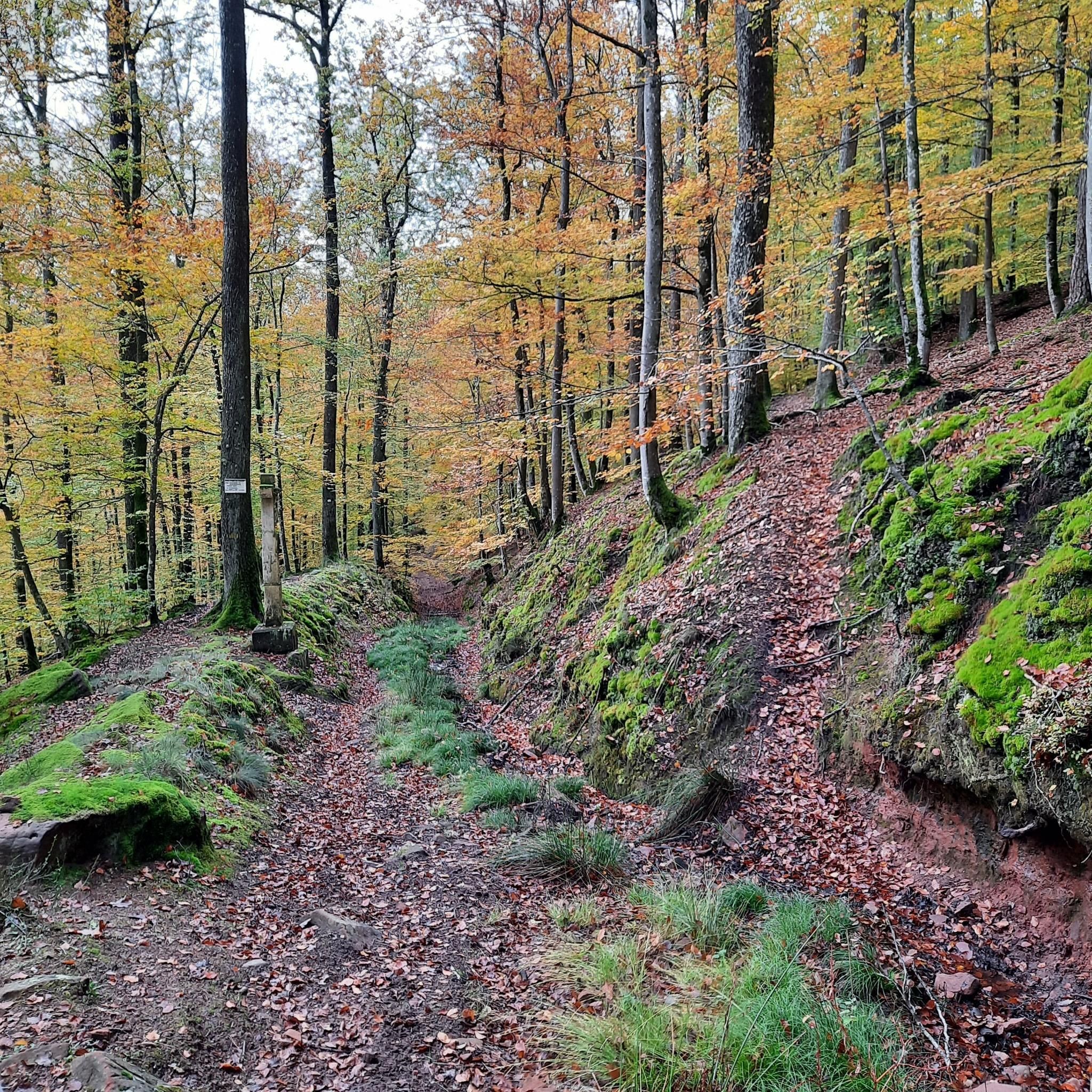
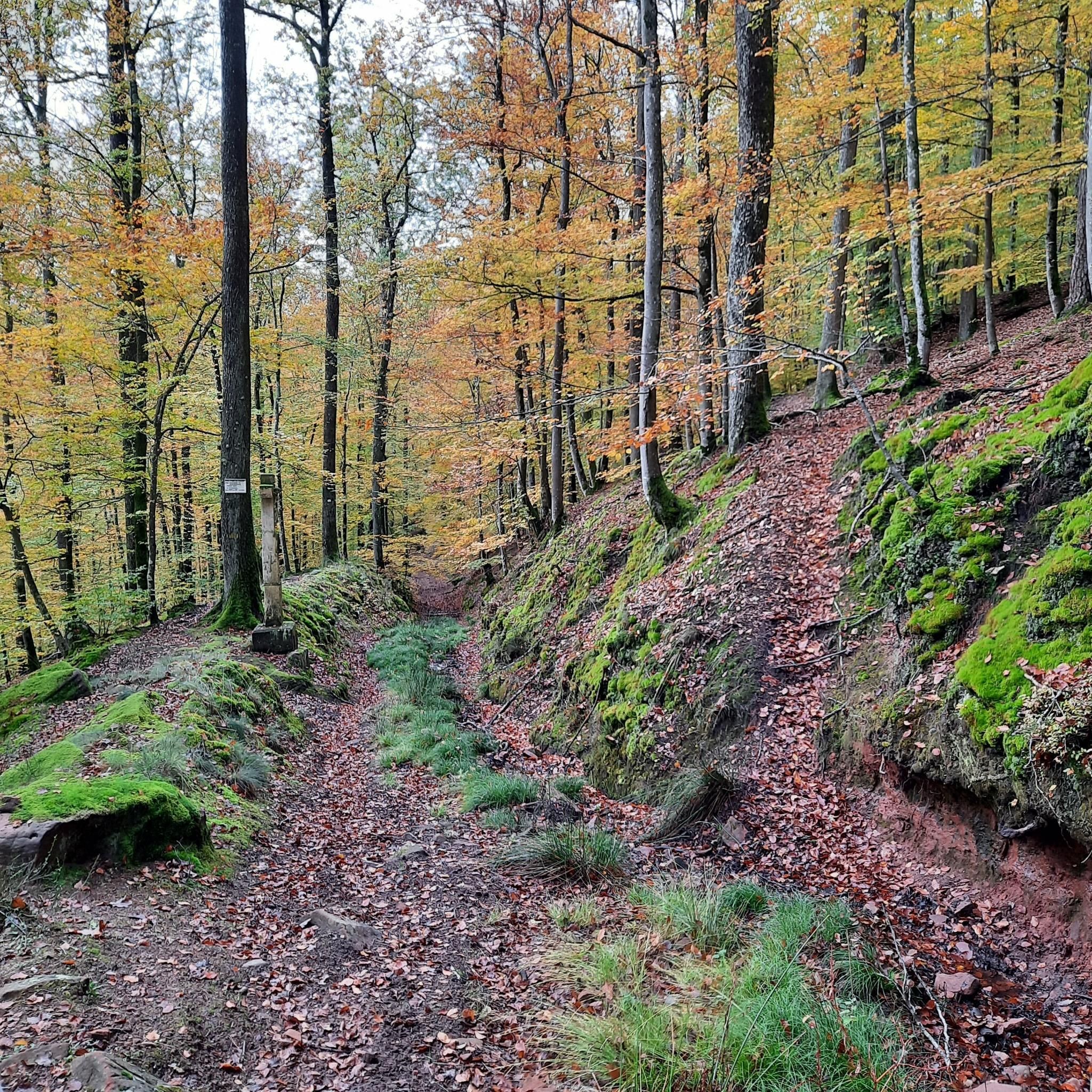
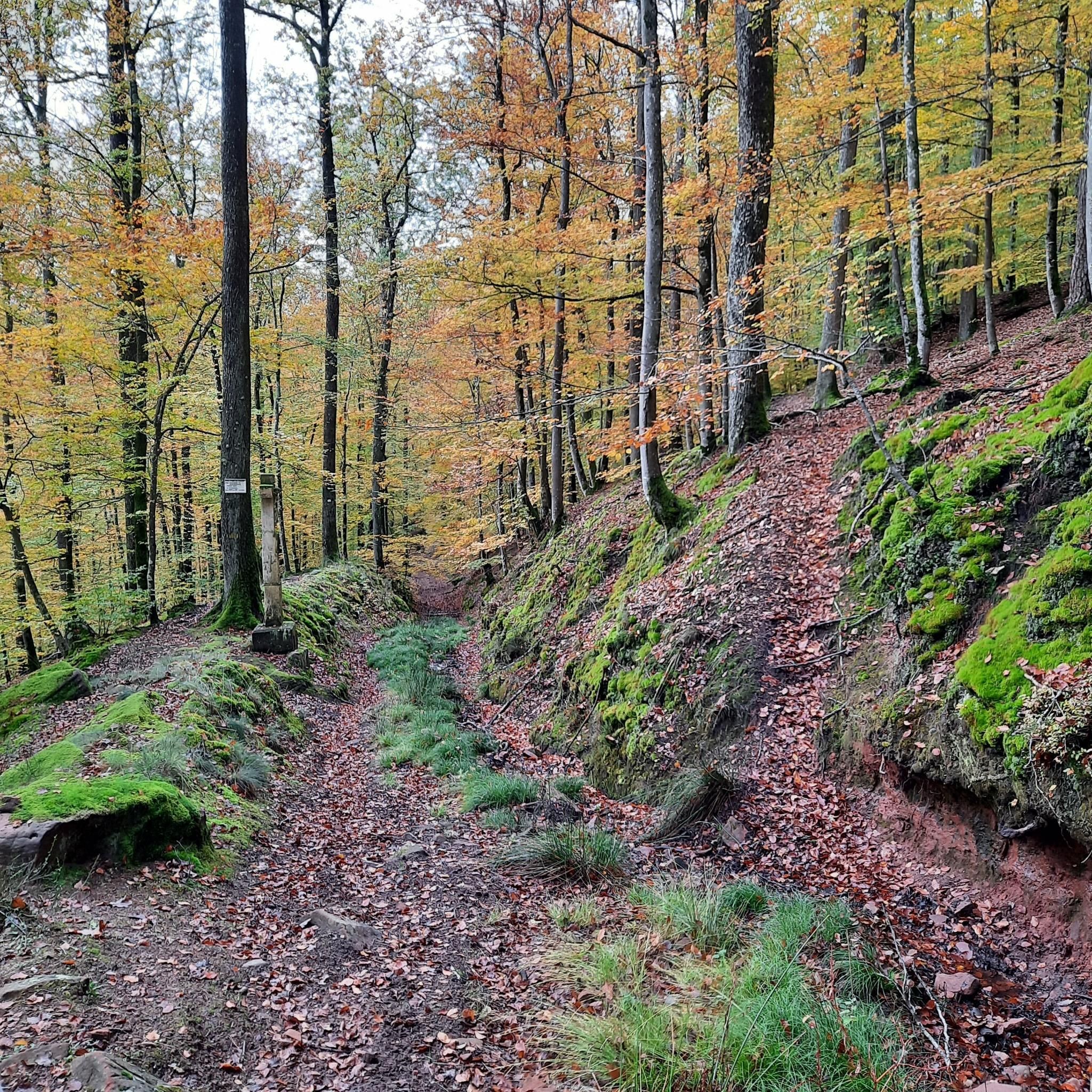
A play of colors that is second to none. From strong red, depending on the light, orange, between gray and mossy rocks. And again and again the different shapes, caves and passages.
5
0
The rocks are only accessible on foot, e.g. from Eppenbrunn or nearby hiking parking lots. An absolute natural spectacle and highlight.
7
0

The Altschlossfelsen (also known as Eppenbrunn Castle) are a group of red sandstone rocks designated as a natural monument (ND) ND-7340-205 and a cultural monument (KD) in the municipality of Eppenbrunn in the Palatinate Forest on the border with France, and are the largest rock formation in the Palatinate. They are located on the eastern slope of the Brechenberg (406 m) near Eppenbrunn and Roppeviller at an elevation of approximately 365 m above sea level at the northeast end and 380 m above sea level at the southwest end of the rock band. The Altschlossfelsen are a group of red sandstone rocks approximately one and a half kilometers long and up to 30 meters high. The group consists of sandstone towers and walls. The Altschlossfelsen are crisscrossed by cracks and joints, some of which are wide enough to climb through. They are known primarily for their diverse weathering phenomena and rare lichens. The summit plateau can be reached from the north and south on narrow paths. There, you'll find a sparse forest and moss-covered rocks. A special lighting situation created by the sun, the "rock glow," is best seen around 7:00 p.m. in the first half of April, depending on weather conditions, vegetation, and the position of the sun. In the morning hours, the glow occurs around 8:45 a.m. Finds from the Hallstatt and Roman periods attest to earlier settlement of the rock group. In 1964, for example, shards from the La Tène period (c. 450–50 BC) were found. Traces of a medieval castle from the 11th or 12th century are found on the four main rocks. These include the remains of a stepped structure, post holes, remains of masonry, and notches for beams in the rock. A depression with a diameter of four meters is located on a rock, which may have served as a cistern. Additionally, on the southern and northern slopes around the rock formation, humped blocks, which may have originated from the structure of a former castle, as well as shards from the High Middle Ages were found in a wall groove. A more precise dating of the castle complex is difficult, as the castle was not mentioned before 1297 or later in the 1605 border description between Lorraine and the County of Hanau-Lichtenberg. Source: https://de.wikipedia.org/wiki/Altschlossfelsen
2
0

Over time, wind and weather have shaped the red sandstone massif, consisting of the Trippstadt and Karlstal layers, creating bizarre rock formations. Four towers standing close together and the actual main rock are clearly visible. Traces of a former fortification, probably built by the Counts of Zweibrücken-Bitche after 1279, can be found on the towers. By 1605, all traces of the castle had disappeared. In 1991, the rock massif was listed as a historical monument. A special lighting phenomenon created by the sun, the "rock glow," is best seen around 7 p.m. in the first half of April on the southeast side of the third rock from the east (from Eppenbrunn), depending on weather conditions, vegetation, and the position of the sun.
0
0

A beautiful hiking trail along the historic rock formations near the border
3
0

Very nice path section below the rock
0
0

The climb to the rocks is definitely worth it.
2
0

The Altschlosspfad was rightly named the most beautiful hiking trail in Germany in 2022. It leads to one of the mightiest rocks in the Palatinate Forest. The name goes back to an old castle that has long since fallen into disrepair. A good starting point is from the car park at the Hotel Kupper and follow the well-signposted path👍
5
1
Frequently Asked Questions
What natural monuments can I explore around Mutterhausen?
The region boasts impressive natural monuments. Don't miss the Altschloss Rocks, known for their spectacular rock formations and intense play of colors, especially in the evening. Another significant site is the Altschlossfelsen sandstone rock formation, offering fantastic views, particularly at dusk.
Are there any historical castles or ruins to visit near Mutterhausen?
Yes, the area is rich in historical castles. You can explore the ruins of Wasenbourg Castle, which offers a beautiful view from its remaining walls and has an eventful history. Another picturesque site is Falkenstein Castle ruins, a 12th-century ruin built on a narrow sandstone rock, providing excellent all-round views. Additionally, the ruins of Château du Wasserburg in the Kapellenhof quarter and the remains of a 1560 castle at Hohe Weyersberg offer glimpses into the region's medieval past.
What cultural or religious sites are notable in Mutterhausen?
Mutterhausen features several significant cultural and religious landmarks. The Chapelle Notre-Dame-de-la-Miséricorde, built in 1504, houses a beautiful 18th-century statue of the Most Holy Virgin Mary. You can also visit the Catholic Church on Langenberg, erected in 1869, and the Protestant Church on Hirtenberg from the mid-19th century. The ancient forge chapel at Grosshammer, rebuilt between 1763 and 1764, is another testament to the village's industrial and religious history.
Are there any scenic lakes or ponds in the area?
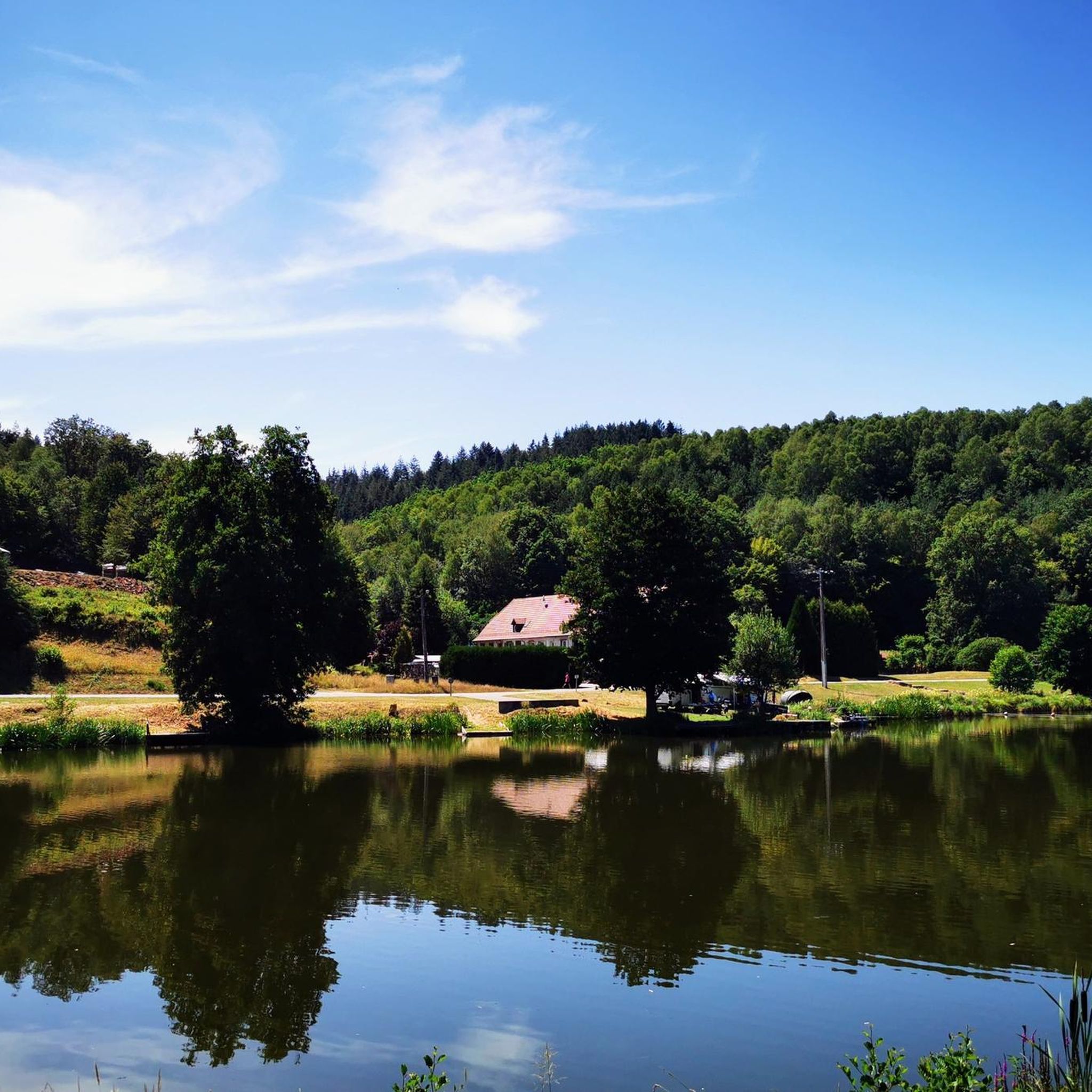
Yes, the Hanau Pond is a very beautiful lake near Philippsbourg, perfect for a leisurely walk. It also features a unique peat bog with a nature trail. The Grand Étang (Large Pond) is another notable natural feature, especially picturesque in autumn.
What outdoor activities can I do near these attractions?
The region around Mutterhausen is ideal for various outdoor activities. You can find numerous hiking trails, including easy loops like the Mouterhouse Spring loop. For mountain biking enthusiasts, there are challenging routes such as the Erbsenfelsen – Waldeck Pond loop. Gravel biking is also popular, with routes like the Hanau Pond – Erbsenfelsen loop. You can explore detailed routes and guides for hiking, MTB, and gravel biking around Mutterhausen.
Are there family-friendly attractions suitable for children?
Absolutely! The Hanau Pond is a great family-friendly option, offering easy walks around the lake and a nature trail. The surrounding forests and hills also provide ample opportunities for outdoor exploration and picnics, suitable for families looking to enjoy nature together.
What kind of natural landscapes characterize the Mutterhausen region?
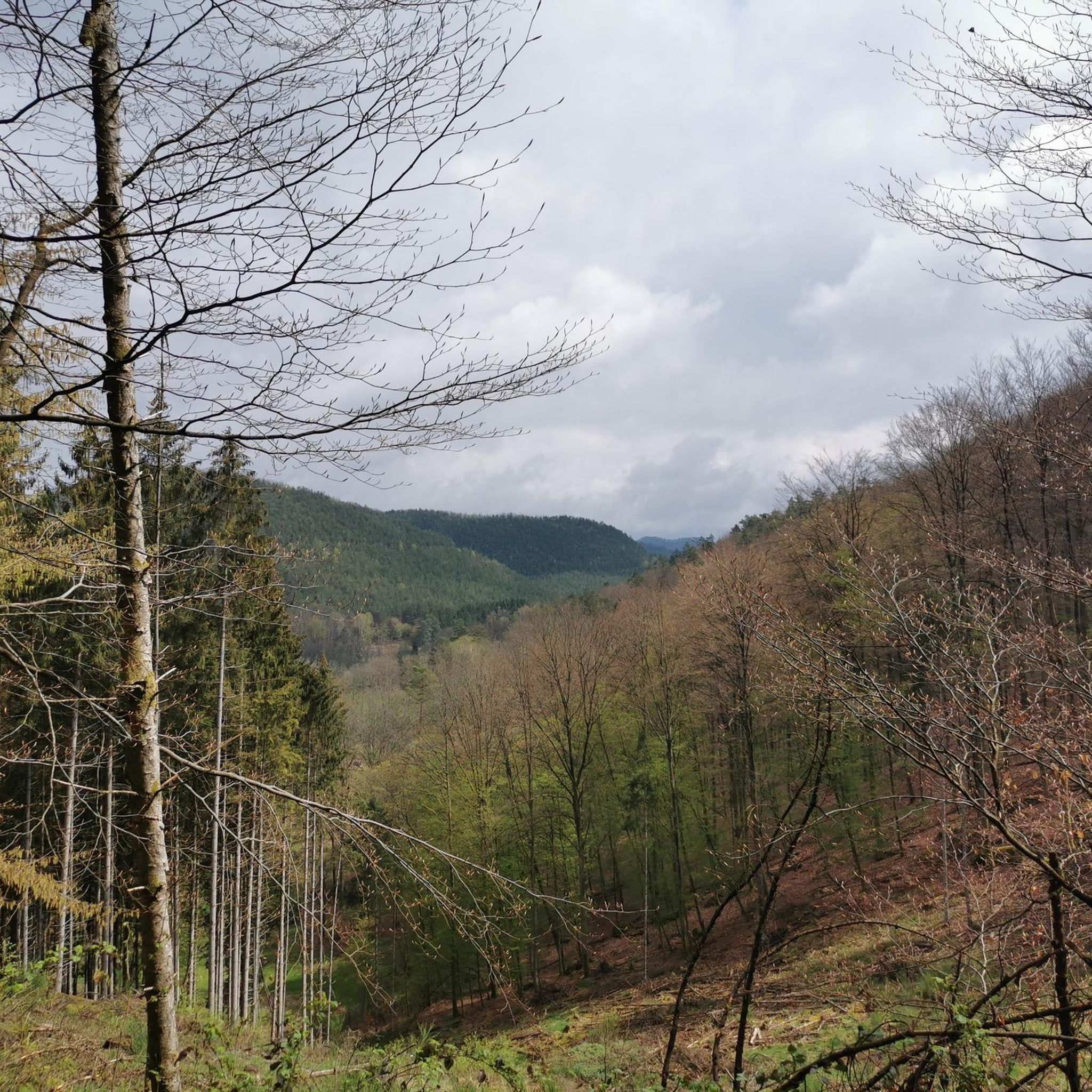
The Mutterhausen region is characterized by diverse natural landscapes, including various hills and extensive forested areas like Bellersteinberg, Boxberg, and Hammerkopf. The Moderbach stream flows through the communal forest, adding to the scenic beauty. These features provide a rich environment for exploring and enjoying nature.
What do visitors enjoy most about the attractions around Mutterhausen?
Visitors particularly appreciate the blend of natural beauty and historical significance. The spectacular rock formations of the Altschloss Rocks, with their intense play of colors, are a highlight. The panoramic views from castle ruins like Wasenbourg and Falkenstein are also highly rated. Many enjoy the tranquility and solitude found in the natural settings, especially during late evenings.
Are there any nearby towns or attractions worth visiting for a day trip?
Yes, several interesting towns and attractions are within a short drive. Bitche, just 8 km away, is home to an impressive citadel. Neuwiller-les-Saverne (18 km) is known for its charming half-timbered houses. Further afield, you can visit the impressive ruined Château de Fleckenstein (24 km), explore the notable Chateau des Rohans in Saverne (27 km), or discover monuments, churches, and museums in Haguenau (30 km). Hunspach (36 km) is also recognized as one of France's 'Most Beautiful Villages'.
Can I find easy hiking trails around Mutterhausen?
Yes, there are several easy hiking trails suitable for beginners or those looking for a relaxed walk. Examples include the Mouterhouse Spring loop from Mouterhouse, which is approximately 6.5 km long, and the Hasslingerfelsen Cave – Helloch Washhouse loop from Lemberg, around 6.6 km. These trails allow you to enjoy the natural beauty without strenuous effort. You can find more options in the hiking guide for Mutterhausen.
Is there a historical fountain in Mutterhausen?
Yes, a historical fountain, originally constructed in 1869 and restored in 1975, can be found alongside the Moderbach stream. It's a small but charming historical detail that reflects the village's past.
Most popular routes around Mutterhausen
Most popular attractions around Mutterhausen

Get inspired with the komoot mobile app


Explore more
Still not found the Highlight you’re looking for? See guides of the top attractions in other regions:
