Attractions and Places To See around Saint-Étienne-La-Varenne - Top 20
Best attractions and places to see around Saint-Étienne-La-Varenne, located in the Beaujolais region of France, offer a combination of historical landmarks, natural landscapes, and cultural experiences. The area features vineyards, scenic viewpoints, and a network of trails for outdoor activities. Visitors can explore local heritage sites and enjoy the diverse natural beauty of the region.
Best attractions and places to see around Saint-Étienne-La-Varenne
- The most popular attractions is Montmelas Castle, a historical site and castle that was first mentioned…
Last updated: July 20, 2026
Cross of Forces
Highlight • Monument
Translated by Google •
Tip by

Col de Saint-Bonnet
Highlight • Mountain Pass
Showing Translation
Tip by

Sign up now to discover places like this
Get recommendations on the best single tracks, peaks, & plenty of other exciting outdoor places.
Sign up for free
Le relais du Parasoir
Highlight • Restaurant
Translated by Google •
Tip by

Towpath along the Saône
Highlight (Segment) • Trail
Translated by Google •
Tip by

Montmelas Castle
Highlight • Historical Site
Showing Translation
Tip by

Sign up for free to discover even more attractions around Saint-Étienne-La-Varenne.
Sign up for free
Already have an account?
Start today with a free account
Your next adventure awaits.
Login or Signup
Popular around Saint-Étienne-La-Varenne

Tips from the Community


Magnificent castle in the commune of Montmelas St Sorlin
0
0

A "chemin de halage", or in German "treidelpfad", which runs alongside the waterway right next to the bed of the river or canal, was an indispensable part of the transport infrastructure in earlier times. Before ships could move using motor power, horses ran along the bank and pulled the ship against the current. This was called "treideln", and this is how the "treidelpfads" got their name, which has been passed down to this day. Where these paths directly on the bank have been preserved, they are often used by hikers and cyclists.
0
0

The Col de Saint-Bonnet, located in the heart of the Alps, offers a spectacular panorama of the surrounding mountains and green valleys. This pass, perched at an altitude of 1,499 metres, is a favourite passage for hikers and cyclists in search of magnificent landscapes. As you climb the slopes of the pass, the view gradually opens up onto the Alpine peaks, forests and flowery meadows.
0
3

For a little refreshing break between 2 passes
0
0

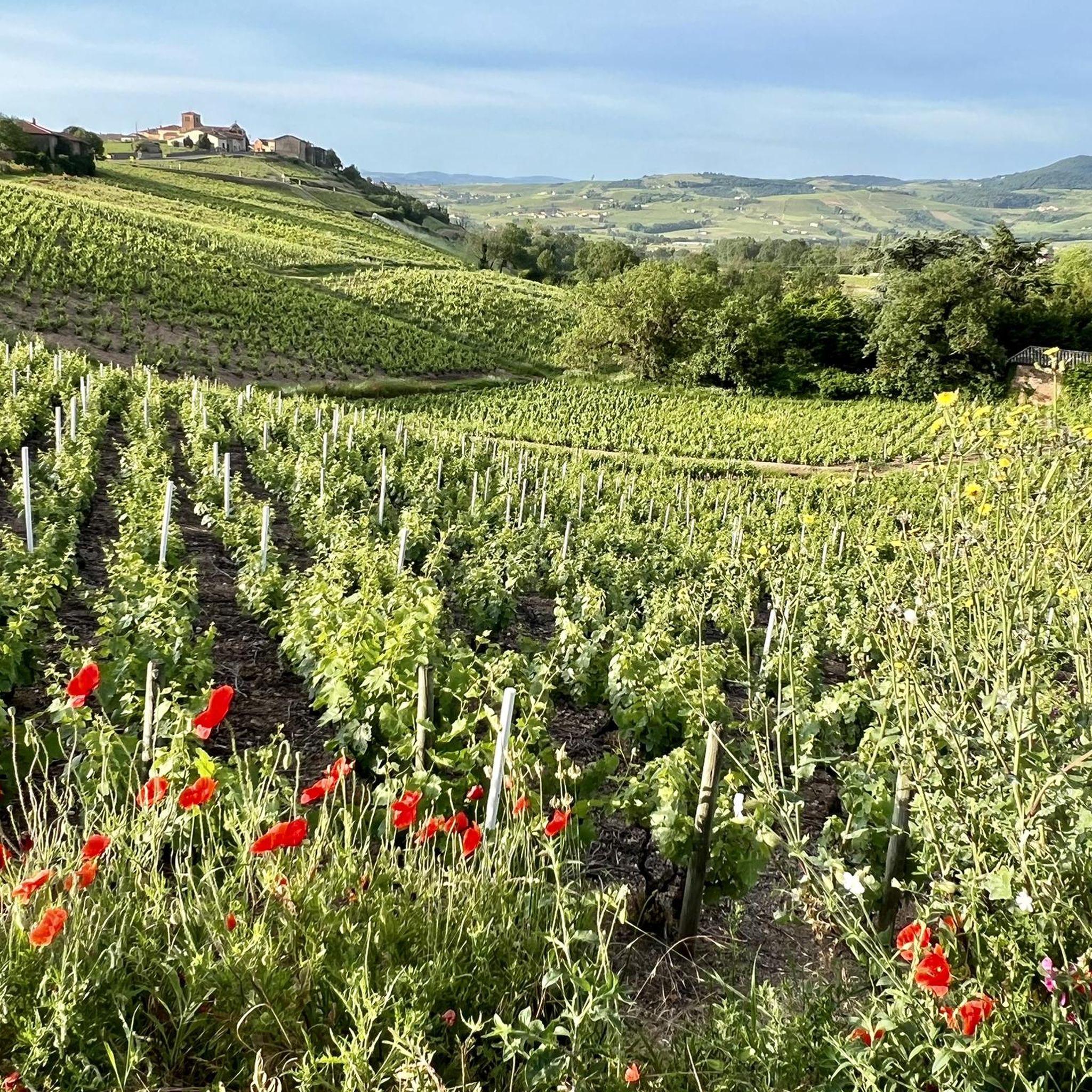
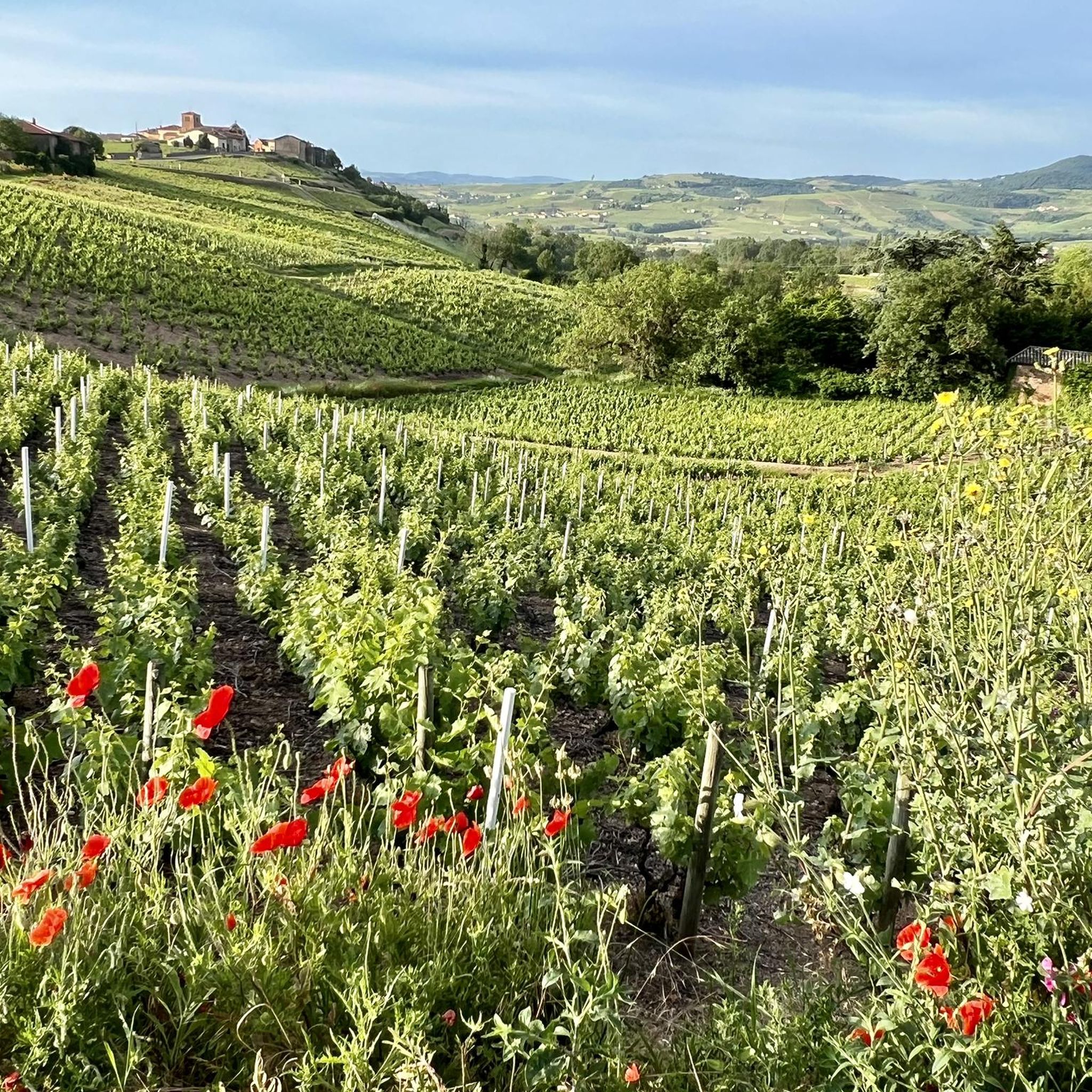
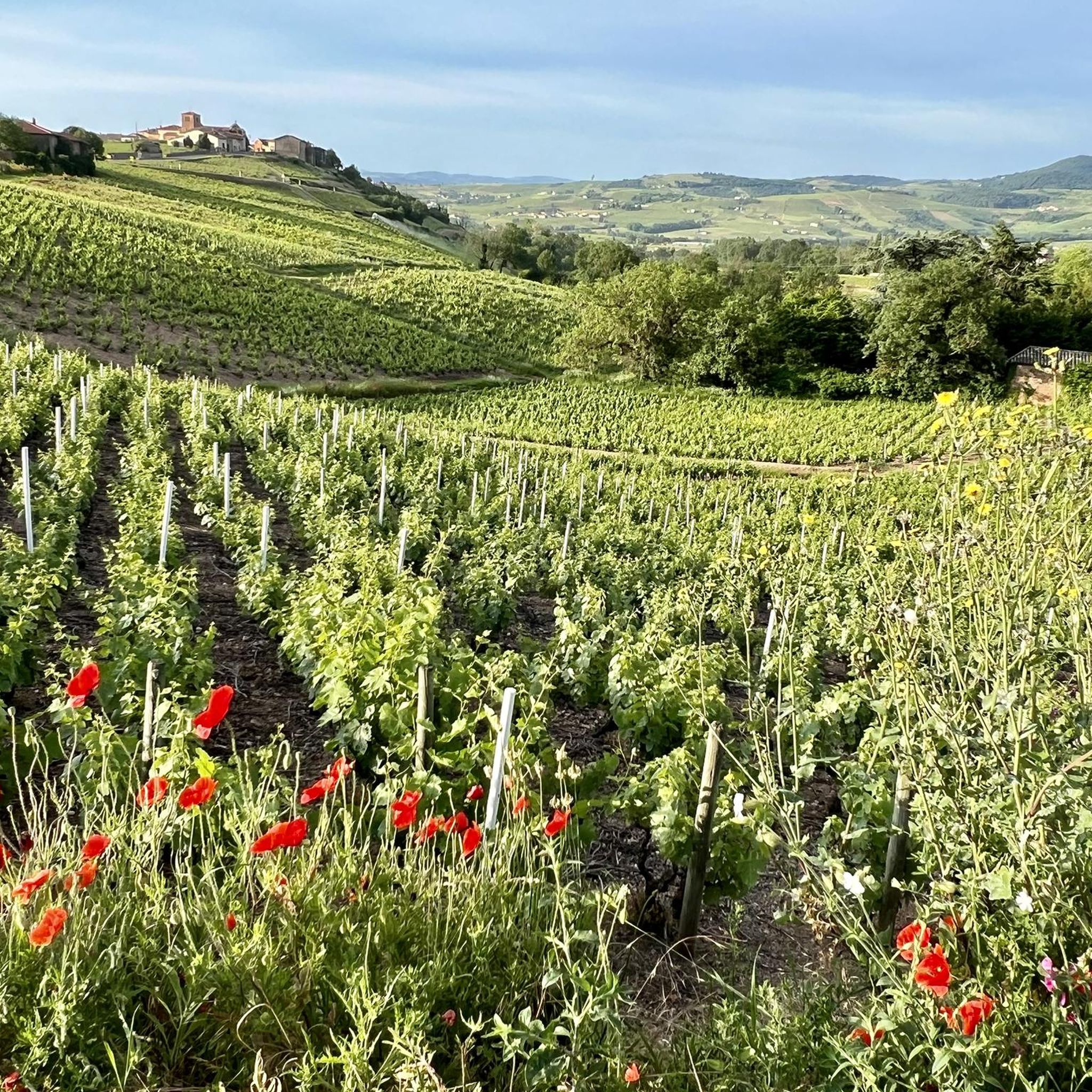
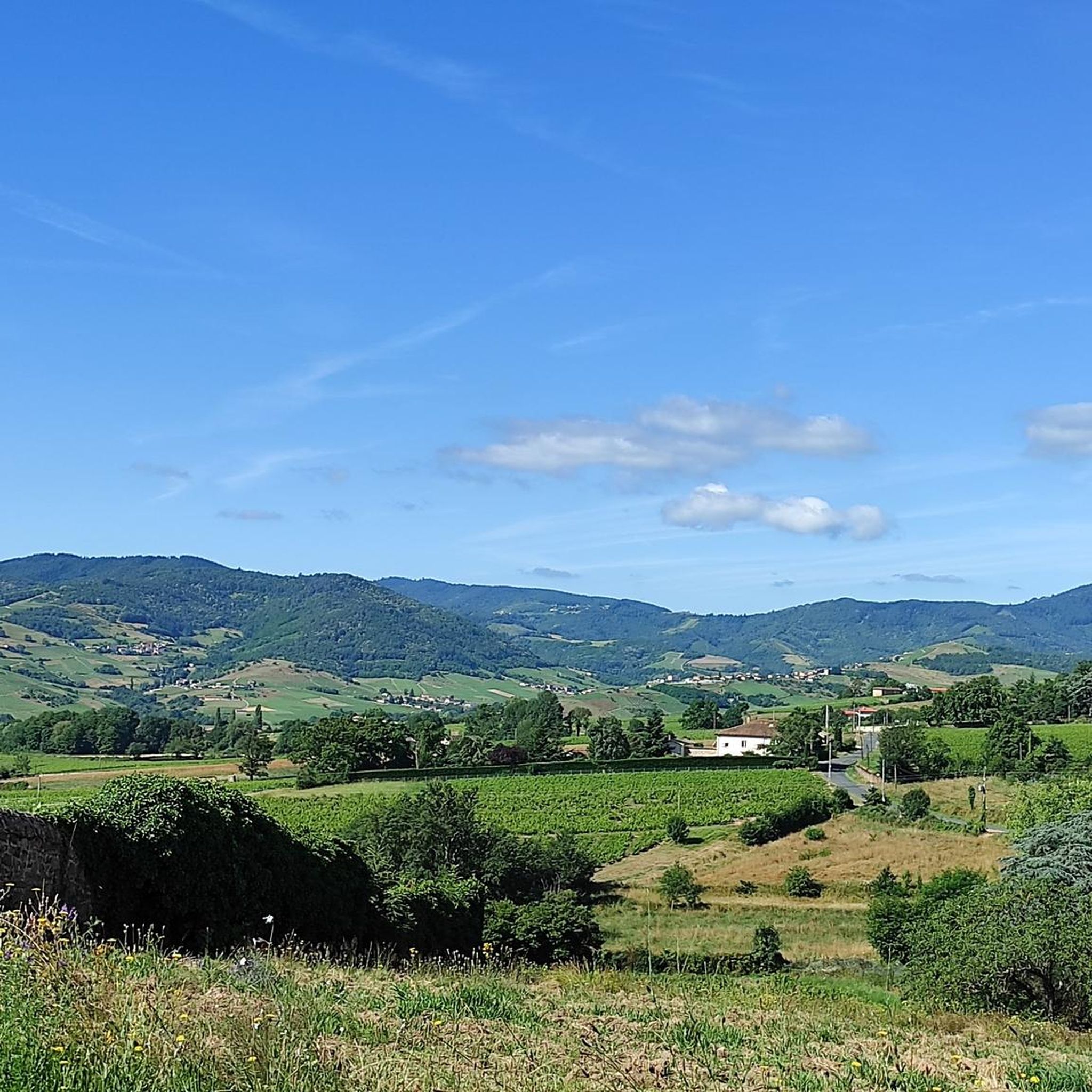
The Croix des Forces offers a beautiful panorama to the east, towards the Rhône valley. It overlooks the village of Quincié-en-Beaujolais and a picnic table is set up nearby.
1
0

Very pretty gravel path, very rolling during off-peak hours. A little boring over time like most towpaths.
2
0

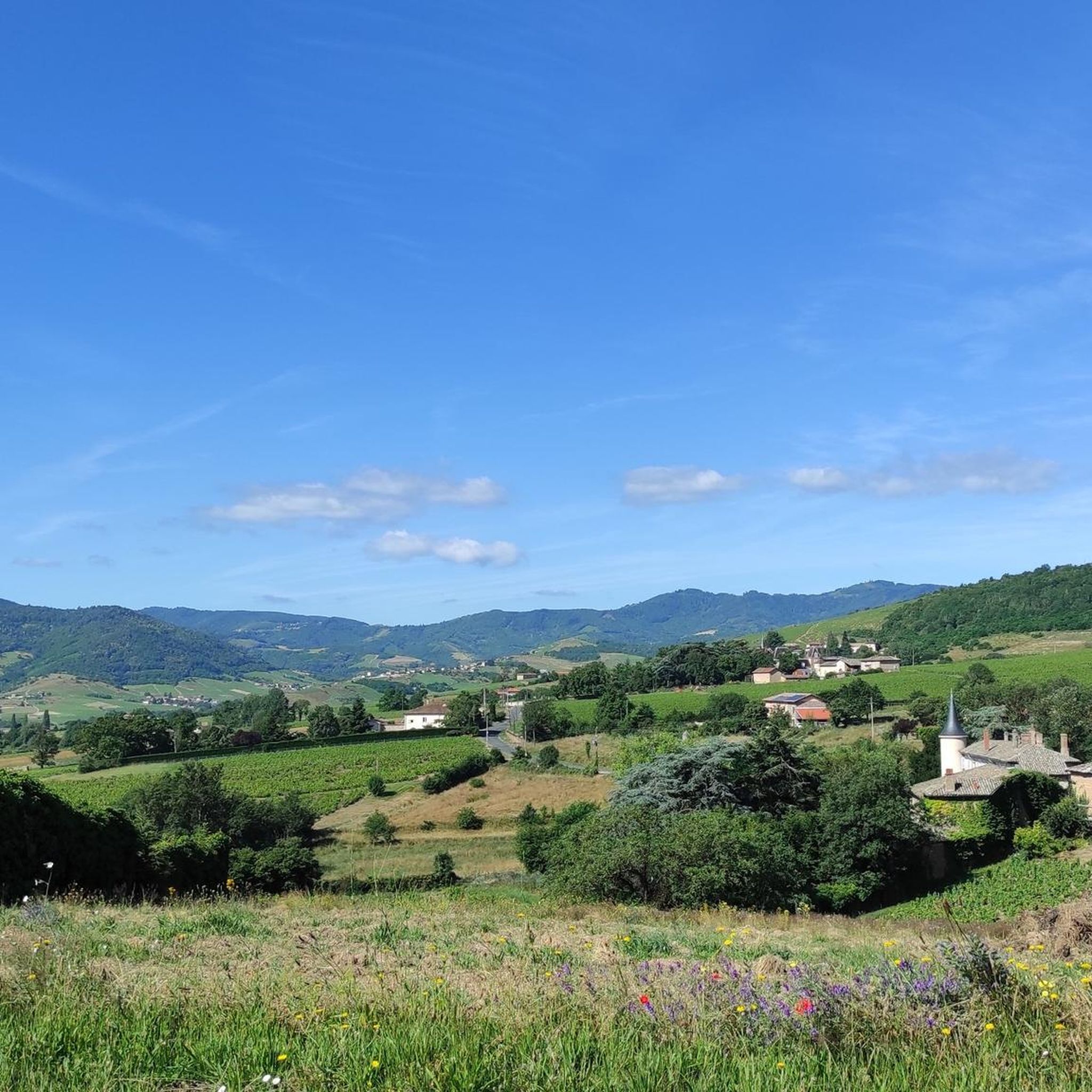
Very nice view over the entire Saône plain.
0
0
Frequently Asked Questions
What historical sites can I explore in Saint-Étienne-La-Varenne?
The region is rich in history. You can visit Montmelas Castle, a former fortified castle first mentioned in 977 and later restored in a neo-Gothic style. Another significant site is the Ferme Sainte-Marie, which has a rich heritage, originally belonging to the lords of Beaujeu. The Église Saint-Étienne, with parts dating back to the 12th century, also features classified historical objects.
Are there any family-friendly attractions or activities in the area?
Yes, Saint-Étienne-La-Varenne offers several family-friendly options. The Towpath along the Saône is a very mobile and popular path for families and walkers. The village also provides recreational facilities such as a mini-golf course, a tennis court with vineyard views, boules and pétanque courts, a basketball court, and table tennis facilities.
Where can I find the best panoramic views of the Beaujolais region?
For breathtaking vistas, head to Le relais du Parasoir, perched at 656 meters, offering views of the Beaujolais vineyards, Clochemerle, the Saône valley, and the forests of Azergues. The Cross of Forces also provides a panorama towards the Rhône valley. Additionally, the Ferme Sainte-Marie, located on the heights, offers splendid views of the surrounding Beaujolais valleys.
What kind of hiking and walking trails are available around Saint-Étienne-La-Varenne?
Saint-Étienne-La-Varenne is a popular destination for hikers. There are numerous well-marked paths, ranging from 2.5 km to 16 km, that start from the village church and lead through picturesque vineyards and wooded areas. A popular route goes from the village center up to Ferme Sainte-Marie, passing by a viewpoint known as Trou du Loup. You can find more detailed routes for various sports, including running, at Running Trails around Saint-Étienne-La-Varenne.
Are there cycling routes near the attractions?
Yes, the area is excellent for cycling. You can explore routes like the 'Col du Plageret – The Château Thivin promenade loop' or the 'Mont Brouilly climb – Greenway entrance loop'. For more options, including gravel biking, check out the guides for Cycling around Saint-Étienne-La-Varenne and Gravel biking around Saint-Étienne-La-Varenne.
What cultural landmarks, beyond castles, are worth visiting?
Beyond castles, the Église Saint-Étienne is a significant cultural landmark with parts dating back to the 12th century and featuring a statue of Saint Vincent, patron saint of winemakers. The Cross of Forces is also a notable monument, offering insights into local history and beliefs.
Can I find places to eat or have a snack with a view?
Absolutely. Le relais du Parasoir is a restaurant and viewpoint where you can enjoy a snack break with magnificent panoramic views from its terrace, overlooking the Beaujolais vineyards and the Saône valley.
What are the natural highlights of the Saint-Étienne-La-Varenne region?
The region is characterized by its stunning natural beauty, primarily the vast Beaujolais vineyards. Key natural highlights include the panoramic views from locations like Le relais du Parasoir and Ferme Sainte-Marie, where you can see the vineyards, the Saône valley, and on clear days, even Mont Blanc. The Belvédère or Croix des Rameaux also offers unparalleled views and a picnic area.
Are there any charming villages to visit nearby?
Yes, the region is dotted with picturesque villages. You can explore nearby charming villages such as Oingt, which is designated as one of France's 'Most Beautiful Villages,' along with Theizé, Anse, Bagnols, and Trévoux, all within a reasonable distance.
What do visitors enjoy most about the attractions around Saint-Étienne-La-Varenne?
Visitors particularly appreciate the combination of historical depth and natural beauty. The stunning panoramic views from spots like Le relais du Parasoir and the historical significance of sites like Montmelas Castle are highly rated. The extensive network of hiking and cycling trails through the vineyards also receives positive feedback for outdoor enthusiasts.
Can I go fishing in the area?
Yes, fishing opportunities are available. You can find ponds in nearby Odenas (about 3 km away) or explore fishing spots in the Saône River and other local rivers within a 15 km radius of Saint-Étienne-La-Varenne.
What is the Chalet du Pouzet?
The Chalet du Pouzet is an interesting local site constructed using remnants from the historic ship 'La Belle Poule,' adding a unique piece of maritime history to the inland region.
Most popular routes around Saint-Étienne-La-Varenne
Most popular attractions around Saint-Étienne-La-Varenne

Get inspired with the komoot mobile app


Explore more
Still not found the Highlight you’re looking for? See guides of the top attractions in other regions:
