The 4 Most Amazing Peaks around Vaux-En-Beaujolais
Mountain peaks around Vaux-En-Beaujolais are characterized by their elevated areas and passes within the Beaujolais mountains. The region offers panoramic views, historical sites, and opportunities for hiking and cycling through renowned wine country. The village of Vaux-en-Beaujolais itself sits on a hilltop, providing 360-degree views of the surrounding landscapes. Higher points like Mont Saint-Rigaud reach over 1000 meters, while Mont Brouilly is known for its distinctive geology and vineyards.
Best mountain peaks around Vaux-En-Beaujolais
- The most popular mountain peaks is…
Last updated: May 19, 2026
Mont Brouilly
Highlight • Summit
Translated by Google •
Tip by

Saint-Bonnet Chapel on the Signal
Highlight • Religious Site
At the top is a 12th century chapel, …
Translated by Google •
Tip by

Sign up now to discover places like this
Get recommendations on the best single tracks, peaks, & plenty of other exciting outdoor places.
Sign up for free
Crêt Lacrampe Summit
Highlight • Summit
Translated by Google •
Tip by

Start today with a free account
Your next adventure awaits.
Login or Signup
Popular around Vaux-En-Beaujolais

Other adventures around Vaux-En-Beaujolais

Tips from the Community

very much better clockwise
2
0

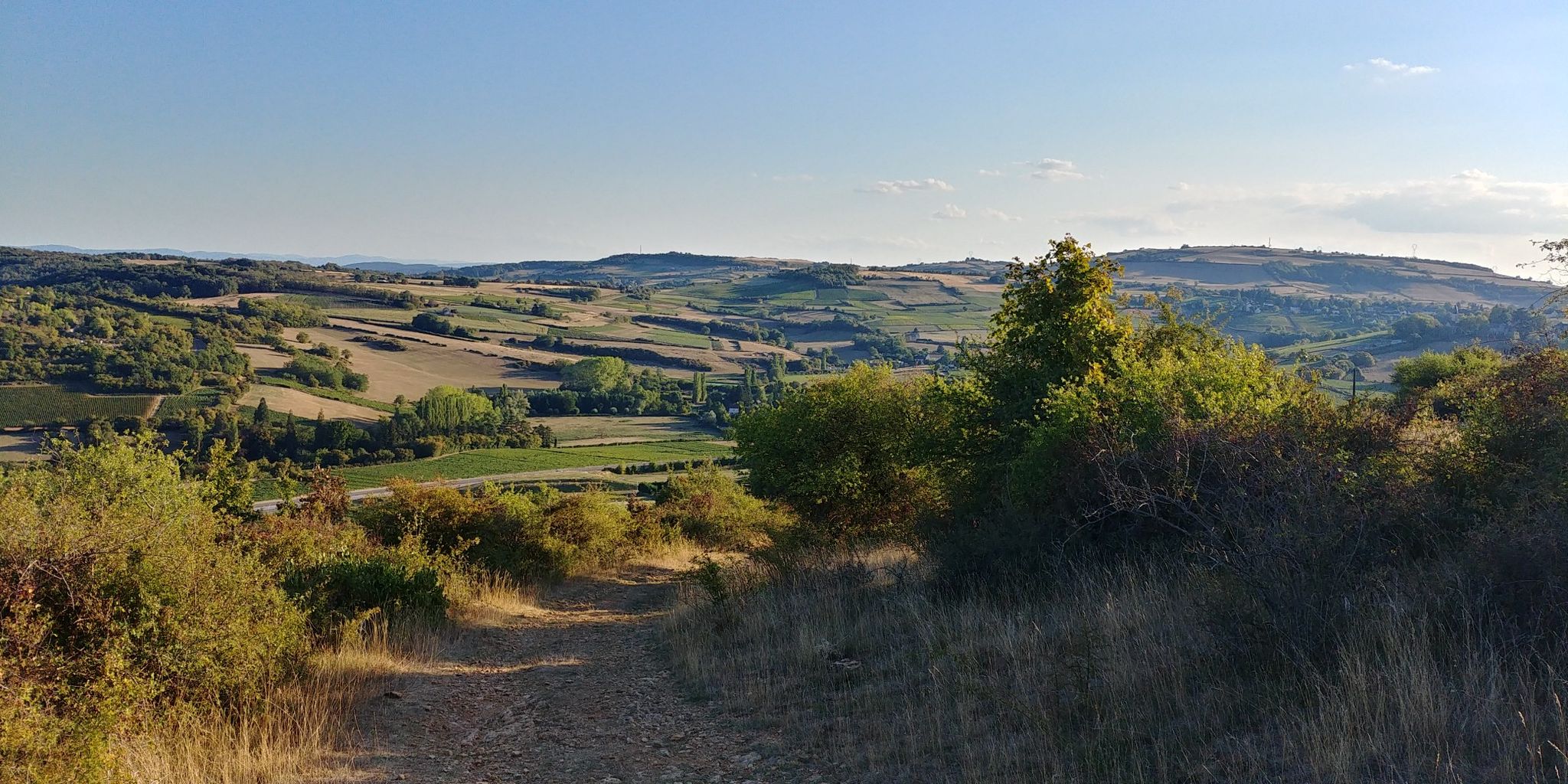
The Saint-Bonnet signal peaks at 676 meters. The place offers beautiful panoramas over Montmelas, then over the vineyard and the Beaujolais mountains. At the top is a 12th century chapel, of Romanesque architecture. It is dedicated to Saint Bonnet, bishop of Clermont in the 8th century. It was a place of pilgrimage to cure gout and headaches.
1
0

I love this point of view, before going down again in a fast single with small jumps... :-)
0
0

Beautiful chapel which has been completely renovated, with a superb view over the plain of the Ain, and Mont Blanc on a clear day.
2
0

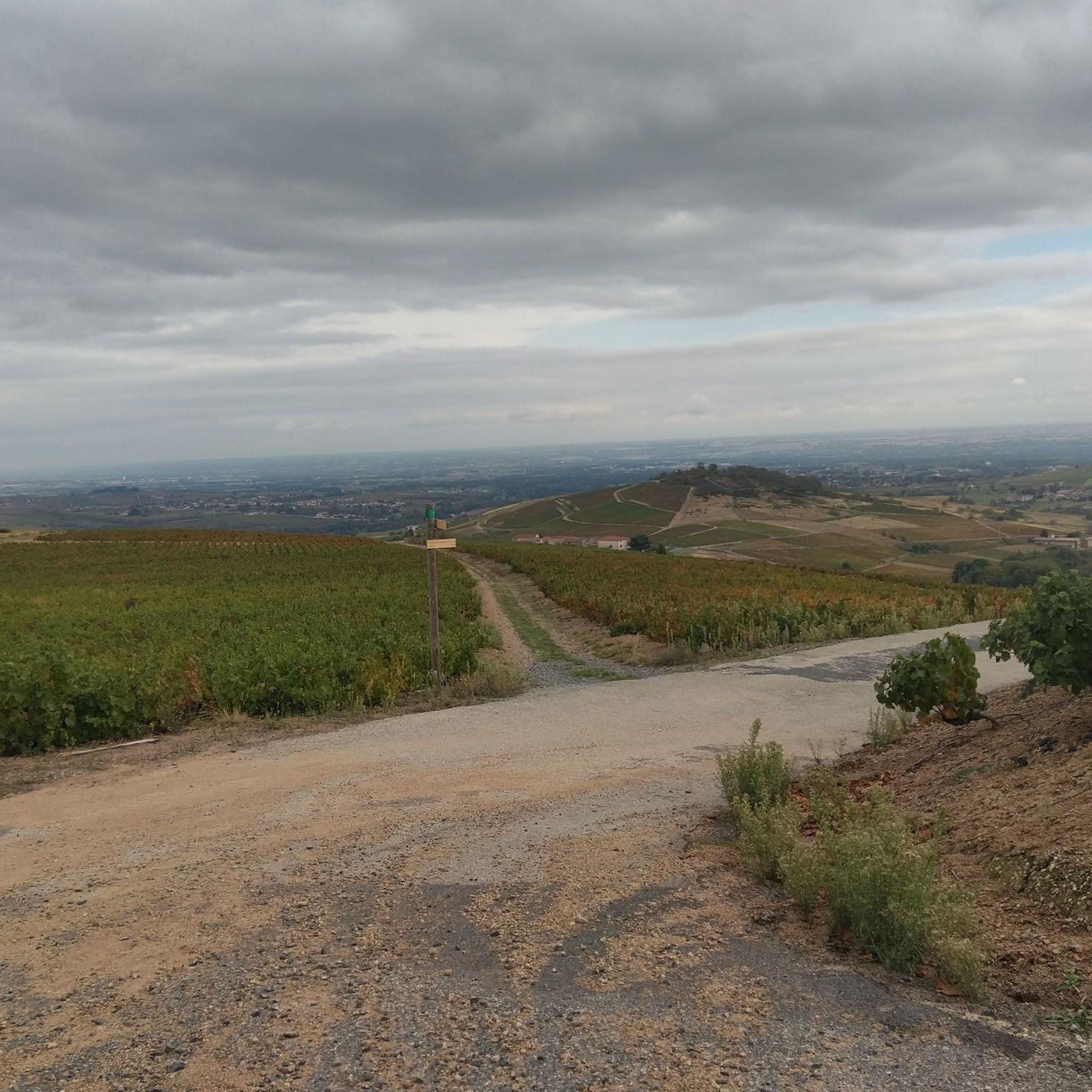
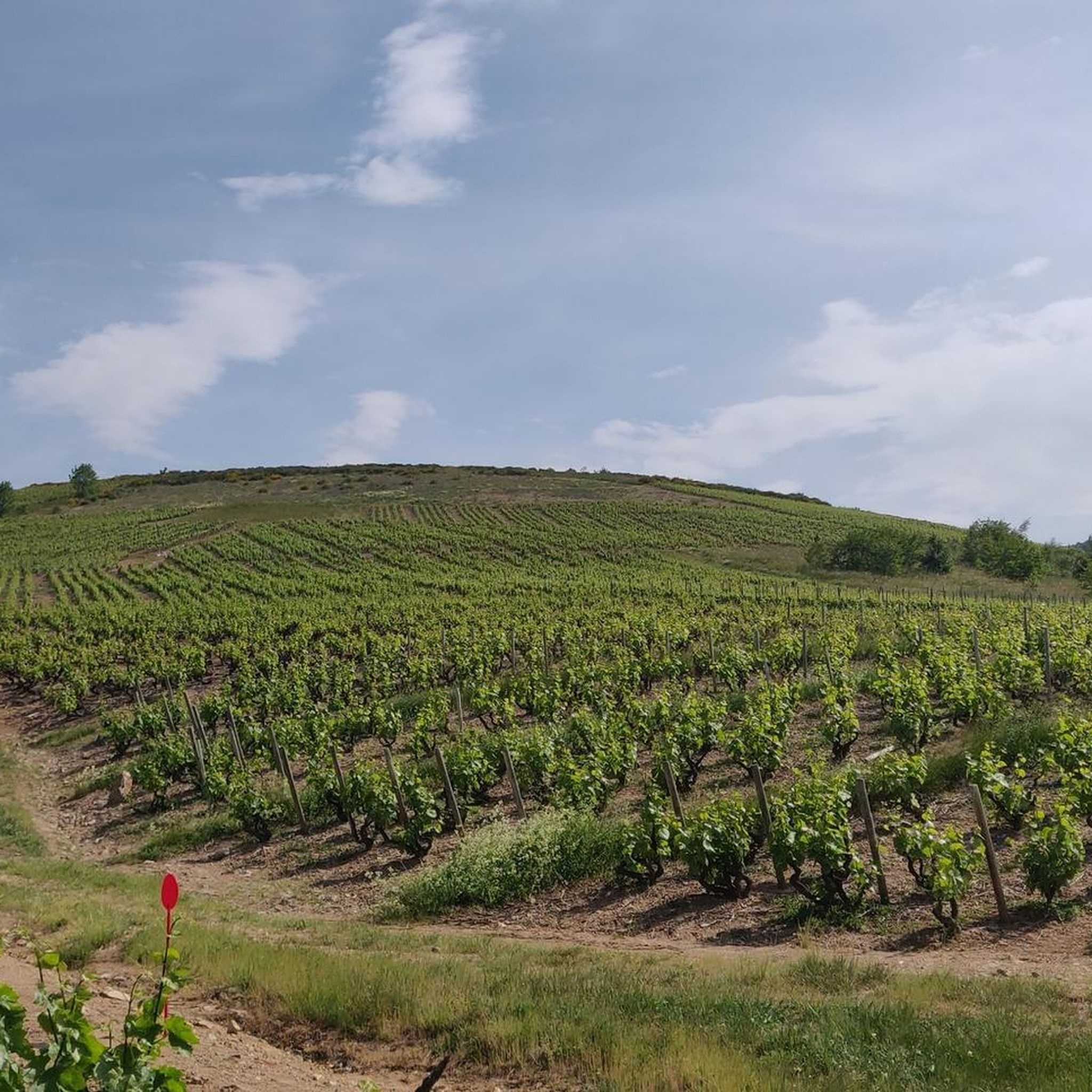
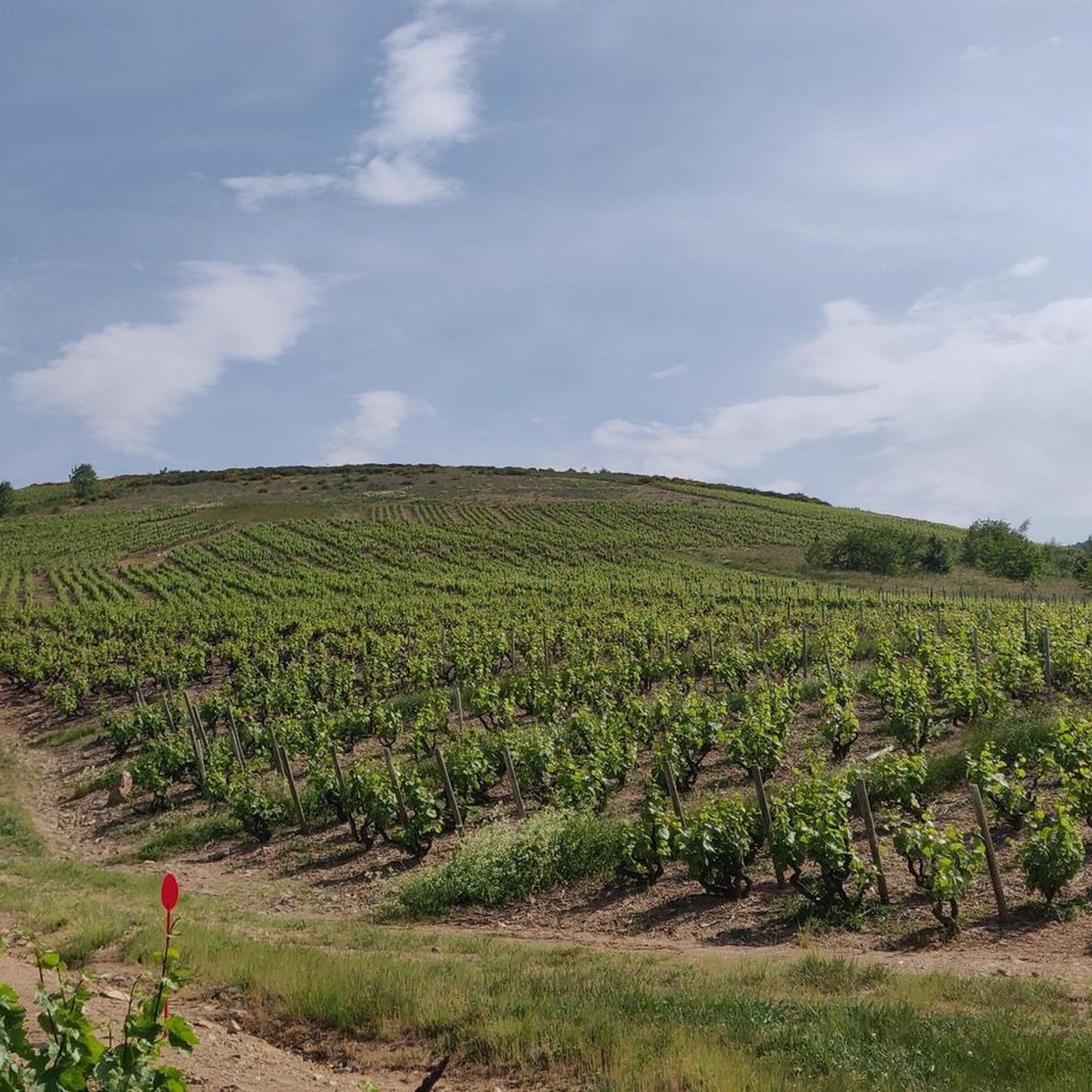
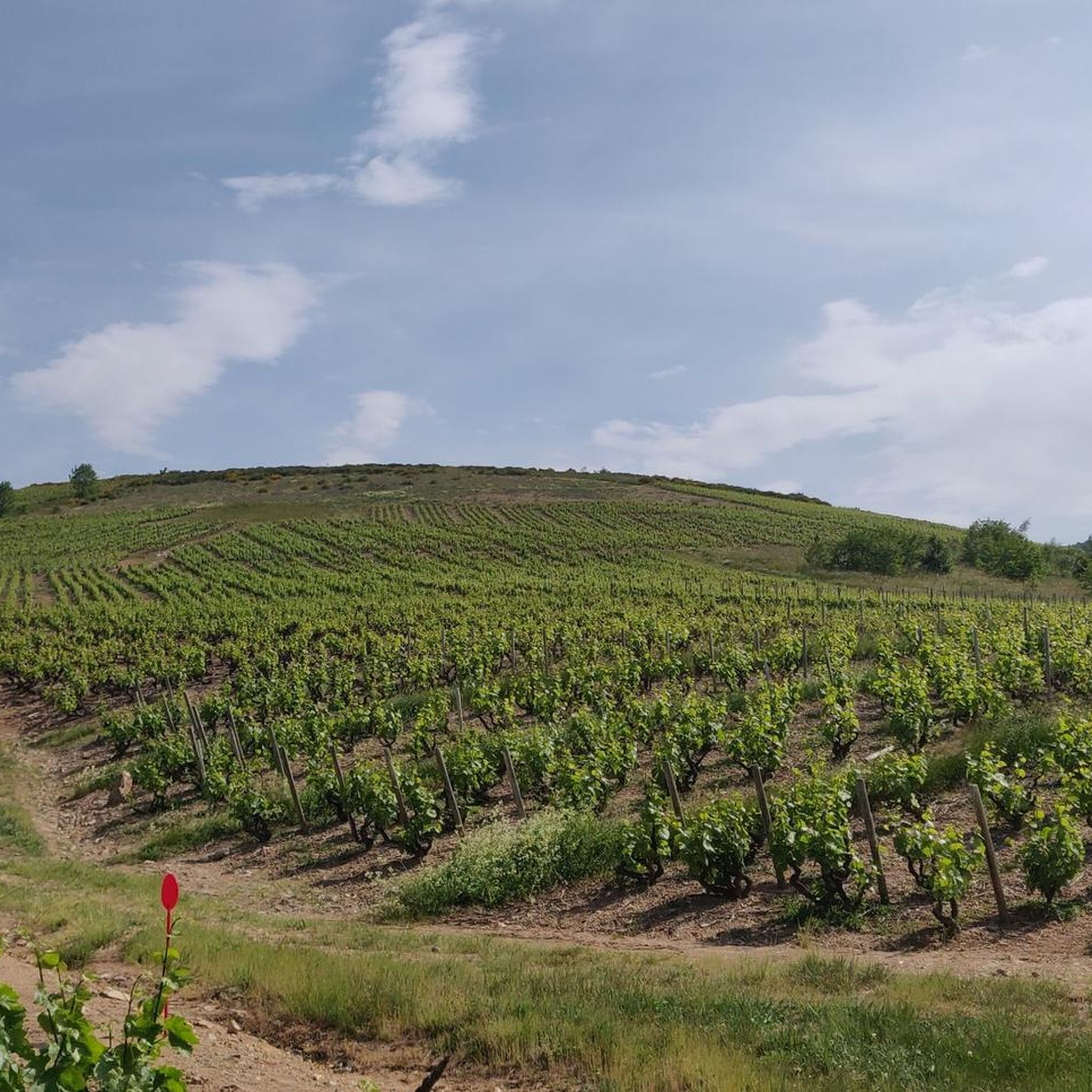
This iconic hill is a must do. It offers breathtaking 360° panoramic views, with its slopes covered in vineyards chosen for their unique volcanic soil which gives the wine of this appellation a distinct taste. At the top, you will also find the Notre-Dame-des-Raisins chapel, built in 1854 to protect the vineyard from bad weather and disease.
2
0
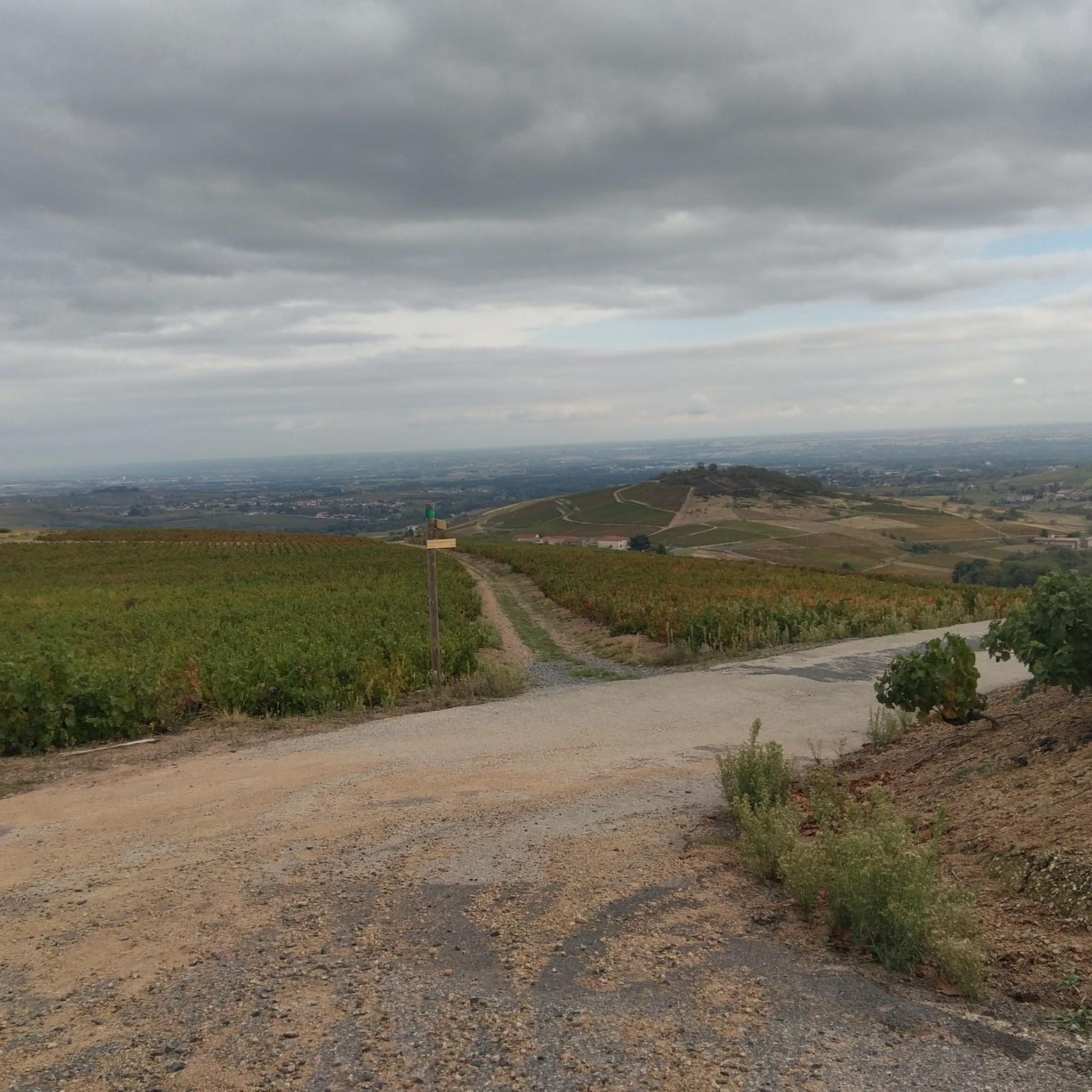
From the parking lot of the Col, it is an ideal starting point for your hike with great panoramic views.
3
0
This iconic hill is a must-visit. It offers breathtaking 360-degree panoramic views with its slopes covered in vineyards chosen because of its unique volcanic soil which gives the wine of this appellation a distinct taste. At the top, you will also find the Notre-Dame-des-Raisins chapel, built in 1854 to protect the vineyard from bad weather and disease.
3
0
Flat and grassy summit ideal for picnics.
0
0
Frequently Asked Questions
What are some of the most notable mountain peaks and elevated areas to visit near Vaux-en-Beaujolais?
The region offers several prominent elevated destinations. Beyond the village of Vaux-en-Beaujolais itself, which provides remarkable 360° views, you can explore Mont Brouilly, known for its vineyards and volcanic geology, or Le Relais du Parasoir for sweeping panoramas. The Col de Saint-Bonnet also offers stunning vistas and a historic chapel.
What kind of panoramic views can I expect from the peaks in the Vaux-en-Beaujolais region?
From various peaks, you can expect breathtaking panoramic views. For instance, Mont Brouilly Summit & Viewpoint offers expansive views of the Beaujolais, the Saône valley, and the Dombes. From Le Relais du Parasoir, you can admire the vast Beaujolais vineyards, the village of Clochemerle, and the Saône valley. On clear days, views from Col de Saint-Bonnet can extend as far as the plain of the Ain and even Mont Blanc.
Are there any historical or cultural sites on these mountain peaks?
Yes, several peaks feature historical and cultural points of interest. At the summit of Col de Saint-Bonnet, you'll find a 12th-century Romanesque chapel dedicated to Saint Bonnet. Mont Brouilly is crowned by the Chapel of Notre-Dame-aux-Raisins, built in 1854. The village of Vaux-en-Beaujolais itself is famous as the inspiration for the novel 'Clochemerle,' with illustrative panels guiding visitors through its history.
Which peaks are suitable for families or those looking for easier walks?
Many areas offer accessible options. The village of Vaux-en-Beaujolais provides easy walks through vineyards from its hilltop. Crêt Lacrampe Summit is described as a flat, grassy summit ideal for picnics, suggesting a more relaxed experience. Mont Brouilly also has interpretation trails that are generally suitable for a wider range of visitors.
What is unique about Mont Brouilly?
Mont Brouilly is distinctive for its unique geology, characterized by 'blue stone' of volcanic origin, which imparts a special character to the local Brouilly and Côte-de-Brouilly wines. It also features the historic Chapel of Notre-Dame-aux-Raisins at its summit and offers a geoscope for geological insights.
Can I find amenities like restaurants or cafes near the mountain peaks?
Yes, Le Relais du Parasoir, located on the hill of St Cyr-le-Châtoux, features a restaurant and bar with a shaded terrace, offering local products. It's a welcoming stop for hikers and cyclists. The village of Vaux-en-Beaujolais also serves as a starting point for trails and likely has local establishments.
Are there opportunities for cycling near the mountain peaks?
The Beaujolais region is very popular for cycling. The Col de Saint-Bonnet is a favored destination for both hiking and cycling, with routes of varying difficulty. You can find numerous cycling routes, including road cycling and gravel biking, around Vaux-en-Beaujolais. Explore options like 'View of Mont Brouilly – Col du Plageret loop' or 'Gravel on the GR76 – Croix Montmain Pass loop' in the Cycling around Vaux-En-Beaujolais guide.
What is the highest point in the broader Beaujolais region?
The highest point in the broader Beaujolais region is Mont Saint-Rigaud, located within the Massif du Saint-Rigaud. It reaches an elevation of 1012 meters and features a wooden observation tower at its summit, providing a remarkable 360° panorama.
What makes the village of Vaux-en-Beaujolais itself a good starting point for exploring the peaks?
The village of Vaux-en-Beaujolais is perched on a hilltop, with its highest point reaching 820 meters, offering a remarkable 360° view of the surrounding landscapes. It serves as an excellent starting point for hiking trails that wind through the vineyards, providing exceptional views of the Beaujolais mountains.
What kind of geological features are prominent in the Beaujolais mountains?
The region is known for its diverse geology. Mont Brouilly, for example, is famous for its unique 'blue stone' of volcanic origin. The Massif du Saint-Rigaud is also a significant geosite within the Beaujolais Geopark, indicating its geological importance and interesting formations.
Is it possible to see Mont Blanc from any of the peaks in the region?
Yes, on exceptionally clear days, the views from the Col de Saint-Bonnet can extend as far as the plain of the Ain and even Mont Blanc. Similarly, from Mont Brouilly, on clear days, the panorama can extend to the Alps and Mont Blanc.
What are the hiking conditions like during different seasons in the Beaujolais mountains?
The region is generally suitable for hiking across seasons, though specific conditions vary. Le Relais du Parasoir operates seasonally, subject to weather conditions, indicating that some areas might be less accessible in adverse weather. Summer offers warm, sunny conditions ideal for vineyard walks, while spring and autumn provide pleasant temperatures and vibrant scenery. Winter hiking is possible but may require checking local conditions, especially at higher elevations like Mont Saint-Rigaud.
Most popular routes around Vaux-En-Beaujolais
Most popular attractions around Vaux-En-Beaujolais

Get inspired with the komoot mobile app


Explore more
See even more amazing summits around Vaux-En-Beaujolais with these guides:
