The best walks and hikes around Roppenheim
4.5
(1517)
7,020
hikers
398
hikes
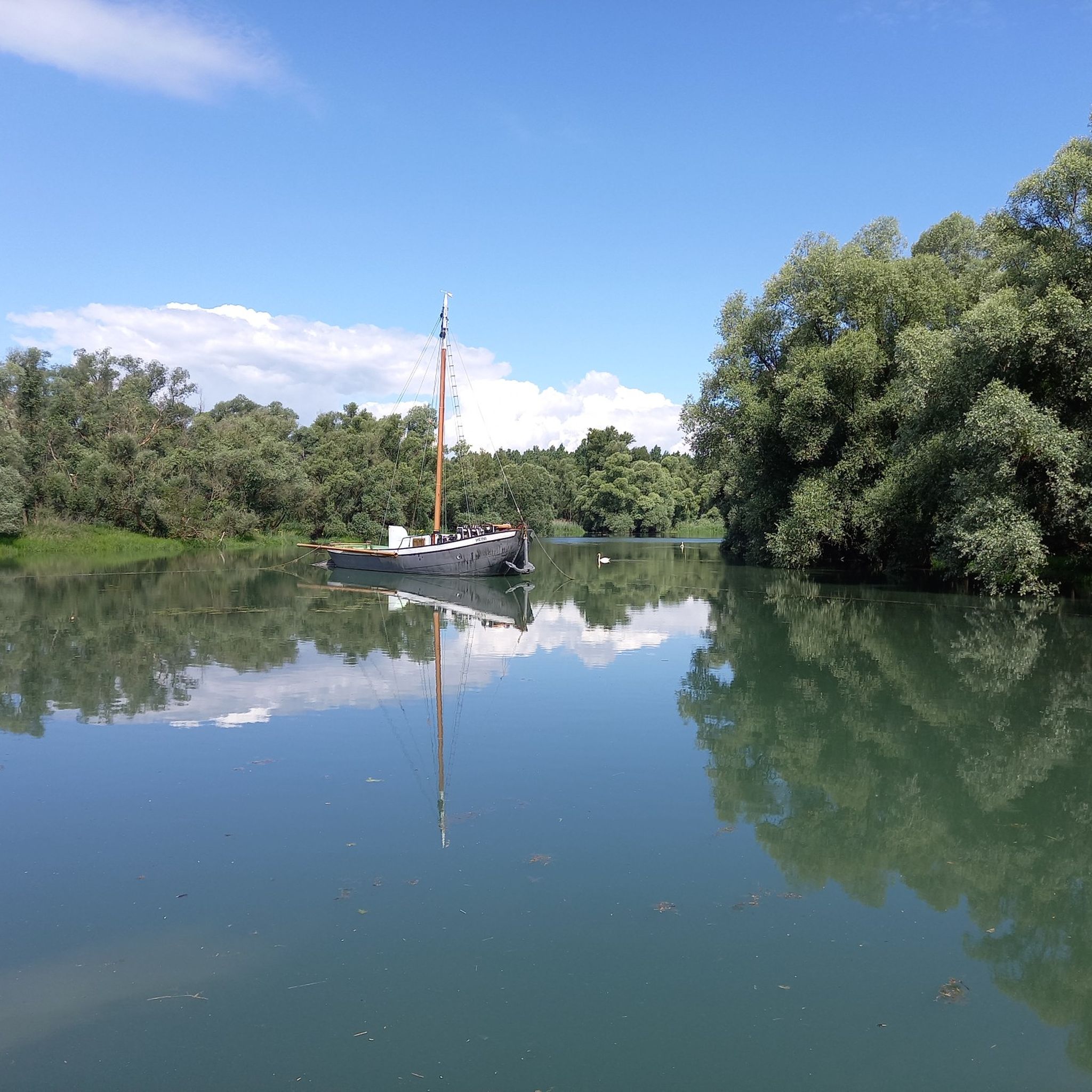
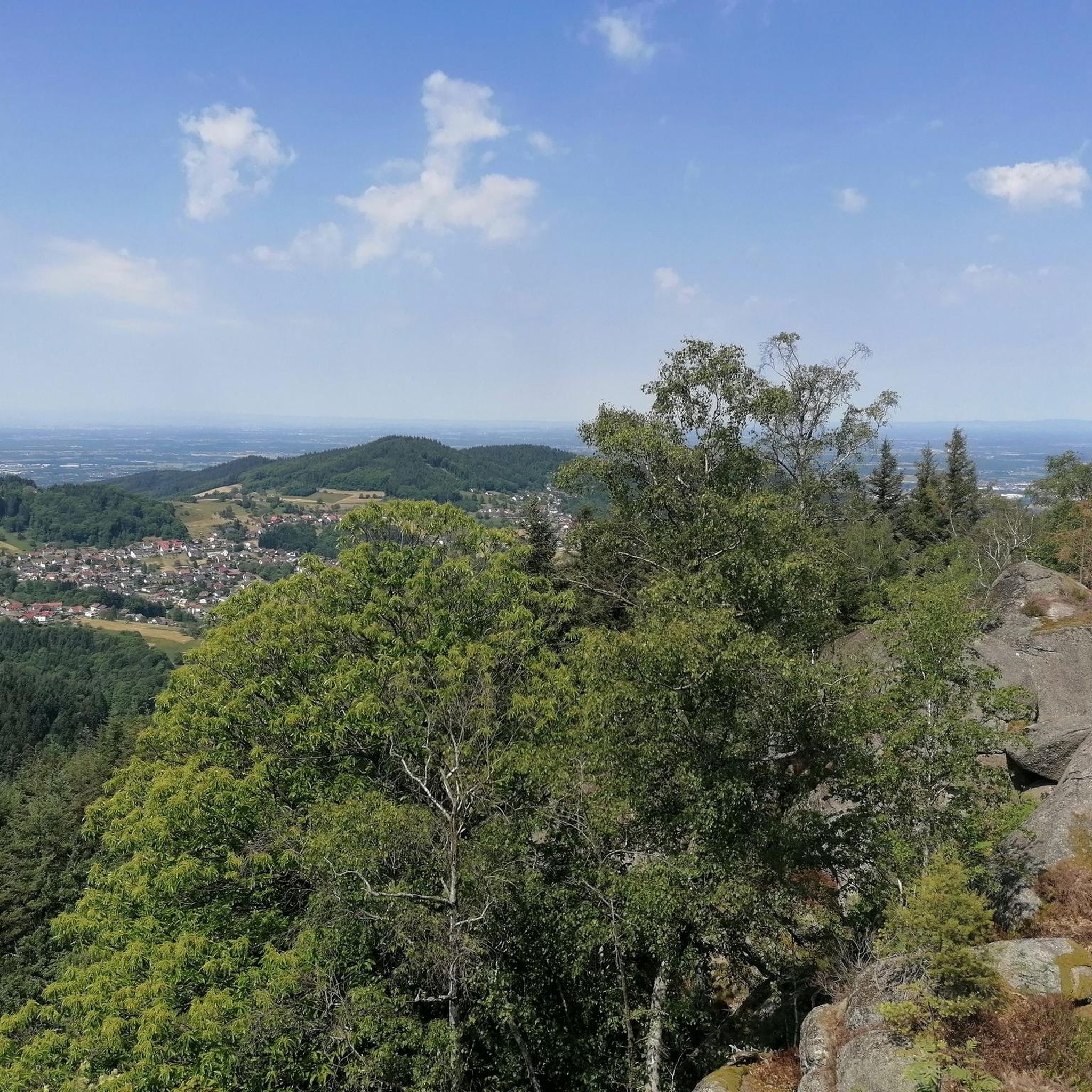
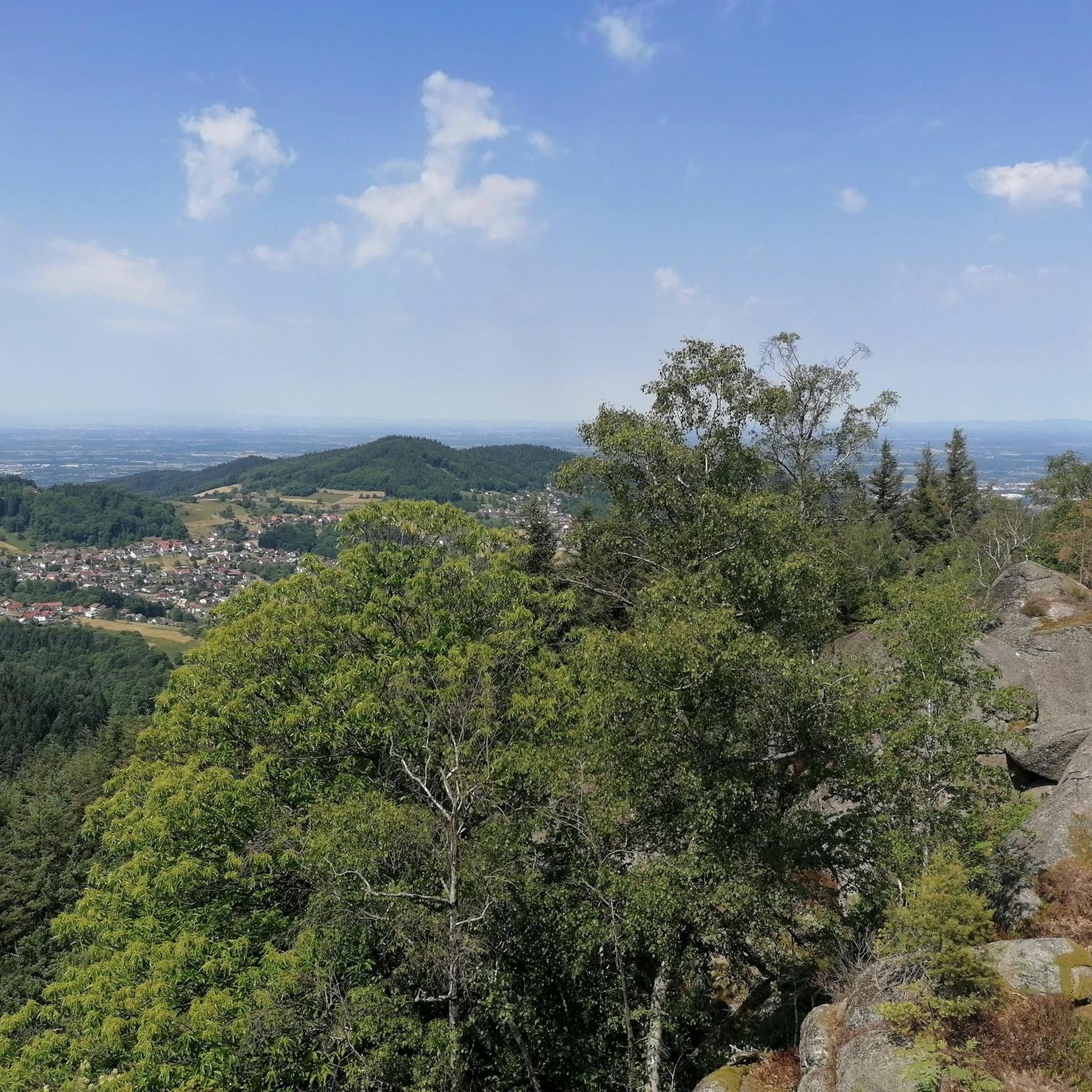
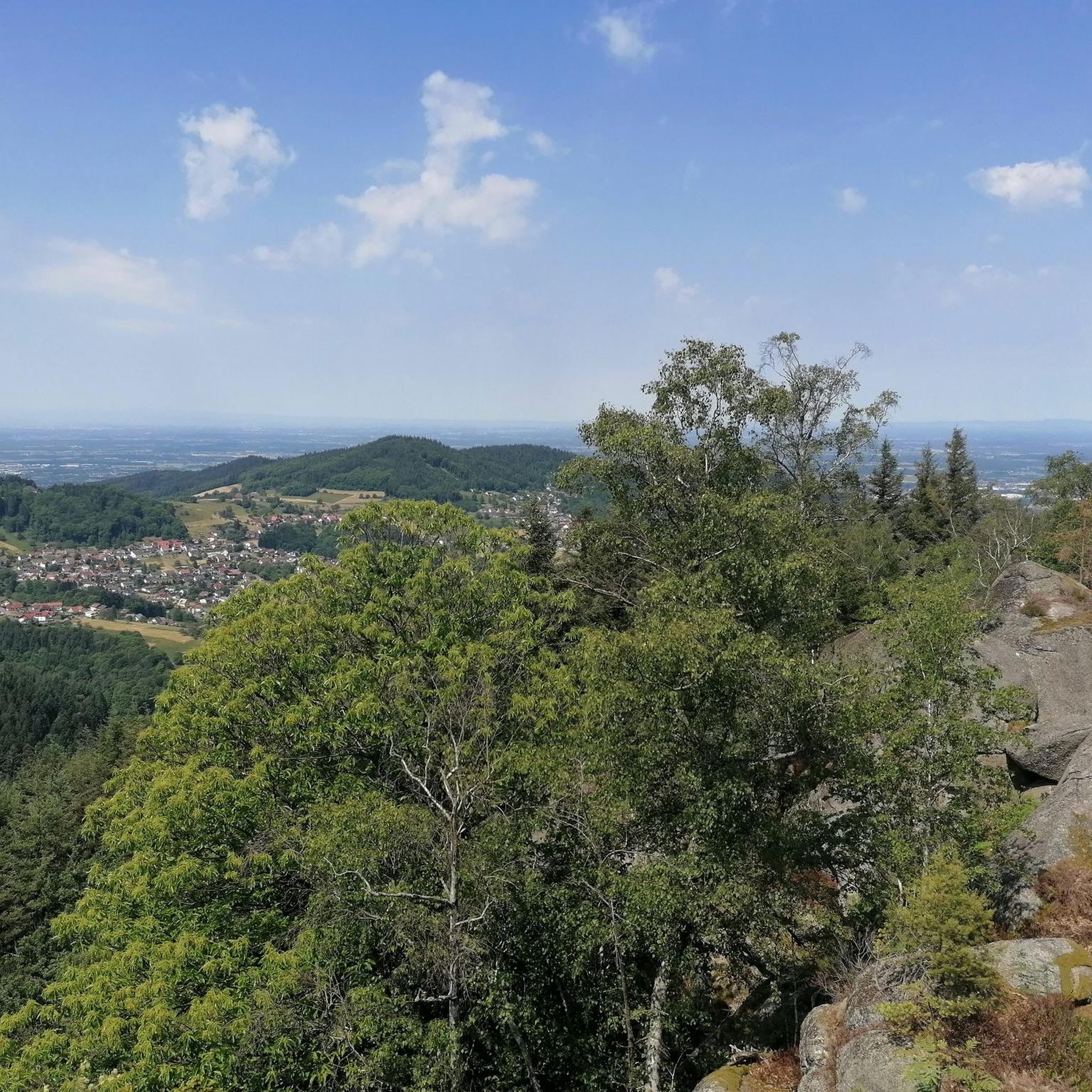
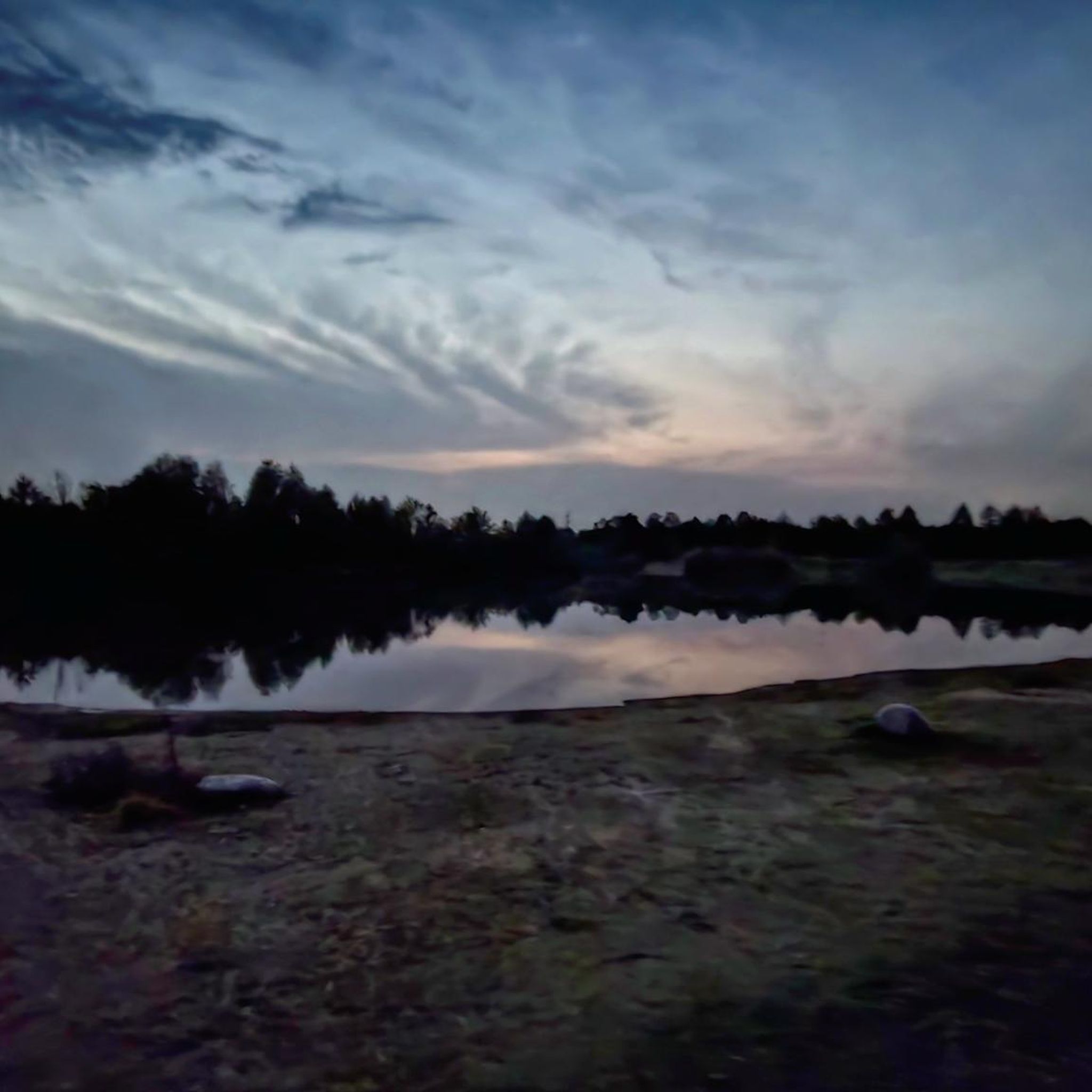
Hiking around Roppenheim offers a diverse experience through a flat valley landscape situated alongside the Rhine River. The region features riverine environments, including floodplains and nature reserves like the Sauer Delta, which provide habitats for abundant wildlife. Hikers traverse paths above Europe's largest groundwater table, and on clear days, distant views of the Black Forest and the foothills of the Northern Vosges are visible.
Best hiking trails around Roppenheim
- The most popular hiking route is Iffezheim Lock – Benches at…
Last updated: August 5, 2026
4.9
(7)
18
hikers
12.4km
03:08
20m
20m
Moderate hike. Good fitness required. Easily-accessible paths. Suitable for all skill levels.
3.8
(6)
12
hikers
12.6km
03:15
40m
40m
Moderate hike. Good fitness required. Easily-accessible paths. Suitable for all skill levels.

Sign up for free
5.0
(4)
20
hikers
13.0km
03:17
20m
20m
Moderate hike. Good fitness required. Easily-accessible paths. Suitable for all skill levels.
4.4
(5)
44
hikers
Moderate hike. Good fitness required. Easily-accessible paths. Suitable for all skill levels.
3.0
(2)
10
hikers
Easy hike. Great for any fitness level. Easily-accessible paths. Suitable for all skill levels.
Get access to more routes and recommendations from other explorers.
Sign up for free
Already have an account?
Our route recommendations are based on thousands of hikes, rides, and runs completed by other people on komoot.
Start today with a free account
Your next adventure awaits.
Login or Signup
Tips from the Community

Watching ships passing through locks is always interesting
0
0

From the bridge you can watch the lock operation. It is always fascinating to see how the heights are bridged.
0
0

The Iffezheim barrage is a barrage on the Upper Rhine that increases the navigability of the river and at the same time serves to generate electrical energy.
1
2

The lock at Iffezheim...interesting
1
2


Main fort of Fort-Louis, former fortress In 1686, King Louis XIV of France ordered the construction of a fortress in Lower Alsace, directly on the border with the Margraviate of Baden. It was built over a period of ten years from 1687 on an island in the Rhine, which was not yet regulated at the time, according to plans by Sébastien Le Prestre de Vauban and the fortress engineer Jacques Tarade. The medieval palace in Haguenau, around twenty kilometers away, was razed to the ground and the usable stones were used to build the new fortress on the Rhine. Two outlying forts were built as bridgeheads on the opposite banks of the Rhine, Fort Alsace on the Alsatian side and Fort Marquisat on the Baden bank. To the south of the main fort, called Fort Carré, the regular street grid of the municipality of Fort-Louis was created on the island, and the king promoted its settlement with privileges. Fort Marquisat had to be abandoned after the Peace of Rijswijk in 1697, and finally after the Peace of Rastatt in 1714. The main fortress was stormed in 1793 in the First Coalition War and further destroyed in 1815-18. Since the Rhine was straightened in the 19th century, the fort and the municipality have been located on the left bank of the Rhine. Remains of the fortress are still there today, with information boards in front of and on the site of the former fortification.
1
0
French: Polder de la Moder Location: Lifting station on the Rhine, to flood the polder in the event of flooding via 6 lifting lines The Moder polder is a retention area to protect against flooding on the Upper Rhine at Rhine kilometer 330. It is located in the districts of the municipalities of Fort-Louis and Neuhaeusel in the Bas-Rhin department in the French region of Grand Est. The polder was created as part of the Integrated Rhine Program, which aims to restore protection against 200-year flooding on the Upper Rhine, which had been lost due to the construction of barrages on the southern Upper Rhine and the embankment of river floodplains. The polder is located above the Iffezheim barrage. The water level of the Rhine, which is surrounded by dams, is approximately six meters above the ground. The polder is named after the river Moder, which used to flow into the Rhine at the northern end of the polder. Today, the Moder runs parallel to the Rhine to the north and flows into the Moder below the barrage. The polder area, surrounded by a dyke, is predominantly wooded; over a third of the area is taken up by two quarry ponds. The polder, completed in 1992, has an area of 240 hectares, on which up to 5.6 million cubic metres of water can be retained. Up to 160 cubic metres of water per second can be channelled into the polder via six siphon pipes. The polder is operated by Voies navigables de France (VNF), the state waterways administration in France. The polder is emptied via the Rhine side ditch, which runs at the foot of the Rhine dam and flows into the Moder. There are also two weirs that connect the north of the polder directly to the Moder. When the polder is in use, the Rhine side ditch is blocked by a weir at the southern end of the polder. The outflow of the Rhine side ditch is then ensured by a ditch that runs inside the polder dyke to the Moder. The polder is used when the discharge at the Kehl-Kronenhof gauge exceeds 4200 cubic metres per second and at the Maxau gauge near Karlsruhe exceeds 4400 cubic metres per second. The polder is emptied when the discharge in Maxau has fallen below 4000 cubic metres per second. The outlet area of the Söllingen/Greffern polder is on the opposite, Baden side of the Rhine.
0
0

Depending on the wind direction, driving down on the road is less strenuous because it is somewhat protected from the wind. But it's nicer up on the Rhine.
3
0
Frequently Asked Questions
How many hiking trails are available around Roppenheim?
Roppenheim offers a wide variety of hiking options, with over 380 trails recorded on komoot. These range from easy strolls to more challenging routes, catering to different fitness levels and preferences.
What kind of terrain can I expect on hikes in Roppenheim?
The region is characterized by a flat valley landscape alongside the Rhine River. You'll find paths traversing riverine environments, floodplains, and nature reserves. While generally flat, some routes offer distant views of the Black Forest and the Northern Vosges foothills on clear days.
Are there any easy, family-friendly hikes in Roppenheim?
Yes, Roppenheim has many easy trails suitable for families. Over 260 routes are classified as easy. For example, the Iffezheim Lock – Benches at Iffezheim Lock loop from Rheinkraftwerk Iffezheim is an easy 6.4 km trail that takes about 1 hour 35 minutes, offering pleasant views along the Rhine.
Can I find circular hiking routes in the area?
Many of the trails around Roppenheim are designed as loops, offering convenient circular routes. For instance, the Row of Birches – Wayside Crucifix loop from Neuhaeusel is a moderate 13 km circular path that takes around 3 hours 14 minutes to complete.
What are some interesting natural features or landmarks to see while hiking?
Hikers can explore the Rhine River and its floodplains, as well as the significant Sauer Delta Nature Reserve, known for its diverse birdlife and unique forest. On clear days, you might catch views of the Black Forest. Man-made attractions include the unique Seltz–Plittersdorf Cable Ferry and the historical Wintersdorf Railway Bridge.
Are there any historical sites or castles near the hiking trails?
Yes, the region has historical significance. You can explore nearby castles and historical sites. Notable attractions include Rastatt Palace, Fort Carré of Fort-Louis, and the Casemates of Bastion 27 – Ludwigsfeste, which can be combined with hiking excursions.
What do other hikers say about the trails in Roppenheim?
The komoot community highly rates the trails in Roppenheim, with an average score of 4.5 stars from over 1300 reviews. Hikers often praise the well-maintained paths, the serene riverine landscapes, and the opportunities for nature observation, especially in areas like the Sauer Delta.
Are there any trails that feature botanical interests?
Yes, some trails are specifically designed to highlight the local flora. The Leutenheim Botanical Trail – Meadow loop from Forstfeld is a moderate 12.6 km route that leads through meadows and showcases various botanical features, taking about 3 hours 15 minutes.
Can I reach hiking trails in Roppenheim using public transport?
While specific public transport connections to every trailhead vary, Roppenheim is generally accessible. For detailed information on reaching specific starting points by bus or train, it's best to consult local public transport schedules for the Bas-Rhin department.
Are there any long-distance hiking options or routes that take several hours?
Yes, Roppenheim offers several longer routes for those seeking a more extended hike. For example, the Row of Birches – Sunset View Near Moder loop from Neuhaeusel is a moderate 12.4 km path that typically takes around 3 hours 10 minutes to complete, featuring open landscapes and river views.
Is there a specific trail that offers a unique experience, like a ferry crossing?
While not a dedicated hiking trail, the Seltz–Plittersdorf Cable Ferry, which crosses the Rhine using only the power of the current, is a unique attraction in the region. Hikers can incorporate a crossing into their route planning for an interesting experience.
Most popular routes around Roppenheim
Most popular attractions around Roppenheim

Get inspired with the komoot mobile app


Explore more
Browse the best Hikes in other regions.
