The best road cycling routes around Mantoche
3.6
(40)
397
riders
81
rides
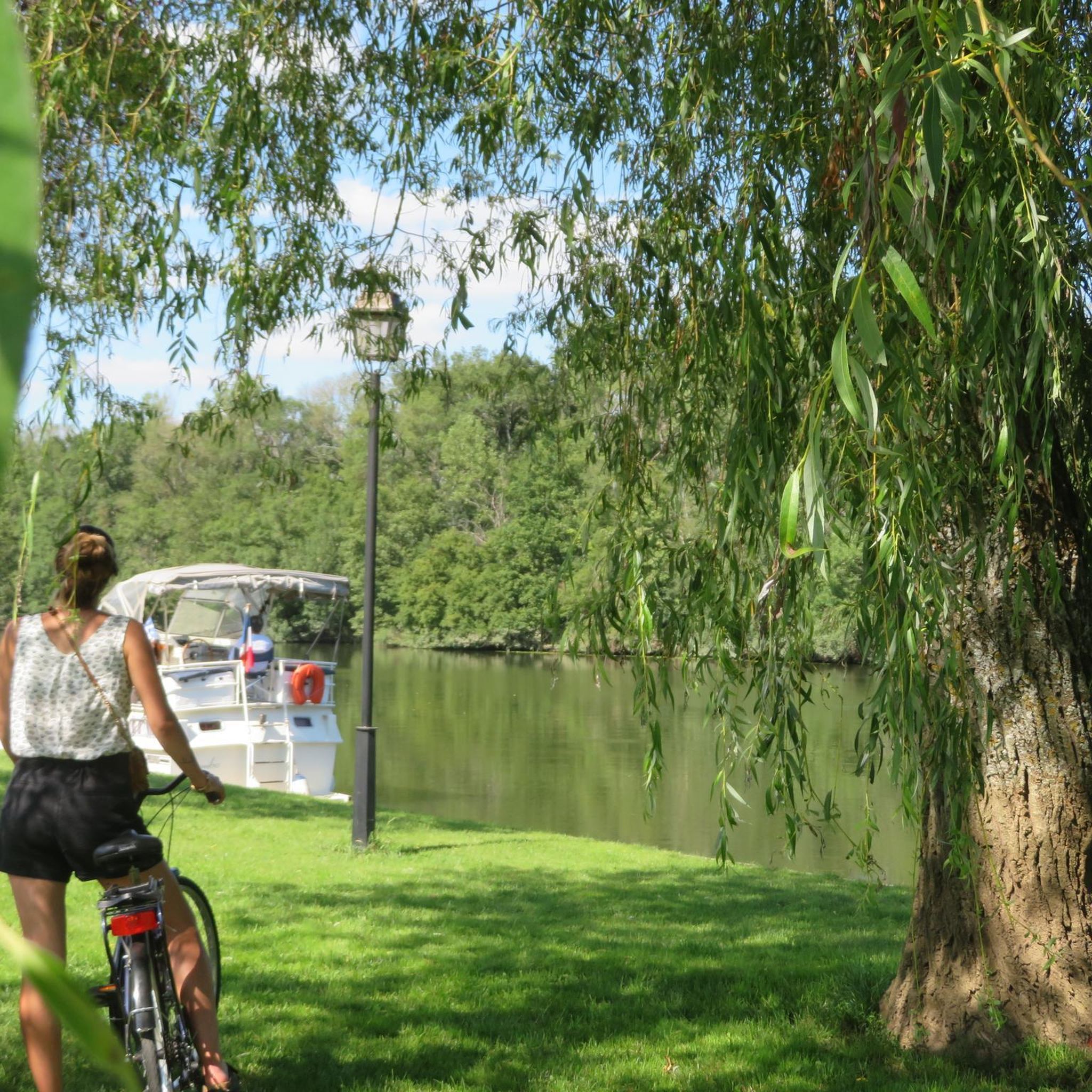
Road cycling routes around Mantoche primarily follow the flat, accessible paths of La Voie Bleue Moselle-Saône, which closely traces the Saône River. This region is characterized by its green, authentic countryside and minimal elevation changes, making it suitable for various skill levels. Cyclists can expect tranquil riverside views and well-maintained, low-gradient paths, often on dedicated towpaths.
Best road cycling routes around Mantoche
- The most popular road cycling route is Gray – Pont de Pierre of Gray loop from Mantoche,…
Last updated: May 21, 2026
11
riders
57.9km
02:33
430m
430m
Moderate road ride. Good fitness required. Some segments of this route may be unpaved and difficult to ride.
3.0
(1)
6
riders
44.7km
01:54
320m
320m
Moderate road ride. Good fitness required. Mostly well-paved surfaces and easy to ride.

Sign up for free
8
riders
46.3km
02:06
320m
320m
Moderate road ride. Good fitness required. Some segments of this route may be unpaved and difficult to ride.
7
riders
49.1km
02:09
340m
340m
Moderate road ride. Good fitness required. Some segments of this route may be unpaved and difficult to ride.
4.0
(2)
9
riders
31.4km
01:26
210m
210m
Moderate road ride. Great for any fitness level. Some segments of this route may be unpaved and difficult to ride.
Get access to more routes and recommendations from other explorers.
Sign up for free
Already have an account?
Our route recommendations are based on thousands of hikes, rides, and runs completed by other people on komoot.
Start today with a free account
Your next adventure awaits.
Login or Signup


Tips from the Community

Valay – Did you know? The town's name comes from the Celtic words "Val," meaning iron, and "Aid," meaning abundance. Pieces made in Valay were used in the construction of the Grande Galerie at the 1889 Universal Exhibition. It's even rumored that Valay cast iron flows within the Eiffel Tower!
0
0

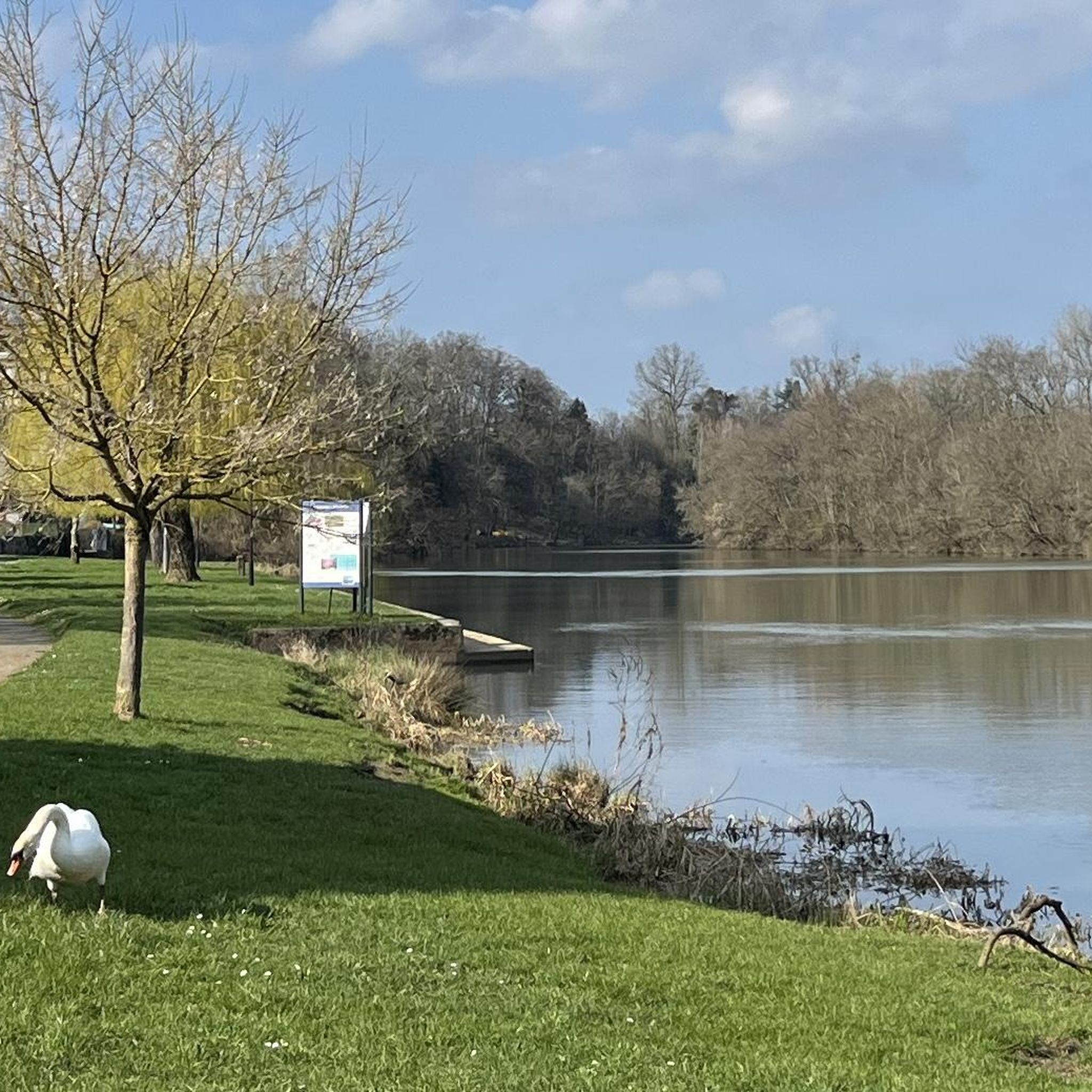
Valay boasts a distinctive architectural heritage: stone farms, old workshops, and wash houses. The town was also home to a major pottery factory in the 19th century, some of whose remains still exist.
0
0


This dam has a fixed part and a mobile part each measuring about fifty meters long. This structure was completely overhauled in 2014 after six years of work. Thus, the original dam dating from the 1840s was equipped with a fish pass and a footbridge on which pedestrians and cyclists can circulate to cross the watercourse.
1
0

A former rural estate in the 11th century, it was fortified in the 15th century to respond to the wars of the time. The peasants took refuge there. Today, you have the pleasure of staying in this castle, which has become private property and is managed as a bed and breakfast. That said, it's a nice visit to take as part of your journey.
2
0
It was once a more rural estate in the 11th century before being fortified in the 15th century to respond to the wars of the time. The peasants can then take refuge there. Today, you have the pleasure of staying in this castle, which is now privately owned and run as a bed and breakfast.
2
0

The historic place has an eventful history. In addition to the Renaissance town hall, the cathedral, the ruins of the castle and the promenade on the banks of the Saône are worth a closer look. And there are enough restaurants, cafes, bars and a supermarket.
2
0
Frequently Asked Questions
How many road cycling routes are available around Mantoche?
There are over 70 road cycling routes available around Mantoche, offering a variety of options for different skill levels. The majority are moderate, with some easier and a few more challenging options.
What is the typical terrain for road cycling near Mantoche?
Road cycling near Mantoche primarily follows the flat, accessible paths of La Voie Bleue Moselle-Saône, which closely traces the Saône River. The terrain is characterized by a green, authentic countryside with minimal elevation changes, making for a generally easy and enjoyable ride.
Are there road cycling routes suitable for families or beginners?
Yes, the region is ideal for families and beginners due to the low-gradient paths of La Voie Bleue. These routes offer tranquil riverside views and are often on dedicated, car-free towpaths, ensuring a safe and pleasant experience. Many routes are considered easy, providing a gentle introduction to road cycling.
What landmarks or points of interest can I see along the road cycling routes near Mantoche?
Along the routes, you can discover several interesting landmarks. Notable sights include the Pont de Pierre of Gray, the Apremont Dam, and the historic Château de Rosières. Mantoche itself also features the Mantoche Castle. The routes also pass through charming riverside villages.
What is the best time of year for road cycling in Mantoche?
The best time for road cycling in Mantoche, and along La Voie Bleue, is generally from spring through early autumn. During these seasons, the weather is mild, and the riverside scenery is at its most vibrant. Minimal elevation changes mean routes are enjoyable even in warmer temperatures, though checking local weather forecasts is always recommended.
Are there circular road cycling routes around Mantoche?
Yes, many road cycling routes around Mantoche are designed as loops, allowing you to start and end at the same point. Examples include the Gray – Pont de Pierre of Gray loop from Mantoche and the Pont de Pierre of Gray – Gray loop from Mantoche, which offer convenient circular journeys.
Where can I park my car when road cycling near Mantoche?
While specific parking areas in Mantoche are not detailed, the region along La Voie Bleue is generally cyclist-friendly. You can often find parking in the charming towns and villages along the route, such as Gray or Pontailler-sur-Saône, which serve as good starting points for rides. Look for public parking facilities in these areas.
Is public transport available to reach Mantoche with a bicycle?
Public transport options for reaching Mantoche with a bicycle can be limited. It's advisable to check regional bus or train services in the Bourgogne-Franche-Comté region for their specific bicycle transport policies. For detailed information on public transport options, it's best to consult local transport authorities or tourist information centers.
Are there places to eat or stay along the road cycling routes near Mantoche?
Yes, along La Voie Bleue, you'll find amenities such as picnic tables and benches. Many accommodations and restaurants along the route, particularly in nearby towns like Talmay and Pontailler-sur-Saône, bear the 'Accueil vélo' label, indicating they are cyclist-friendly and offer services like bike storage or repair kits. These places provide opportunities for refreshments and overnight stays.
Do I need any special permits for cycling in the Haute-Saône region?
Generally, no special permits are required for road cycling on public roads and designated cycling paths like La Voie Bleue in the Haute-Saône region. However, always respect local regulations and private property signs. For more detailed information on cycling in the region, you can visit the official Haute-Saône tourism website: hautesaonetourisme.com.
Can I cycle with my dog on these routes?
While La Voie Bleue is generally accessible, policies regarding dogs on cycling paths can vary. It's usually permitted to cycle with dogs on a leash, especially on dedicated towpaths, but always ensure your dog is well-behaved and doesn't impede other cyclists or pedestrians. Check for any specific local signage or regulations regarding pets on trails.
Are there any challenging road cycling routes near Mantoche?
While the region is known for its flat and easy routes along La Voie Bleue, there are a few routes that offer slightly more elevation gain for those seeking a moderate challenge. For example, the Rosières Castle loop from Nantilly has over 300 meters of elevation gain, providing a more varied experience compared to the flatter riverside paths.
Most popular attractions around Mantoche

Get inspired with the komoot mobile app


Explore more
Browse the best Road cycling routes in other regions.
