The best cycling routes around Pfarrebersweiler
4.5
(605)
3,733
riders
216
rides
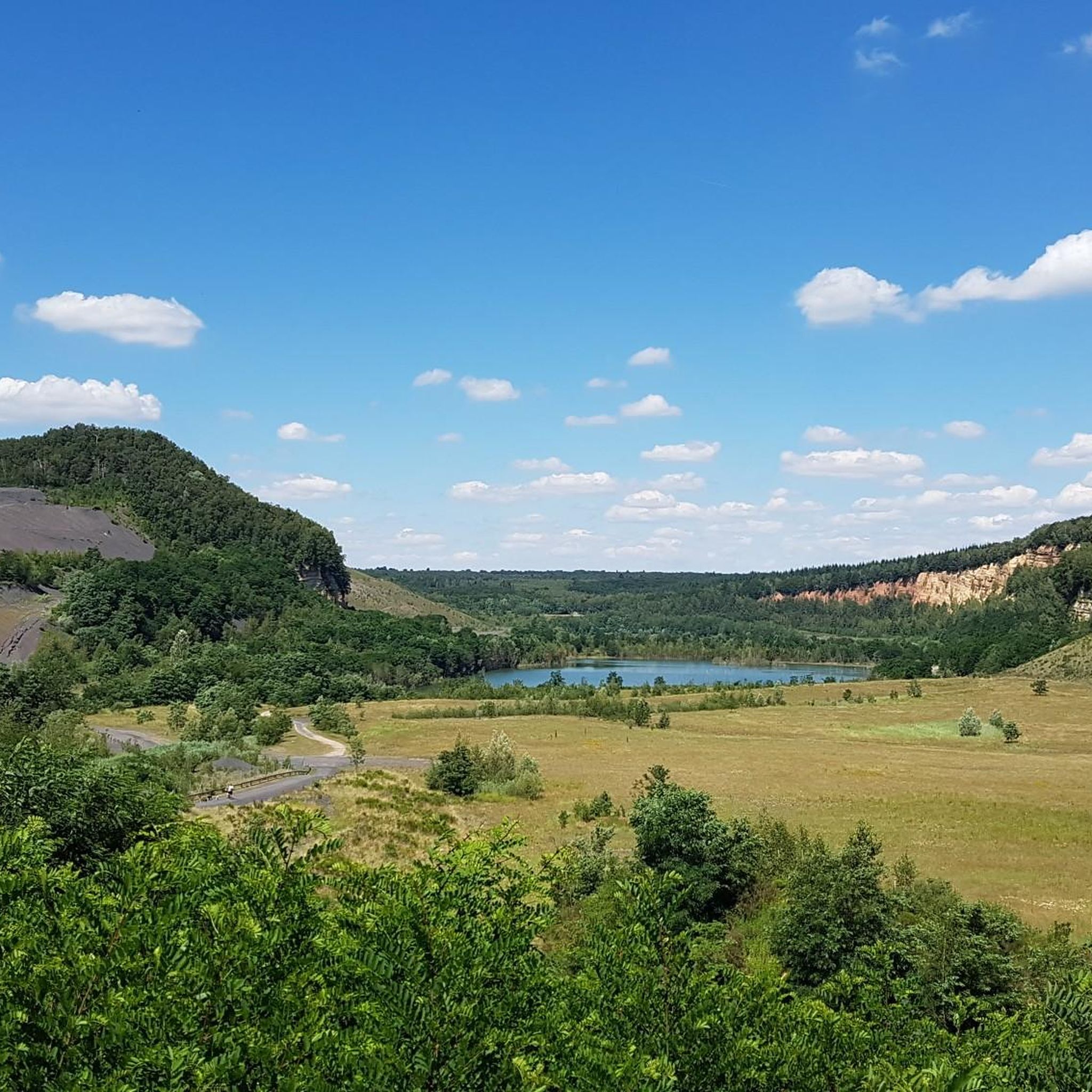
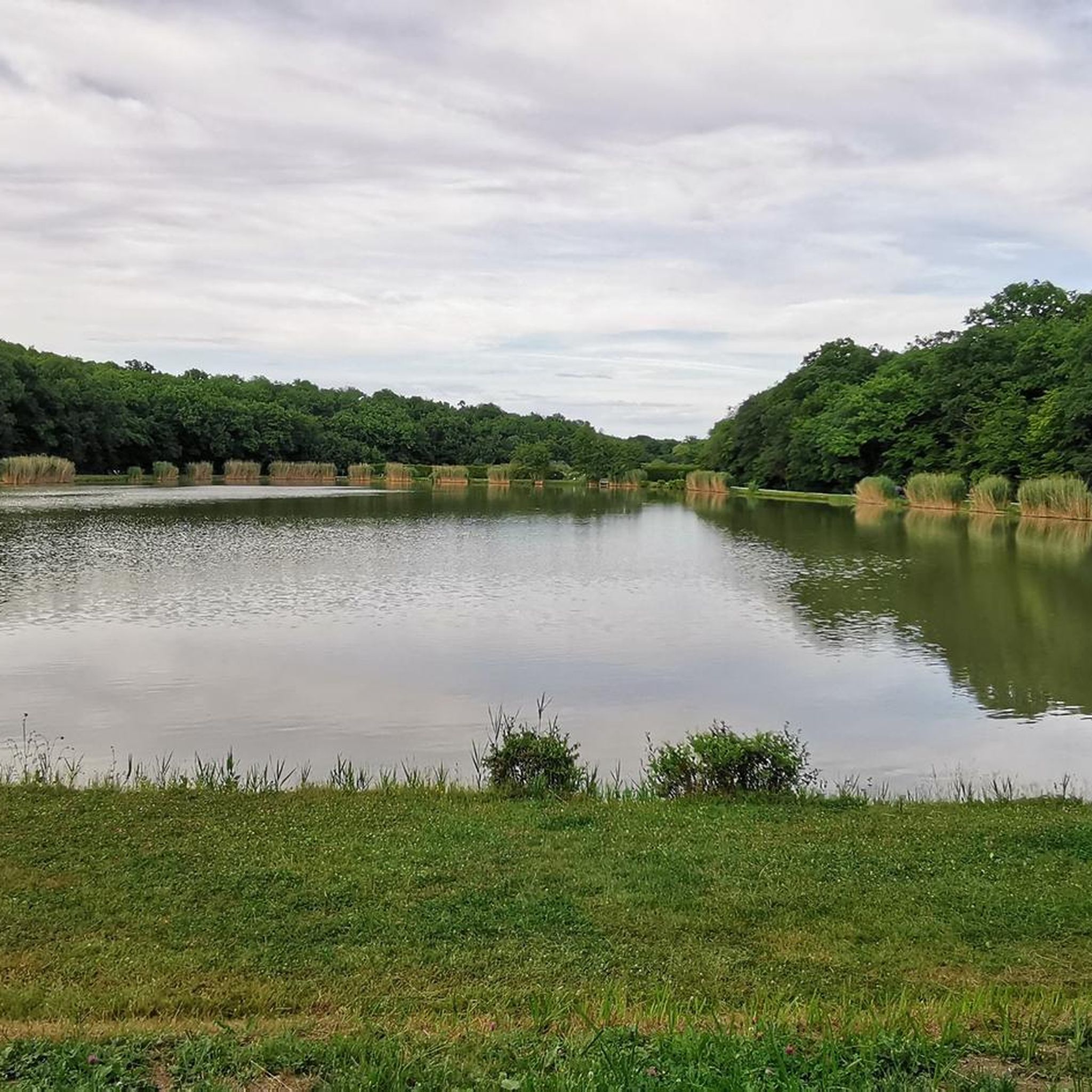
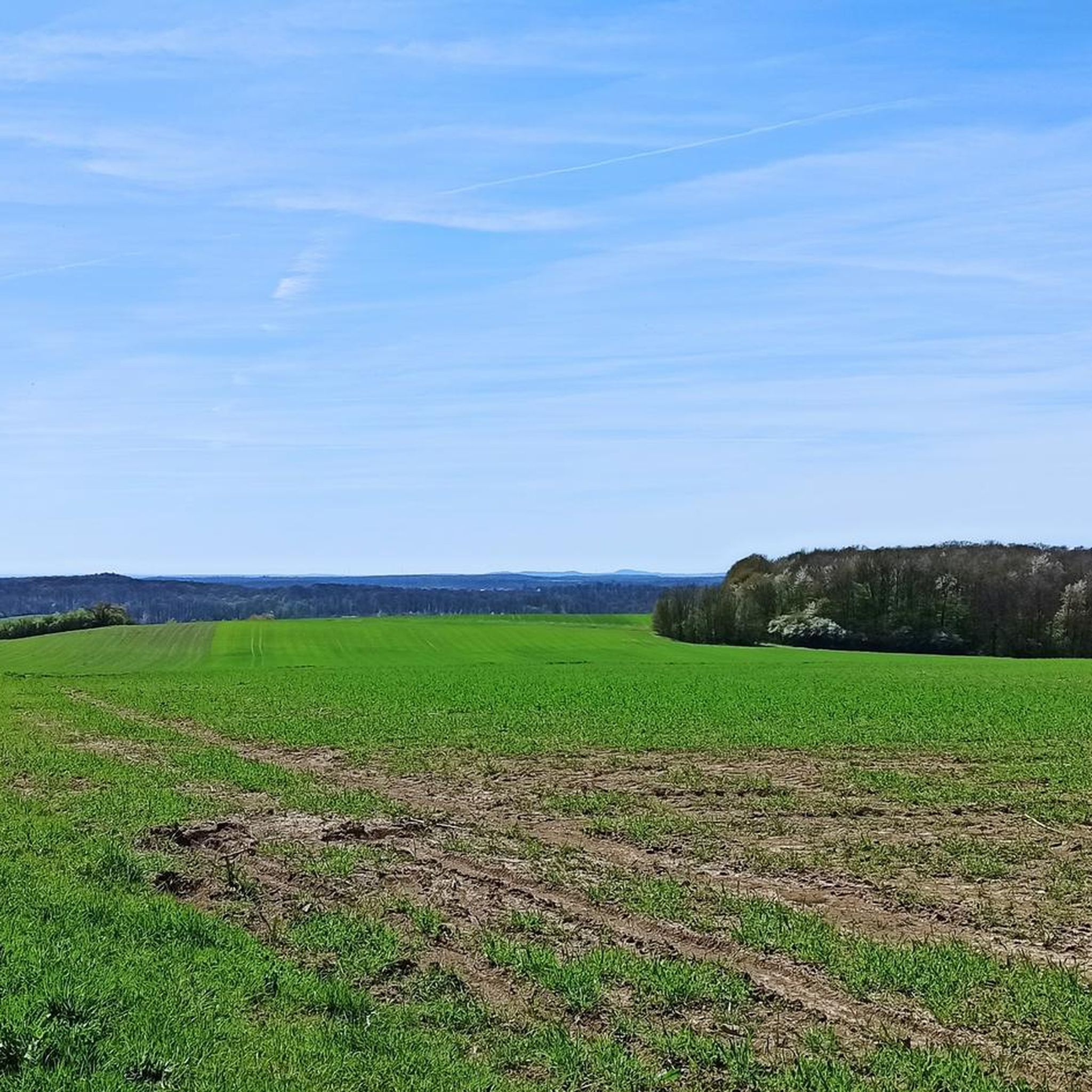
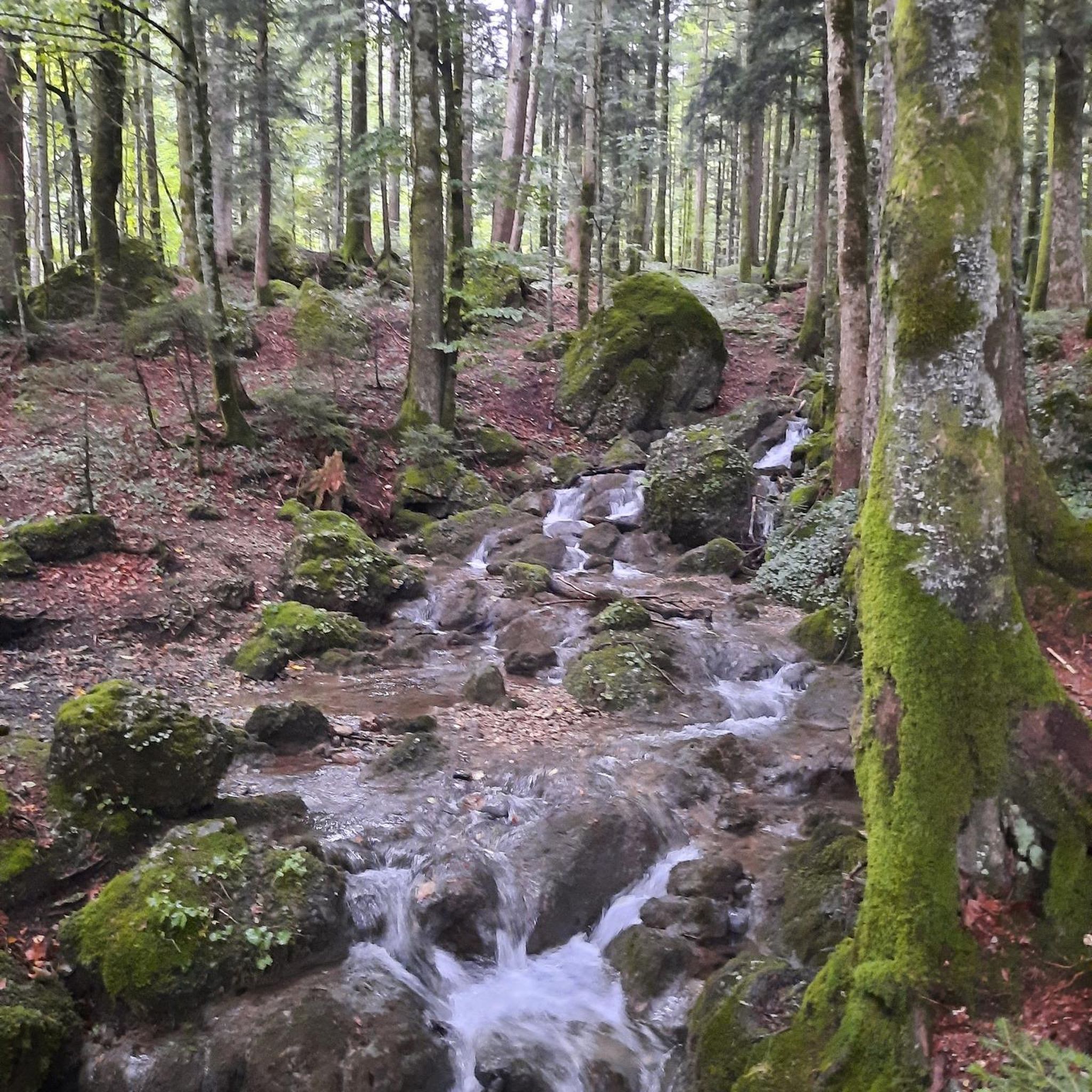
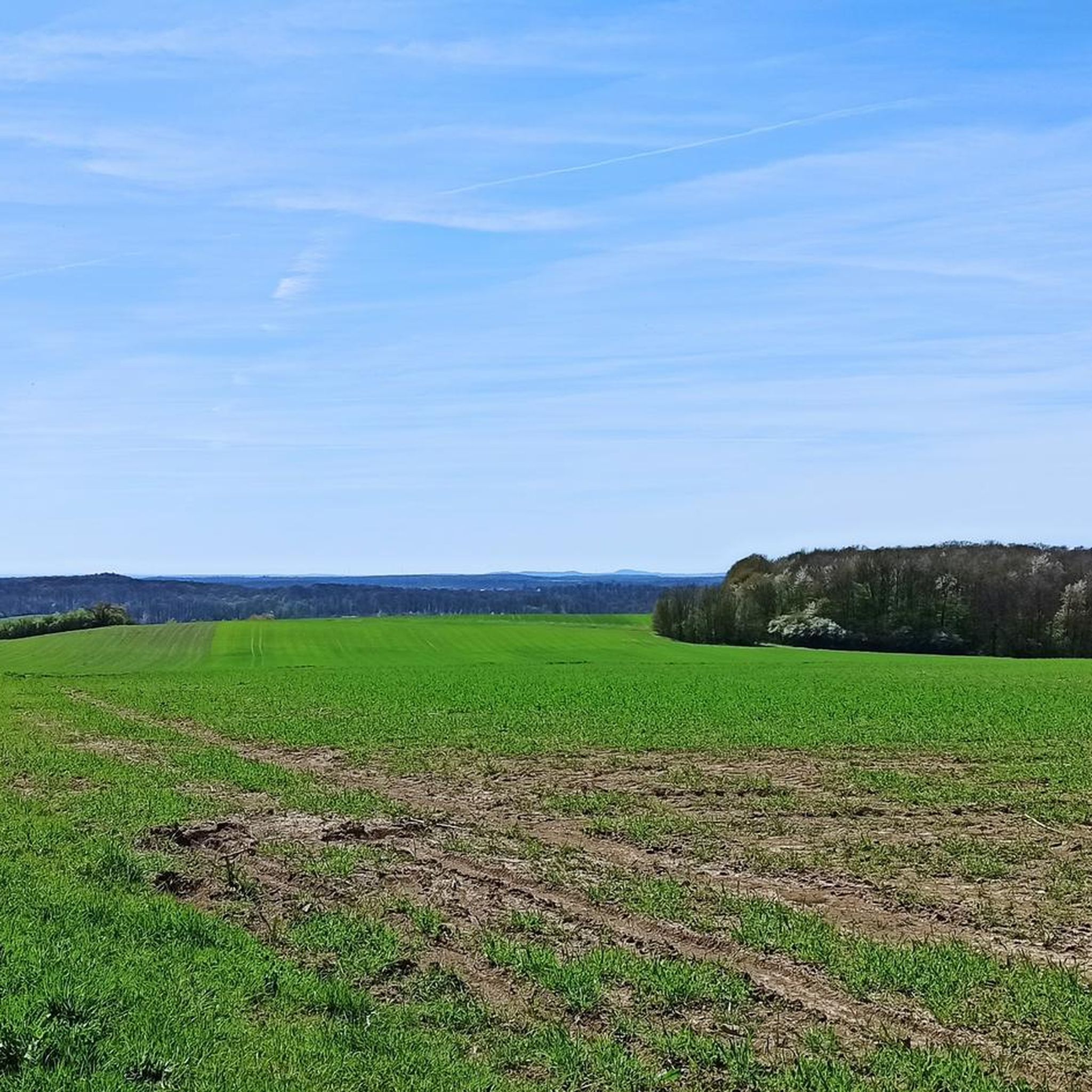
Touring cycling around Pfarrebersweiler features routes that traverse a landscape characterized by woodlands, agricultural fields, and a network of ponds. The region includes gentle hills, with some routes offering moderate elevation gains suitable for various fitness levels. These trails often follow quiet country roads and dedicated bike paths, connecting small villages and natural areas.
Best touring cycling routes around Pfarrebersweiler
- The most popular touring cycling route is Welschhof Pond – Farschviller Pond loop from Farébersviller, a 34.0 miles (54.7…
Last updated: October 9, 2026
5.0
(4)
16
riders
32.5km
02:15
300m
300m
Moderate bike ride. Good fitness required. Mostly paved surfaces. Suitable for all skill levels.
4.8
(12)
16
riders
32.7km
02:22
250m
250m
Moderate bike ride. Good fitness required. Mostly paved surfaces. Suitable for all skill levels.

4.3
(3)
15
riders
24.1km
01:37
180m
180m
Moderate bike ride. Good fitness required. Mostly paved surfaces. Suitable for all skill levels.
5.0
(1)
8
riders
43.1km
02:42
380m
380m
Moderate bike ride. Good fitness required. Mostly paved surfaces. Suitable for all skill levels.
9
riders
18.0km
01:21
160m
160m
Moderate bike ride. Good fitness required. Mostly paved surfaces. Suitable for all skill levels.
Get access to more routes and recommendations from other explorers.
Already have an account?
Our route recommendations are based on thousands of hikes, rides, and runs completed by other people on komoot.
Start today with a free account
Your next adventure awaits.
Tips from the Community

The circuit is easy. I did it with an e-MTB.
0
0
Opposite is a great restaurant open only in summer with a beer garden
0
0

The Schleuser bunnies are THE defining parts of the canal
1
0

This memorial was erected in memory of the 17,000 dead from Alsace and Moselle, forcibly incorporated into the Wehrmacht or other German military formations by the occupier during the annexation of our eastern provinces to the Third Reich from 1940 to 1945, abandoned by the Vichy government, in defiance of all legality. These victims were young men and women born between 1906 and 1928, mobilized from October 16, 1942, to January 12, 1945, under threat of family deportation in the event of desertion. Consumed in the Red Army in 1943, as "escapees" or as "unwilling" Wehrmacht prisoners of war, they were dragged from camp to camp, immediately converted into "underfed forced laborers." A large number of them were gathered very early on at the sinister Tambow camp, known as the "French camp" due to the size of the French Community at certain times. Tyranny, malnutrition, arbitrary punishments, excessive workload, deteriorating collective morale, epidemics, the harsh climate, inadequate clothing, overcrowding, and poor hygiene—all these factors quickly took their toll on the captive population. The loss of life at the Tambow camp is estimated at approximately 50 to 60 percent. Between 1944 and 1945, 68,000 prisoners of war of all nationalities passed through, among whom the "French contingent" was the most exploited. Few endured this regime of psychological persecution, meager rations, and forced labor for which they were ill-suited. Almost all survivors reported incurable after-effects. Six Lazarets and two rudimentary "Hospitals," antechambers of death, delivered their cargo of corpses every night, early in the morning, then dumped pell-mell into the mass graves dug by their comrades in the forest around the camp. This memorial is intended to be a place of contemplation and reflection in tribute to the dead who perished needlessly, sacrificing their young lives without reproach, knowing that their remains would never be repatriated. Most were delivered to the inhospitable Russian land, in complete anonymity. Thousands of families thus lost all trace of their sons, their husbands, their fathers who died neither for Germany nor for Russia, but in the fervent expectation and hope of returning to France, their homeland." The survivors of these Russian camps, originally from Alsace and Moselle, have devoutly preserved the memory of these dark hours and of their abandoned comrades, whom they consider "Martyrs." Don't forget them!
0
0
The El Hijra Mosque was completed in 1994, while the first stone was laid in April 1983. It is one of the largest mosques in eastern France. Nearly 4,000 Muslims attend it regularly.
0
0
Beautifully landscaped paths for cyclists and hikers
0
0

Bench, trash can and great view of the canyon
0
0

A very beautiful renaturalized pit or quarry. A cool gateway for cyclists.
0
0
Frequently Asked Questions
How many touring cycling routes are available in Pfarrebersweiler?
Pfarrebersweiler offers a wide selection of touring cycling routes, with over 220 options to explore. These routes traverse a diverse landscape of woodlands, agricultural fields, and numerous ponds, catering to various fitness levels.
Are there easy touring cycling routes suitable for beginners or families?
Yes, Pfarrebersweiler has a good number of easy touring cycling routes. You'll find nearly 40 routes classified as easy. A great option for a relaxed ride is the Bike loop from Béning-lès-Saint-Avold, which is just over 12 km long with minimal elevation gain.
What kind of elevation gain can I expect on touring cycling routes in Pfarrebersweiler?
The routes in Pfarrebersweiler feature gentle hills, with some offering moderate elevation gains suitable for various fitness levels. For a more challenging ride, routes like Le Glück Auf Lodge – Forêt de Forbach loop from Théding include significant climbs, reaching over 730 meters of elevation gain.
Are there any circular touring cycling routes in the area?
Many of the touring cycling routes in Pfarrebersweiler are designed as loops, allowing you to start and end at the same point. For example, the popular Farschviller Pond – Lower Hoste Pond loop from Théding offers a scenic circular path between two ponds.
What are some scenic viewpoints or natural attractions I can see along the routes?
The region is rich in natural beauty. You can discover highlights such as the Panoramic Platform at Barrois Quarry, offering expansive views, or the tranquil Lower Hoste Pond. The Barrois Quarry itself is also a notable natural monument.
When is the best time of year for touring cycling in Pfarrebersweiler?
Spring and autumn are generally ideal for touring cycling in Pfarrebersweiler. The weather is typically milder, and the natural landscapes, with their woodlands and ponds, are particularly beautiful during these seasons. Summer can also be pleasant, but it's advisable to start earlier in the day to avoid the midday heat.
What do other touring cyclists enjoy most about Pfarrebersweiler?
The touring cycling routes in Pfarrebersweiler are highly rated by the komoot community, with an average score of 4.6 stars from over 490 reviews. Cyclists often praise the region's mix of quiet country roads, dedicated bike paths, and the picturesque scenery of woodlands, fields, and numerous ponds.
Are there any challenging touring cycling routes for experienced riders?
Yes, for experienced touring cyclists seeking a challenge, there are over 80 difficult routes available. The Welschhof Pond – Farschviller Pond loop from Farébersviller is a demanding 54.7 km route with nearly 500 meters of elevation gain, connecting two significant ponds through varied terrain.
What are the typical distances and durations for touring cycling routes in Pfarrebersweiler?
Route distances vary significantly, from shorter rides around 12 km, like the Bike loop from Béning-lès-Saint-Avold, to longer, more challenging tours exceeding 50 km, such as the Welschhof Pond – Farschviller Pond loop from Farébersviller. Durations can range from just over an hour to four hours or more, depending on the route's length and difficulty.
Are there any specific natural monuments or unique geological features to explore?
Beyond the quarries, you can visit the Sprossmannsquelle, a natural spring, or observe the impressive Cliffs of the Freyming-Merlebach Quarry. These sites offer interesting geological insights and natural beauty along your rides.
Can I find routes that pass by lakes or ponds?
Absolutely. The Pfarrebersweiler region is characterized by a network of ponds. Many routes are designed to feature these water bodies, such as the Belvedere of the Quarry – Pond in the old quarry loop from Théding, which leads through a landscape with a quarry and a picturesque pond.
Most popular routes around Pfarrebersweiler
Most popular attractions around Pfarrebersweiler

Get inspired with the komoot mobile app


Explore more
Browse the best Cycling routes in other regions.
