Top 13 Castles around Offweiler
Best castles around Offweiler are primarily found in the Northern Vosges region, characterized by its forested hills and rocky terrain. This area, historically significant, features numerous medieval castle ruins perched on strategic elevations. Visitors can explore a landscape rich in history, where ancient fortifications offer panoramic views of the surrounding valleys and forests.
Best castles around Offweiler
- The most popular castles is Wasenbourg Castle, a historical site that features the outer walls of a former castle, offering panoramic views.…
Last updated: October 23, 2026
Wasenbourg Castle
Highlight • Historical Site
Translated by Google •
Tip by

Falkenstein Castle ruins
Highlight • Castle
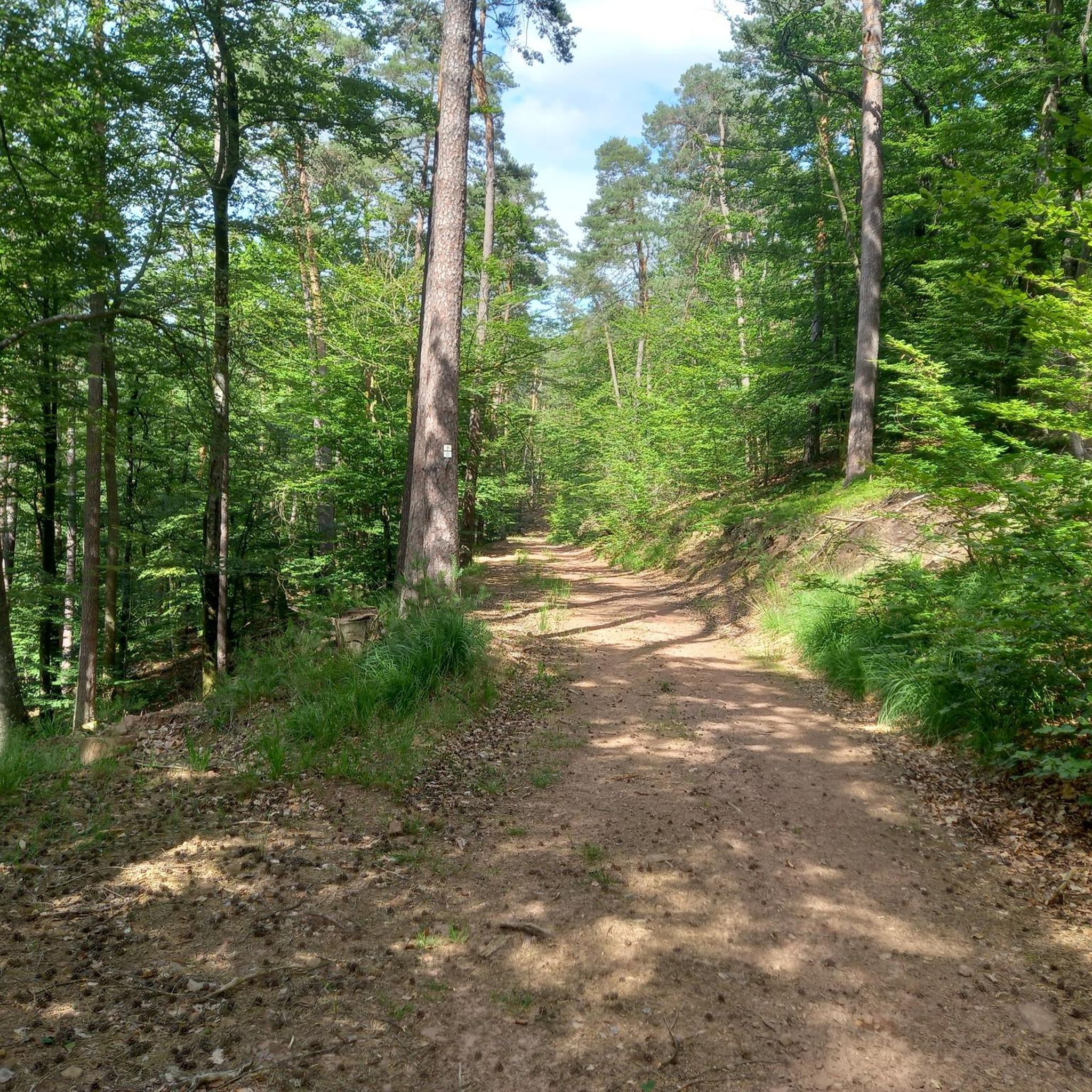
Short path through the forest with a slight increase from the trail parking lot.
Excellent all-round view.
Translated by Google •
Tip by

Sign up now to discover places like this
Get recommendations on the best single tracks, peaks, & plenty of other exciting outdoor places.
Ramstein Castle
Highlight • Castle
Translated by Google •
Tip by
Waldeck Castle
Highlight • Castle
Translated by Google •
Tip by

Lichtenberg Castle
Highlight • Castle
Translated by Google •
Tip by

Sign up for free to discover even more castles around Offweiler.
Already have an account?
Start today with a free account
Your next adventure awaits.

Tips from the Community

Near a small basin in front of the castle, you can find a grimace carved into stone. This probably dates back to the 13th century. It is assumed that this grimace was placed there as a guardian of the castle.
0
0
Great castle ruins, even Goethe stayed here during his lifetime. You can easily imagine how people once lived here.
0
0


Very worth seeing restored castle with fantastic panoramic views.
2
1

Lichtenberg Castle is 800 years of history and superb panoramas of the Northern Vosges regional natural park brought together in an exceptional setting. As you walk around, you can read through the architecture the Gothic and Renaissance imprint of the building.
2
0

The Wasenburg was built in 1280 by Konrad von Lichtenberg on a castle site dating back to the 8th century. The castle was damaged in the Peasants' War and was almost destroyed by French troops in 1677. The huge nine-part magnificent window with seven rosettes is remarkable - a work of art that the stonemasons carved out of a single piece of sandstone. It is probably the most beautiful castle window of all Alsatian castles. The mighty shield wall, a bay window and the fireplace in the palace are also well preserved. A memorial plaque commemorates Goethe's visit in 1770, who came up here because of the magnificent window and the excellent view from the spa town of Niederbronn-les-Bains.
3
1

In this region (Northern Vosges) there are a number of interesting castle ruins. My personal preference goes to the Château du Falkenstein (described in another walking route). But this Château du Ramstein is also a place that you should not miss. NOTE: there are two ruins with exactly the same name! This is about the castle that is located in Baerenthal. The other Château de Ramstein is located 100 km to the south in Scherwiller. We visited this castle during a beautiful 8 km walk through Baerenthal. The castle was built around 1292 by the lords of Windstein on a high sandstone rock of 292 meters and destroyed in 1335 by Strasbourg troops. Not much remains of the building. Only parts of the mansion, doors, stairs and two cavemen's rooms are still visible. The ruins have only been open to the public for a few years and are very well secured.
2
0

Falkenstein Castle has been very well restored. The many information boards are also very helpful. In the castle at the level of the horse stables there are table sets for a picnic
7
2
Frequently Asked Questions
What makes the castles around Offweiler unique?
The castles around Offweiler are primarily medieval ruins, often perched on strategic rocky outcrops within the forested hills of the Northern Vosges. They offer a glimpse into the region's past and provide expansive panoramic views of the surrounding valleys and forests.
Which castles are highly recommended to visit near Offweiler?
Visitors frequently enjoy Wasenbourg Castle for its gothic openings and impressive protective wall. Falkenstein Castle ruins are also very popular, built on a narrow sandstone rock with excellent all-round views. Another favorite is Ramstein Castle, where a path leads directly through its vaults and faded steps.
What kind of views can I expect from the castles around Offweiler?
Many of the castles, such as Wasenbourg Castle and Falkenstein Castle ruins, are known for their panoramic views. From Waldeck Castle, you can enjoy a foresight into Alsace, and Ramstein Castle offers magnificent views of the surrounding countryside from its viewing platform.
Are there hiking trails near the castles around Offweiler?
Yes, the region is excellent for hiking. Many castles are integrated into hiking routes. For example, the path to Falkenstein Castle ruins is a short walk through the forest. You can find various running trails, including those passing by Lichtenberg Castle, in the Running Trails around Offweiler guide.
What outdoor activities can I combine with a castle visit?
Beyond exploring the castles, the area around Offweiler is ideal for various outdoor activities. You can find numerous cycling routes, including those passing by castles, in the Cycling around Offweiler guide and Road Cycling Routes around Offweiler guide. Running trails are also plentiful, as detailed in the Running Trails around Offweiler guide.
Are the castles around Offweiler suitable for families?
Yes, some castles are particularly family-friendly. Lichtenberg Castle is noted as family-friendly, offering a large, clean, and partly restored complex. Its extensive grounds and historical context can be engaging for children.
What is the best time of year to visit the castles near Offweiler?
The castles are generally accessible year-round. However, spring and autumn offer pleasant temperatures for hiking and exploring the ruins, with vibrant foliage or blooming nature. Summer is also popular, but can be warmer. Winter visits can be atmospheric, though some paths might be slippery, and facilities might have reduced hours.
How can I access the castles, and is parking available?
Many castles, like Ramstein Castle, can be reached within minutes from a hiking car park. For Lichtenberg Castle, parking spaces are available in the village below, about 500 meters away.
Are there options for food and accommodation near the castles?
Yes, some castles have facilities nearby. For instance, Waldeck Castle has a large seating area at its foot, ideal for a snack break. In the village below Lichtenberg Castle, you can find rest stops. For broader options, nearby towns offer cafes, pubs, and accommodation.
What is the historical significance of the castles in the Offweiler region?
The castles in the Offweiler region, particularly in the Northern Vosges, are medieval fortifications with rich histories. They were often strategically important, built on high ground, and experienced numerous raids, conquests, and periods of destruction and rebuilding. They reflect the turbulent past of the border region between France and Germany.
Are any of the castles around Offweiler wheelchair accessible?
While many of the medieval castle ruins involve uneven terrain, steps, and rocky paths, some sites may offer partial accessibility. For example, the Lichtenberg Castle mentioned in regional research (which is a different Lichtenberg Castle than the one in the guide data, but still relevant for general accessibility questions in the broader region) notes barrier-free access to certain areas like its tithe barn. It's best to check specific castle websites for detailed accessibility information before your visit.
Most popular routes around Offweiler
Most popular attractions around Offweiler

Get inspired with the komoot mobile app


Explore more
Looking for the best castles somewhere else? Discover other guides around Offweiler:
