The best walks and hikes around Lambach
4.5
(1503)
7,121
hikers
355
hikes
Hiking around Lambach Austria offers diverse landscapes, including riverine environments, forests, and gently rolling hills. The region is situated in the picturesque Wels-Land area, providing varied terrain for outdoor activities. Trails often follow the Traun and Alm rivers, winding through woodlands and open meadows. This area provides accessible paths suitable for a range of hiking abilities.
Best hiking trails around Lambach
- The most popular hiking route is Hasslingerfelsen Cave – Helloch Washhouse loop from Lemberg, a 5.7 miles (9.1…
Last updated: October 27, 2026
4.3
(15)
49
hikers
6.38km
01:50
150m
150m
Easy hike. Easily walkable paths.
5.0
(3)
27
hikers
8.35km
02:19
150m
150m
Moderate hike. Good fitness required. Easily walkable paths.

4.8
(8)
33
hikers
6.07km
01:37
70m
70m
Easy hike. Easily walkable paths.
4.5
(2)
12
hikers
2.86km
00:48
60m
60m
Easy hike. Easily walkable paths.
3.7
(3)
9
hikers
21.0km
06:06
540m
530m
Hard hike. Very good fitness required. Easily walkable paths.
Get access to more routes and recommendations from other explorers.
Already have an account?
Our route recommendations are based on thousands of hikes, rides, and runs completed by other people on komoot.
Start today with a free account
Your next adventure awaits.
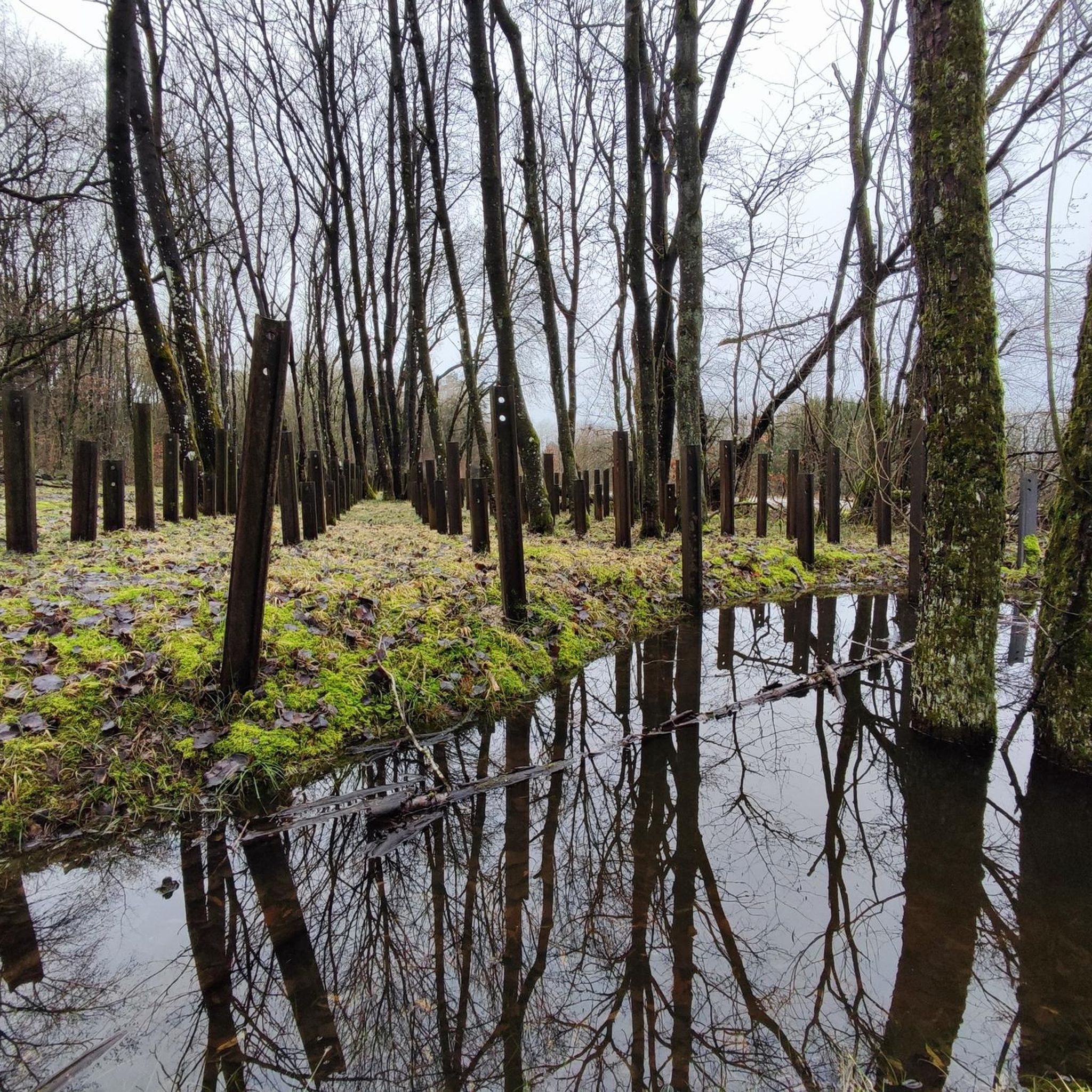
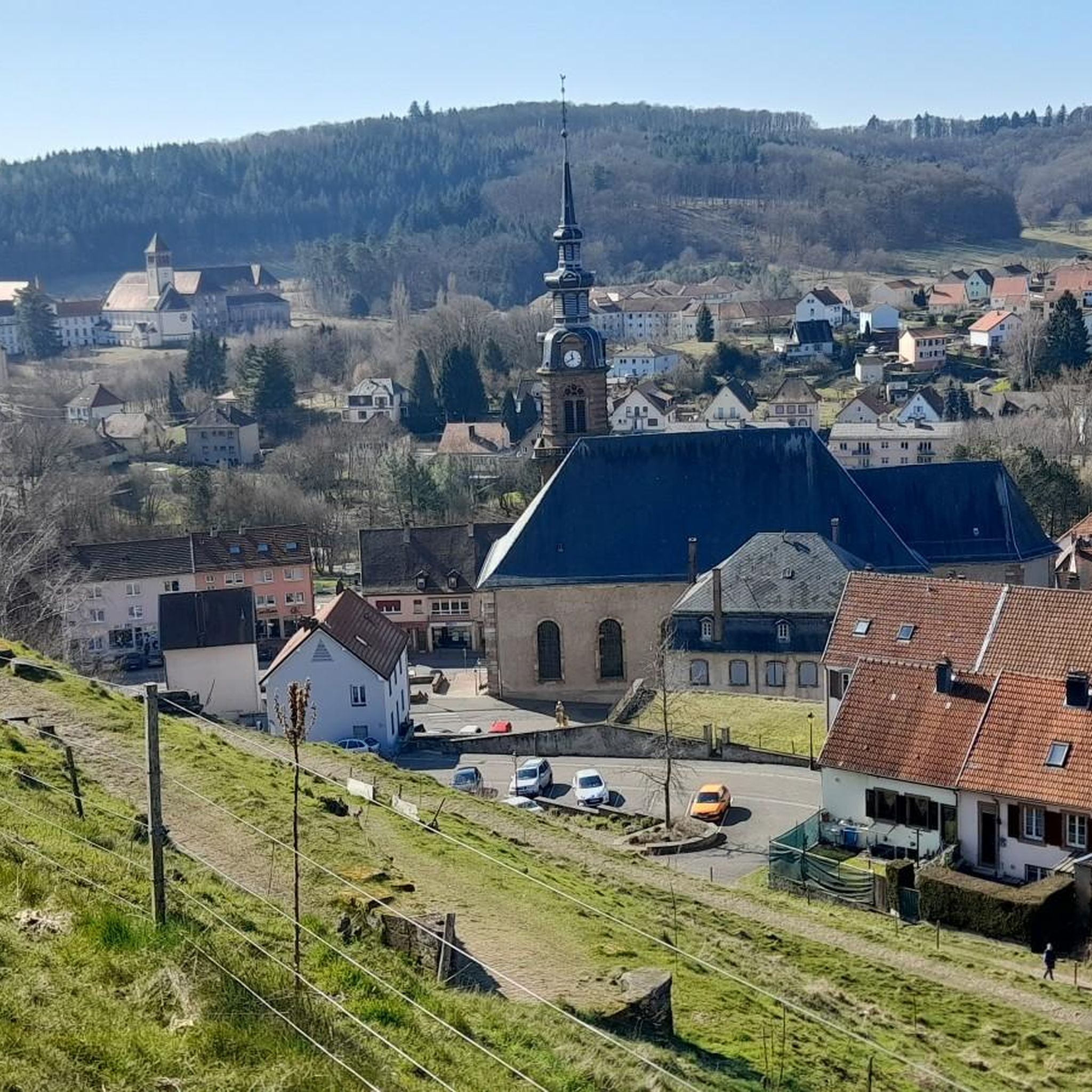
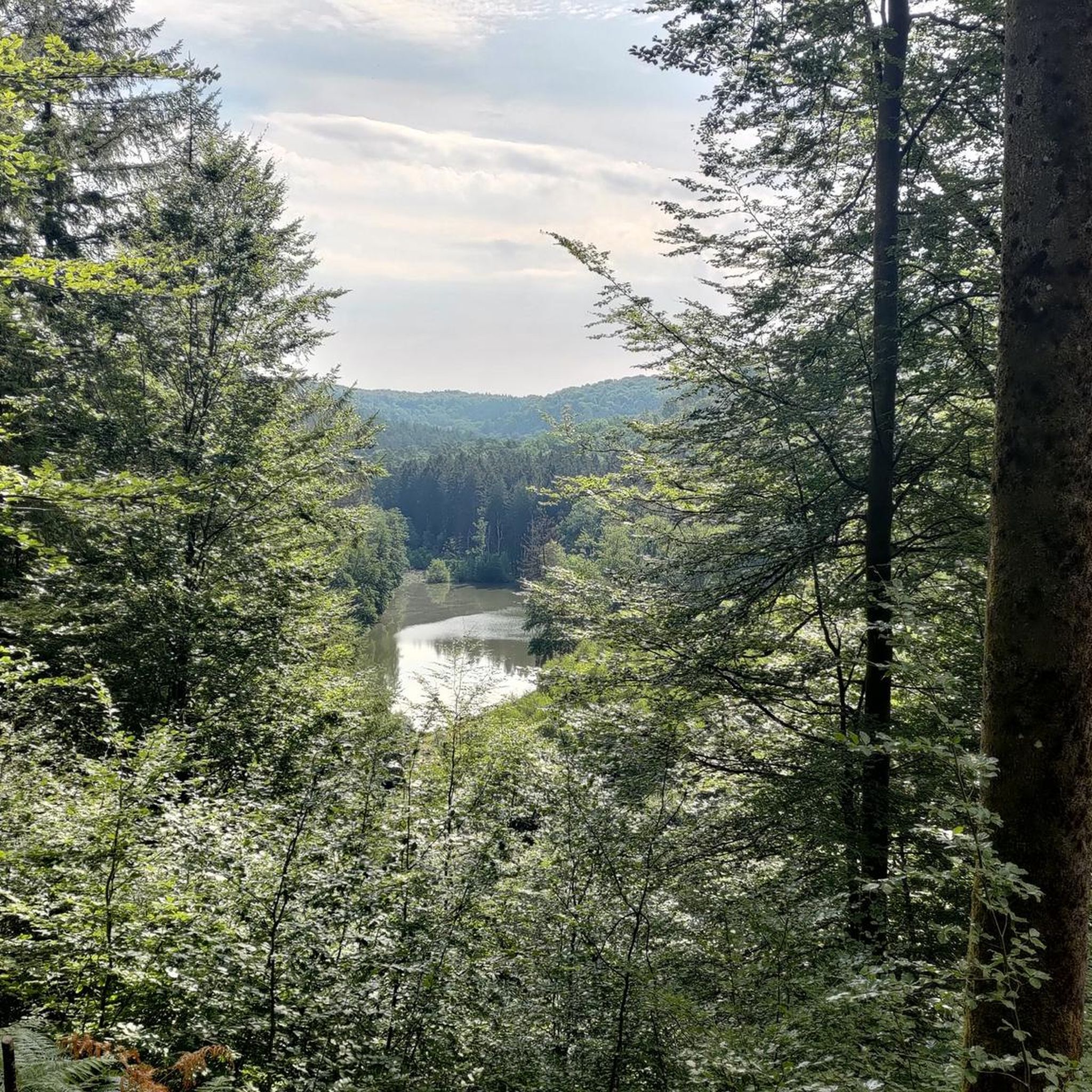
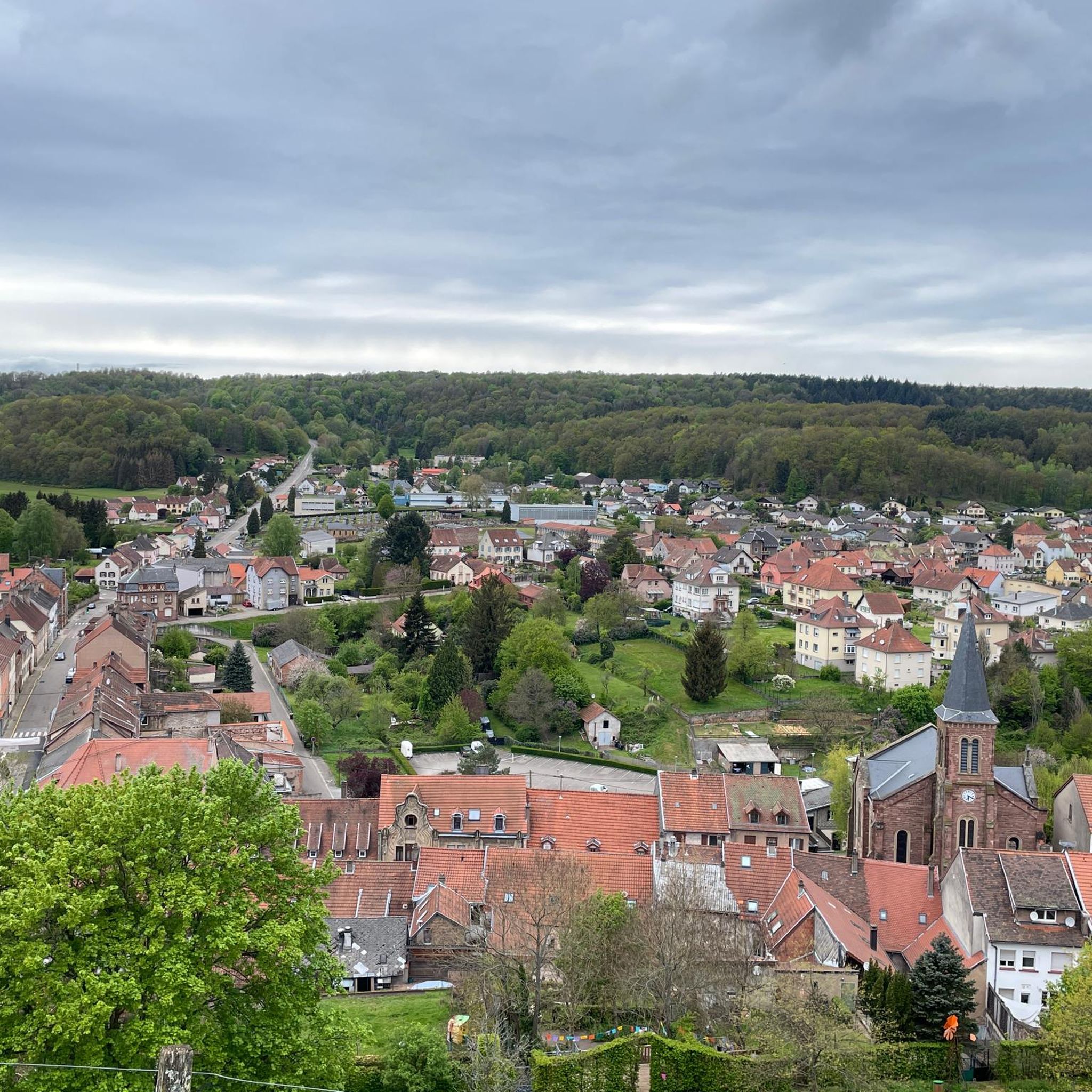
Tips from the Community

Ste-Vérène (German: St. Verena) is a Roman Catholic pilgrimage chapel near the village of Enchenberg in Lorraine. The chapel plays a significant role in the religious life of the Bitche region. It was listed as a historical monument in 1996. Its preservation is overseen by the Association for the Preservation of the Chapel of Sainte-Vérène. The chapel was built in the 15th century and enlarged in 1685. However, four construction periods are evident in the building. The simple Romanesque choir windows suggest an even older predecessor from the early Middle Ages. A window and door from the late Gothic period are considered architectural masterpieces. Two Renaissance-style gable windows on the west side date from the turn of the 15th and 16th centuries. The entrance to the chapel is in a naive Baroque style. The terracotta Virgin Mary also dates from this period. The choir, made of large, plastered sandstone blocks, creates an unusual scene with its Gothic arches. The old altar disappeared around 1960 and resurfaced damaged in November 1991. It has now returned to its place in the chapel. It is said to be a work by Johann Martersteck, a master from Bouquenom. The attribution can be considered relatively certain due to its strong similarity to the Rahling retable, which was also by Martersteck. The old, richly painted church windows disappeared around 1960. They were only replaced in 2000 by figurative paintings by the artist Sauveur Pasqual. The gable window depicts Saint Verena with her insignia of jug and comb. Next to it, Saint Maurice is depicted with a red flag and a broken sword. A Gothic window depicts Saints Ursus and Victor, martyrs of the Theban Legion like Maurice. Adjacent to the chapel is a Lourdes Grotto, built in 1958 to celebrate the centenary of the miracles of Lourdes. About 100 meters below the chapel rises a spring with very soft water, which may have contributed to the choice of the site and served to supply the hermits living there. It has also been used by the residents of Enchenberg since ancient times as a washing place. Source: Wikipedia
0
0
A beautiful chapel, accessible through the picturesque Felsenweihertal valley. A special place.
0
0

Two waterfalls on top of each other over stone - beautiful, and certainly even more beautiful when frozen.
0
0
I couldn't recognize one or more cats, but I did see the face of a Komodo dragon!
0
0

The spring was also a former municipal washhouse.
1
0
Communal washhouses are an important part of the cultural heritage of the villages in the Pays de Bitche. It was last restored in 2011.
1
0
Beautiful two-stage waterfall on the Sentier des grottes.
3
0

On hot days, a place to relax.
0
0
Frequently Asked Questions
How many hiking trails are available around Lambach?
There are over 340 hiking routes around Lambach, offering a wide variety of options for all skill levels. This includes 119 easy, 188 moderate, and 33 difficult trails.
What kind of terrain can I expect on hikes near Lambach?
The terrain around Lambach is quite diverse, featuring serene riverine paths along the Traun and Alm rivers, dense woodlands, and gently rolling hills. You'll find a mix of flat sections, particularly along the rivers, and more undulating paths through forests and hills.
Are there easy hiking trails suitable for beginners or families in Lambach?
Yes, Lambach offers many accessible and easy trails perfect for beginners or families. For example, the Rocher des Trois Figures – Saint Hubert Spring loop from Lemberg is an easy 4.0-mile (6.4 km) path with a gentle ascent, taking about 1 hour 50 minutes. Many routes along the Traun River are also known for being flat and suitable for all fitness levels.
Are there more challenging hikes for experienced hikers in Lambach?
For experienced hikers seeking a challenge, Lambach has several difficult routes. The Helloch Washhouse – Saint Hubert Spring loop from Lambach is a demanding 13.1-mile (21.0 km) trail with a significant elevation gain of 1,755 feet (535 m), typically completed in about 6 hours 7 minutes.
Can I hike along rivers or to waterfalls near Lambach?
Absolutely. The region is defined by its proximity to the Traun and Alm rivers. Many trails, such as the 'Traun River at Lambach – Lambach Power Plant loop,' offer pleasant walks along riverbanks. While the Traunfall Waterfall has been modified for hydropower, it remains an impressive natural attraction near Lambach and can be incorporated into longer hikes.
Are there any historical or cultural landmarks to see while hiking?
Yes, Lambach is rich in history. The historic Benedictine Abbey of Lambach is a significant landmark and a starting point for several trails. You might also encounter sites like the Croix Saint-Hubert or the Citadel of Bitche, which are part of the local attractions. The area is also integrated into pilgrimage routes like the 'Weg des Buches' and 'Benedikt-Pilgerweg', offering a blend of natural and cultural exploration.
What do other hikers enjoy most about the trails in Lambach?
The trails around Lambach are highly rated by the komoot community, with an average score of 4.5 stars from over 1180 reviews. Hikers often praise the diverse landscapes, from serene river paths to quiet woodlands, and the accessibility of routes for various skill levels.
Are the hiking trails around Lambach dog-friendly?
Many trails in the Lambach region are suitable for dogs, especially those through forests and along riverbanks. It's always recommended to keep dogs on a leash, especially in nature protection areas or near livestock, and to carry water for them. Specific regulations may vary by trail, so check local signage.
Are there circular hiking routes around Lambach?
Yes, many of the hiking routes around Lambach are designed as circular loops, allowing you to start and end at the same point. An example is the Hasslingerfelsen Cave – Helloch Washhouse loop from Lemberg, a moderate 5.7-mile (9.1 km) trail.
When is the best time of year to go hiking in Lambach?
The best time for hiking in Lambach is generally from spring through autumn (April to October), when the weather is mild and the natural scenery is at its most vibrant. The riverine paths and forest trails offer pleasant conditions during these months. Winter hiking is also possible, though some trails may be snowy or icy.
Is there parking available at the trailheads in Lambach?
Parking is generally available at common starting points for hiking trails in and around Lambach. Specific parking information can often be found on individual route descriptions or local tourist information sites.
Can I reach hiking trails by public transport in Lambach?
Lambach is well-connected, and many hiking trails are accessible via public transport. The town itself serves as a good starting point, and local bus or train services can often get you close to various trailheads. It's advisable to check local transport schedules for specific routes.
Are there places to eat or drink along the trails or near Lambach?
Yes, Lambach and its surrounding villages offer various options for refreshments. The monastery restaurant at Lambach Abbey is a notable spot. You'll find cafes and pubs in the town center and potentially in nearby communities, especially along popular pilgrimage routes or near significant landmarks.
Most popular attractions around Lambach

Get inspired with the komoot mobile app


Explore more
Browse the best Hikes in other regions.
