Attractions and Places To See around Martigny-Le-Comte - Top 10
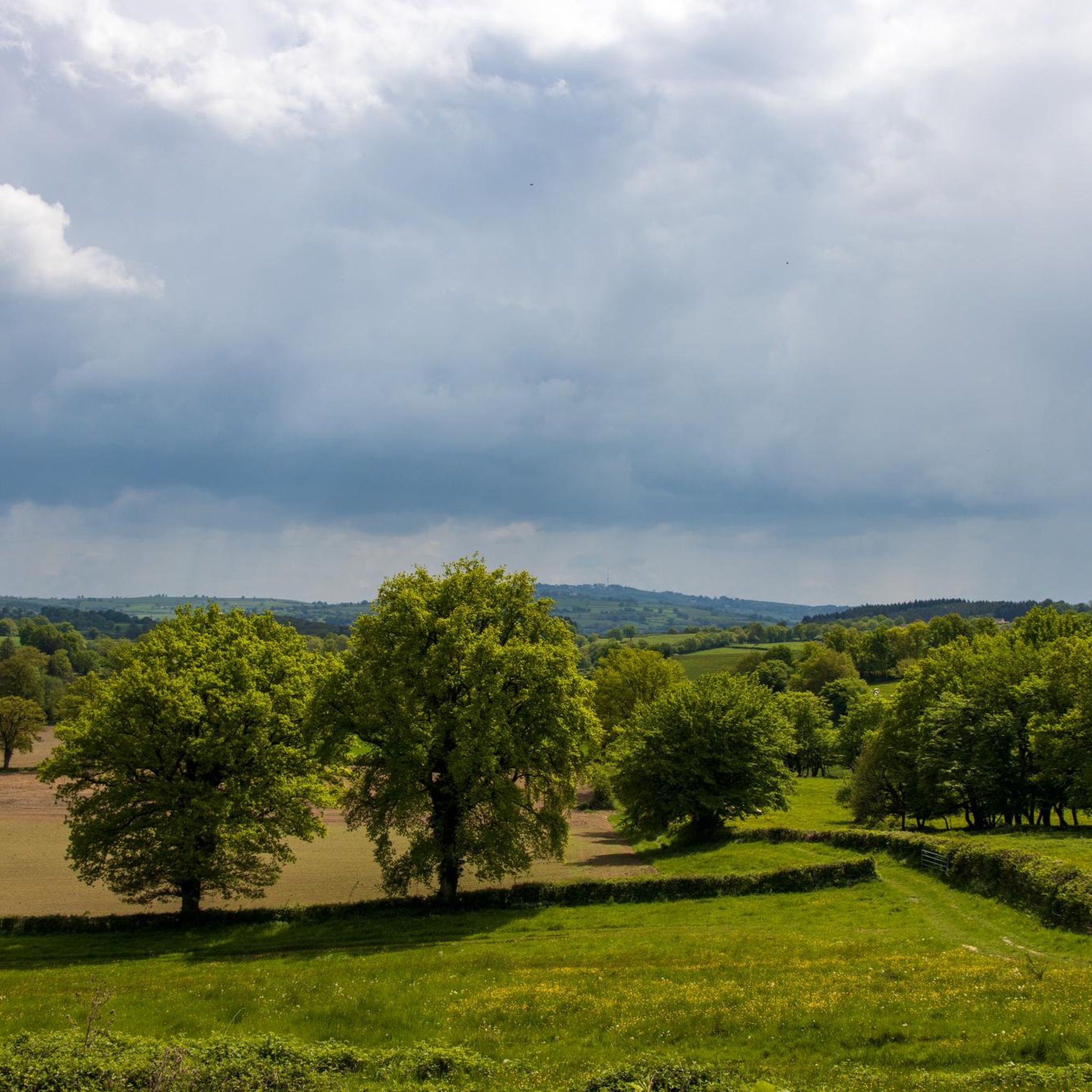
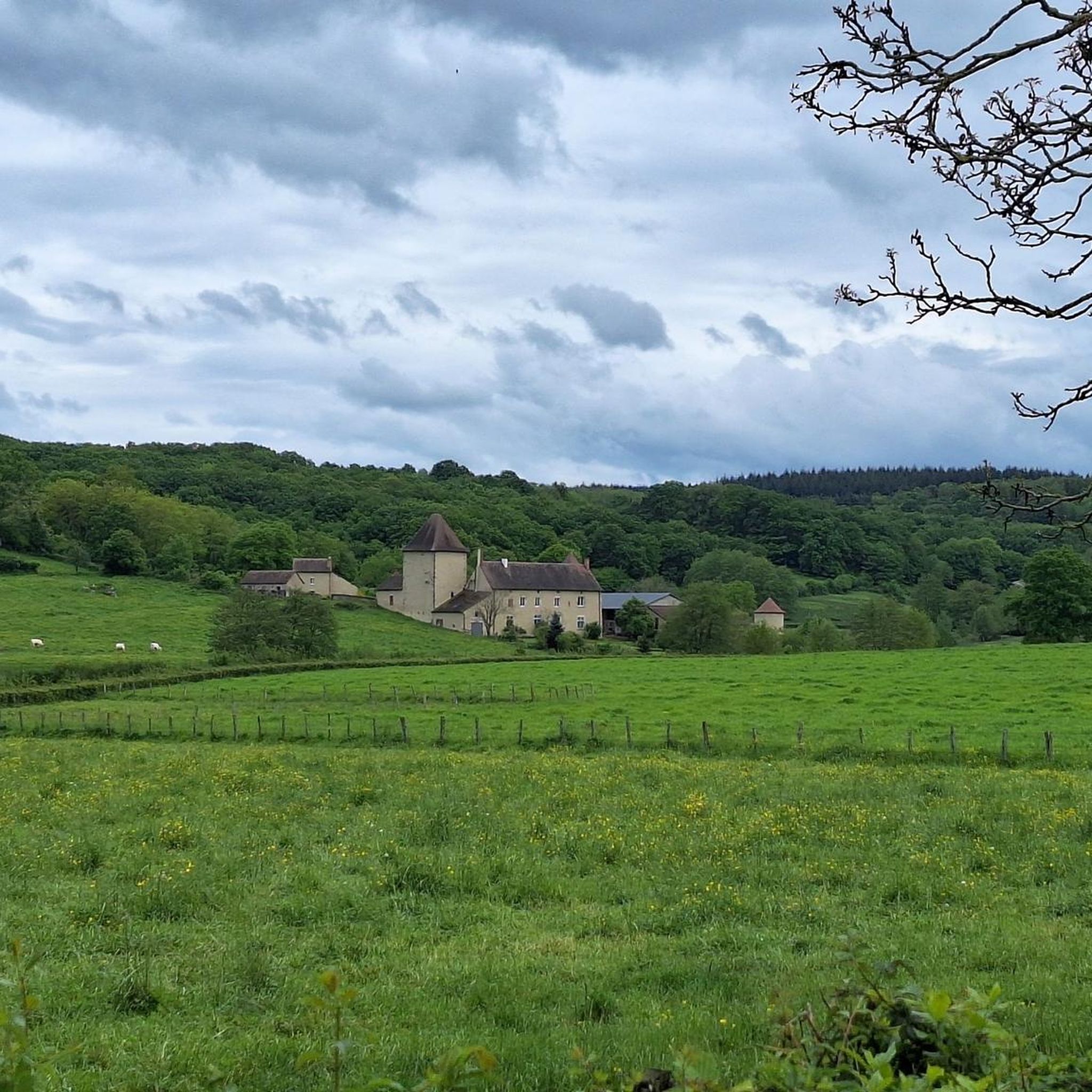
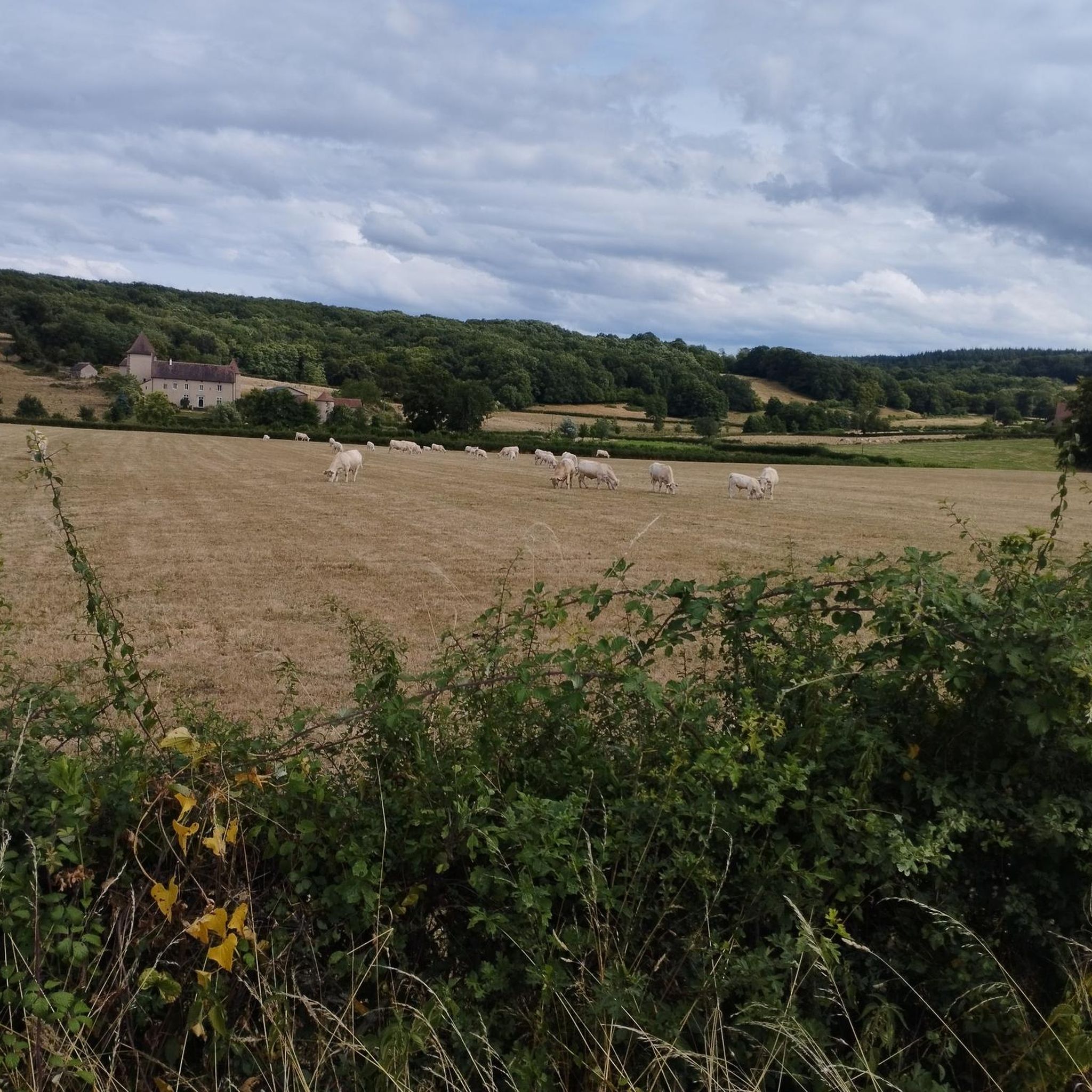
Attractions and places to see around Martigny-Le-Comte, a commune in the Saône-et-Loire department of France, offers a blend of historical landmarks and natural beauty. Situated within the picturesque Charolais region, it features rolling meadows, rivers like the Arconce, and various ponds. The area provides opportunities to explore historical sites, cultural points of interest, and scenic outdoor routes. The terrain ranges in altitude from 294 meters to 452 meters.
Best attractions and places to see around Martigny-Le-Comte
- The most popular attractions is Château de Digoine, a castle that has been furnished and restored. This magnificent castle is situated in the heart of the Charolais region.
- Another must-see spot is Canal du Centre, a historic canal linking the Loire and the Saône. It meanders through landscapes and villages, offering routes for cycling.
- Visitors also love Palinges, a settlement featuring the 12th-century Église de l'Assomption. This village is located directly on the EuroVelo 6 cycle route.
- Martigny-Le-Comte is known for its historical sites, natural landscapes, and cycling routes. The region offers a variety of attractions to see and explore, from ancient churches to old brick factories.
- The attractions around Martigny-Le-Comte are appreciated by the komoot community. With more than 100 upvotes and 30 photos, these spots offer diverse experiences.
Last updated: May 10, 2026
Château de Digoine
Highlight • Castle
Translated by Google •
Tip by

Palinges
Highlight • Settlement
Translated by Google •
Tip by

Sign up now to discover places like this
Get recommendations on the best single tracks, peaks, & plenty of other exciting outdoor places.
Sign up for free
Demarcation Line Interpretation Center
Highlight • Historical Site
Translated by Google •
Tip by

Briqueterie de Ciry-le-Noble
Highlight • Other
Tip by

Canal du Centre
Highlight (Segment) • River
Translated by Google •
Tip by

Sign up for free to discover even more attractions around Martigny-Le-Comte.
Sign up for free
Already have an account?
Start today with a free account
Your next adventure awaits.
Login or Signup

Tips from the Community


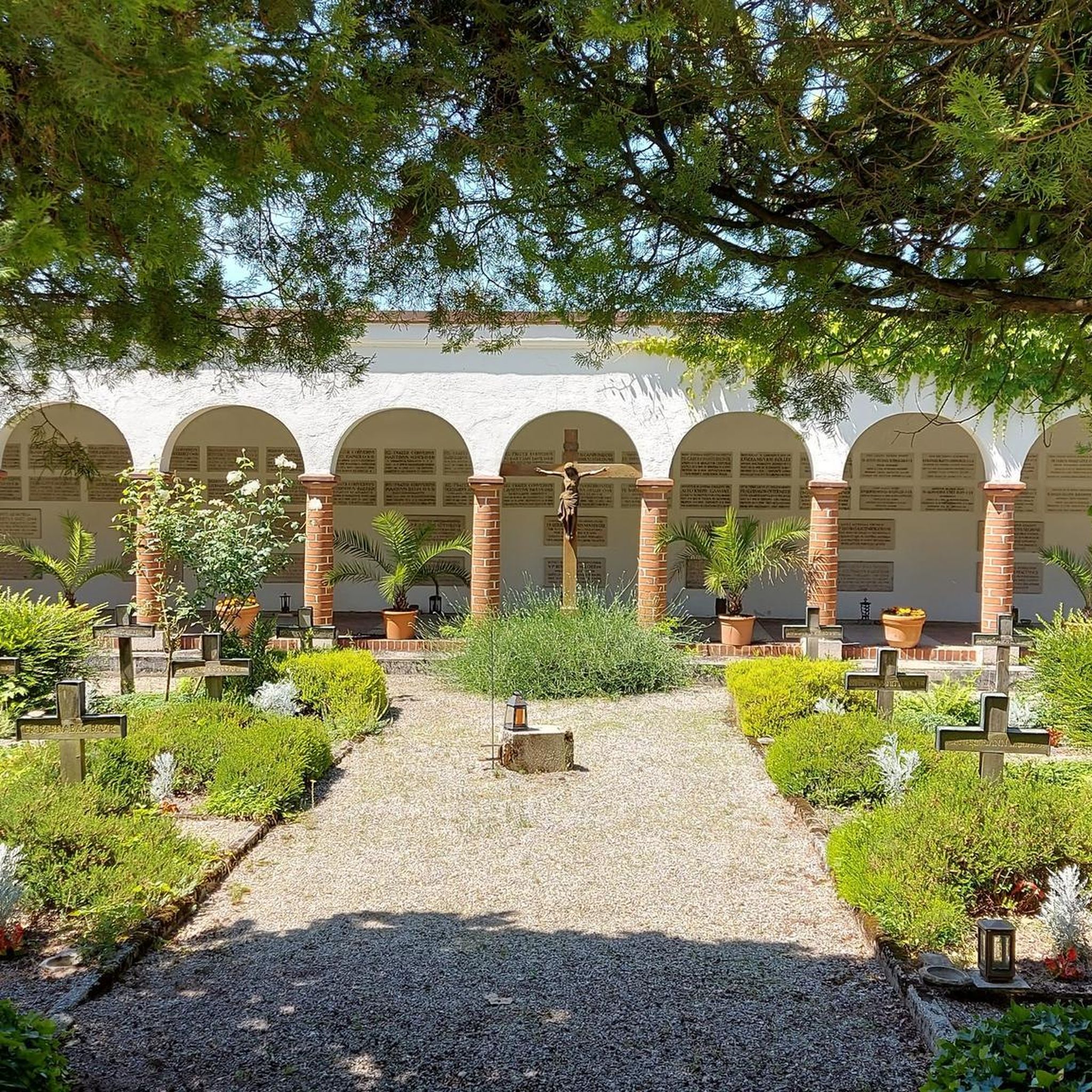
The charming Église de l'Assomption (Church of the Assumption) is located in the heart of the village, directly on the EuroVelo 6 cycle route. The parish church originally dates back to the 12th century. The church in Palinges was largely rebuilt in the 19th century in the Neo-Romanesque style. From the Romanesque period, it still retains the transept, the apses, and the bell tower.
1
0

The castle's origins date back to the late 14th century. Its current form dates from the first quarter of the 18th century. There is also an old Italian theater preserved in its original condition. The gardens are also very beautiful. Anyone wishing to visit the castle should definitely consult the website, as there are occasional unscheduled closures for private events. The website also lists the various admission prices and information on special events. http://chateaudedigoine.fr/visiter-digoine/
0
0
After the Nazi occupation of France, France was divided into an occupied part and a free part, bordered by the demarcation line. One of the 13 French departments crossed by the demarcation line between June 1940 and February 1943 was Saône-et-Loire. This demarcation line interpretation centre is unique in France. Here you can learn the history of the demarcation line established by the occupiers in France during the Second World War and the daily lives of people at that time. The traces of the line, its surveillance, its influence on the economy, secret networks, smugglers, escape and German oppression are also the subject of the exhibition. Museum opening hours: May 1 to September 30, every day except Thursday, 10 a.m. to 12 p.m. and 2 p.m. to 6 p.m. October 1st to April 30th, Monday 2pm to 6pm, Wednesday 10am to 12pm and 2pm to 6pm, Friday 2pm to 6pm. Admission costs 3.50 euros. Admission is free for people under 16.
1
0
This former ceramics factory from the end of the 19th century produced fireproof bricks and stoneware products. and was founded at the end of the 19th century. Here you can see buildings, machines, power, kilns, means of transport and much more and learn a lot about ceramics production at the turn of the century. The museum is open from the beginning of July to the end of August from Tuesday to Sunday and on the weekend of the European Heritage Days from 3 p.m. to 7 p.m. Admission costs 4 euros. Admission is free for children under 12 years.
0
0
Great campsite for cyclists in Pallinges: this is the lake campsite. More than ten pitches, each with electricity, table and benches, just for cyclists, in a very quiet area of the campsite. Add to that: 1 fridge and freezer, microwave, swimming pool, bar, small restaurant, small grocery store and tent rentals in case of bad weather.
2
0


Frequently Asked Questions
What types of historical sites can I explore around Martigny-Le-Comte?
The region offers a rich history. You can visit the Demarcation Line Interpretation Center, which provides insights into France's division during WWII. Additionally, the village of Palinges features the 12th-century Église de l'Assomption, largely rebuilt in the Neo-Romanesque style. Martigny-Le-Comte itself is home to the 12th-century Romanesque bell tower of Église Sainte-Euphémie, a classified historical monument. You can also admire the exterior of the neo-Gothic Château de Martigny-le-Comte from a distance, and the ruins of the Château de Commune.
Are there any family-friendly attractions in the area?
Yes, several attractions are suitable for families. The Château de Digoine is a magnificent castle that can be enjoyed by all ages. The historic Canal du Centre offers pleasant routes for cycling and walking, which are great for family outings. The settlement of Palinges, with its charming village center and church, is also considered family-friendly.
What natural landscapes characterize the Martigny-Le-Comte region?
Martigny-Le-Comte is nestled within the picturesque Charolais landscapes. You'll find an alternation of rolling valleys and hills, lush meadows crisscrossed by rivers like the Arconce and the Sonnette, and numerous tranquil ponds. The terrain varies in altitude, offering diverse scenic views.
What outdoor activities can I do near Martigny-Le-Comte?
The region is excellent for outdoor enthusiasts. You can enjoy various activities such as hiking, running, and gravel biking. For detailed routes, explore the guides for Hiking around Martigny-Le-Comte, Running Trails around Martigny-Le-Comte, and Gravel biking around Martigny-Le-Comte.
Are there specific hiking trails recommended around Martigny-Le-Comte?
Yes, there are several moderate hiking trails. Popular options include the Plan d'eau des Fouthiaux loop and the Saint-Quentin Chapel loop. You can find more details and routes in the Hiking around Martigny-Le-Comte guide.
What is the best time to visit Martigny-Le-Comte for outdoor activities?
The Charolais region, where Martigny-Le-Comte is located, is ideal for outdoor activities from spring through early autumn. During these seasons, the weather is generally pleasant for hiking, cycling, and exploring the natural landscapes and historical sites.
Can I find unique cultural or industrial heritage sites in the area?
Absolutely. You can visit the Briqueterie de Ciry-le-Noble, an old brick factory that has been transformed into a museum, offering insights into ceramics production from the late 19th century. The village also has a former forge that is being transformed into a community gathering place.
What is the <a href="https://www.komoot.com/highlight/5854274" target="_blank" rel="noopener">Canal du Centre</a> and what can I do there?
The Canal du Centre is a historic waterway in central France that connects the Loire and Saône rivers. It winds through picturesque landscapes and charming villages. It's an excellent spot for cycling, walking, and enjoying the peaceful scenery and industrial heritage along its banks.
What do visitors enjoy most about the attractions around Martigny-Le-Comte?
Visitors frequently appreciate the blend of historical charm and natural beauty. The well-preserved Château de Digoine is often highlighted for its magnificence, while the historical insights offered by the Demarcation Line Interpretation Center are highly valued. The scenic routes along the Canal du Centre are also a favorite for their tranquility and cycling opportunities.
Are there any ancient archaeological discoveries in the Martigny-Le-Comte area?
Yes, archaeological evidence points to a long history of occupation in the area. Discoveries include a Mousterian station, Neolithic tools, and Celtic tumuli found near the Baronnet pond and La Raye, indicating prehistoric and Roman presence.
What is the significance of <a href="https://www.komoot.com/highlight/4325974" target="_blank" rel="noopener">Palinges</a>?
Palinges is a charming settlement known for its 12th-century Église de l'Assomption, which was largely rebuilt in the Neo-Romanesque style. It's also conveniently located directly on the EuroVelo 6 cycle route, making it a popular stop for cyclists.
Most popular routes around Martigny-Le-Comte

Get inspired with the komoot mobile app


Explore more
Still not found the Highlight you’re looking for? See guides of the top attractions in other regions:
