Attractions and Places To See around Saint-Denis-De-Vaux - Top 20
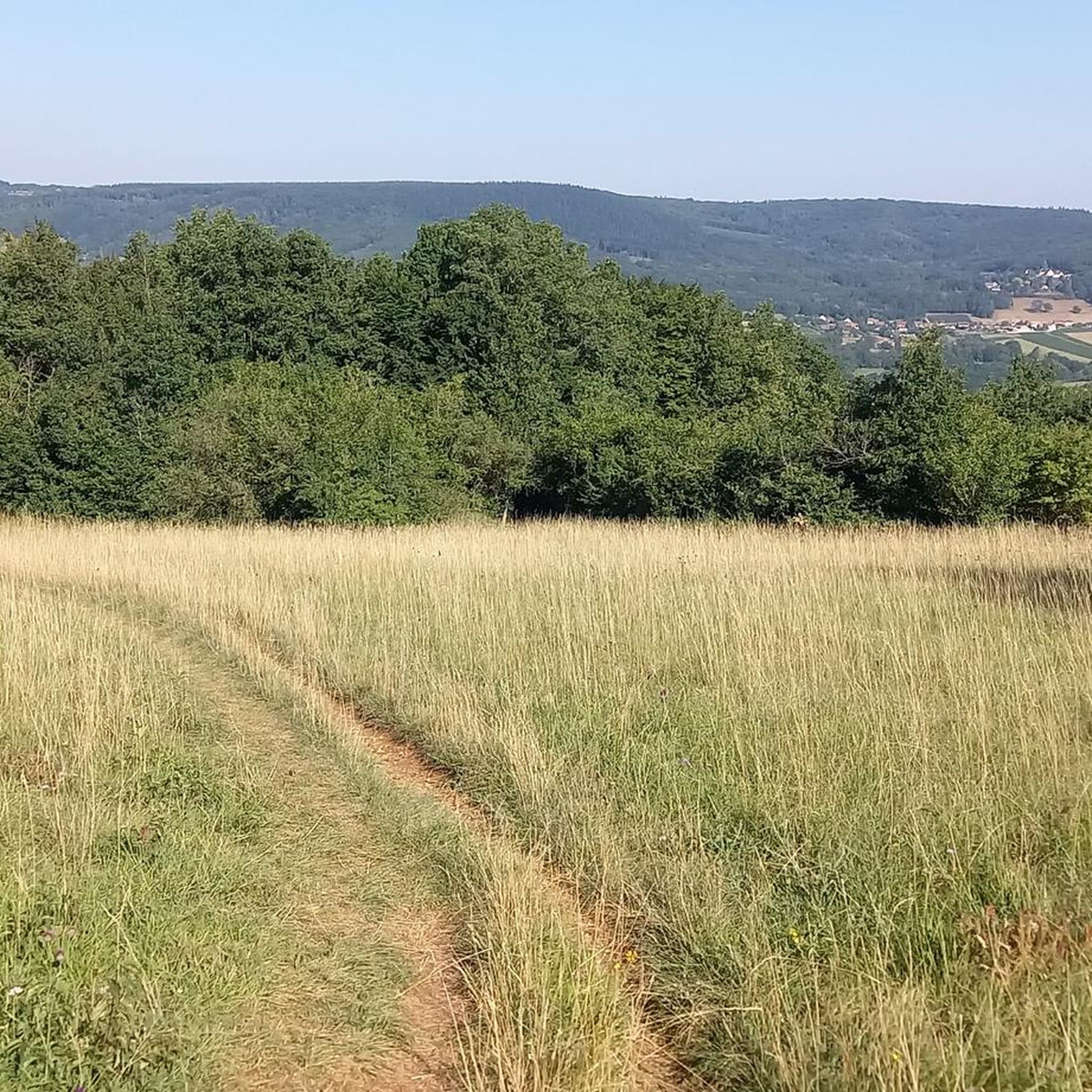
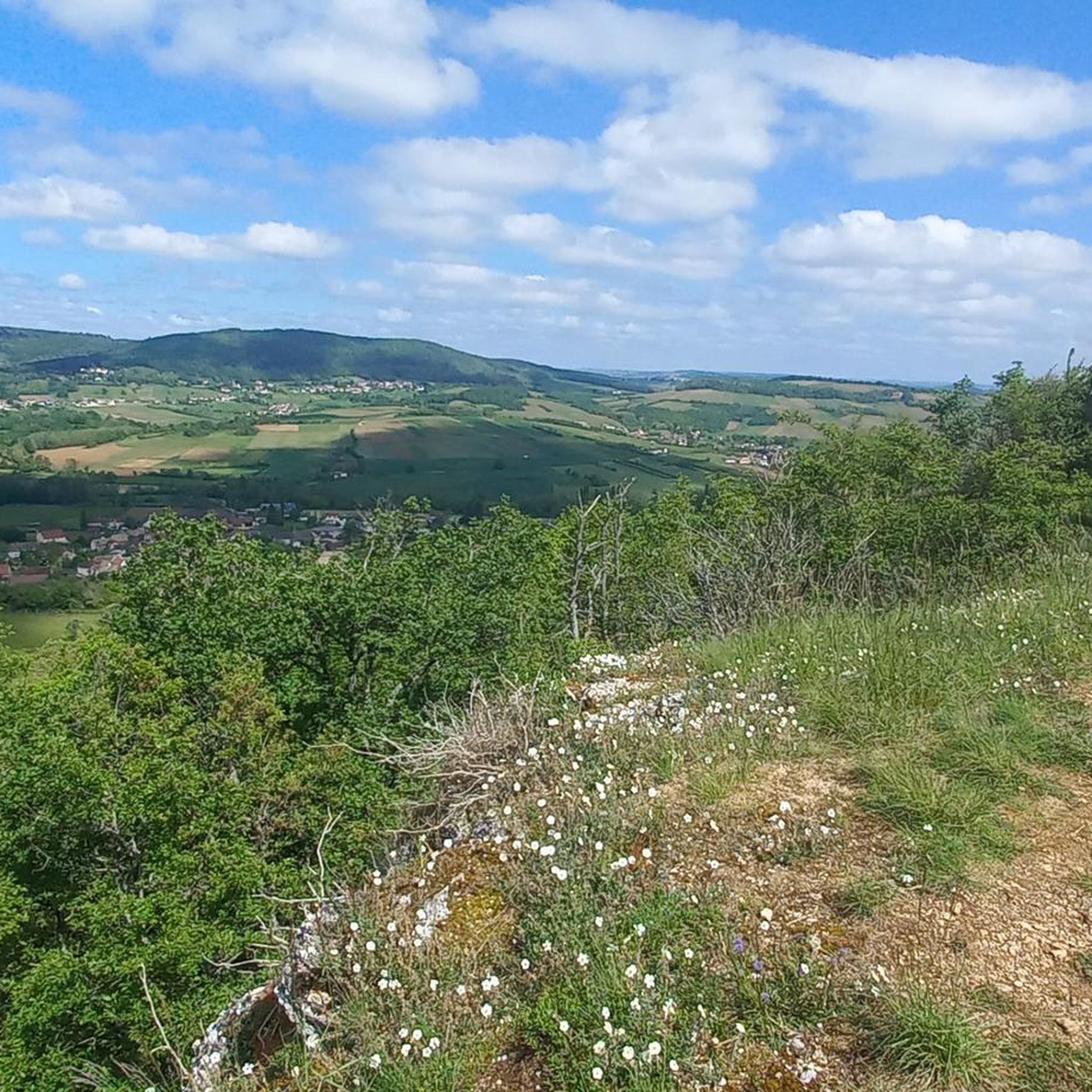
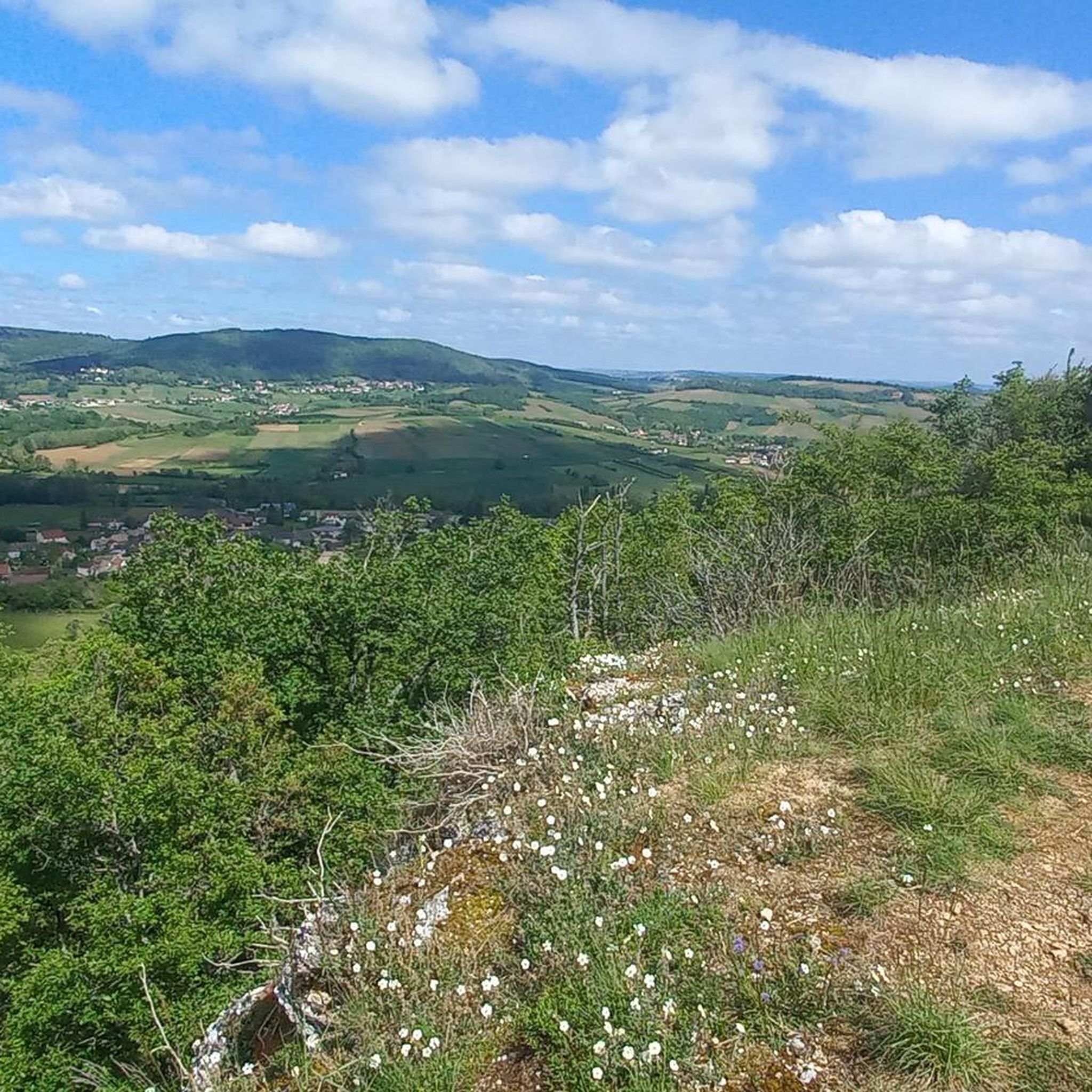
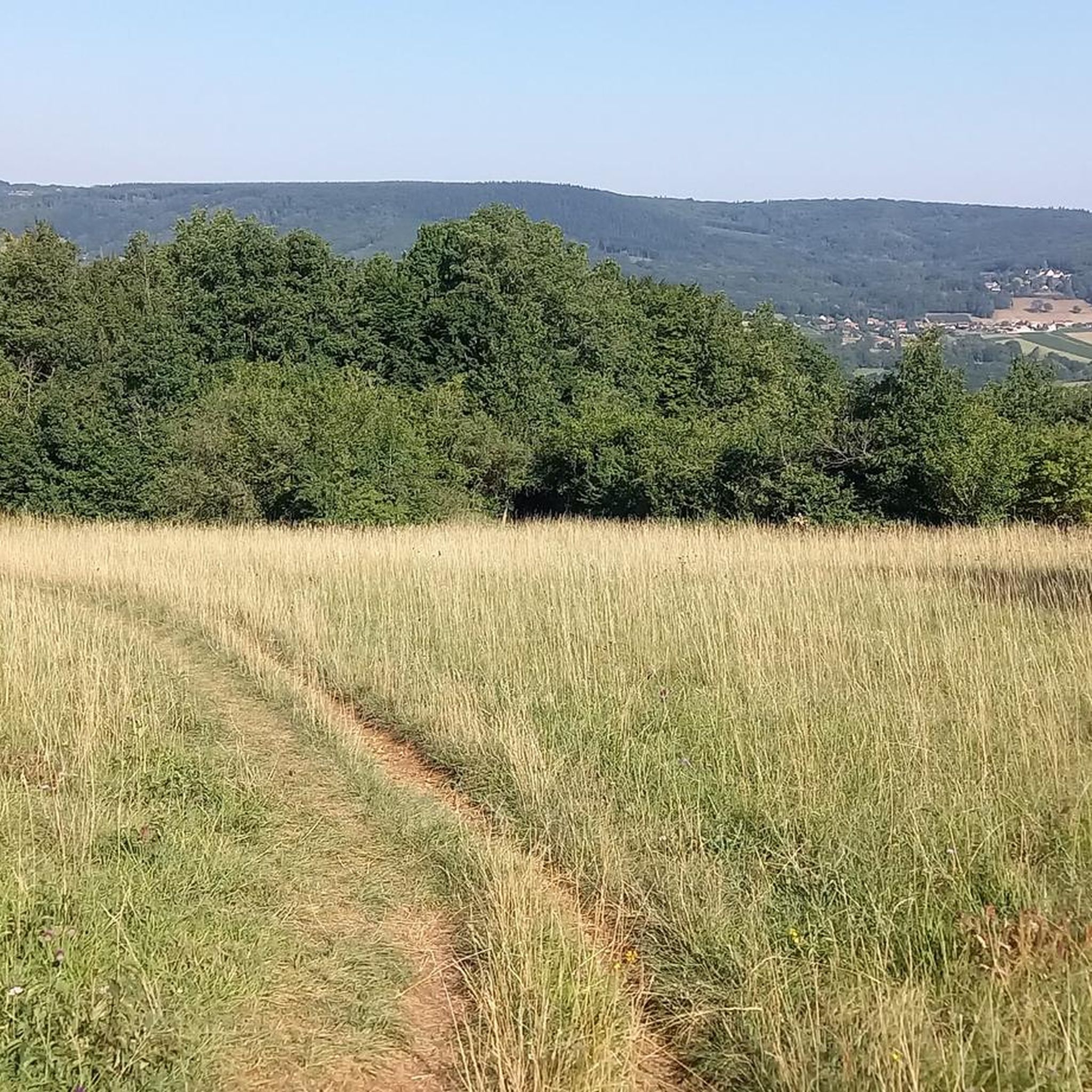
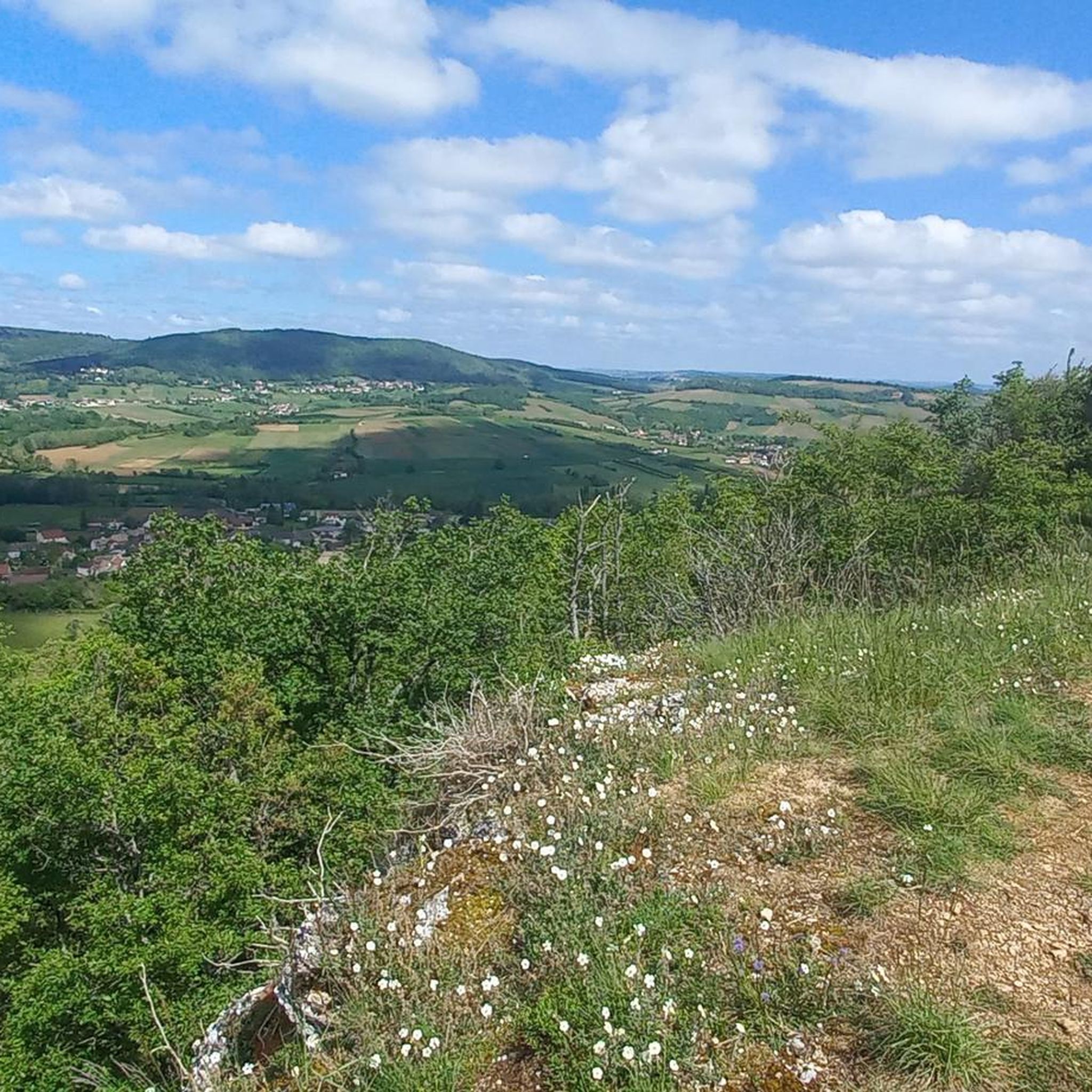
Best attractions and places to see around Saint-Denis-De-Vaux are found within the quiet commune nestled in the Valley of Vaux, part of the Saône-et-Loire department in Burgundy-Franche-Comté. This region is characterized by gentle hills, vineyards, groves, meadows, and forests, offering a blend of natural beauty and historical proximity. The area is noted for its winemakers and Côte Chalonnaise wines, providing a tranquil environment for exploration. Visitors can discover various landmarks, viewpoints, and natural features that define the local landscape.
Best attractions and places to see around Saint-Denis-De-Vaux
- The most popular attractions is Canal du Centre, a river that connects the Loire and Saône rivers for commercial purposes. This 112-kilometer waterway was designed to link the Mediterranean Sea to the Atlantic Ocean.
- Another must-see spot is Saint-Léger-sur-Dheune, a settlement that transformed with the digging of the Canal du Centre and the arrival of the railway. It features a bridge spanning the canal and an excellent paved cycle path.
- Visitors also love Château de Rully, a castle that sits on a rocky outcrop since the 12th century. It offers a panorama of the Châlons coast and is surrounded by vineyards.
- Saint-Denis-De-Vaux is known for its historical sites, natural features, and family-friendly activities. The area offers a variety of attractions to see and explore, from ancient castles to scenic waterways.
- The attractions around Saint-Denis-De-Vaux are appreciated by the komoot community, with more than 330 upvotes and over 80 photos shared.
Last updated: October 23, 2026
Canal du Centre
Highlight (Segment) • River
Translated by Google •
Tip by

Saint-Léger-sur-Dheune
Highlight • Settlement
Translated by Google •
Tip by

Sign up now to discover places like this
Get recommendations on the best single tracks, peaks, & plenty of other exciting outdoor places.
Château de Rully
Highlight • Castle
Rully is not only a castle, it is also an excellent Burgundy wine. Tastings are also offered at the same time as the visits. For more information see the following link:
chateauderully.com
Translated by Google •
Tip by
Round Hall
Highlight • Monument
Translated by Google •
Tip by

Saint-Laurent Church in Rully
Highlight • Other
Translated by Google •
Tip by

Sign up for free to discover even more attractions around Saint-Denis-De-Vaux.
Already have an account?
Start today with a free account
Your next adventure awaits.

Tips from the Community

The Halle ronde (the "round hall") in the French municipality of Givry was built between 1825 and 1830. It was designed by the regionally known architect Lazare Narjoux. It originally served as a grain hall (Halle au blé) to supply the surrounding mills and the population with grain. Due to its rare, circular design, the market hall has been classified as a historic monument since 1931.
0
0

It was built in 1825 by Lazare Narjoux and served the grain trade.
2
0


The church of Saint-Laurent de Rully is located on the hill that extends to the castle and overlooks the village, whose houses are grouped at its feet along the river Thalie. As early as 920, Hervé de Vergy, appointed bishop of Autun, donated his villa Ruiliacum with the church to his chapter of Saint-Nazaire in his will. A recognition of dues to the hospital house of Bellecroix dated 1263 states that the church was already in its current location. The transept and choir were rebuilt in the first half of the 15th century and the choir was enlarged to its current size in 1749. After the south wall of the nave collapsed in 1849, the city authorities took advantage of the reconstruction work to extend the nave by 7 meters and renew the façade in the neo-Gothic style that we know today. Finally, in 1911, the bell tower and choir were raised.
0
0

Reminiscence of Henri IV. Interesting exhibitions today.
1
0

There is a very good restaurant on the bridge with a view of the canal. Newly built winter garden. Highly recommended
0
0

This beautiful ensemble has its origins at the end of the 12th century. It underwent significant transformations during the 15th century, notably to make it habitable. The castle is open to visits without appointment in July and August (closed on Mondays). Outside of this period, only planned group visits are possible. The estate also offers tastings and a treasure map to create with the family.
1
0

The circular market hall, built in 1825, once served as a grain trading center. Today, it regularly hosts exhibitions. Opposite is one of Givry's seven fountains, the "Fontaine aux Dauphines," which dates back to the 18th century and is decorated with dolphins, among other things.
3
0
Frequently Asked Questions
What natural features can I explore in and around Saint-Denis-De-Vaux?
The region is rich in natural beauty, primarily centered around the Valley of Vaux, characterized by gentle hills, vineyards, groves, meadows, and forests. You can also explore the Canal du Centre, a significant waterway connecting the Loire and Saône rivers, which offers scenic views and a tranquil environment. For climbing enthusiasts, "Le Theu" Rock Climbing Site is located directly in Saint-Denis-De-Vaux. Additionally, the Natura 2000 Sites of "Chatelet" and "Chaumes" preserve unique calciferous grasslands typical of the Côte Chalonnaise.
Are there any historical sites or cultural landmarks worth visiting?
Yes, the area boasts several historical and cultural sites. The Valley of Vaux itself is known for prehistoric discoveries. You can visit the impressive Château de Rully, a 12th-century castle offering panoramic views of the Châlons coast. Other historical points include the Romanesque Chapel at Touches, the restored Chapel at Barizey, the Fortified Farm at Blaisy, and the ruins of the 12th-century Chateau of Montaigu. Religious sites like the Notre-Dame Church in Mercurey and the Saint-Laurent Church in Rully also offer architectural and historical interest.
What outdoor activities are popular near Saint-Denis-De-Vaux?
The Valley of Vaux is ideal for walking and cycling, with its scenic views and tranquil environment. The long-distance GR7 trail, part of the route to Santiago de Compostela, traverses the valley, offering opportunities for extended hikes. For specific outdoor activities, you can find various routes for mountain biking, road cycling, and touring. Explore MTB Trails around Saint-Denis-De-Vaux, Road Cycling Routes around Saint-Denis-De-Vaux, and Cycling around Saint-Denis-De-Vaux for detailed options.
Are there family-friendly attractions in the area?
Yes, the region offers several family-friendly options. The Canal du Centre is excellent for leisurely walks or bike rides along its banks, providing a safe and enjoyable environment for all ages. The settlement of Saint-Léger-sur-Dheune features an excellent paved cycle path along the canal. Additionally, the historic Château de Rully is a captivating visit for families, allowing children to imagine medieval times.
What is the best time to visit Saint-Denis-De-Vaux for outdoor activities?
The region, with its gentle hills, vineyards, groves, meadows, and forests, is generally pleasant for outdoor activities from spring through autumn. Spring offers blooming landscapes, while autumn provides beautiful colors and comfortable temperatures for hiking and cycling. Summers are also suitable, though it's advisable to plan activities during cooler parts of the day.
Can I go cycling near Saint-Denis-De-Vaux?
Absolutely! Cycling is a popular activity in the area. The Canal du Centre offers a flat, scenic route, and the settlement of Saint-Léger-sur-Dheune has an excellent paved cycle path. You can find a variety of routes for different cycling styles, including mountain biking, road cycling, and touring. For detailed routes, refer to the Cycling around Saint-Denis-De-Vaux guide.
What do visitors enjoy most about Saint-Denis-De-Vaux?
Visitors particularly appreciate the tranquil environment and natural beauty of the Valley of Vaux. The scenic routes along the Canal du Centre are highly rated for their peaceful atmosphere and excellent cycling paths. The historical charm of sites like the Château de Rully and the unique architecture of local churches also receive positive feedback. The blend of history, nature, and outdoor activity options makes it a well-loved destination.
Are there any easy hiking trails suitable for beginners?
The Valley of Vaux, with its gentle hills and varied landscapes, offers many opportunities for easy walks. The towpaths along the Canal du Centre provide flat and accessible routes perfect for beginners or a leisurely stroll. While specific easy hiking trails are not detailed here, the general terrain is conducive to relaxed exploration. You can find various routes, including some with 'easy' difficulty grades, in the MTB Trails around Saint-Denis-De-Vaux guide, which often overlap with walking paths.
What are the main historical points of interest in the Valley of Vaux?
Beyond the village of Saint-Denis-De-Vaux, the Valley of Vaux holds several historical gems. These include prehistoric finds, the Romanesque Chapel at Touches, the restored Chapel at Barizey (an architectural sketch for the monumental church of Givry), the Fortified Farm at Blaisy, and the ruins of the 12th-century Chateau of Montaigu, which was later dismantled by order of Henry IV. Traditional village laundries ("Lavoirs") and religious shrines also dot the landscape, offering glimpses into local heritage.
Is Saint-Léger-sur-Dheune worth visiting?
Yes, Saint-Léger-sur-Dheune is a charming settlement that transformed significantly with the digging of the Canal du Centre and the arrival of the railway. It's particularly noted for its bridge spanning the canal and an excellent paved cycle path, making it a great spot for cyclists and those looking for a pleasant walk along the waterway. It offers a glimpse into the region's industrial and commercial history.
Are there any protected natural areas nearby?
Yes, within walking distance of nearby Saint-Martin-sous-Montaigu, you can find Natura 2000 Sites known as "Chatelet" and "Chaumes." These protected areas are dedicated to preserving the unique calciferous grasslands that are characteristic of the Côte Chalonnaise region, offering a chance to observe local flora and fauna in their natural habitat.
Most popular routes around Saint-Denis-De-Vaux

Get inspired with the komoot mobile app


Explore more
Still not found the Highlight you’re looking for? See guides of the top attractions in other regions:
