Attractions and Places To See around Champlitte - Top 17
Best attractions and places to see around Champlitte include historical landmarks, cultural sites, and natural features within this "Cité de Caractère" in Haute-Saône. The region offers a blend of well-preserved architecture, waterways, and rural landscapes. Visitors can explore sites ranging from historical buildings to natural areas, providing diverse points of interest. The area is characterized by its rich heritage and opportunities for outdoor exploration.
Best attractions and places to see around Champlitte
- The most popular attractions is Canal between Champagne…
Last updated: July 16, 2026
Canal between Champagne and Burgundy
Highlight • River
Translated by Google •
Tip by

Vereux Diversion
Highlight • River
Translated by Google •
Tip by

Sign up now to discover places like this
Get recommendations on the best single tracks, peaks, & plenty of other exciting outdoor places.
Sign up for free
Dampierre-sur-Salon
Highlight • Other
Translated by Google •
Tip by

Château de Champlitte
Highlight • Castle
Translated by Google •
Tip by
Coublanc, Saint-Pierre Church
Highlight • Religious Site
Translated by Google •
Tip by
Sign up for free to discover even more attractions around Champlitte.
Sign up for free
Already have an account?
Start today with a free account
Your next adventure awaits.
Login or Signup
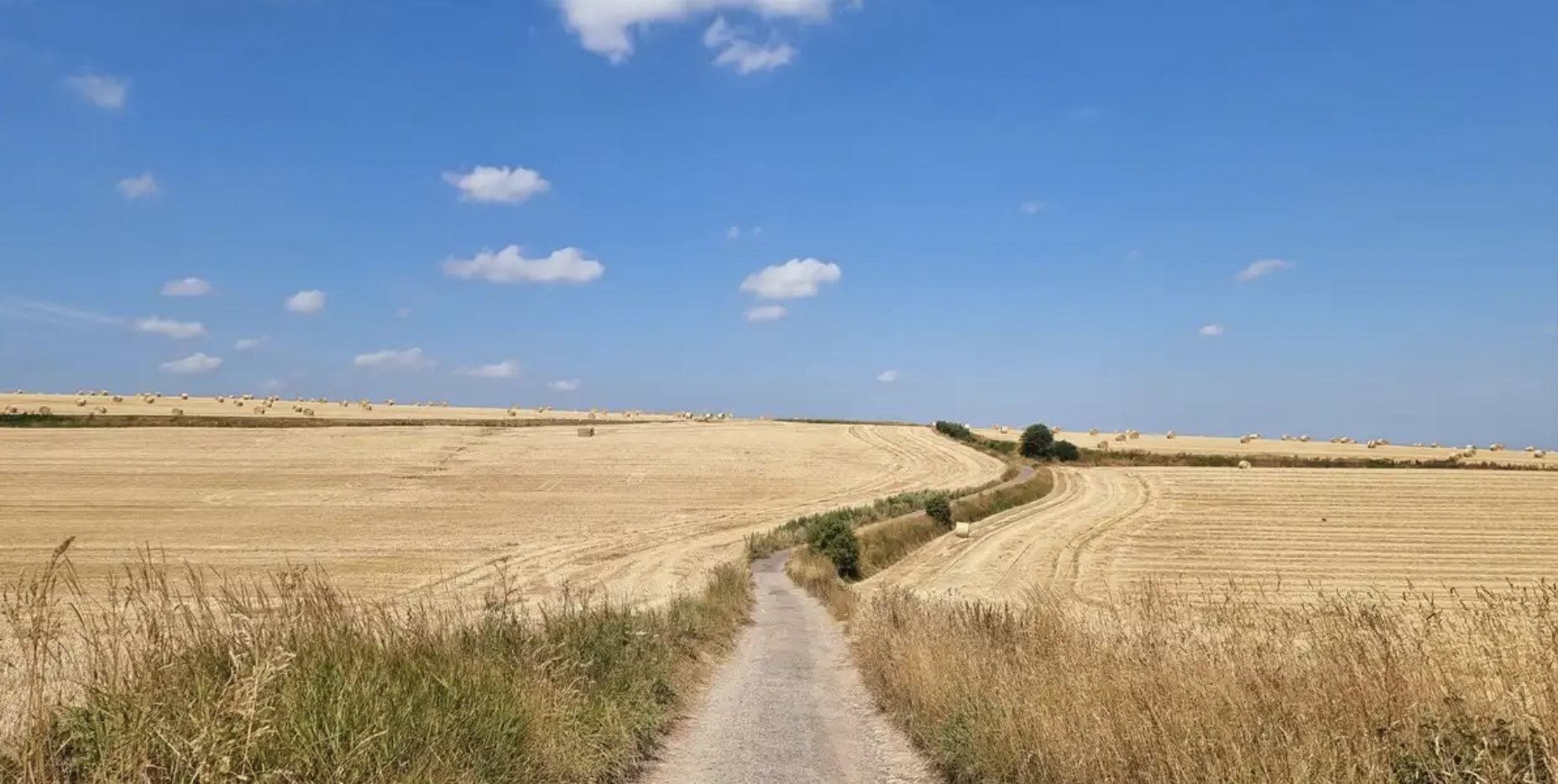
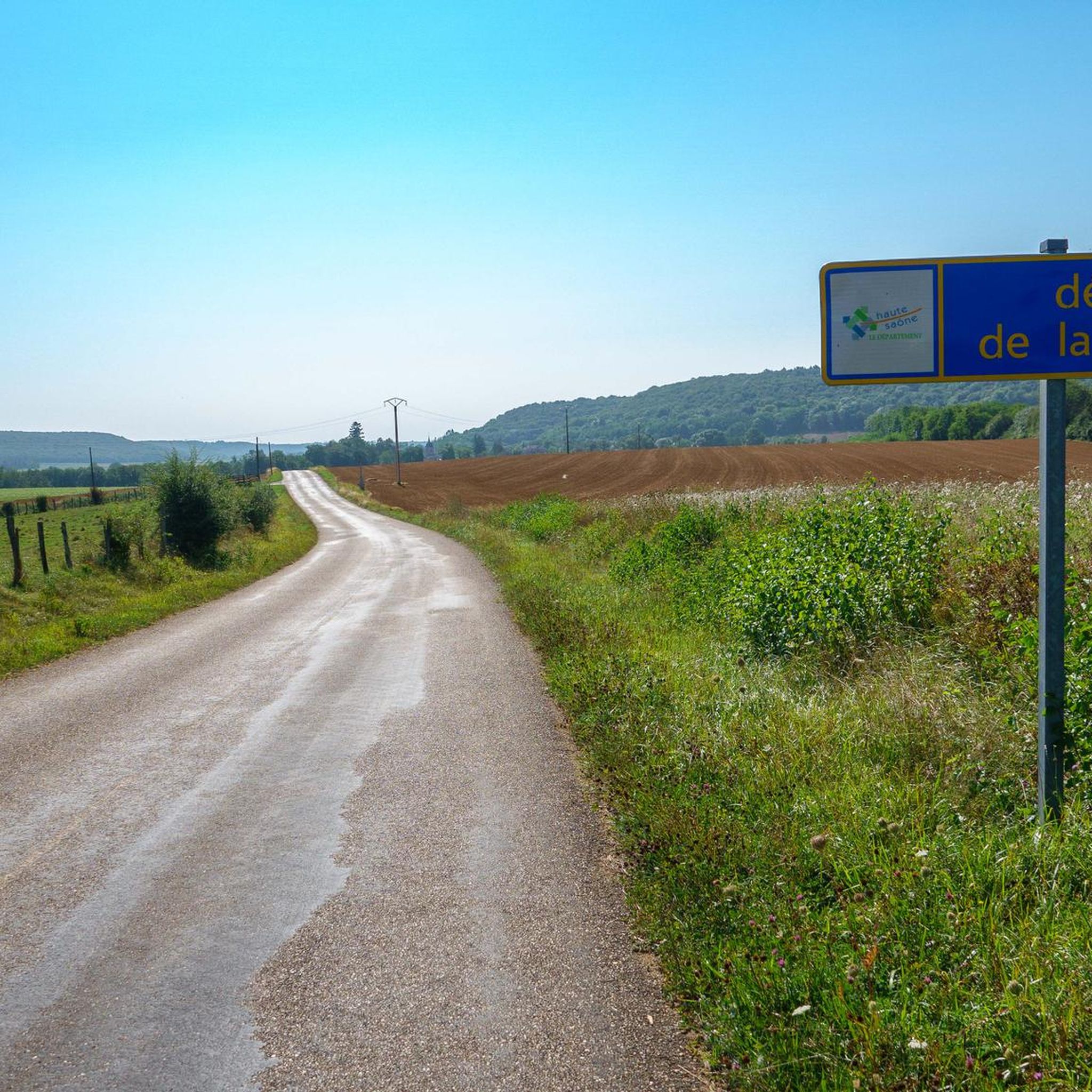
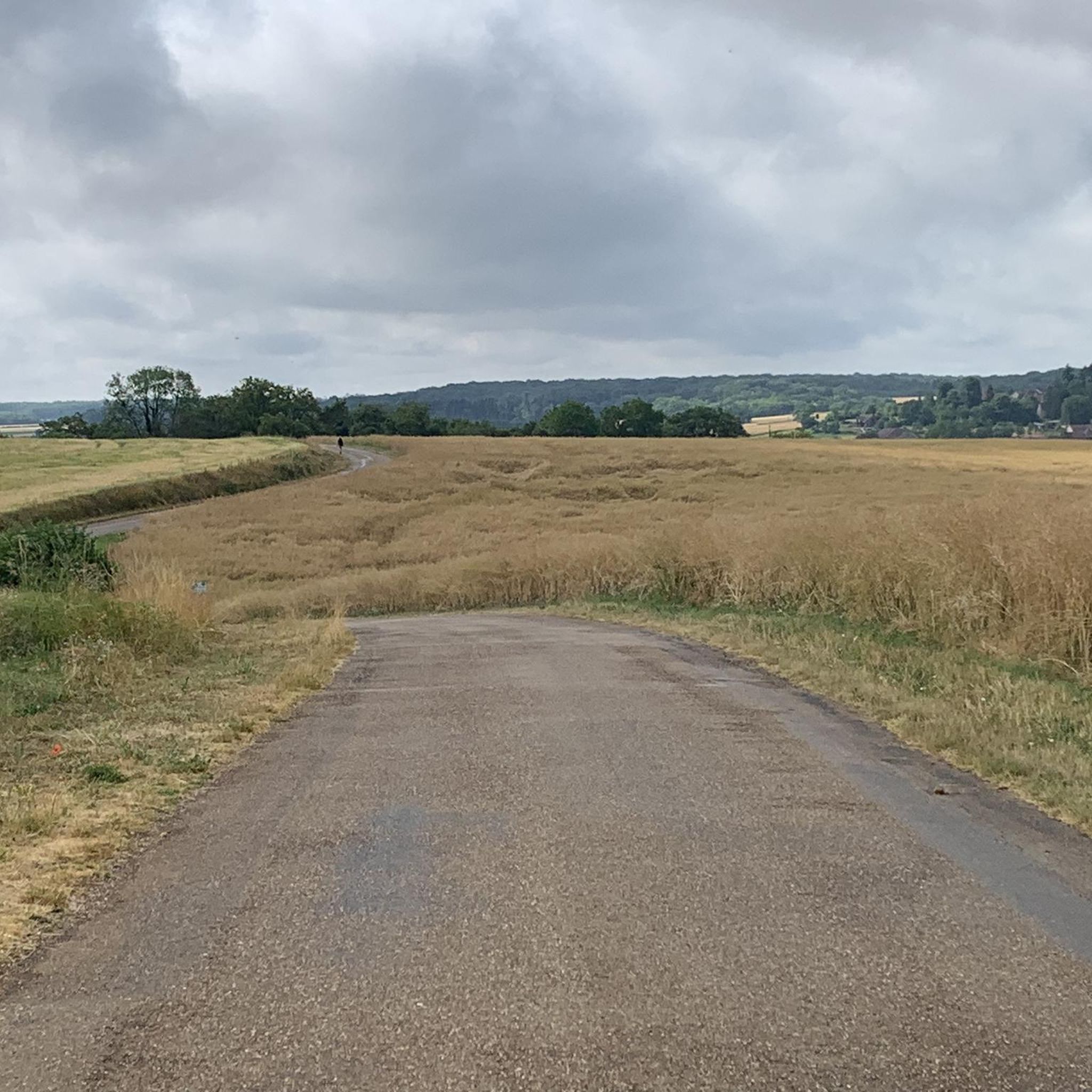

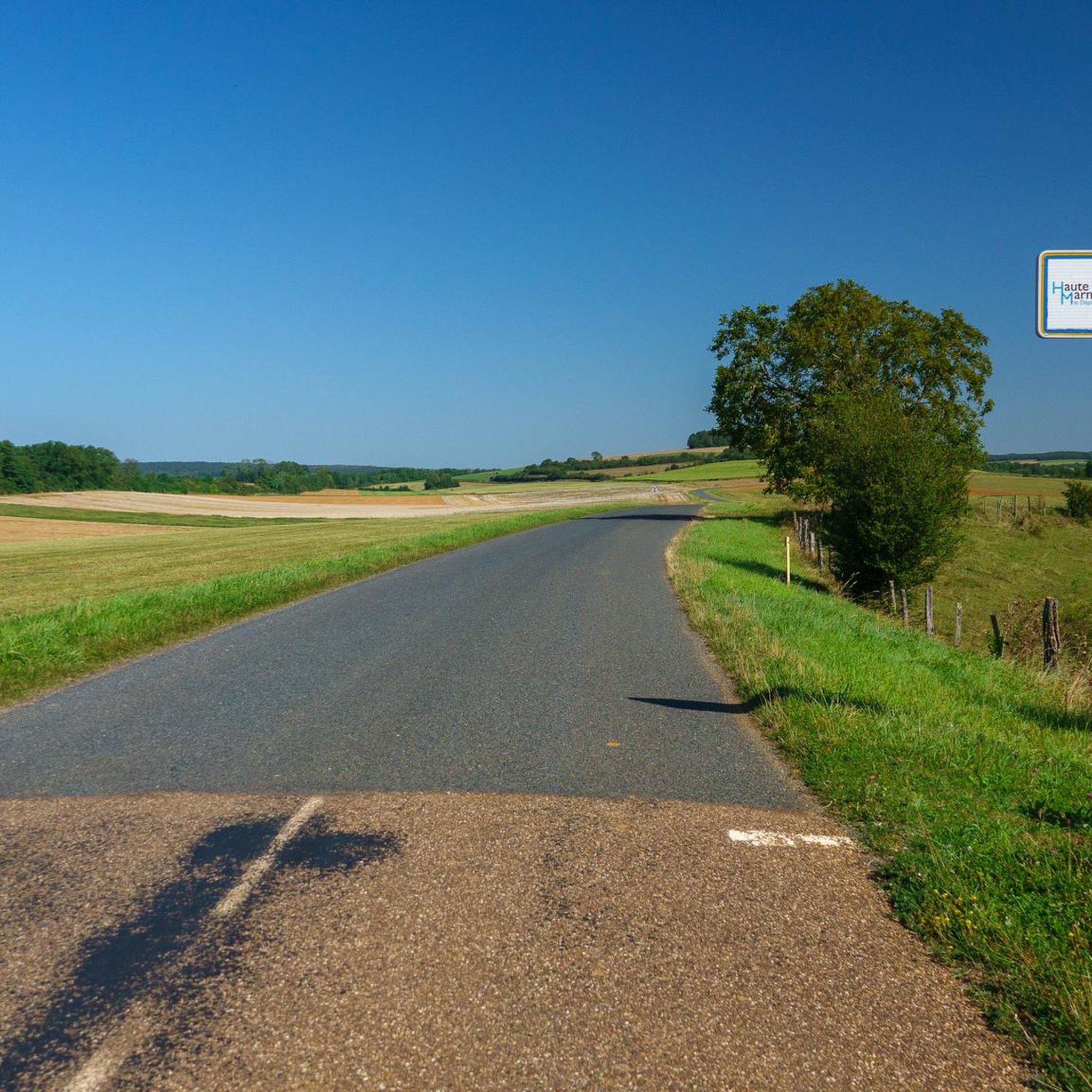

Other adventures around Champlitte

Tips from the Community

The monument aux morts in Dampierre-sur-Salon is a memorial to the victims of the First and Second World Wars. It is a stone obelisk with a bronze laurel wreath and a cross, located on the Place du Bosquet, near the post office. The monument bears the names of the fallen soldiers from Dampierre-sur-Salon.
10
4
The town hall annex wash house with a beautiful basin (19th century) are very worthwhile. Dampière has existed for a long time, as is evident from the presence of the Merovingian cemetery and the ruins of a feudal castle. In addition to the 16th century houses and towers, you can also admire the house of the owner of the blast furnaces.
10
4
The Château de Champlitte is a historic monument in the commune of Champlitte, in the Haute-Saône, France. The castle was originally built as a fortified fortress in the Middle Ages, but was later converted into a residential castle in the Renaissance and 18th centuries. The castle now houses the Museum of Popular Arts and Traditions, which shows the daily life and crafts of the past. You can visit the castle and the museum, and enjoy the formal gardens in the courtyard.
12
4
The church of St. Peter and St. Paul was built in the twelfth century. It had a dual use: parish and priory, since it depended on the Benedictine abbey of Bèze, in Burgundy. The choir and the nave are from the twelfth century, the sacristy from the sixteenth century, the interior decorations from the early eighteenth century; The restoration began in the nineteenth century. The interior of the church is protected. Nothing is known about the lantern of the dead, which stands in the cemetery (?) , except that it was made in 1537 and was classified as a historical monument on February 23, 1965. It is the monumental cross that is protected.
9
1

Locked diversion of the Saône built in two stages, in 1840 and 1880. This reach is one of the areas developed to make the Saône navigable.
0
0

Take a detour every now and then to switch the scenery
2
0

A very nice way. The numerous locks and the associated houses of the smugglers are particularly worth seeing.
3
1

Opened to traffic in 1907, the canal between Champagne and Burgundy (formerly the Marne-Saône canal) extends over 224 kilometers between Vitry-le-François and Marcilly-sur-Saône. It provides the river connection between the navigable networks of the Seine and the Rhône. It required major works: fixed bridges, swing bridges, footbridges, aqueduct, but also tunnels and artificial lakes for its water supply. He requested the digging of a 4,821 meter tunnel (fourth river tunnel in France) which passes some 50 meters under the church of Balesmes as well as the construction of the 4 lakes of the Pays de Langres. The landscapes crossed as well as its calm make it one of the most beautiful canals in France.
5
1
Frequently Asked Questions
What historical sites can I visit in Champlitte?
Champlitte is rich in history. You can explore the impressive Château de Champlitte, which houses the departmental Museum of Popular Arts and Traditions. Other notable historical sites include the Couvent des Augustins, the Tour of the Annunciation, and the Old Houses of the Chapter. The town of Dampierre-sur-Salon also features remnants of a feudal castle and 16th-century houses.
Are there any museums in Champlitte?
Yes, Champlitte offers two distinct museums. The Musée départemental des Arts et Traditions populaires is located within the Château de Champlitte and provides insight into 19th-century rural life. Additionally, the Musée des Arts et Techniques focuses on technical developments from the early 20th century, showcasing period machines and tools.
What natural features can I explore around Champlitte?
The Champlitte area offers several natural points of interest. You can visit The Lavières, known for its dry grasslands and wild orchids. The region also boasts a flourishing wine industry with local vineyards, and the Gardens of the Château de Champlitte offer a pleasant space for strolling. The Canal between Champagne and Burgundy is a significant waterway, providing scenic views and opportunities for exploration.
Are there hiking trails near Champlitte?
Yes, the area surrounding Champlitte features 300 km of marked hiking trails, perfect for exploring the natural landscape. For specific running routes, you can find options like the 'Notre-Dame du Renouveau loop from Champlitte' or the 'Château de Champlitte loop from Champlitte' on the Running Trails around Champlitte guide.
What cycling opportunities are available around Champlitte?
Champlitte is well-suited for cycling, particularly along the Canal between Champagne and Burgundy, which features mostly tarred paths. You can find various routes, including longer tours like the 'Henri IV Gate – Porte des Terreaux loop from Champlitte' or 'Porte des Terreaux – Pontailler-sur-Saône loop from Champlitte'. More options are available in the Cycling around Champlitte guide and the Road Cycling Routes around Champlitte guide.
Is Champlitte part of a pilgrimage route?
Yes, Champlitte serves as a key stage on the historic Via Francigena. This Council of Europe Cultural Itinerary connects Canterbury to Rome, offering a blend of spirituality and cultural discovery for hikers and pilgrims.
What is the best time of year to visit Champlitte attractions?
Champlitte offers attractions year-round. Spring and autumn are ideal for hiking and exploring the natural landscapes and vineyards. The annual Saint-Vincent festival celebrates the town's winemaking heritage, typically in January. The Canal between Champagne and Burgundy is described as magnificent in winter and equally beautiful in summer, suggesting pleasant visits across seasons.
Are there any family-friendly attractions in the area?
The Vereux Diversion, a locked section of the Saône, is noted as family-friendly. Exploring the Château de Champlitte and its museum can also be an engaging activity for families, offering an educational glimpse into local history and traditions.
What kind of architecture can I see in Champlitte?
Champlitte is known for its well-preserved architecture spanning from the 16th to 18th centuries. You can admire the Renaissance façade and classical wings of the Château de Champlitte. The Place des Halles features charming Renaissance-period houses and cobblestoned streets, showcasing the town's enduring architectural heritage.
What do visitors enjoy most about the attractions around Champlitte?
Visitors appreciate the blend of historical and natural beauty. The Canal between Champagne and Burgundy is particularly praised for its scenic landscapes and calm atmosphere, with its numerous locks and associated houses being a highlight. The historical significance and well-preserved architecture of towns like Dampierre-sur-Salon also draw interest.
Can I visit historical churches near Champlitte?
Yes, there are several historical churches to visit. The Saint-Hubert Church in Delain has a history dating back to 1219. The Saint-Pierre Church in Coublanc, built in the twelfth century, served as both a parish and a priory and features interior decorations from the early eighteenth century.

Get inspired with the komoot mobile app


Explore more
Still not found the Highlight you’re looking for? See guides of the top attractions in other regions:
