Top 10 Castles around Jouars-Pontchartrain
Best castles around Jouars-Pontchartrain are primarily characterized by historical estates, notably the Château de Pontchartrain, which exemplifies 17th-century French architecture. Located in the Yvelines department, west of Paris, the area offers a glimpse into French noble residences. The landscape, once featuring extensive grounds, provides a historical setting for these structures.
Best castles around Jouars-Pontchartrain
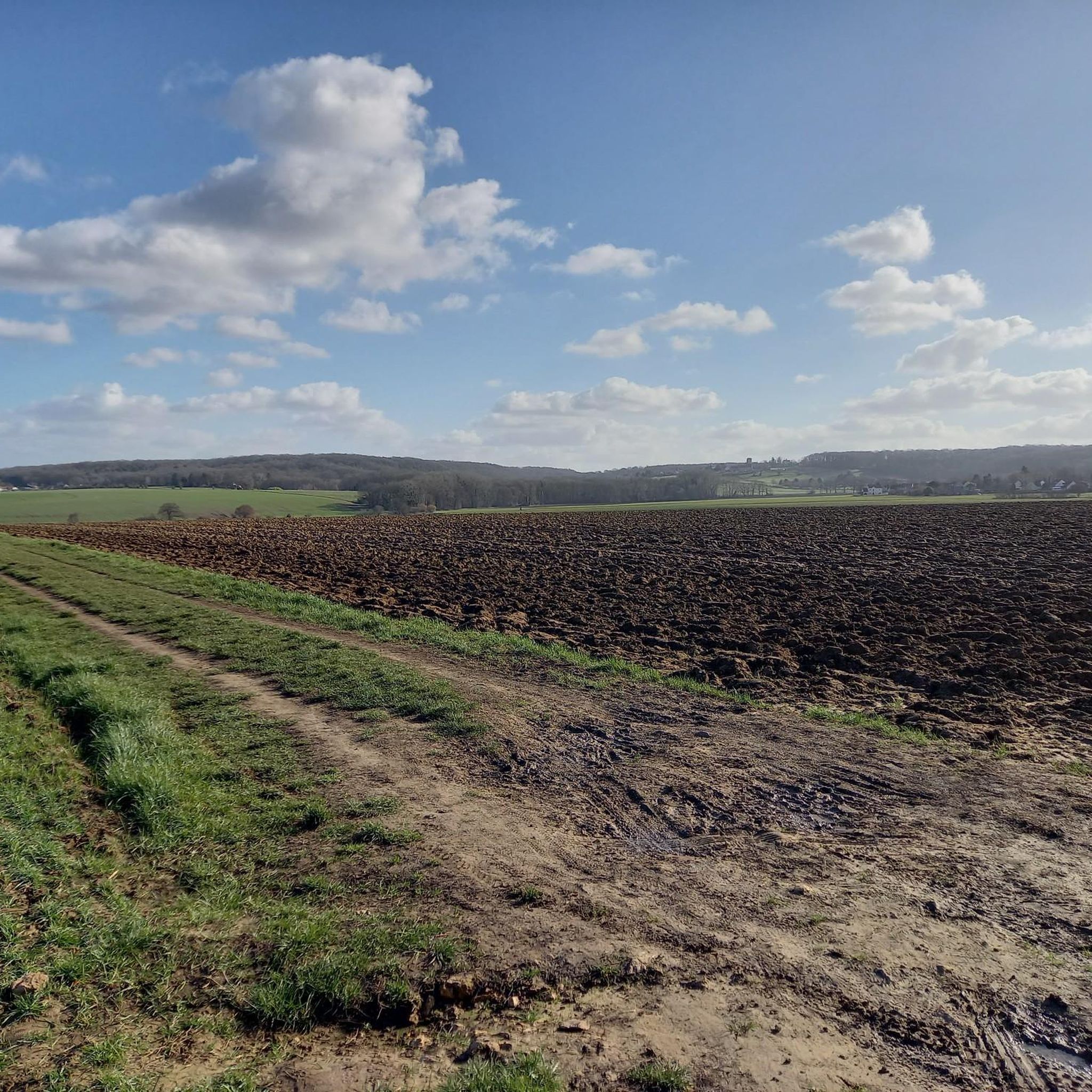
- The most popular castles is Dampierre-en-Yvelines Castle, a castle well known to cyclists for its paved strip. This castle is currently undergoing renovation.
- Another must-see…
Last updated: November 7, 2026
Dampierre-en-Yvelines Castle
Highlight • Castle
Translated by Google •
Tip by

Château des Mesnuls
Highlight • Castle
Translated by Google •
Tip by

Sign up now to discover places like this
Get recommendations on the best single tracks, peaks, & plenty of other exciting outdoor places.
Ruins of the Château de Beynes
Highlight • Castle
Translated by Google •
Tip by

Château de Jouars-Pontchartrain
Highlight • Castle
Translated by Google •
Tip by

Tremblay-sur-Mauldre Castle
Highlight • Castle
Translated by Google •
Tip by
Sign up for free to discover even more castles around Jouars-Pontchartrain.
Already have an account?
Start today with a free account
Your next adventure awaits.
Tips from the Community

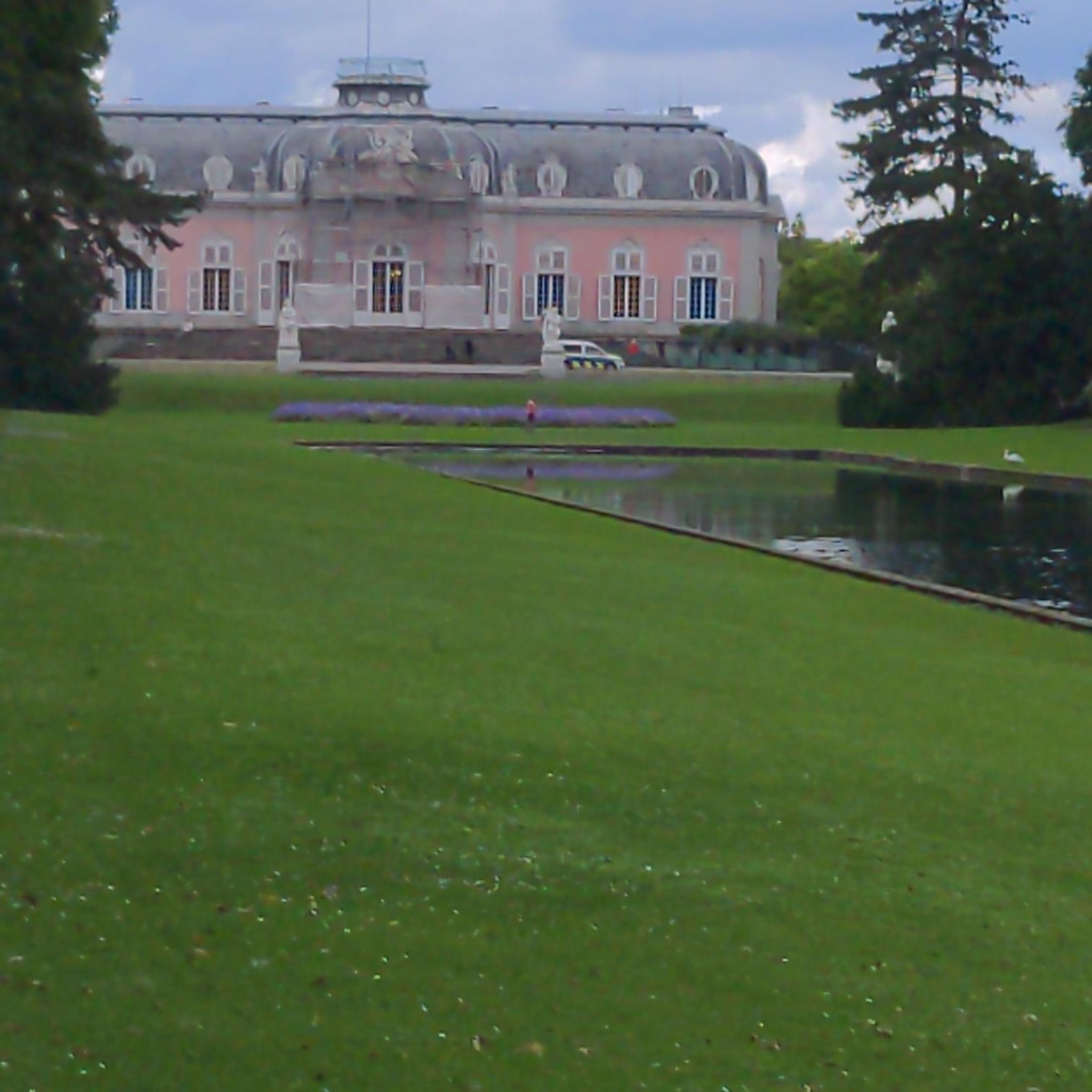
The Château des Mesnuls is a historic castle in the Louis XIII style built of brick and stone, located in the commune of Les Mesnuls, in the Yvelines department in France. The structure, protected since 1945 and officially classified as a historic monument in 1975, is not open to the public for classic individual tourist visits. The building is indeed owned by the Châteauform' chain and is entirely dedicated to corporate seminars, conferences, and private events.
0
0

A very beautiful castle
4
0

The castle with its well-kept, spacious park is privately owned and unfortunately cannot be visited.
0
0
Very nice castle with a spacious park. Unfortunately not to visit. The property has been privately owned for several years.
0
0
The castle is privately owned and unfortunately cannot be visited.
0
0

Super beautiful, and well highlighted by the municipality.
0
0

The castle of Beynes is installed in the bottom of a valley. Its construction dates back to the 11th century. It first had a military role at a time when the course of the Mauldre constituted a line of defense of the royal domain, to the west, in particular against the English during the Hundred Years' War. In the 15th century, the castle having lost its strategic importance due to the extension of the royal domain, Robert d'Estouteville, chamberlain of King Charles VII and owner of the premises, made it undergo some modifications, by demolishing the keep and adapting the nascent artillery fortifications. In the 16th century, in 1536, the estate was ceded to Diane de Poitiers (Madame de Valentinois) by Henri II, her royal lover2. She had a new dwelling built by Philibert Delorme, author of the Château des Tuileries, the Château d'Anet or part of that of Chenonceau. The castle is among the first listed with a framework that was a precursor to the principle of glued laminated timber, the technique of which was therefore invented by this great architect3,4. In the 17th century, in 1688, ladies of the high aristocracy gathered there around the mystical Madame Guyon. On October 4, they organized a meeting at the château between Madame Guyon and their spiritual director, the Abbé de Fénelon5. This one becomes one of the most fervent disciples of Madame Guyon6. In the 18th century, the ruins of the castle served for a time as the setting for the English park laid out by the Phélypeaux de Pontchartrain who then owned it. An estimate for its restoration is produced7, its cost probably convinces the owners to leave it as it is. Abandoned then dismantled, it even serves as a quarry for the construction of the village. In 1967, the Château de Beynes was bought by the municipality, which was responsible for saving the estate, which was then buried by vegetation. From 1995 to 1999, it was excavated and then benefited from reinforcement works. In 2014, all the remains were classified as historical monuments 8. At the beginning of June 2016, heavy rains caused the flooding of the moat9,10, and the collapse of a section of the wall. Work, in the form of a subsidized and sponsored volunteer site, is underway to stop its deterioration and allow its access to the public11.
0
0
Frequently Asked Questions
What is the main castle in Jouars-Pontchartrain?
The primary historical edifice in Jouars-Pontchartrain is the Château de Pontchartrain. This impressive estate is a notable example of 17th-century French architecture, characterized by its elegant design, carved stone facades, and mansard roofs. It is surrounded by moats and reflects the development of manor houses during its era.
Can I visit the interior of Château de Pontchartrain?
The Château de Pontchartrain is privately owned and not fully open to the public for interior visits. However, its exterior can be viewed from the surrounding grounds. The château is currently undergoing a meticulous rehabilitation project.
What is the historical significance of Château de Pontchartrain?
Originally a manor from the 14th century, the current structure of the Château de Pontchartrain saw significant additions in the mid-17th century by Louis I Phélypeaux, Count of Pontchartrain, who became Chancellor of France. The Phélypeaux family, powerful ministers to Louis XIV and Louis XV, owned the castle for many years. It has also been associated with figures like the Countess of Boigne and the Dreyfus family, and is classified as a Historic Monument.
Are there other notable castles to visit near Jouars-Pontchartrain?
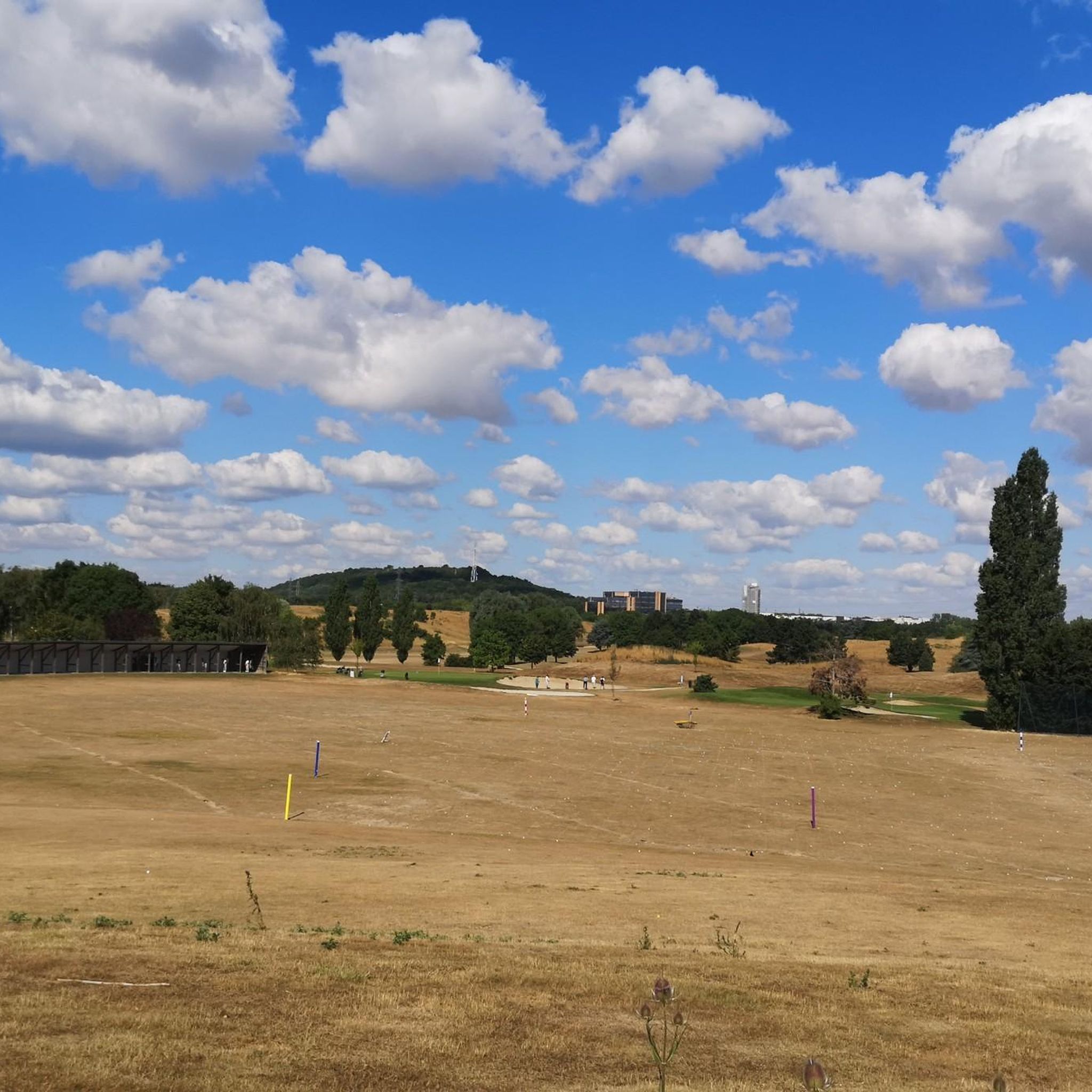
Yes, beyond Château de Pontchartrain, you can explore other significant sites. These include Dampierre-en-Yvelines Castle, known to cyclists and currently undergoing renovation, the 17th-century Tremblay-sur-Mauldre Castle located on a golf course, and the Louis XIII style Château des Mesnuls.
What kind of historical ruins can I find in the area?
The Ruins of the Château de Beynes offer a glimpse into the region's past. This fortified castle, dating back to the 11th century, played a military role during the Hundred Years' War. Though in ruins, it is surrounded by moats and is a classified historical monument, with ongoing efforts to preserve it.
Are there family-friendly castles or activities near Jouars-Pontchartrain?
While specific family activities vary by castle, many of the estates offer grounds suitable for walks. Dampierre-en-Yvelines Castle is listed as family-friendly, and exploring the exteriors and historical contexts of these sites can be an engaging experience for families.
What outdoor activities can I do near these castles?
The area around Jouars-Pontchartrain offers various outdoor activities. You can find numerous cycling routes, including those around Jouars-Pontchartrain, and dedicated MTB trails. For road cycling enthusiasts, there are also several road cycling routes that pass by various castles and scenic spots.
Are there walking or hiking routes around Château de Pontchartrain?
While the Château de Pontchartrain itself is privately owned, the surrounding region, including the Yvelines department, offers various walking and hiking opportunities. You can explore routes that provide views of the château's exterior and its historical landscape. For specific trails, consider exploring the broader Jouars-Pontchartrain area guides for outdoor activities.
What is the best season to visit castles near Jouars-Pontchartrain?
The castles and their surrounding grounds are generally pleasant to visit during spring, summer, and early autumn when the weather is mild, and the gardens (where accessible) are in bloom. However, the historical architecture can be appreciated year-round. For specific opening hours or access details, it's always best to check directly with the individual sites.
What do visitors enjoy most about the castles around Jouars-Pontchartrain?
Visitors appreciate the rich history and architectural grandeur of the castles, which offer a glimpse into the opulent lifestyle of French nobility. The scenic locations and the opportunity to explore historical sites, even if only from the exterior, are highly valued. The komoot community has shared over 75 photos and given more than 900 upvotes, highlighting the visual appeal and historical interest of these sites.
Are there any castles in the area that have been featured in films?
Yes, the Château de Pontchartrain has served as a filming location for several movies and television productions. Notably, it was used in "The Hunchback" (1997) and Sofia Coppola's "Marie Antoinette" (2006), adding to its cultural significance.
What kind of architectural style can I expect to see in the castles of this region?
The castles around Jouars-Pontchartrain primarily showcase 17th-century French architecture, with some structures like Château des Mesnuls exhibiting a Louis XIII style. These designs often feature elegant stone facades, mansard roofs, and traditional U-shaped plans, reflecting the noble residences of their era.
Most popular routes around Jouars-Pontchartrain
Most popular attractions around Jouars-Pontchartrain

Get inspired with the komoot mobile app


Explore more
Looking for the best castles somewhere else? Discover other guides around Jouars-Pontchartrain:
