Attractions and Places To See around Vis-En-Artois - Top 20
Attractions and places to see around Vis-En-Artois include significant World War I remembrance sites, serving as a gateway to the wider Pays d'Artois region. This area in the Pas-de-Calais department of France offers a blend of historical landmarks and natural landscapes. Visitors can explore ancient megalithic sites and natural reserves within a short distance. The region is characterized by its historical significance and diverse outdoor opportunities.
Best attractions and places to see around Vis-En-Artois
- The most popular attractions is The…
Last updated: May 11, 2026
Les Bonnettes
Highlight • Other
Translated by Google •
Tip by

The Menhir of Lécluse or the Devil's Stone
Highlight • Summit
Translated by Google •
Tip by

Sign up now to discover places like this
Get recommendations on the best single tracks, peaks, & plenty of other exciting outdoor places.
Sign up for free
The Scarpe by bike
Highlight • Other
Translated by Google •
Tip by

Hamel Dolmen or the Sorcerers' Kitchen (Pierre Chavatte)
Highlight • Natural
Connu aussi sous le nom de « Pierre-aux-savates » ou « Cuisine des Sorciers », le dolmen du Bois …
Tip by

Houdain Lane Cemetery
Highlight • Historical Site
Translated by Google •
Tip by

Sign up for free to discover even more attractions around Vis-En-Artois.
Sign up for free
Already have an account?
Start today with a free account
Your next adventure awaits.
Login or Signup





Tips from the Community

Organized hike, lots of fields, no forest, shame 😏
0
0

The Seven Bonnettes are a fascinating megalithic site, surrounded by legends and mysteries. Located in a picturesque valley, this 75 meter high mound is crowned with standing stones forming a crown. According to legend, these stones represent six young girls and a musician, transformed into statues by Heaven for having danced instead of attending vespers.
0
0

not highlighted enough. But it’s a komoot must-have now 🥳
0
0

They are part of the unknown treasures of Arras and the Pays d'Artois. The various megalithic sites are good for a beautiful walk, among mysteries and legends, history and extraordinary landscapes. Set sail for the Scarpe valley and the Sensée valley, in the wake of the megaliths of the Pays d'Artois.
2
0
Small mythical location. The stone pillars on top have already made many passers-by think. They are part of the unknown treasures of Arras and the Pays d'Artois. The various megalithic sites are good for a beautiful walk, among mysteries and legends, history and extraordinary landscapes. Set sail for the Scarpe valley and the Sensée valley, in the wake of the megaliths of the Pays d'Artois.
1
0
Historical interpretation: The village of Tilly-les-Mofflaines was captured by Commonwealth troops on April 9, 1917, but was again partially in German hands from March to August 1918. "Houdain Lane" was a trench in the area between Tilloy and Feuchy. The cemetery was established in April 1917 by units of the 12th (Eastern), 15th (Scottish) and 37th Divisions. The cemetery contains 76 graves from the First World War.
1
0

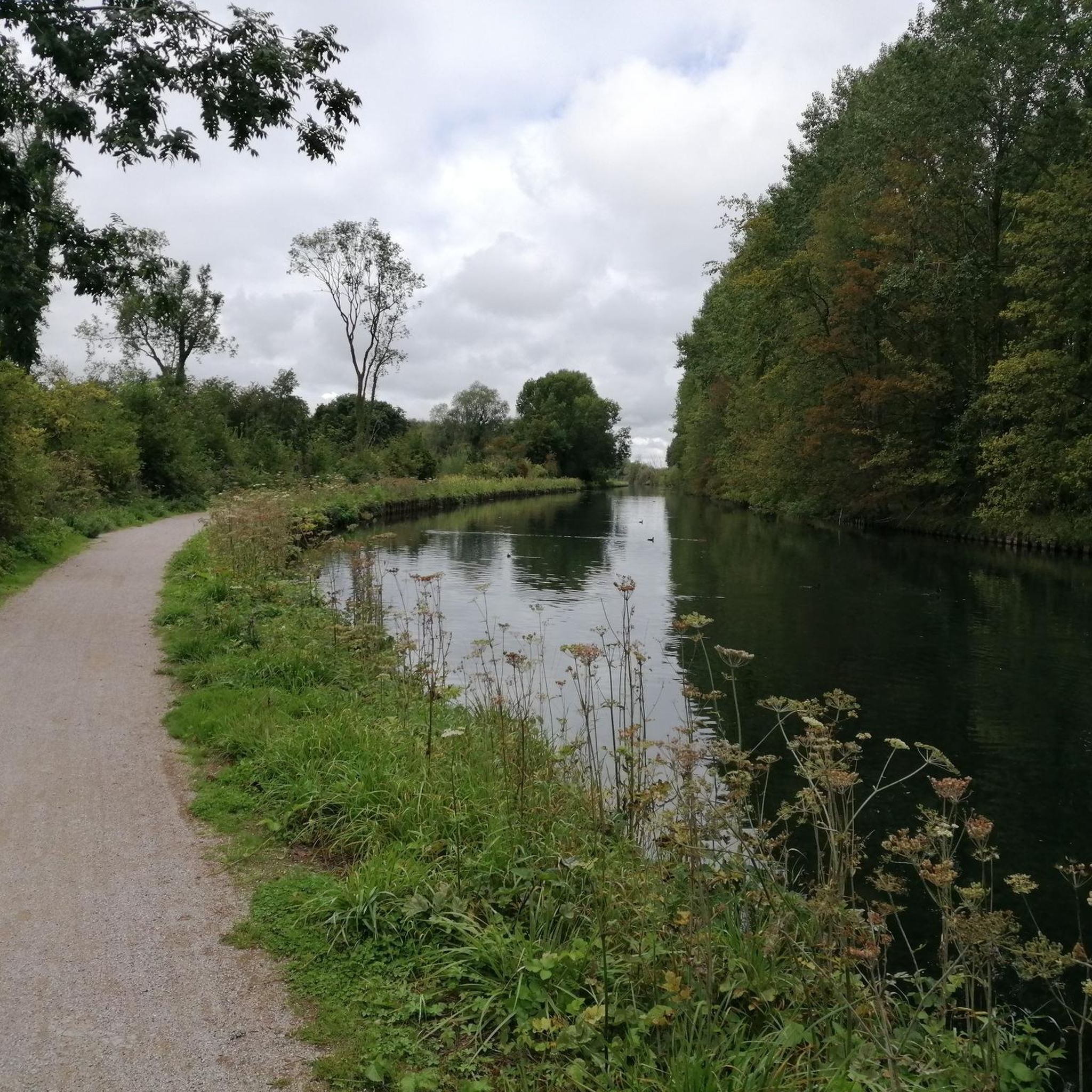
If you are looking for a nice bike ride along the Scarpe, you can go to Lock No. 30 in Athies, a lock that regulates the water level and allows the passage of boats . Lock No. 30 at Athies is part of the Scarpe Supérieure, a canalized section of the river which connects Arras and Douai. It is also a hydrographic area which contributes to the water quality and biodiversity of the region. Lock No. 30 in Athies is a privileged place to appreciate the technical and environmental aspects of the Scarpe.
5
0
The story goes that once the people of the country showed the scratches produced, according to legend, by the claws of the demon when he seized the stone. Streaks do indeed appear on two sides of the menhir… But are they the same as before or do they come from the destruction of the stone in 1918
2
0
Frequently Asked Questions
What historical sites related to World War I can I visit in Vis-en-Artois?
Vis-en-Artois is primarily known for its significant World War I remembrance sites. You can visit the Vis-en-Artois Memorial, which commemorates British and South African soldiers with no known grave from the Advance to Victory in 1918. Adjacent to it is the Vis-en-Artois British Cemetery, Haucourt, a Commonwealth War Graves Commission burial ground with 2,369 First World War graves. Nearby, the Houdain Lane Cemetery also holds historical significance from the war.
Are there any ancient historical sites or megaliths to explore near Vis-en-Artois?
Yes, the Pays d'Artois region features several ancient megalithic sites. You can visit Les Bonnettes, known for its stone pillars and local legends. Another significant site is The Menhir of Lécluse or the Devil's Stone, a classified historical monument and one of the region's tallest menhirs, surrounded by many legends. The Hamel Dolmen or the Sorcerers' Kitchen (Pierre Chavatte) is another rare example of a covered alley from the late Neolithic period.
What other historical towns are worth visiting in the wider Pays d'Artois region?
Beyond Vis-en-Artois, several historical towns are within a short driving distance. Arras, about 13 km away, is famous for its baroque squares (Grand Place, Place des Héros) and its UNESCO World Heritage belfry. The Carrière Wellington museum in Arras, a series of WWI tunnels, is also a significant historical site. Douai, approximately 17 km away, boasts a pleasant old town and an impressive belfry. Cambrai, about 23 km from Vis-en-Artois, also offers historical significance.
Where can I find natural beauty and reserves around Vis-en-Artois?
The area around Vis-en-Artois offers sites of natural beauty and ecological importance. You can explore natural reserves such as the Réserve naturelle régionale du Marais de Wagnonville (19 km away) and the Réserve naturelle régionale de la Tourbière de Vred (27 km away). The Scarpe and Authie valleys also provide rich ecological corridors, ideal for enjoying nature. A popular highlight is The Scarpe by bike, a canalized section of the river that contributes to the region's water quality and biodiversity.
Are there opportunities for cycling or mountain biking near Vis-en-Artois?
Yes, the region offers various cycling and mountain biking opportunities. You can find numerous routes, including those along the Scarpe river. For detailed routes, explore the MTB Trails around Vis-En-Artois guide or the Gravel biking around Vis-En-Artois guide. These guides feature routes like the 'Biache-Saint-Vaast marshes – Scarpe riverbanks loop' and 'The Scarpe by bike – Scarpe riverbanks loop'.
What kind of running trails are available in the Vis-en-Artois area?
For runners, there are several trails around Vis-en-Artois. You can find various loops and routes suitable for jogging. For specific options, refer to the Running Trails around Vis-En-Artois guide, which includes routes such as the 'Mont Bernard loop from Vis-en-Artois' and other running loops starting from nearby villages like Chérisy and Boiry-Notre-Dame.
Are there family-friendly attractions suitable for children around Vis-en-Artois?
While many historical sites are educational, some attractions are particularly suitable for families. The Menhir of Lécluse or the Devil's Stone, with its intriguing legends, can be an engaging stop for children. Similarly, the Houdain Lane Cemetery offers a quiet place for reflection and learning about history in a serene setting.
When is the best time of year to visit Vis-en-Artois for outdoor activities and sightseeing?
The best time to visit Vis-en-Artois for outdoor activities and sightseeing is generally during the spring (April to June) and autumn (September to October). During these seasons, the weather is typically mild and pleasant, ideal for exploring historical sites, megaliths, and natural reserves. Summer (July and August) can also be good, though it might be warmer and more crowded.
What do visitors particularly enjoy about the attractions near Vis-en-Artois?
Visitors appreciate the blend of history and nature. The ancient megalithic sites like Les Bonnettes and The Menhir of Lécluse are enjoyed for their mysteries, legends, and the beautiful walks they offer amidst extraordinary landscapes. The canalized Scarpe river, highlighted by The Scarpe by bike, is valued for its technical and environmental aspects, providing pleasant routes for cycling and appreciating the region's biodiversity.
Are there any charming 'Heritage Villages' to visit in the Pays d'Artois region?
Yes, the Pays d'Artois region features several 'Heritage Villages' (Villages Patrimoine©) recognized for their preserved heritage. These villages, such as Pas-en-Artois, offer charming strolls, historical architecture, and insights into local life. They often have marked discovery trails starting from the town hall, providing a pleasant way to experience the local culture and history.
Is public transport available to reach attractions around Vis-en-Artois?
While Vis-en-Artois itself is a smaller commune, public transport options to reach specific attractions in the wider Pays d'Artois region might be limited. It is generally recommended to have a car for exploring the various historical sites, megaliths, and natural reserves scattered around the area, as many are not directly accessible by frequent public transport.
Are there any dog-friendly trails or attractions near Vis-en-Artois?
Many outdoor areas and natural trails around Vis-en-Artois are generally dog-friendly, especially for walks in the countryside or along the Scarpe and Authie valleys. When visiting specific historical sites or monuments, it's advisable to check individual site regulations regarding dogs, though outdoor memorials and megalithic sites often permit well-behaved dogs on a leash.
Most popular routes around Vis-En-Artois

Get inspired with the komoot mobile app


Explore more
Still not found the Highlight you’re looking for? See guides of the top attractions in other regions:
