Attractions and Places To See around Le Grand-Lemps - Top 20
Best attractions and places to see around Le Grand-Lemps include a variety of historical sites, cultural landmarks, and natural environments. Located in the Terres Froides region, it features green landscapes and a rich heritage. The area is characterized by its natural reserve, the Grand-Lemps Pond, and its proximity to Lake Paladru. Visitors can explore historical architecture and unique natural features.
Best attractions and places to see around Le Grand-Lemps
- The most popular attractions is Lake Paladru, a lake known…
Last updated: May 21, 2026
Notre-Dame-du-Mont Chapel
Highlight • Religious Site
Translated by Google •
Tip by

Lake Paladru
Highlight • Lake
Translated by Google •
Tip by

Sign up now to discover places like this
Get recommendations on the best single tracks, peaks, & plenty of other exciting outdoor places.
Sign up for free
Château de Montgontier
Highlight • Castle
Located on the GR 65, facing south, Espace Montgontier dominates the plain of Bièvre.
A large …
Translated by Google •
Tip by

Saint-Pierre Church
Highlight • Religious Site
Translated by Google •
Tip by

Dead monk cross
Highlight • Other
Translated by Google •
Tip by

Sign up for free to discover even more attractions around Le Grand-Lemps.
Sign up for free
Already have an account?
Start today with a free account
Your next adventure awaits.
Login or Signup

Tips from the Community

The faithful trust in the help of the Mother of God – who in France is always venerated under the title “Notre-Dame” (which corresponds to the German name “Our Lady”) – was expressed by the French nun, mystic and Doctor of the Church, Saint Thérèse of Lisieux (religious name Thérèse of the Child Jesus and the Holy Face, 1873 to 1897) as follows: “In trials or difficulties I turn to Mother Mary, whose gaze alone is enough to dispel all fear.”
0
0

Lake Paladru is very popular in the summer, especially on weekends. Swimming is possible; there's a small, well-equipped beach.
0
0
This is a classic bike ride around Grenoble, easy and suitable for the whole family.
0
0
During Holy Week, Christians commemorate the Passion of Jesus Christ, beginning with the triumphal entry into Jerusalem (Palm Sunday), the Last Supper (Maundy Thursday), and ending with the arrest, condemnation, and execution (Good Friday), which then culminates in the Easter Vigil with the celebration of the Resurrection, the climax of the church year. The biblical accounts of the New Testament that describe these events paint a very nuanced picture of the Apostle Peter (Saint-Pierre), to whom the church of Charavines is dedicated: on the one hand, he is a determined disciple of Jesus, but also not free from human weakness and fear. In the Garden of Gethsemane, he (like the other disciples) falls asleep when Jesus turns to God the Father after the Last Supper and asks the disciples to pray as well. And after Jesus' arrest, Peter denies three times that he even knows him. But he also weeps over his weakness and, upon encountering the risen Christ, affirms his love and loyalty to him. His real name is Simon, but Jesus gives him the name Peter (which means "rock") on which the church is to be built and gives him—according to the account of the Evangelist Matthew—the "keys to the kingdom of heaven."
1
0
This memorial cross made of light wood—dedicated to the memory of a deceased monk—is one of many that bikers encounter repeatedly along the way. They are all symbols of remembrance of the crucifixion, but also of the resurrection of Jesus Christ. + "With us on earth, His memory exists, but in the kingdom of heaven is His presence: This presence is the joy of those who have already attained salvation. The memory is our consolation, as we are still wanderers, journeying toward our fatherland." (Bernard of Clairvaux) Some passersby have placed stones at the foot of the small sacred monument.
1
0

At guests' disposal: reception rooms for 20 to 170 people, accommodation for up to 102 beds and a shared kitchen, a 500 m2 terrace equipped with tables, arbors and parasols with an exceptional view of the Bièvre plain and a large park of approximately 4000 m2 for an outdoor reception.
9
0

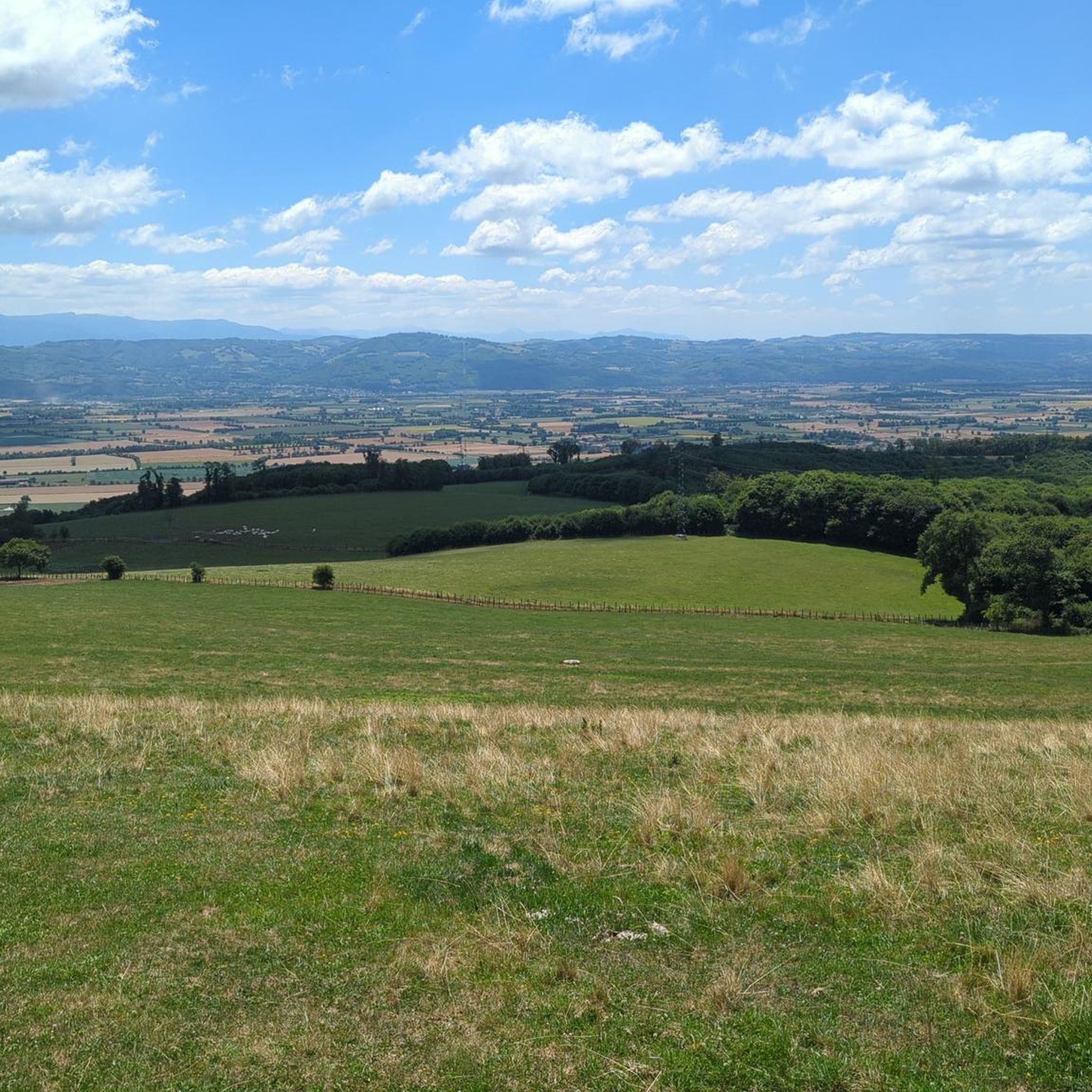
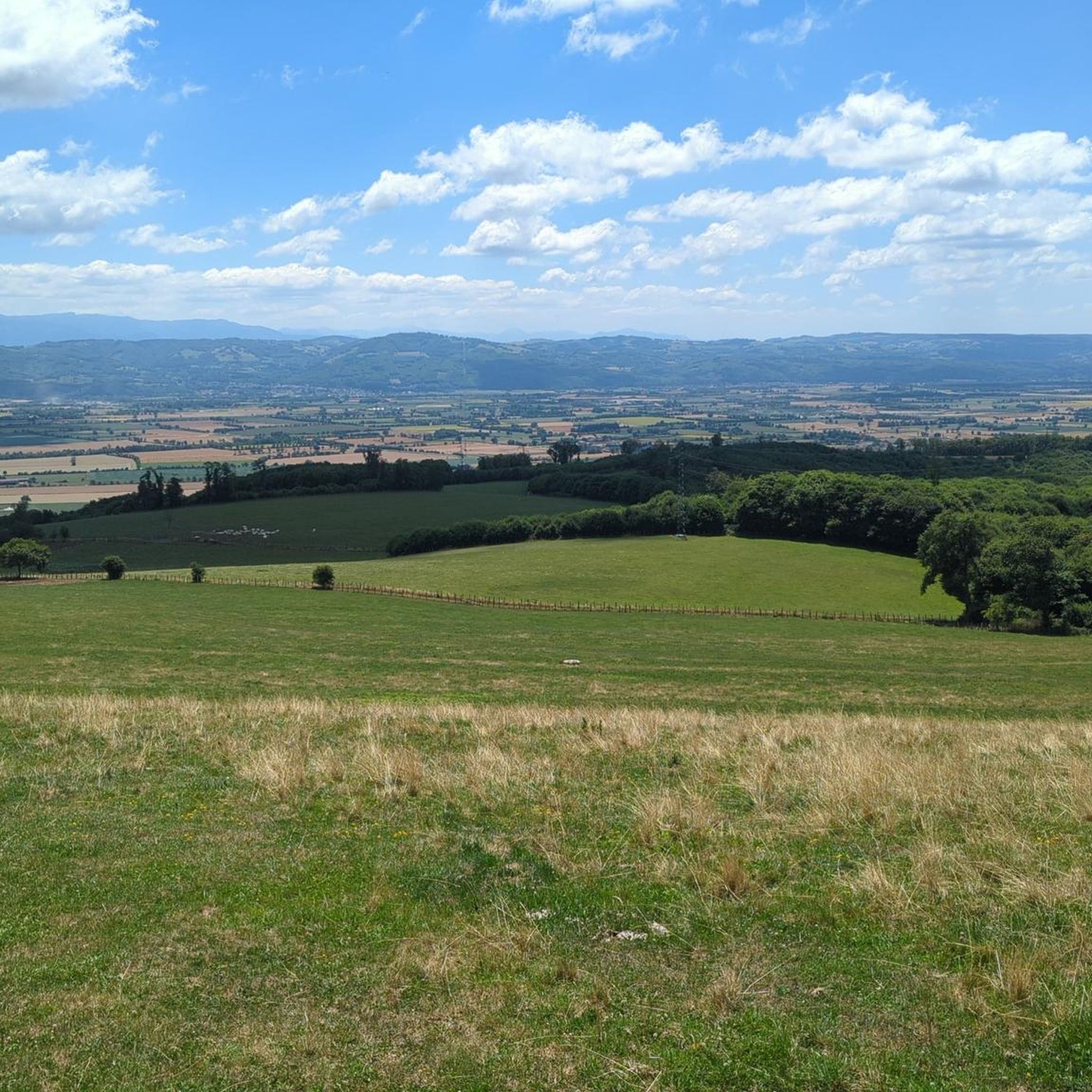
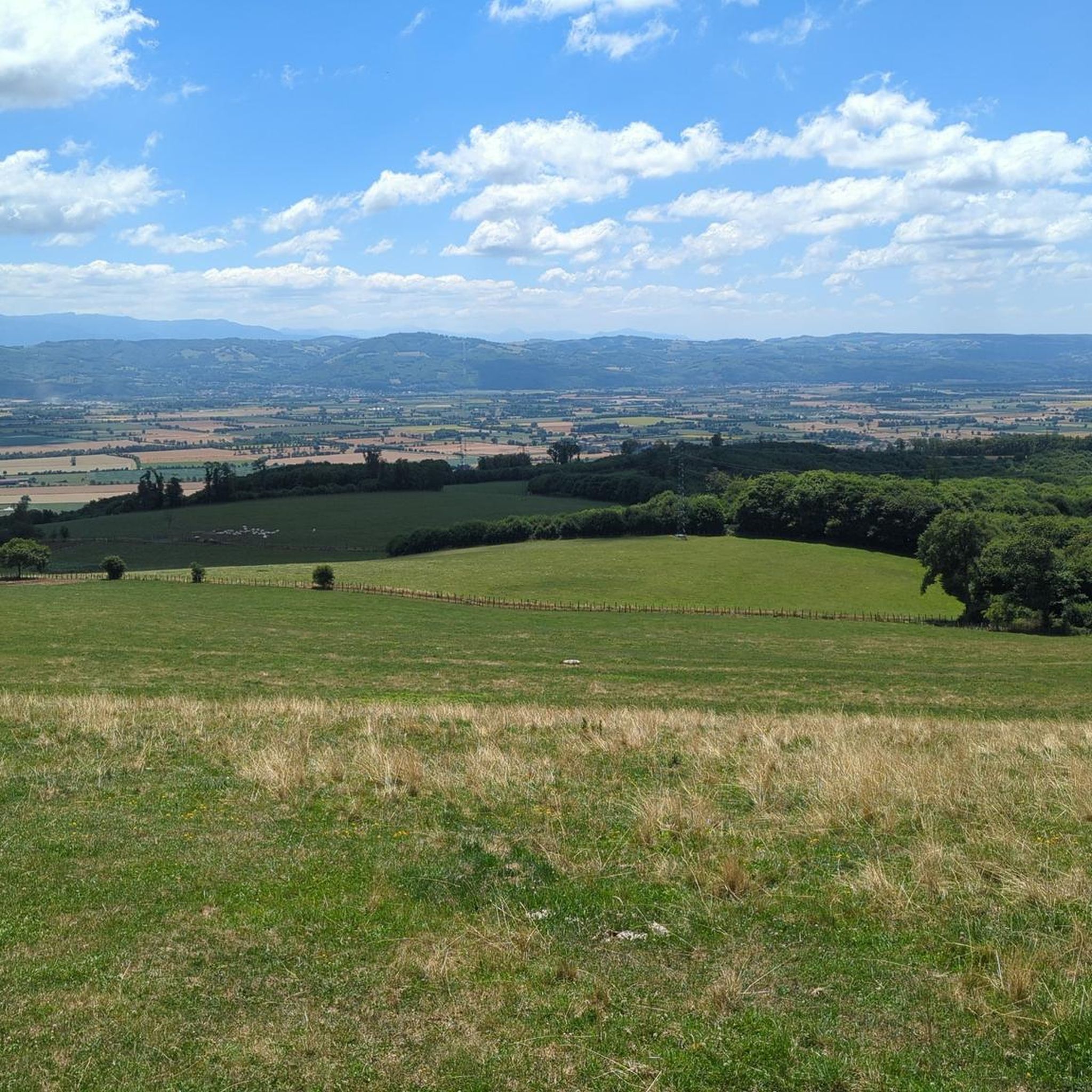
Magnificent place with views of the Chartreuse and the Vercors, several picnic tables, and a charming little chapel accessible to the public.
2
0
Discover the Notre-Dame-du-Mont Chapel and its breathtaking view of Vercors and Chartreuse, with the small chapel you can enter, numerous picnic tables, large green space... A perfect place! ---------- This chapel was built in the 13th century on the hill overlooking the Bièvre plain, an exceptional panorama of the Alps and the Chambaran plateau. With an orientation table. According to legend, the chapel was founded by a Lord of Bressieux, who, returning from a crusade, was surprised at sea by a violent storm. He made a vow if he survived to build a chapel to the Saint Virgin on the hillside, opposite his castle, which is also located just opposite the castle of Bressieux to the north of the Bièvre plain. Source: Terres de Berlioz
0
0
Frequently Asked Questions
What are some unique historical sites to explore in Le Grand-Lemps?
Le Grand-Lemps offers several historical sites. You can visit the 17th-century Seigniorial Castle, the preserved "Belfry" from a 14th-century chapel, and the 17th-century Market Halls. Additionally, the Château de Montgontier, a site with a past dating back to the Knights Templar, is also nearby.
Where can I experience nature and wildlife around Le Grand-Lemps?
For nature and wildlife, the National Nature Reserve of the Grand-Lemps Pond is a must-visit. This 53-hectare reserve is home to rare birds, reptiles, amphibians, and dragonflies, with an accessible "Jardin de Tourbières." You can also explore Îlot Nature, a bird sanctuary within the Bièvre plain, or head to Lake Paladru for its natural beauty and beaches.
Are there any family-friendly attractions in the Le Grand-Lemps area?
Yes, several attractions are suitable for families. Lake Paladru is great for family outings with its beaches and varied tours. The Notre-Dame-du-Mont Chapel offers picnic tables and scenic views, perfect for a family stop. The Château de Montgontier also welcomes families for events and has a large park.
What kind of outdoor activities can I do near Le Grand-Lemps?
The area around Le Grand-Lemps is excellent for outdoor activities. You can find various MTB trails, cycling routes, and running trails. The famous Way of St. James (Via Gabennensis) also crosses Le Grand-Lemps, offering opportunities for longer walks.
Are there any scenic viewpoints or places with great panoramas?
Absolutely. The Notre-Dame-du-Mont Chapel is renowned for its sublime panorama, offering views of the Chartreuse and Vercors mountains, especially beautiful at sunset. Many tours around Lake Paladru also feature great viewpoints.
What cultural connections does Le Grand-Lemps have, particularly with artists?
Le Grand-Lemps has notable artistic connections. The facade of the old Castro house features a fresco celebrating absinthe and personalities who stayed in the town, including Alphonse de Lamartine, Pierre Bonnard, and Alfred Jarry. The family home of the painter Pierre Bonnard, who spent his summers here and drew inspiration from the area and Lake Paladru, is also a significant cultural site.
What is the best time to visit Le Grand-Lemps for outdoor activities?
The best time to visit Le Grand-Lemps for outdoor activities generally aligns with spring, summer, and early autumn when the weather is mild and conducive for hiking, cycling, and exploring the natural reserves. Summer allows for enjoyment of Lake Paladru and its beaches.
Are there any religious buildings or churches worth visiting in the area?
Yes, the area has several notable religious buildings. The 18th-century Saint-Jean-Baptiste Church is located in Le Grand-Lemps. Nearby, you can visit the Notre-Dame-du-Mont Chapel with its panoramic views, the Église Saint-Christophe du Pin with its unique bell tower entrance, and the Saint-Pierre Church in Charavines.
Are there any easy hiking trails suitable for beginners or casual walkers?
While specific easy trails are not detailed, the National Nature Reserve of the Grand-Lemps Pond includes a "Jardin de Tourbières" with an interpretive trail that is accessible to the public, suggesting it's suitable for casual walks. The Way of St. James also offers sections that can be walked at a leisurely pace. For more options, you can explore the running trails guide, which includes moderate difficulty routes.
What do visitors enjoy the most about Le Grand-Lemps?
Visitors particularly enjoy the diverse offerings of Le Grand-Lemps, from the historical charm of its old buildings and castles like Château de Montgontier, to the serene natural beauty of the Grand-Lemps Pond Nature Reserve. The scenic views from places like Notre-Dame-du-Mont Chapel and the recreational opportunities at Lake Paladru are also highly appreciated.
Are there any places to see historical architecture in the town center?
Yes, the town center of Le Grand-Lemps features several examples of historical architecture. You can see the Town Hall, housed in the beautiful 19th-century Dutruc house, and the 17th-century Market Halls with their distinctive stone and cast iron columns. The "Belfry," a preserved bell tower from a 14th-century chapel, also stands as a unique architectural feature.
Can I find information about the local history of Le Grand-Lemps?
Yes, Le Grand-Lemps has a rich history. The Seigniorial Castle, rebuilt in the 17th century, is a key historical site. The land was part of the barony of Bressieux and later acquired by Arthur Prunier, whose family built the castle. The Château de Montgontier also has a past dating back to the Knights Templar, offering a glimpse into the region's heritage.
Most popular routes around Le Grand-Lemps
Most popular attractions around Le Grand-Lemps

Get inspired with the komoot mobile app


Explore more
Still not found the Highlight you’re looking for? See guides of the top attractions in other regions:
