Attractions and Places To See around La Ferté-Saint-Samson - Top 20
Best attractions and places to see around La Ferté-Saint-Samson include a variety of historical sites and natural features. This commune in Seine-Maritime is situated within the Boutonnière du Pays de Bray, a distinct geological region known for its varied landscape. Visitors can explore historical landmarks and enjoy panoramic views, with the area also serving as a starting point for hiking trails. The region is drained by waterways such as the Andelle river and features the Fayel pond.
Best attractions and…
Last updated: May 11, 2026
Andelle Ponds
Highlight • Lake
Translated by Google •
Tip by

Domaine de Forges and Historic Thermal Quarter
Highlight • Historical Site
Sign up now to discover places like this
Get recommendations on the best single tracks, peaks, & plenty of other exciting outdoor places.
Sign up for free
Railroads from Dieppe to Forges Les Eaux
Highlight (Segment) • Cycleway
Translated by Google •
Tip by

Forges-les-Eaux
Highlight • Settlement
Tip by

Avenue Verte
Highlight (Segment) • Cycleway
Translated by Google •
Tip by

Sign up for free to discover even more attractions around La Ferté-Saint-Samson.
Sign up for free
Already have an account?
Start today with a free account
Your next adventure awaits.
Login or Signup


Tips from the Community

This natural area located in Forges-les-Eaux is organized around the ponds of the Andelle, formed by two rivers: the Andelle to the east and the Chevrette to the west. All around extends the Bois de l’Épinay, remarkable for the great diversity of tree species it shelters. You can walk there, observe the birds, picnic and take a quiet break enjoying the rustling of the many leaves.
1
0

This part of the city was developed from the 16th century with the discovery of ferruginous springs in the current Casino park. It was in 1573 that Nicolas de Moy, Grand Master of Water and Forestry, discovered the presence of ferruginous springs. They were made famous from 1633 with the arrival of King Louis XIII, Queen Anne of Austria and Cardinal Richelieu. The spa was thus born! The springs named Reinette, Royale and Cardinal were thus exploited for their property and their medicinal virtues until the 1980s. @OT Forges les Eaux
0
0
These artificial lakes were built in the late 1980s on a peat marsh. They are spread over two levels and separated by an earth dike, valves allow the water level to be controlled. They are fed by the Andelle river which has its source upstream. The wild ponds (to the North) were deliberately left in their natural state to allow birds to nest, while The Bird Mirror (to the South) was the subject of landscaping and ornamental development with consolidation of the banks. . @OT Forges les Eaux
0
0

Away from cars, but a bit monotonous...
1
0

This track, up to Forges-les-Eaux, pleasantly monotonous, has a perfect surface.
2
0

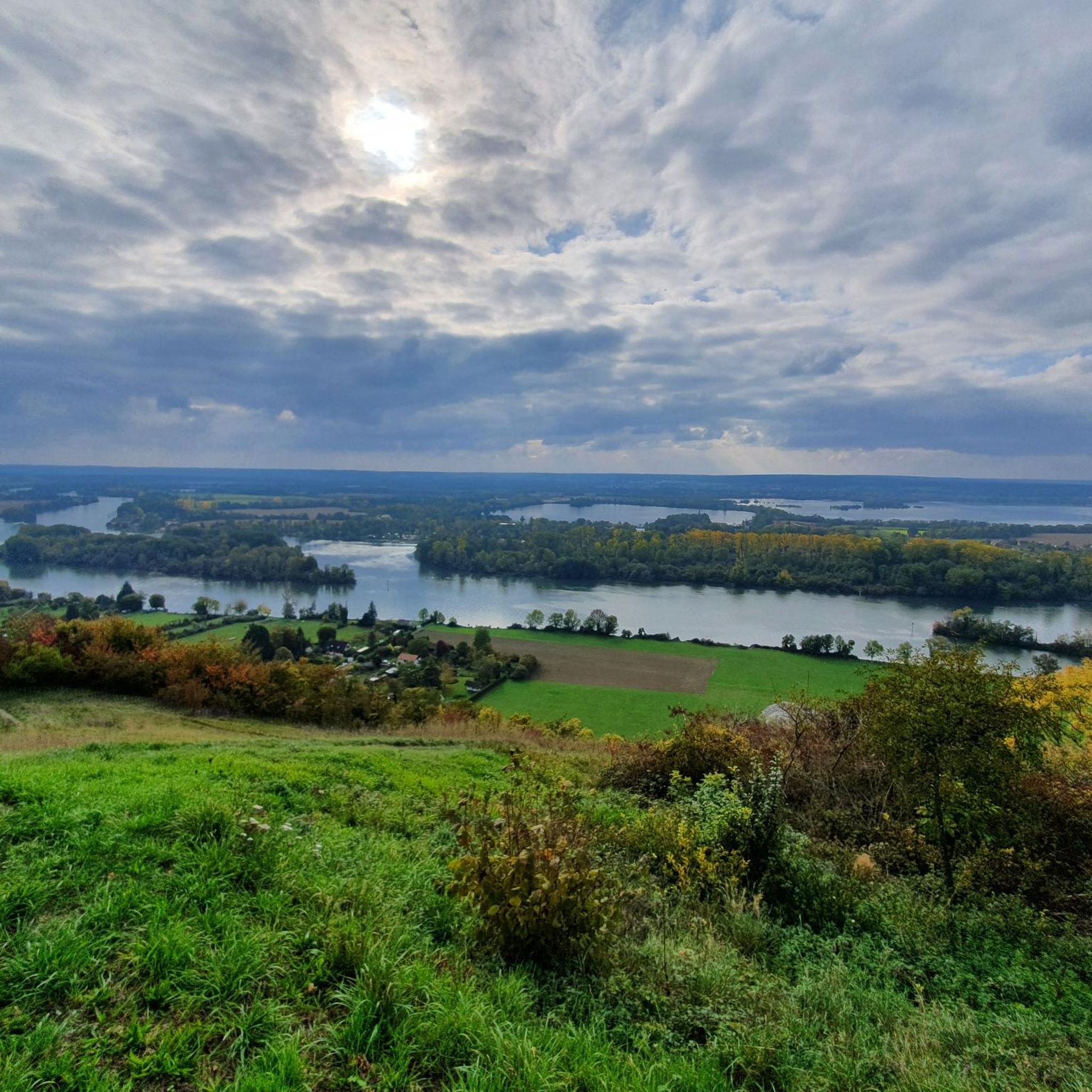
I recovered the green avenue from Forges-Les -Eaux to Dieppe and it is magnificent. The green avenue passes through the fields and passes over the old railway line. The old stations still present serve as homes or points of interest for a gourmet break.
2
0


Camping in Forges-les-Eaux, good quality and on the cheap side. Else, the route was scenic enough
2
2
Frequently Asked Questions
What historical sites can I explore in La Ferté-Saint-Samson?
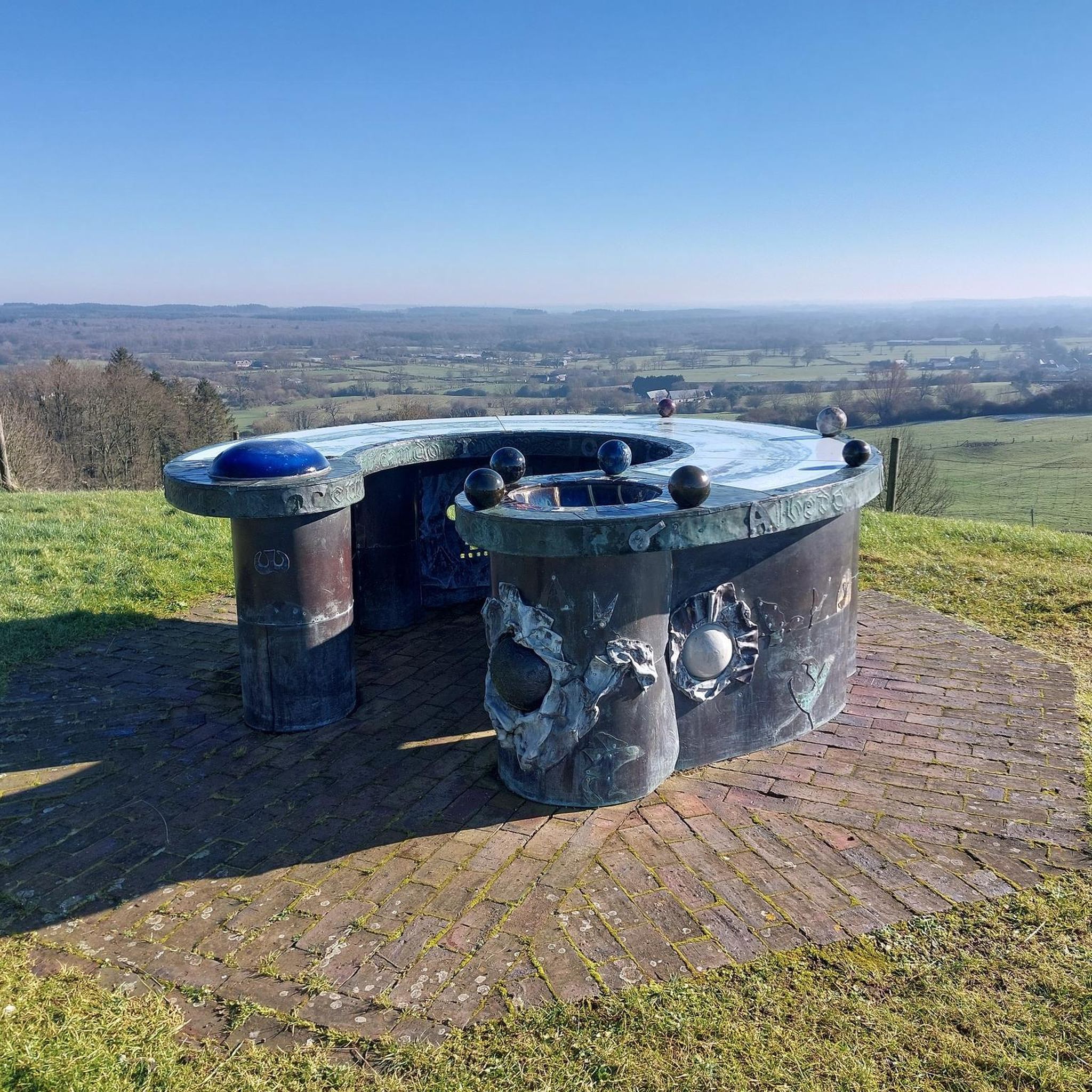
La Ferté-Saint-Samson offers a rich historical tapestry. You can visit the Motte Castrale, a feudal mound offering panoramic views and insights into Normandy's past. The Millennium Church (Église Saint Pierre et Saint Paul de La Ferté), founded around 990 AD, features an original apse and a unique carved wolf's head. Other notable historical buildings include the House known as Henri IV, the 17th-century Tabellion's House, and the former Salt Granary.
Are there any natural attractions or scenic viewpoints in the area?
Yes, the region is known for its natural beauty. From the Motte Castrale, you can enjoy stunning 360-degree panoramic views of the varied landscape of the Boutonnière du Pays de Bray. The commune is also drained by waterways like the Andelle river and the Mésangueville stream, and features the 2.8-hectare Fayel pond, offering picturesque natural settings.
What cycling opportunities are available near La Ferté-Saint-Samson?
The area is excellent for cycling, particularly along former railway lines converted into greenways. You can explore the Railroads from Dieppe to Forges Les Eaux, a long and shallow cycle path. Another popular option is the Avenue Verte, which passes through fields and old railway stations. A specific section, Avenue Verte London–Paris: Forges-les-Eaux to Neufchâtel-en-Bray, provides a secure path with regular resting points. For more cycling routes, check out the Cycling around La Ferté-Saint-Samson guide.
Are there family-friendly activities or attractions?
Many attractions in the region are suitable for families. The cycle ways like the Railroads from Dieppe to Forges Les Eaux and the Avenue Verte are great for family outings. Additionally, the Domaine de Forges and Historic Thermal Quarter in Forges-les-Eaux offers historical exploration that can be engaging for all ages.
Where can I find hiking trails around La Ferté-Saint-Samson?
La Ferté-Saint-Samson serves as a starting point for hiking loop number 9, which begins from the Town Hall Square and allows you to explore the surrounding nature. For more options, you can find various routes in the Hiking around La Ferté-Saint-Samson guide, including easy loops like the Etang de la Chevrette – Andelle Ponds loop from Forges-les-Eaux.
What is Forges-les-Eaux known for?
Forges-les-Eaux is a charming French commune known for its agricultural heritage and historic spas. It has a rich past, including Roman-era iron manufacturing and battles during the Hundred Years War. In the 17th century, it became famous for its ferruginous springs, attracting royalty like King Louis XIII, Queen Anne of Austria, and Cardinal Richelieu to its thermal baths.
What kind of landscape can I expect in the Boutonnière du Pays de Bray?
The Boutonnière du Pays de Bray is a distinct geological region characterized by its varied and picturesque scenery. You can expect a diverse landscape with rolling hills, lush fields, and waterways, offering beautiful views, especially from elevated points like the Motte Castrale.
Are there any running trails in the vicinity?
Yes, there are several running trails available. You can find various routes, including a moderate running loop from Forges-les-Eaux and longer loops around the Andelle Ponds. For a comprehensive list of options, refer to the Running Trails around La Ferté-Saint-Samson guide.
What is the significance of the Millennium Church?
The Millennium Church (Église Saint Pierre et Saint Paul de La Ferté), founded around 990 AD, is one of the oldest churches in the diocese. While much of its current structure dates from the 16th century, its apse is original. It features a central bell tower with a 1000 kg bell and a porch with a carved wolf's head, commemorating the last wolf hunts in the 19th century.
What do visitors enjoy most about the cycle paths in the area?
Visitors particularly appreciate the smooth surfaces and the car-free environment of the cycle paths. The Railroads from Dieppe to Forges Les Eaux is noted for its long, shallow gradient, making it easy to cycle. The Avenue Verte is praised for its scenic route through fields and past old railway stations, with regular resting points available on sections like the one from Forges-les-Eaux to Neufchâtel-en-Bray.
Can I learn more about the history of the thermal springs in Forges-les-Eaux?
The Domaine de Forges and Historic Thermal Quarter in Forges-les-Eaux is where the history of the thermal springs began. Discovered in the 16th century, these ferruginous springs gained fame in 1633 with visits from King Louis XIII, Queen Anne of Austria, and Cardinal Richelieu. The springs, named Reinette, Royale, and Cardinal, were utilized for their medicinal properties until the 1980s.
Most popular routes around La Ferté-Saint-Samson

Get inspired with the komoot mobile app


Explore more
Still not found the Highlight you’re looking for? See guides of the top attractions in other regions:
