The best road cycling routes around Robecq
4.3
(225)
8,988
riders
467
rides
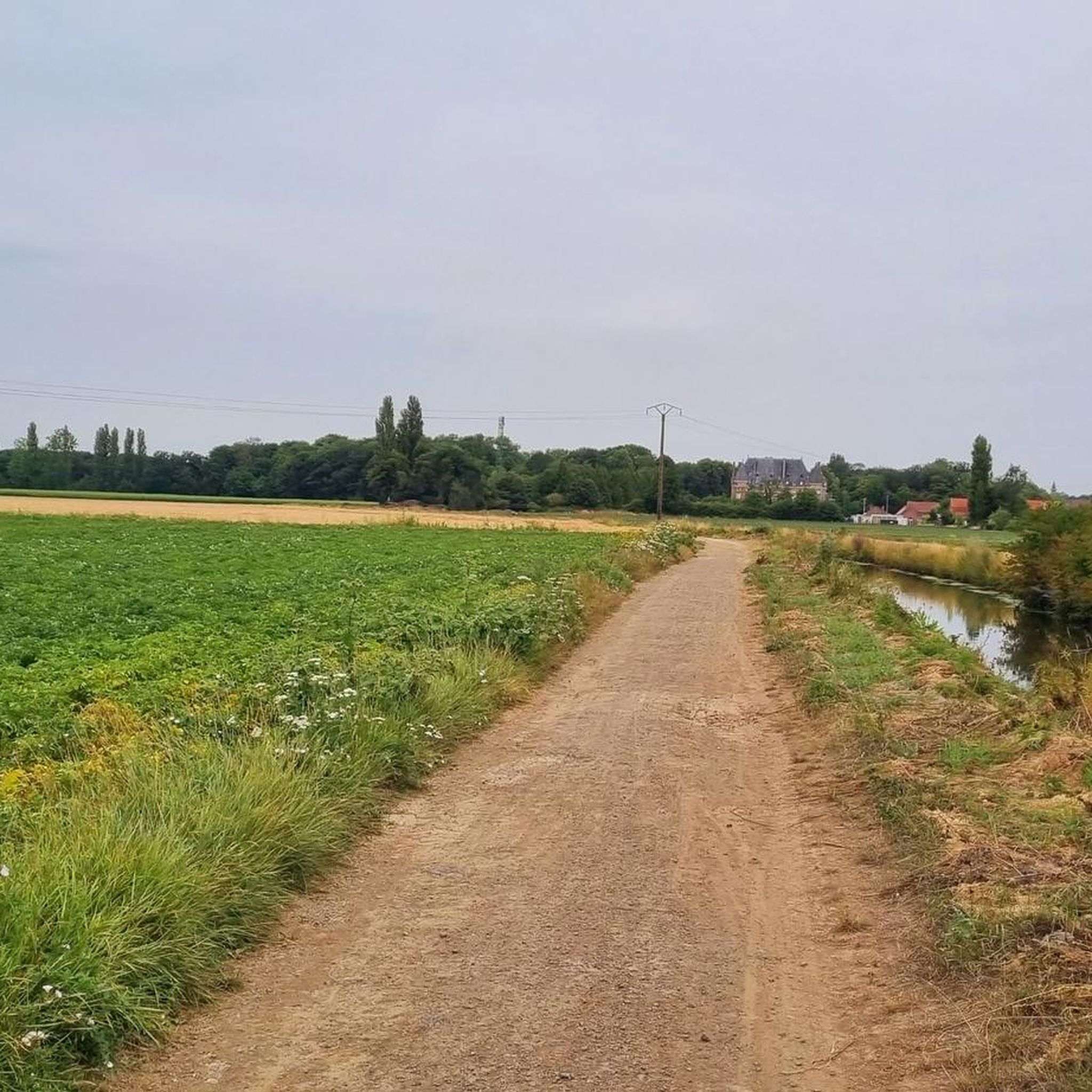
Road cycling routes around Robecq, located in the Pas-de-Calais department of France, traverse a landscape characterized by flat to gently rolling terrain. The region features numerous waterways, including the Clarence, Nave, and Grand Nocq rivers, as well as the Biette ponds, contributing to a green and fresh environment. Cyclists can expect a network of roads connecting municipalities, with some routes offering views of natural areas and local heritage. The area provides a mix of open countryside and routes alongside canals.
…Last updated: November 15, 2026
113
riders
70.5km
03:05
530m
530m
Moderate road ride. Good fitness required. Some segments of this route may be unpaved and difficult to ride.
4.0
(2)
62
riders
163km
07:02
1,020m
1,020m
Hard road ride. Very good fitness required. Some segments of this route may be unpaved and difficult to ride.

53
riders
97.6km
04:19
640m
640m
Moderate road ride. Good fitness required. Some segments of this route may be unpaved and difficult to ride.
4.0
(1)
35
riders
63.5km
02:49
360m
360m
Moderate road ride. Good fitness required. Some segments of this route may be unpaved and difficult to ride.
35
riders
96.2km
03:50
320m
320m
Moderate road ride. Good fitness required. Mostly well-paved surfaces and easy to ride.
Get access to more routes and recommendations from other explorers.
Already have an account?
Our route recommendations are based on thousands of hikes, rides, and runs completed by other people on komoot.
Start today with a free account
Your next adventure awaits.

Tips from the Community

The source of the Leie (French: la source de la Lys) is located in the small French village of Lisbourg, situated in the Pas-de-Calais department in the Hauts-de-France region. The river originates here at an altitude of approximately 115 meters and flows via Aire-sur-la-Lys towards Belgium, eventually flowing into the Scheldt in Ghent after approximately 202 kilometers.
0
0


A very well-known place for pilgrims and a good tavern which recently reopened: LA TABLE DE ST BENOIT.
0
0

The Palais Rameau was built in 1878 thanks to the bequest of Charles Rameau, President of the Lille Horticultural Society. It was originally intended for flower and fruit exhibitions, as well as for music and the arts. The project was entrusted to Lille architects Auguste Mourcou and Henri Contamine. Its architecture, based on the principle of a horticultural greenhouse, blends regional and oriental influences. Over time, it had lost its original purpose, serving notably as an examination center from 1930 to 1960. The Palais Rameau underwent a major renovation to see the birth of an innovative project, combining science, education, and experimentation, focused on urban agriculture. This project is the result of a partnership between the City of Lille, which owns the building, and Junia, the engineering school, which wanted to develop a demonstration project for the "Agriculture and Food of Tomorrow" there. The goal is to offer students, as well as professors and researchers, and residents an ecosystem conducive to discovering and reinventing the agriculture and food of tomorrow. The ambition of this space is to make it the first European demonstration site for urban agriculture and food. Ultimately, 3,600m² of space dedicated to the agriculture of tomorrow will be open, as well as 5,500m² of outdoor spaces.
0
0
The Church of the Sacred Heart is a church located at the intersection of Rue Nationale and Rue Solférino, in the Lille-Centre district of Lille. Built during the last decades of the 19th century, it contains a set of eleven stained-glass windows, listed as a historic monument since 1983. The building was constructed following a vow made by the Ladies of the Association of the Children of Mary of the Sacred Heart (in the Chapel of the Ladies of the Sacred Heart, Rue Royale) on October 7, 1870, to protect Lille from Prussian invasion. About ten years later, when the parish church was already open for worship, a second vow was made by the town's ladies concerning the construction of a chapel dedicated to the Sacred Heart (the Vow Chapel, an apsidal chapel located behind the choir) and intended to become a special place of contemplation within the church itself. The church was built by the architect Jules Batigny between 1875 and 1878 and again between 1895 and 1898. The apsidal chapels were added during the second half of the 1880s. When the church was consecrated on June 20, 1902, the bell tower was not yet completed. On this occasion, Marie-Alphonse Sonnois, Archbishop of Cambrai (at that time, Lille did not yet have its own diocese and was therefore incorporated into that of Cambrai), consecrated the city of Lille to the Sacred Heart of Jesus. On June 12, 1910, a major congress of the Guard of Honor of the Sacred Heart was held, presided over by Monsignor François-Marie-Joseph Delamaire (coadjutor bishop). The 75-meter-high bell tower was not completed until 1928 by the architect Charles Sarazin. Built of reinforced concrete, it was unable to withstand the elements and had to be completely restored from 2005 to 2008. The bell tower houses a carillon of several bells that has been silent for several years... Only seven stained-glass windows have been restored. The building is still awaiting the restoration of the other five, which are in poor condition. In April 2018, the church was closed to worship by municipal decree for six months. The reason was the presence of dry rot.
1
0

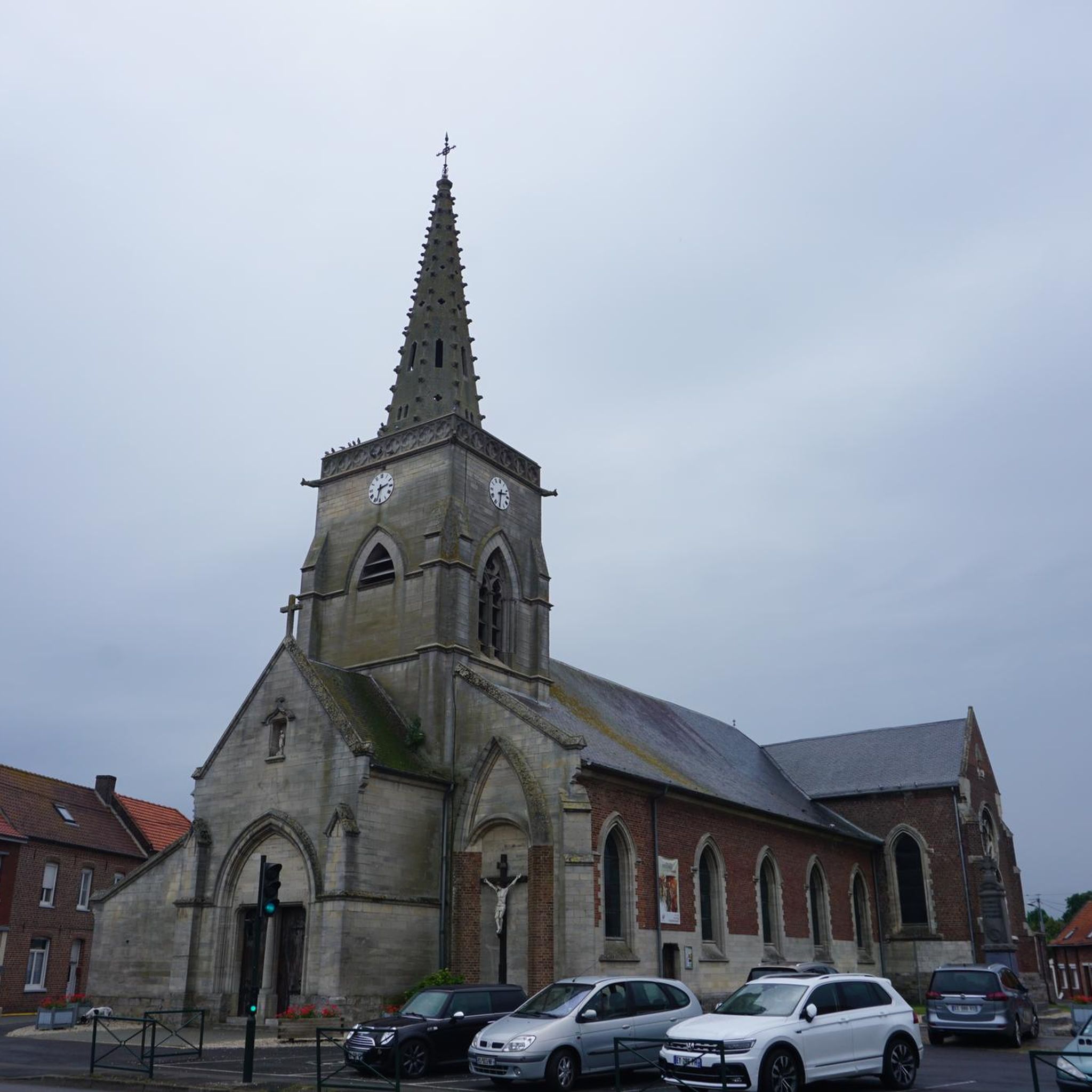
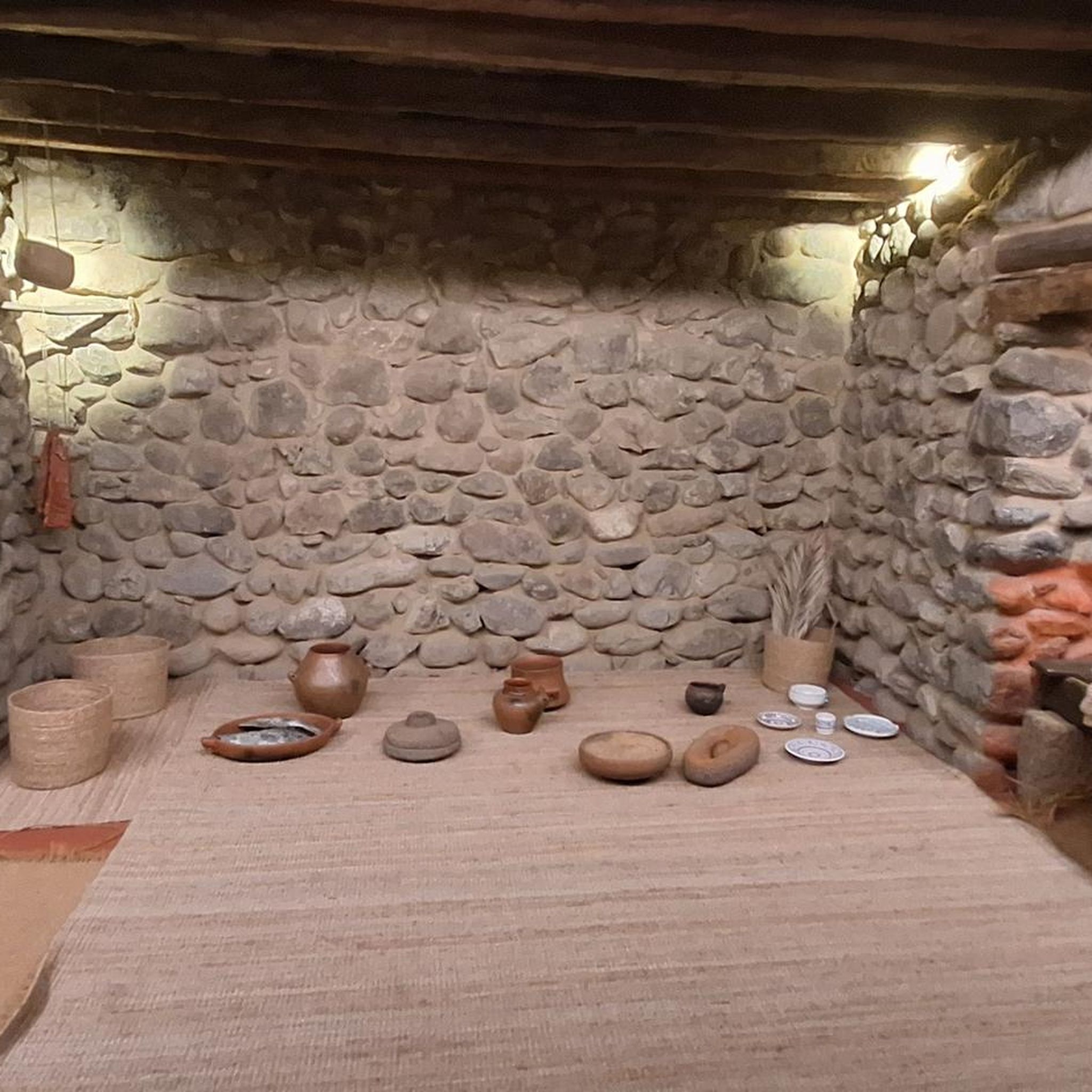
The patron saint of the marginalized, Saint Benedict Joseph Labre, was born in 1748 in the picturesque village of Amettes. He is better known as "God's Traveler." A French mendicant pilgrim, he traveled the roads of Europe, from sanctuary to sanctuary until his final stop: Rome. He was canonized in 1881. The birthplace of Saint Benedict Joseph, a small chalet, has become an important pilgrimage site in Artois, dedicated to his memory and housing his belongings.
0
0
Frequently Asked Questions
How many road cycling routes are available around Robecq?
There are over 480 road cycling routes available around Robecq, catering to various skill levels. You'll find a good mix of easy, moderate, and challenging options to explore the region.
What kind of terrain can I expect on road cycling routes near Robecq?
The road cycling routes around Robecq are characterized by flat to gently rolling terrain, typical of the Pas-de-Calais department. You'll encounter quiet country roads, often passing alongside numerous waterways like the Clarence, Nave, and Grand Nocq rivers, as well as the Biette ponds, offering a green and fresh environment.
Are there road cycling routes suitable for beginners in Robecq?
Yes, Robecq offers a selection of routes suitable for beginners. With 84 routes classified as easy, you can enjoy a relaxed ride through the region's scenic landscapes without significant elevation challenges.
What interesting sights or landmarks can I see while road cycling near Robecq?
While cycling, you can discover several points of interest. The historic Ferme de la Biette, dating back to 1768, is a notable landmark. You might also pass by the impressive The Thiennes Bridge, or the Saint-Venant Town Hall. For panoramic views, the Terril Number 5 of Lapugnoy, a former coal mine slag heap, offers a unique perspective of the countryside.
Are there any unique natural features to discover on road cycling routes?
Absolutely. The region is rich in natural beauty, particularly its wetland areas. Cyclists can enjoy routes alongside rivers like the Clarence, Nave, and Grand Nocq, and the Biette ponds, which contribute to a 'bath of greenery and freshness'. You may also spot magnificent pollarded willows lining the Busnes and the Aire Canal, with swifts and swallows overhead in summer.
What do other road cyclists say about the routes in Robecq?
The road cycling routes in Robecq are highly regarded by the komoot community, holding an average rating of 4.4 stars from over 160 reviews. Cyclists often praise the varied terrain, the scenic waterways, and the quiet country roads that make for an enjoyable ride.
Are there any circular road cycling routes around Robecq?
Many routes in the area are designed as loops, allowing you to start and finish in the same location. For example, the Waterfall of Nave river in Bourecq – Clocher de Verchin loop from Ham-en-Artois offers a moderate 108 km ride through diverse landscapes.
Can I find cafes or places to stop for refreshments along the road cycling routes?
While specific cafes on every route aren't listed, the network of roads connects various municipalities. This means you'll often find opportunities to stop for refreshments in towns and villages along your chosen route, especially in larger centers like Béthune or Saint-Venant.
What is the best time of year for road cycling in Robecq?
The region's climate generally makes spring through early autumn ideal for road cycling. During these months, the weather is typically milder, and the natural landscapes, especially the waterways and greenery, are at their most vibrant, enhancing the cycling experience.
Are the road cycling routes around Robecq suitable for families?
Given the prevalence of flat to gently rolling terrain and the availability of easy routes, many road cycling paths around Robecq can be suitable for families. It's advisable to check the specific route details for distance and any minor elevation changes to ensure it matches your family's comfort level.
Are there any longer road cycling routes for experienced cyclists?
Yes, for experienced cyclists looking for longer distances, routes like the Clocher de Verchin – Source of the River Lys loop from Chocques cover nearly 98 km, offering a substantial ride through open countryside and near the source of the River Lys.
What is the longest road cycling route available near Robecq?
One of the longer routes you can explore is the Waterfall of Nave river in Bourecq – Clocher de Verchin loop from Ham-en-Artois, which spans approximately 108.5 km, providing a comprehensive tour of the regional landscape.
Most popular attractions around Robecq

Get inspired with the komoot mobile app


Explore more
Browse the best Road cycling routes in other regions.
