Attractions and Places To See around Neaufles-Saint-Martin - Top 19
Attractions and places to see around Neaufles-Saint-Martin include a variety of historical and cultural sites nestled near the Epte river valley and the Forest of Gisors. This region, historically a borderland between France and Normandy, features numerous medieval castles and ancient churches. Visitors can explore significant landmarks and enjoy the surrounding natural landscape, which offers opportunities for outdoor activities. The area provides a blend of historical exploration and scenic views.
Best attractions and places to see around Neaufles-Saint-Martin
- The most…
Last updated: July 20, 2026
Gisors Castle
Highlight • Castle
Translated by Google •
Tip by

Saint-Gervais–Saint-Protais Church
Highlight • Religious Site
Translated by Google •
Tip by

Sign up now to discover places like this
Get recommendations on the best single tracks, peaks, & plenty of other exciting outdoor places.
Sign up for free
Castle of Château-sur-Epte
Highlight • Castle
Translated by Google •
Tip by

Dolmen des Trois-Pierres
Highlight • Historical Site
Translated by Google •
Tip by
Epte Valley
Highlight • Other
Translated by Google •
Tip by

Sign up for free to discover even more attractions around Neaufles-Saint-Martin.
Sign up for free
Already have an account?
Start today with a free account
Your next adventure awaits.
Login or Signup



Tips from the Community


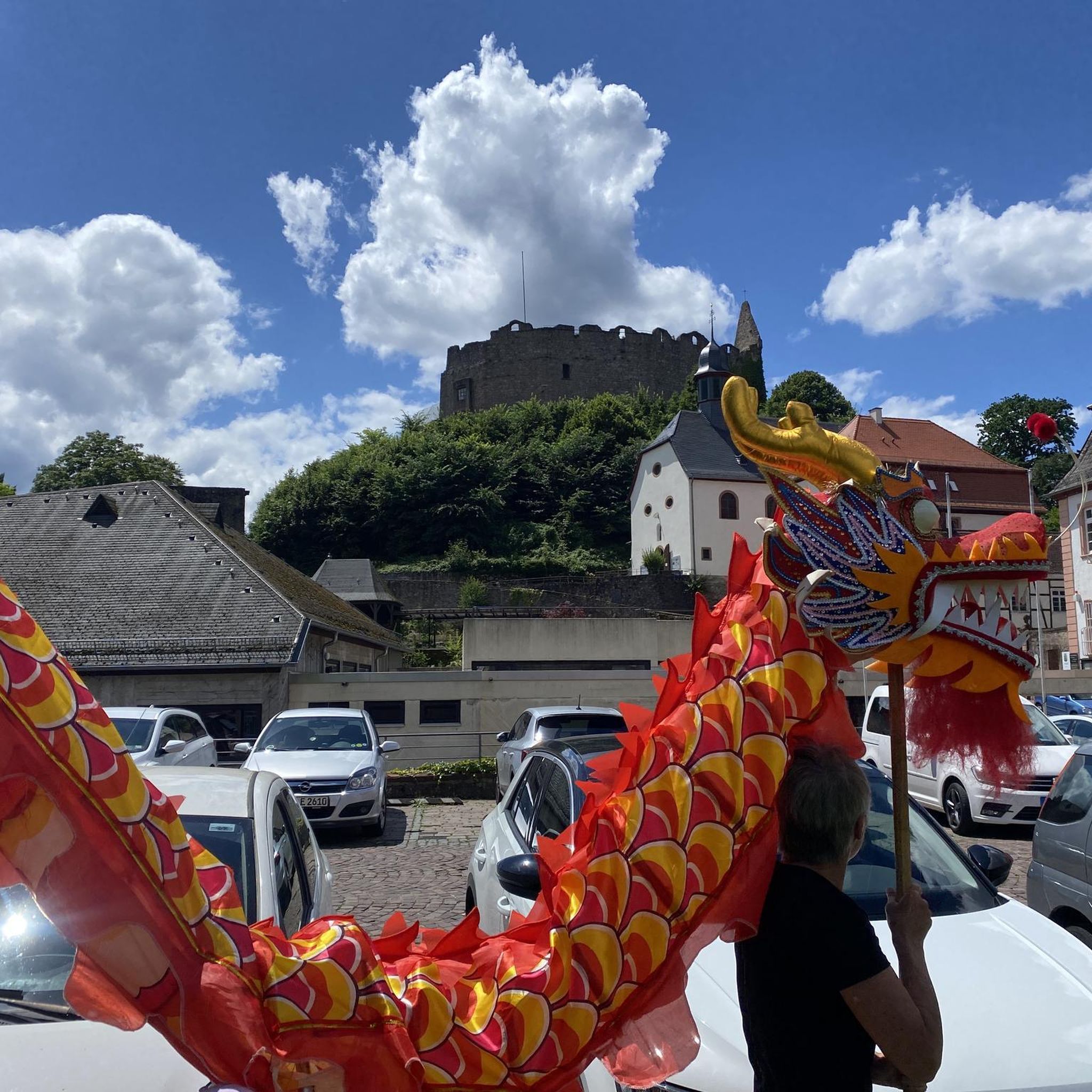
A military fortress with a defensive purpose, built in 1097, during the reign of William the Conqueror's second son, Gisors Castle marks a major page in the medieval history of Normandy. This fortification was intended to protect the Norman possessions of the King of England against the ambitions of the King of France. A true border place and eastern lock of Normandy, it was part of a vast campaign of fortifications in the Epte Valley, the natural boundary between the two kingdoms.
0
0
We know of Saints Gervais and Protais that they were Christian martyrs in the 2nd century in Milan. At the time, the Roman Empire forced all its subjects to worship the emperor, which was unacceptable to Christians. If they refused, they were crucified or sent to the arena to be devoured by lions between gladiatorial fights. Thus, Saint Ambrose, bishop of Milan, found them, in 386, buried side by side. This great bishop affirmed that they had been martyrs by fidelity to their baptism. He even added "They are of a prodigious size, such as one was in ancient times." Their cult reached Gaul where a large number of churches were dedicated to them.
1
0

The parish church of Saint-Gervais Saint-Protais was consecrated in 1119 by Pope Calixtus 11. This Romanesque church saw its nave ravaged by fire in 1123. It was rebuilt in 1160. Thanks to funding from Queen Blanche of Castile, the people of Gisors built a Gothic choir, consecrated in 1249. It was built according to the Chartres model, common at the time in Ile-de-France, with a three-level elevation: large arcades, triforium and high windows pierced with oculi. Thanks to funding from charitable brotherhoods and trade corporations, the church underwent multiple transformations from the end of the 15th century with the addition of radiating chapels and an ambulatory at choir level. Entrusted to the Grappins, a family of architects from Vexin, the work continued in the 15th century with the reconstruction of the nave and the chapels of the side aisles in flamboyant Gothic style, then of the façade decorated with Renaissance motifs.
0
0

Châteauneuf-sur-Epte is an ancient castle on motte which was founded in 1097 by the Duke of Normandy and whose remains stand in the French commune of Château-sur-Epte in the Eure department, in the Normandy region. It was one of the ducal castles controlling Epte, the border with the Kingdom of France. Under Henry II of England, the castle was considerably fortified.
0
0

The Trois Pierres dolmen is an ancient megalithic monument dating from the late Neolithic period (3400-2000 BC). It served as a collective burial ground for the inhabitants of the Seine-Oise-Marne culture. It consists of a short vestibule and a narrow room, separated by a vertical slab pierced by a circular hole, called the "soul hole," through which the bodies passed. The dolmen is surrounded by a peaceful and bucolic landscape, where you can also admire the menhir of the Bois de la Garenne, another prehistoric stone, located about 200 meters away.
2
0

Old fortified castle, built between the end of the 11th and the 12th century, today in ruins.
0
0
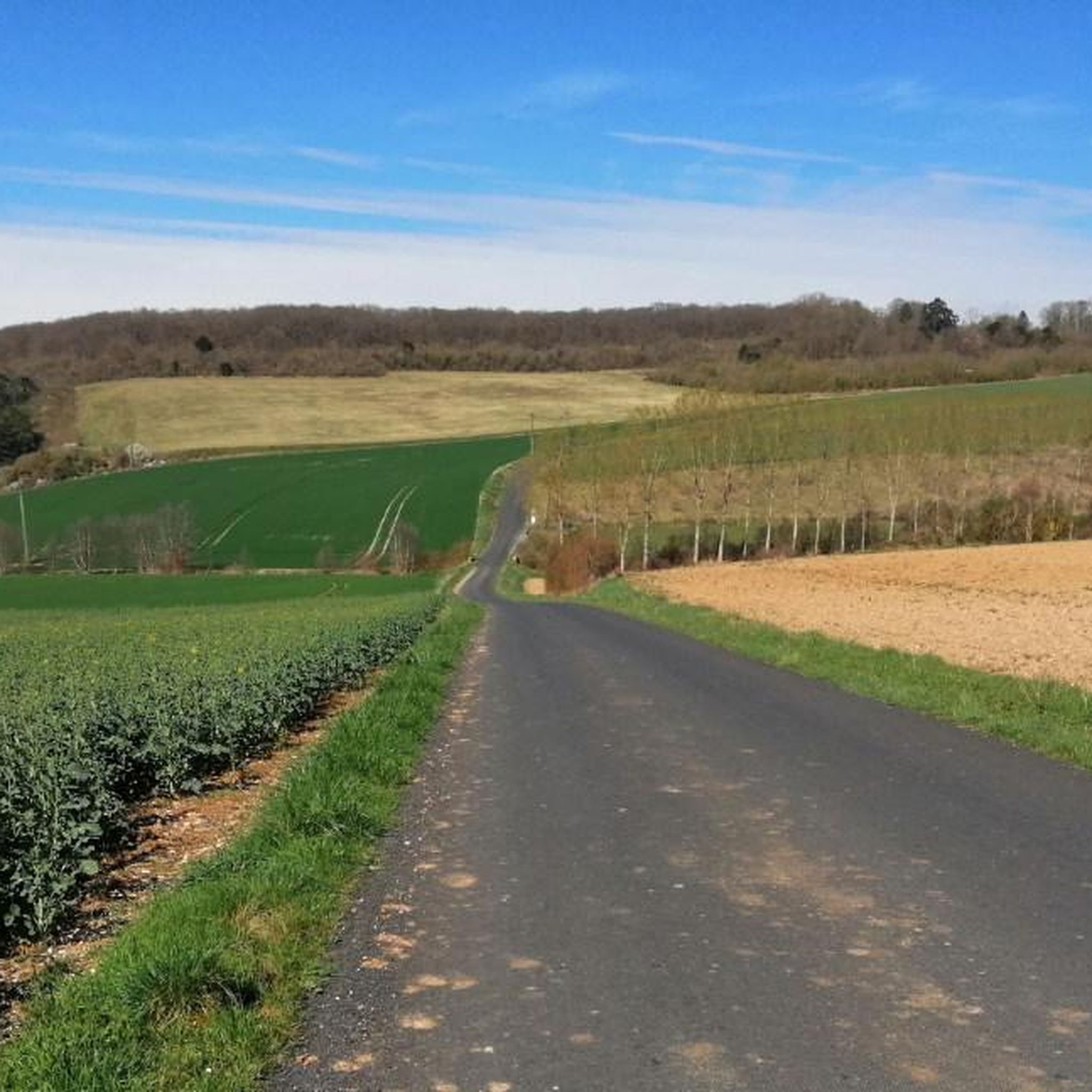
Current natural border between Île-de-France and Normandy, Epte is also a historical border. Indeed, in the Middle Ages, it was the boundary between the Kingdom of France and the Duchy of Normandy. This is why it had a large number of fortifications. Here, precisely in Saint-Clair-sur-Epte, the treaty was signed in 911 between Charles III the Simple and Rollo, Viking leader, aimed at establishing the Normans in Neustria in order to protect the kingdom of Charles III from their incursions by sea This treaty gave birth to the Duchy of Normandy.
0
0
Frequently Asked Questions
What historical sites can I explore around Neaufles-Saint-Martin?
The region is rich in history. You can visit the medieval ruins of Castle of Château-sur-Epte, which played a crucial role in defending Norman lands. Don't miss the ancient Dolmen des Trois-Pierres, a megalithic monument dating back to the late Neolithic period, or the impressive Gisors Castle, a key fortress for the Dukes of Normandy.
Are there any notable churches or religious buildings to visit?
Yes, Neaufles-Saint-Martin and its surroundings are home to several historic churches. The Saint-Gervais–Saint-Protais Church in Gisors is particularly noteworthy, showcasing a blend of Gothic, Romanesque, and Renaissance architectural styles with historical artifacts inside. Other significant churches in the area include the 12th-century Romanesque Église Saint-Étienne and the 19th-century Église Notre-Dame-de-l'Assomption, which offers panoramic views.
What natural features or scenic areas are there to enjoy?
The area is characterized by the picturesque Epte Valley, which historically served as a border between France and Normandy. You can also explore the park surrounding the Château de la Forêt, offering lush greenery and walking paths. The elevated position of Église Notre-Dame-de-l'Assomption provides breathtaking views of the surrounding landscape, including the Forest of Gisors.
What outdoor activities can I do near these attractions?
The region offers excellent opportunities for outdoor activities. You can find numerous routes for cycling, gravel biking, and running. For example, explore the 'Epte Valley – Le Moulin de Fourges loop' for cycling or the 'Epte Valley loop' for running. You can find more details and routes in the dedicated guides for Cycling around Neaufles-Saint-Martin, Gravel biking around Neaufles-Saint-Martin, and Running Trails around Neaufles-Saint-Martin.
Are there family-friendly attractions in Neaufles-Saint-Martin?
Yes, several attractions are suitable for families. Gisors Castle and Saint-Gervais–Saint-Protais Church are both categorized as family-friendly, offering historical exploration that can engage visitors of all ages. The parks and walking paths around historical sites also provide pleasant family outings.
What are some lesser-known historical gems in the area?
Beyond the main castles, consider visiting the Mairie (Town Hall) built in 1854, recognized for its Neo-Gothic architecture. The Maison des Trois Frères showcases the town's architectural heritage, while the Maison de la Liberté functions as a museum offering insights into the French Revolution. For a deeper dive into local history, La Maison de l'Histoire provides a comprehensive overview from ancient times to the present.
Can I find museums or cultural centers in Neaufles-Saint-Martin?
Absolutely. The Maison de la Liberté serves as a museum dedicated to the French Revolution. You can also visit the Musée de la Forêt (Forest Museum), housed in a restored 19th-century house, which highlights the town's natural history and cultural heritage. The Maison du Château, adjacent to the castle grounds, offers artifacts and interactive displays about the town's history.
Are there any specific walking or hiking trails recommended?
Yes, the region offers various walking and hiking opportunities. You can find easy walks like the 'Path Blocked by Fallen Trees – Epte Valley loop' or more challenging routes such as the 'Château de Boury loop from Neaufles-Saint-Martin'. For a comprehensive list of trails, refer to the Running Trails around Neaufles-Saint-Martin guide, which includes routes suitable for walking.
What do visitors enjoy most about the attractions around Neaufles-Saint-Martin?
Visitors particularly appreciate the rich historical significance and architectural beauty of the sites. Many enjoy exploring the well-preserved medieval structures like Gisors Castle and the unique blend of styles in Saint-Gervais–Saint-Protais Church. The peaceful and bucolic landscapes surrounding ancient monuments like the Dolmen des Trois-Pierres are also highly valued.
Is there a significant war memorial or cemetery in the area?
Yes, the Cimetière Militaire Allemand de La Forêt serves as a significant reminder of the town's involvement in World War II. It houses the remains of German soldiers and acts as a place of remembrance, offering a poignant historical site for reflection.
What is the best time to visit Neaufles-Saint-Martin for sightseeing?
The region can be enjoyed throughout the year, but spring and autumn offer pleasant weather for exploring historical sites and engaging in outdoor activities like hiking and cycling. Summer provides longer daylight hours for extensive exploration, while winter walks can offer a unique, serene perspective on the historical landscapes.
Are there any cafes or places to relax near the attractions?
Yes, you can find charming spots to relax. The Café de la Place du Marché, located in the heart of the market square, provides a cozy atmosphere to enjoy coffee and observe town life. Additionally, the Café du Pont de la Forêt, situated near the castle bridge, offers a picturesque setting to unwind and enjoy local specialties.
Most popular routes around Neaufles-Saint-Martin
Most popular attractions around Neaufles-Saint-Martin

Get inspired with the komoot mobile app


Explore more
Still not found the Highlight you’re looking for? See guides of the top attractions in other regions:
