Attractions and Places To See around Saint-Quentin-Sur-Indrois - Top 20
Best attractions and places to see around Saint-Quentin-Sur-Indrois. This small commune in the Indre-et-Loire department of France is situated amidst the tranquil, rural landscapes of the Loire Valley. The area is characterized by the scenic Indrois river and serves as a base for exploring the region's historical and natural heritage. It offers access to numerous châteaux and historic towns within a short distance.
Best attractions and places to see around Saint-Quentin-Sur-Indrois
- The most popular attractions is View of Chenonceau Castle…
Last updated: May 9, 2026
Château de Chenonceau
Highlight • Castle
Translated by Google •
Tip by

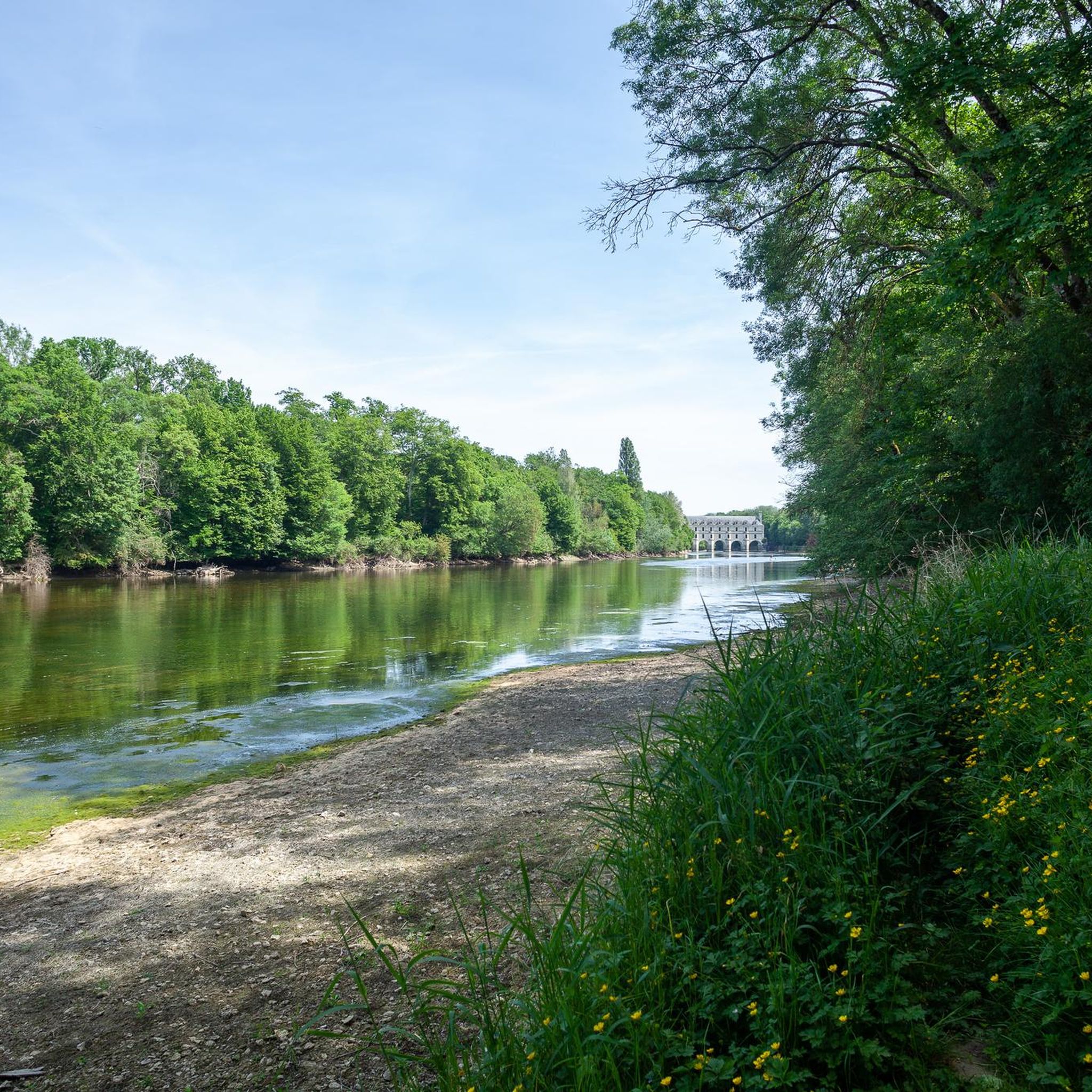
View of Chenonceau Castle from the cycle path
Highlight • Castle
Translated by Google •
Tip by

Sign up now to discover places like this
Get recommendations on the best single tracks, peaks, & plenty of other exciting outdoor places.
Sign up for free
Chenonceau Castle
Highlight • Castle
Translated by Google •
Tip by

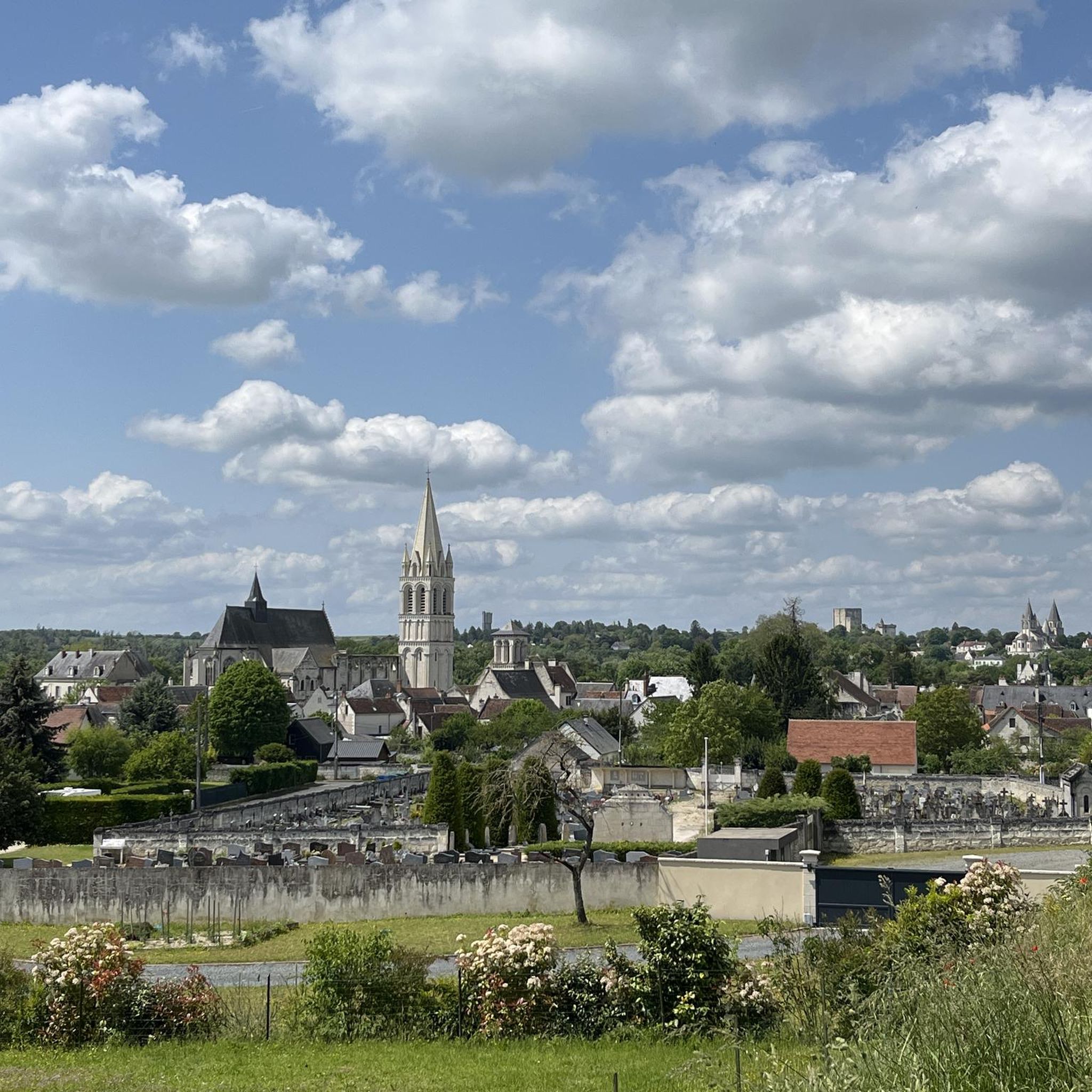
Loches Keep
Highlight • Other
Translated by Google •
Tip by
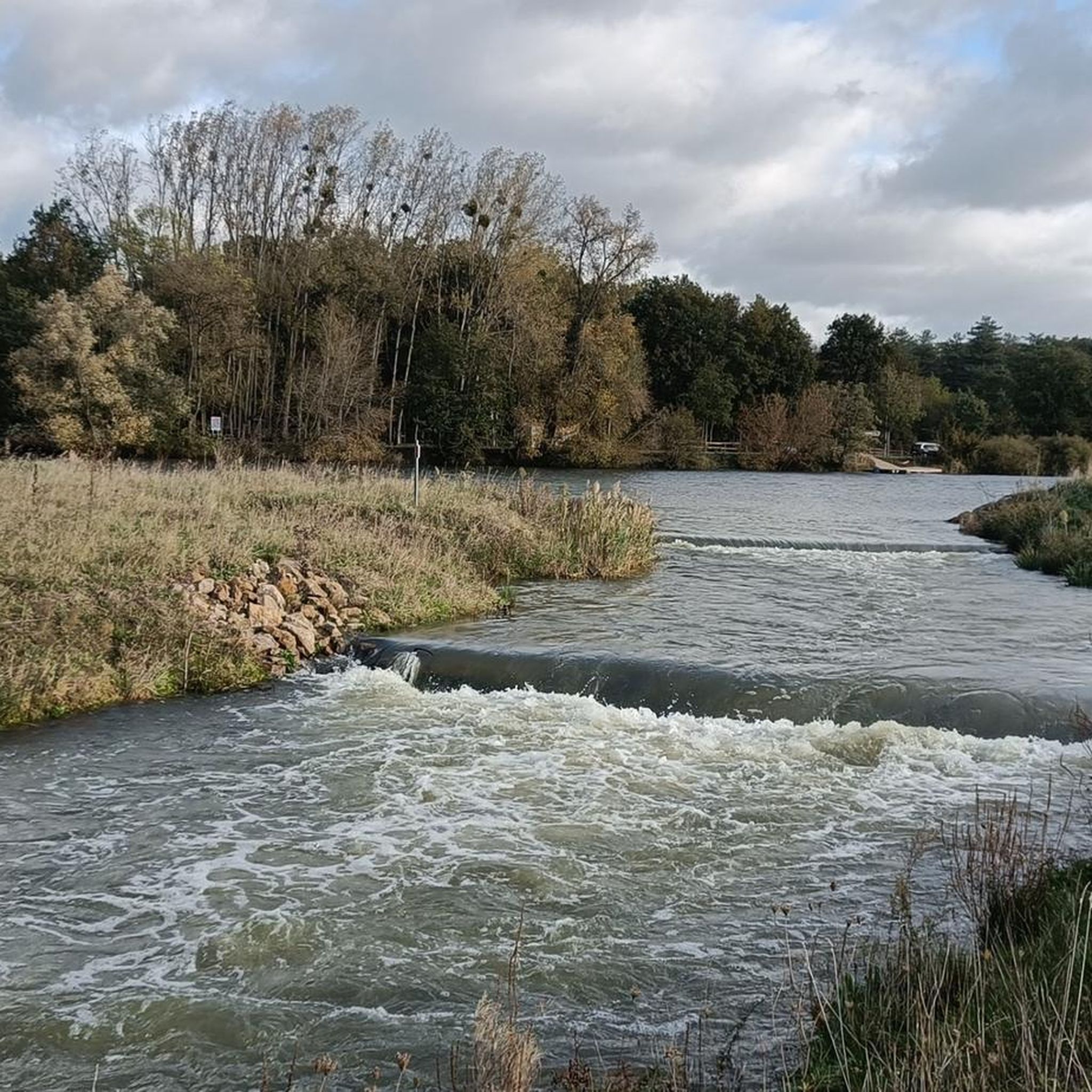
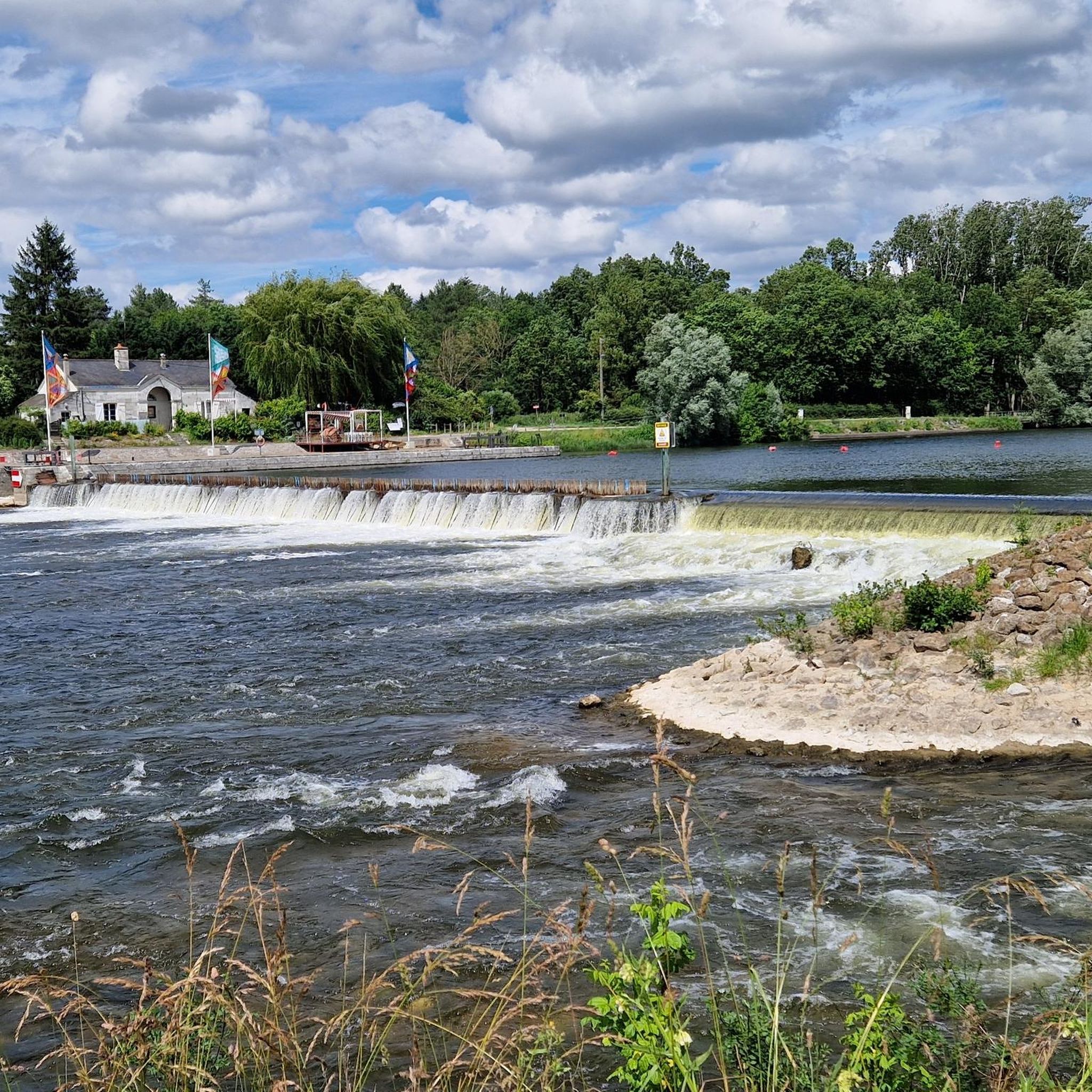
Lock and riverside scenery along the Cher
Highlight (Segment) • River
Translated by Google •
Tip by

Sign up for free to discover even more attractions around Saint-Quentin-Sur-Indrois.
Sign up for free
Already have an account?
Start today with a free account
Your next adventure awaits.
Login or Signup
Tips from the Community

Did you know: During the First World War, the castle was converted into a hospital for wounded soldiers by its owner, Simonne Menier (of the Menier chocolate family). – Long rows of camp beds lined the large gallery above the Cher River. – More than 2,000 wounded were reportedly cared for within the castle walls. A bizarre contrast: the ornate Renaissance halls as a place for bandages, operations, and recovery.
3
0

The donjon is a residential tower or defensive tower of a medieval castle in the French cultural area. The donjon is 36 meters high, has a square floor plan, and is characterized by an excellent state of preservation. It was probably built by Fulk III of Anjou in the 11th century. In the 15th century, the fortress was converted into a royal prison by Louis XI. It houses the cells of Philippe de Commynes, Cardinal Balue, and the Duke of Milan, who spent his time painting murals. In 1801, Napoleon I transferred the state prison to the department. The donjon was used as a prison until 1926. In any case, it is an impressive complex, as is the entire town of Loches, which is definitely worth a visit if you are in the area.
2
1

The Cher River bike path is fun. However, in some places it's more of a single track, requiring concentration and avoiding many potholes.
1
0

Inspired by a Venetian Palace, it was Catherine de Medici who gave Chenonceau its unique architecture. This Renaissance masterpiece, nicknamed the "Château des Dames" is also exceptional for the richness of its history. In 1513, Katherine Briçonnet directed the construction work. Then it was successively embellished by Diane de Poitiers, the King's mistress, initiator of the bridge and Catherine de Medici who imagined the two refined galleries that span the river. It was François 1er who married the Florentine with his son Henri II. By marrying him, this illustrious queen would make Chenonceau and the court of France shine with all the Italian splendor. Obtained at the time of Diane de Poitiers' disgrace, this dream home has always been her favorite residence. She stayed there very often, offering her sons memorable parties. But Catherine had more ambitious plans, and wanted to make her "castle on the water" a grand residence of the Court. A true art gallery, Chenonceau is also distinguished by the wealth of its collections, tapestries and paintings by the greatest European masters of the 16th, 17th and 18th centuries. The Médicis gallery is a Cabinet of Curiosities that also presents many treasures, as well as documents allowing a better understanding of the stages of construction and the highlights of the history of the château. In 2019, to celebrate "500 years of Renaissance" and pay tribute to Catherine de Médicis, the château opened a new place to the public: "The Queen's Apothecary", the only one presented in a monument in the Loire Valley. Restored "in situ" for 3 years, it houses priceless sets of precious pots, paintings and mortars. Visiting Chenonceau also means discovering sumptuous historic gardens, a new contemporary garden, as well as a Labyrinth and a Flower Vegetable Garden. The 80-hectare park is home to many animals and birds living in freedom. Visitors can walk there freely, with their pets, because the castle is Pet Friendly. In 2020: The “Cabinet of Physics and Chemistry of Chenonceau”, created by Jean Jacques ROUSSEAU in the 18th century, will open its doors to the public, and the summer Night Walk will be enriched with new illuminations.
3
0

Beautiful path along the Cher with lots of shade in the heat
3
0
Beautiful château located on the Cher 👍 Great view from the south side
3
0

Loire-Disneyland and still nice
3
0

View of the Château de Chenonceaux from the east at the end of the morning.
4
1
Frequently Asked Questions
What historical sites can I visit near Saint-Quentin-sur-Indrois?
The region is rich in history. You can explore the magnificent Château de Chenonceau, known as the "Château des Dames," famous for its unique architecture over the River Cher and beautiful gardens. Another significant historical destination is the Royal City of Loches, where you can visit the formidable Loches Keep, a masterpiece of medieval military architecture, and the broader The royal city with its collegiate church and royal residence.
Are there any family-friendly attractions in the area?
Yes, the Château de Chenonceau is listed as family-friendly, offering impressive architecture and expansive gardens that can be enjoyed by all ages. The historical sites like the Royal City of Loches also provide an educational and engaging experience for families interested in medieval history.
What natural features or scenic viewpoints are there?
The area is characterized by the scenic Indrois river and the lush landscapes of the Loire Valley. You can enjoy tranquil riverside views and a lock along the Cher River at Lock and riverside scenery along the Cher, which is ideal for cycling. For a unique perspective of a major landmark, visit the View of Chenonceau Castle from the cycle path, which offers a free and stunning view of the castle built over the Cher River.
What outdoor activities can I do around Saint-Quentin-sur-Indrois?
The region offers various outdoor activities, particularly hiking, gravel biking, and running. You can find numerous trails for different skill levels. For detailed routes, explore the guides for Hiking around Saint-Quentin-Sur-Indrois, Gravel biking around Saint-Quentin-Sur-Indrois, and Running Trails around Saint-Quentin-Sur-Indrois.
Are there hiking trails suitable for different difficulty levels?
Yes, the hiking guide for the area includes routes of varying difficulty. For example, you can find easy trails like the "Éolienne Bollée loop from Chédigny" (7.18 km) or moderate options such as the "Genillé loop" (17.9 km) and the "Ferrière Pond loop from Ferrière-sur-Beaulieu" (9 km). You can find more details and routes in the Hiking around Saint-Quentin-Sur-Indrois guide.
What do visitors enjoy most about the attractions near Saint-Quentin-sur-Indrois?
Visitors particularly appreciate the unique architecture and beautiful gardens of the châteaux, especially the Château de Chenonceau, often highlighted for its impressive flower decorations. The free viewpoints, like the View of Chenonceau Castle from the cycle path, are also popular. The historical depth of sites like the Loches Keep and the overall charm of the Royal City of Loches are frequently praised.
What is the best time to visit Saint-Quentin-sur-Indrois and its surrounding attractions?
The Loire Valley, including the area around Saint-Quentin-sur-Indrois, is generally pleasant to visit from spring through early autumn (April to October). During these months, the weather is typically mild, making it ideal for exploring châteaux, gardens, and enjoying outdoor activities like cycling and hiking. Summer offers longer daylight hours and vibrant landscapes, though it can be busier.
Are there opportunities for cycling along the river?
Absolutely. The area along the Cher River is well-suited for cycling. You can enjoy the tranquil river environment and scenic views, such as those found at Lock and riverside scenery along the Cher. Many routes follow the river, offering a relaxing experience for cyclists.
Can I find accommodation or places to eat in Saint-Quentin-sur-Indrois itself?
Saint-Quentin-sur-Indrois is a small commune, and while specific major hotels or restaurants might be limited within the village itself, it serves as a tranquil base. You'll find more options for cafes, pubs, and accommodation in nearby larger towns like Loches or around the more prominent châteaux, which are just a short drive away.
How can I get to the châteaux and historic towns from Saint-Quentin-sur-Indrois?
Saint-Quentin-sur-Indrois's appeal lies in its proximity to several renowned attractions. Most visitors use a car to reach destinations like Château de Chenonceau (approx. 14 km), the Royal City of Loches (approx. 11 km), or Montrésor (approx. 14 km). While local bus routes might connect some larger towns, having your own transport offers the most flexibility for exploring the various sites.
Are there any hidden gems or less-known places to discover?
Beyond the most famous châteaux, consider exploring Montrésor, recognized as one of "Les Plus Beaux Villages de France" (The Most Beautiful Villages of France). This quaint old town on the Indrois river features a charming castle and picturesque surroundings, offering a delightful, less crowded experience.
What kind of terrain can I expect on the hiking and cycling trails?
The region around Saint-Quentin-sur-Indrois, typical of the Loire Valley, features lush, gentle landscapes. Trails often follow riverbanks, through forests, and across rural countryside. You can expect a mix of paved paths, gravel tracks, and natural earth trails, generally with moderate elevation changes, making them accessible for various fitness levels.
Most popular routes around Saint-Quentin-Sur-Indrois
Most popular attractions around Saint-Quentin-Sur-Indrois

Get inspired with the komoot mobile app


Explore more
Still not found the Highlight you’re looking for? See guides of the top attractions in other regions:
