Attractions and Places To See around Dargnies - Top 20
Attractions and places to see around Dargnies, a commune in the Somme department of France, offer a blend of local history and natural beauty. While Dargnies itself is a small village with historical roots and a war memorial, its location provides access to diverse regional attractions. The surrounding area features dramatic coastal landscapes, significant natural reserves, and culturally rich towns. This makes Dargnies a convenient base for exploring the wider Somme region.
Best attractions and places to see around Dargnies
…Last updated: November 20, 2026
Belle Époque Houses of Mers-les-Bains
Highlight • Historical Site
Showing Translation
Tip by

Ault Chalk Cliffs
Highlight • Natural Monument
Translated by Google •
Tip by

Sign up now to discover places like this
Get recommendations on the best single tracks, peaks, & plenty of other exciting outdoor places.
Saint Martin's Church
Highlight • Other
Translated by Google •
Tip by
La Cise Cliff
Highlight • Natural Monument
Translated by Google •
Tip by

Cliffs of Ault
Highlight • Natural Monument
Even if the city has lost its splendor, the site is impressive, because to the north, the plain of …
Translated by Google •
Tip by

Sign up for free to discover even more attractions around Dargnies.
Already have an account?
Start today with a free account
Your next adventure awaits.


Tips from the Community


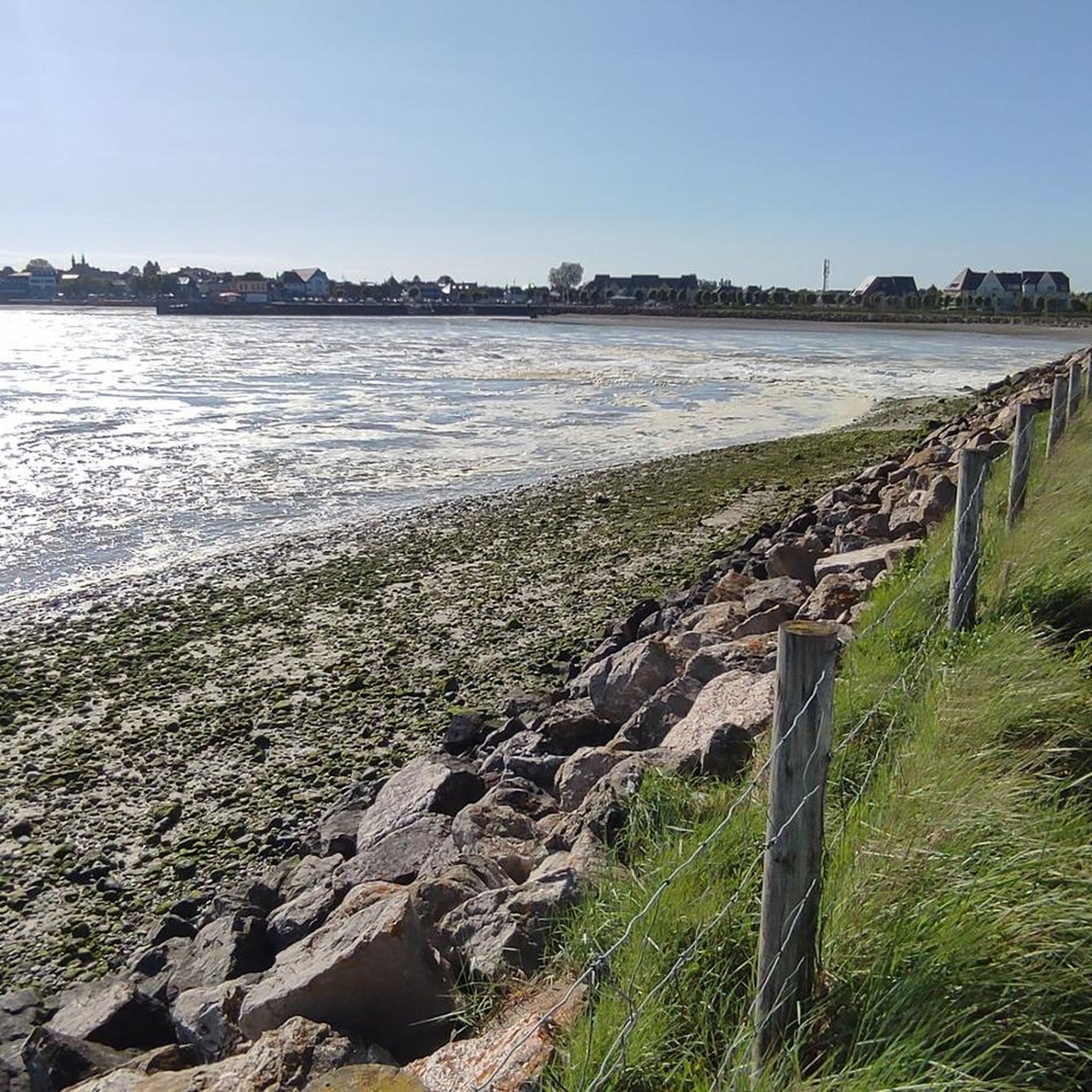
The current church, built in 1928 in the Romanesque-Byzantine style, is located in the oldest quarter of the city. It has a Latin cross plan, oriented northwest and southwest. The roof is slate, and the nave is covered with long sides and open gables. It features flamboyant stained-glass windows, a listed 17th-century altarpiece, and a Saint Martin's effigy.
0
0

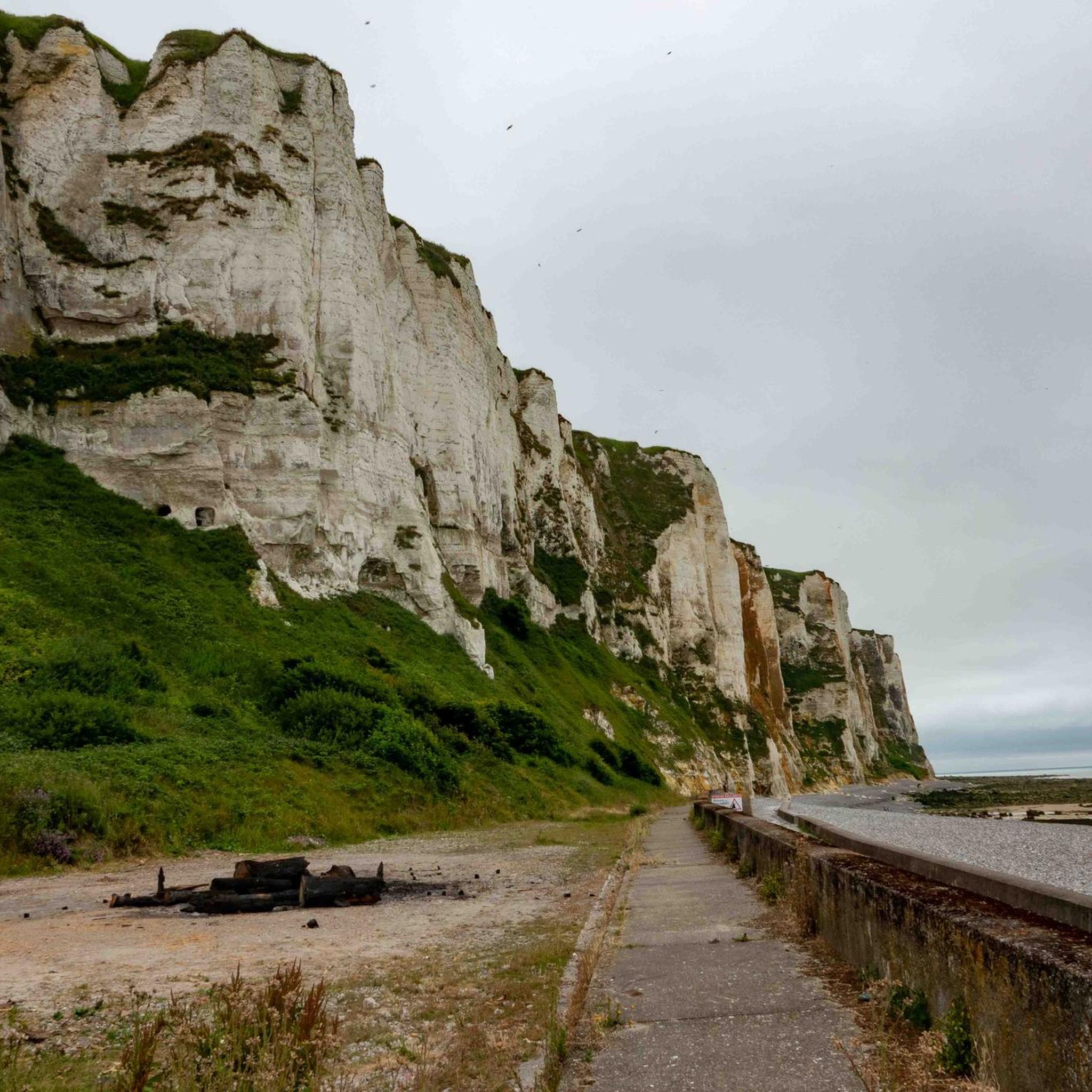
The cliffs are made of chalk and are impressive to look at.
3
0
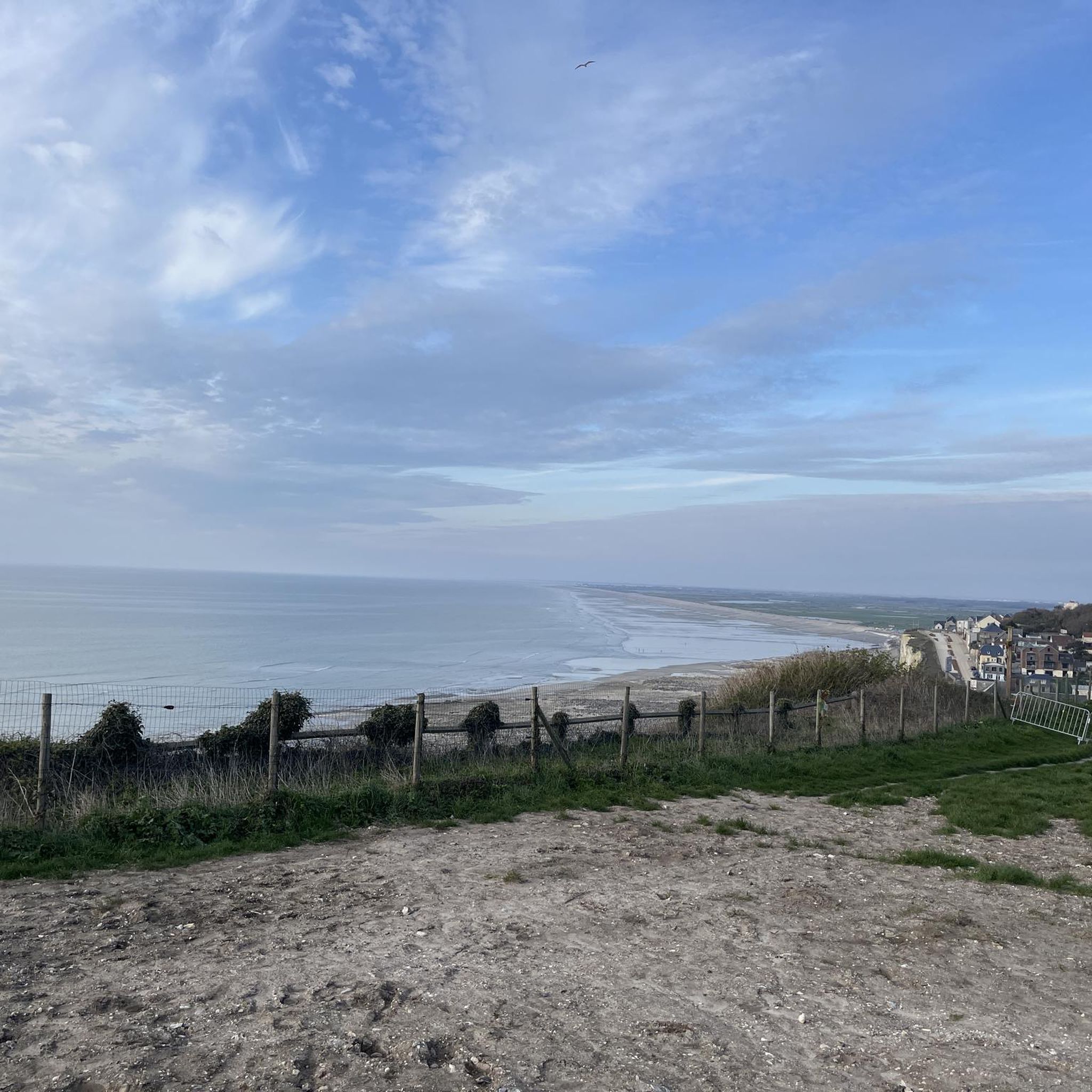
Here in Ault begin the chalk cliffs, which stretch all the way to Normandy and repeatedly appear as enormous cliffs.
4
0
The church is located in the oldest part of the city. From here, you can enjoy a magnificent view of the city.
4
0


The cliffs around the beach of Ault are composed of chalk from the Upper Cretaceous, more precisely from the Turonian and Coniacian (around 83 million years ago to 90 million years ago). They are strewn with flint nodules which highlight the subhorizontal stratification planes (the formation of flint has already been discussed in Discovery of the geology of the cliffs of Étretat, presentation of an excursion from the beach of Tilleul (Antifer) to the Porte d'Amont (Étretat Nord)). The relative proportion of chalk and flint is around 90-95% chalk to 5-10% flint. Flint horizons are stratigraphic markers. On the cliffs of Ault, the regular flint band called Seven Sisters is recognizable and characterizes the boundary between the Middle Coniacian and the Upper Coniacian (around 87 million years ago). The boundary between the lower and middle Coniacian is marked by the Shoreham 2 marl level, which is more difficult to identify. These lithostratigraphic markings allow in particular the correlation of distant deposits, such as between the Normandy and Picardy coasts, or between the French and English coasts.
3
0
The cliffs around the beach of Ault are composed of chalk from the Upper Cretaceous, more precisely from the Turonian and Coniacian (around 83 million years ago to 90 million years ago). They are strewn with flint nodules which highlight the subhorizontal stratification planes (the formation of flint has already been discussed in Discovery of the geology of the cliffs of Étretat, presentation of an excursion from the beach of Tilleul (Antifer) to the Porte d'Amont (Étretat Nord)). The relative proportion of chalk and flint is around 90-95% chalk to 5-10% flint. Flint horizons are stratigraphic markers. On the cliffs of Ault, the regular flint band called Seven Sisters is recognizable and characterizes the boundary between the Middle Coniacian and the Upper Coniacian (around 87 million years ago). The boundary between the lower and middle Coniacian is marked by the Shoreham 2 marl level, which is more difficult to identify. These lithostratigraphic markings allow in particular the correlation of distant deposits, such as between the Normandy and Picardy coasts, or between the French and English coasts.
2
0
Frequently Asked Questions
What natural features can I explore near Dargnies?
The area around Dargnies is rich in natural beauty, particularly along the coast. You can visit the dramatic La Cise Cliff and Ault Chalk Cliffs, which mark the beginning of the Normandy cliffs and offer stunning views of the English Channel. Further afield, the Baie de Somme, a large natural habitat, is excellent for wildlife observation, and the Bois de Cise provides scenic walking paths within its natural wood setting.
Are there hiking opportunities around Dargnies?
Yes, Dargnies is a great base for hiking. You can find various trails, including a moderate Hiking loop from Dargnies, or explore the coastal paths around the Ault Chalk Cliffs and Bois de Cise. For more options, check out the hiking guide for Dargnies, which includes routes like the 'View over the lake – Marais de Gousseauville loop'.
What historical sites can I visit in the Dargnies area?
Beyond Dargnies' local war memorial, you can explore the remarkable Belle Époque houses of Mers-les-Bains, an outstanding ensemble of around 300 period villas with distinctive Art Nouveau architecture. Also in Mers-les-Bains, the Saint Martin's Church, built in Roman-Byzantine style, houses a 17th-century altarpiece. Historic belfries, recognized as UNESCO World Heritage sites, are also accessible in nearby towns like Abbeville, Rue, and Saint-Riquier.
Are there family-friendly attractions near Dargnies?
Absolutely. The Belle Époque district of Mers-les-Bains is pleasant for a stroll, and its sandy beach is popular. The Bois de Cise offers gentle walking paths suitable for families. The Baie de Somme is also a fantastic natural area for families to explore, with opportunities for birdwatching and enjoying the diverse landscapes.
What is the best time to visit the coastal attractions like Mers-les-Bains or Ault?
The coastal areas, particularly Mers-les-Bains, are vibrant during the warmer months. The 'feast of the bathers' is celebrated there at the end of July and beginning of August, indicating a lively summer atmosphere. For enjoying the beaches and coastal walks, late spring through early autumn generally offers the most pleasant weather.
Can I find cycling routes around Dargnies?
Yes, there are several cycling routes available. For mountain biking, you can explore trails like the 'Château d'Eu loop from Incheville' or the 'Marais de Gousseauville – Lakes near Gamache loop'. Road cyclists can enjoy routes such as the 'Cliffs of Ault – Ault Chalk Cliffs loop from Woincourt' or the 'St. Valery sur Somme – Saint-Valéry Steam Train loop'. More details can be found in the MTB Trails around Dargnies guide and the Road Cycling Routes around Dargnies guide.
What are the most unique architectural sights in the region?
The most unique architectural sights are undoubtedly the Belle Époque houses of Mers-les-Bains. This district features around 300 villas built in an Art Nouveau style, characterized by colorful facades, metal or wood balconies, and exuberant ornaments. It's a designated remarkable heritage site, offering a glimpse into the fashionable seaside tourism of the late 19th and early 20th centuries.
Are there any specific natural reserves or parks for wildlife viewing?
Yes, the Baie de Somme, located approximately 20 km from Dargnies, is a significant natural habitat known for its diverse scenery and wildlife, particularly birdlife. The Parc du Marquenterre, about 25 km away, is specifically renowned for its birdwatching opportunities.
What do visitors enjoy most about the attractions near Dargnies?
Visitors particularly appreciate the dramatic coastal landscapes, such as the white chalk cliffs of La Cise Cliff and Ault Chalk Cliffs, which offer impressive views. The architectural charm of the Belle Époque houses of Mers-les-Bains is also highly rated for its unique historical character and well-maintained period villas.
Can I find information about local amenities like cafes or restaurants near the attractions?
While Dargnies itself is a quiet village, nearby towns like Mers-les-Bains, Saint-Valery-sur-Somme, and Le Crotoy offer a wider range of amenities including cafes, restaurants, and shops. Mers-les-Bains, with its popular Belle Époque district, is a good option for dining after exploring the coastal sights.
What kind of terrain can I expect on hiking trails around the Ault Chalk Cliffs?
The trails around the Ault Chalk Cliffs offer scenic and exhilarating hikes. Be aware that some passages can be very steep, and the limestone rock is subject to erosion. The cliffs themselves are composed of chalk from the Upper Cretaceous period, strewn with flint nodules, providing a unique geological landscape.
Most popular routes around Dargnies
Most popular attractions around Dargnies

Get inspired with the komoot mobile app


Explore more
Still not found the Highlight you’re looking for? See guides of the top attractions in other regions:
