Attractions and Places To See around Saint-Antoine-Du-Queyret - Top 14
Attractions and places to see around Saint-Antoine-Du-Queyret, a commune in the Gironde department, offer a tranquil experience with local heritage. The area is situated on the Pouillac hill, overlooking the Escouach valley and Queyret stream, which contributes to its viticulture. This region provides a base for exploring diverse landscapes and historical sites within the broader Gironde department. Visitors can find a variety of cultural and natural points of interest.
Best attractions and places to see around Saint-Antoine-Du-Queyret
- The most popular…
Last updated: May 11, 2026
Sauveterre-de-Guyenne - bastide
Highlight • Other
Translated by Google •
Tip by

Roger Lapébie track - Sauveterre to Cessac
Highlight (Segment) • Other
Translated by Google •
Tip by

Sign up now to discover places like this
Get recommendations on the best single tracks, peaks, & plenty of other exciting outdoor places.
Sign up for free
Saint-Ferme Abbey
Highlight • Other
Translated by Google •
Tip by

Château de Rauzan
Highlight • Castle
Witness of the past and …
Translated by Google •
Tip by

Piste Roger Lapébie
Highlight (Segment) • Cycleway
Translated by Google •
Tip by

Sign up for free to discover even more attractions around Saint-Antoine-Du-Queyret.
Sign up for free
Already have an account?
Start today with a free account
Your next adventure awaits.
Login or Signup


Tips from the Community

Sauveterre-de-Guyenne is a bastide. A bastide is a type of French medieval town, founded in the 13th and 14th centuries, primarily in southwestern France. A bastide is characterized by a rectangular street pattern that divides the town into eight blocks around a central market square. The Treaty of Paris (1229) prohibited the building of walls around new towns. Many bastides were provided with some form of fortification, such as gates, after their founding to provide some protection during turbulent times. Most bastides had only local significance and did not develop into large towns. As a result, many bastides, such as that of Sauveterre-de-Guyenne, have been preserved in their original state.
1
0

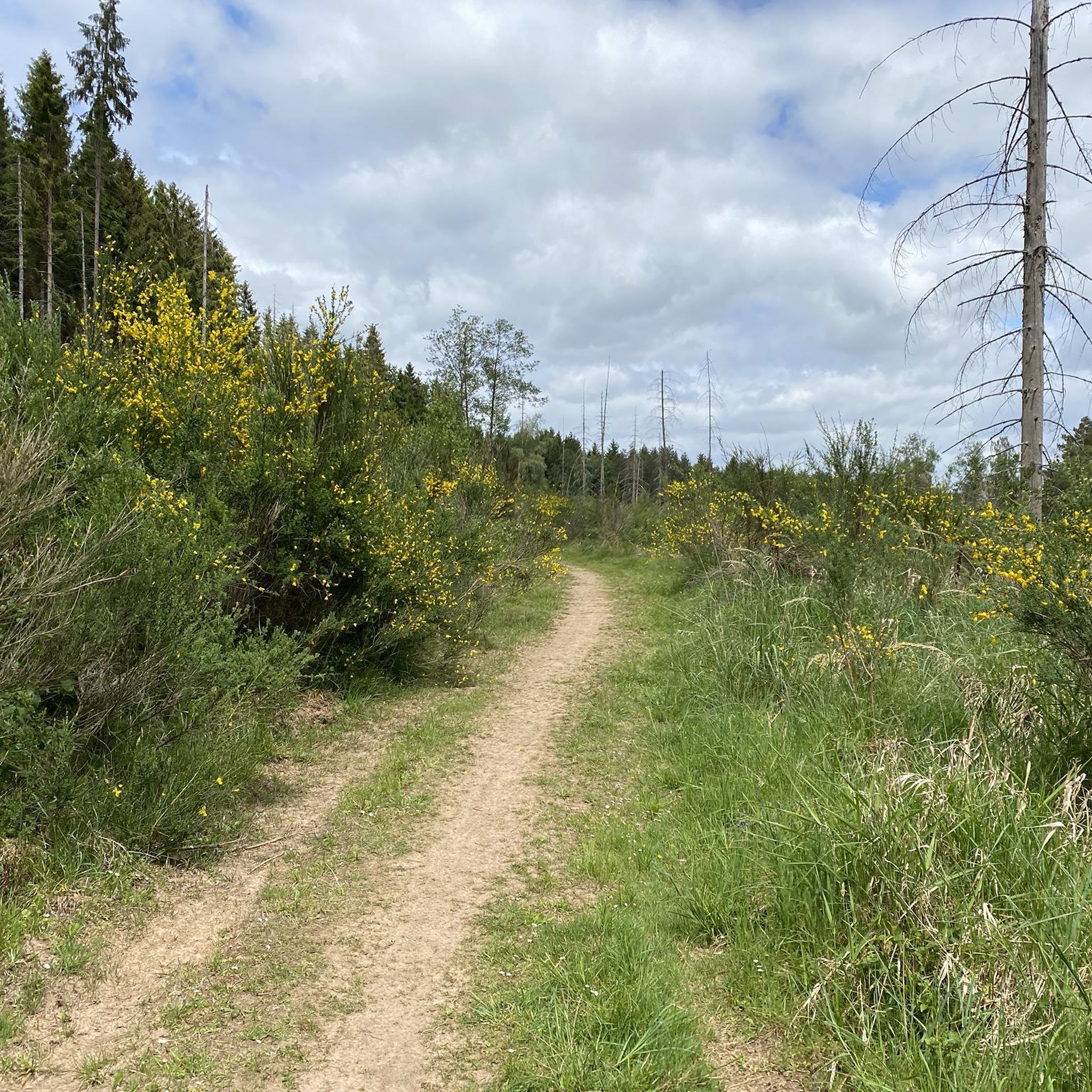
beautiful shaded greenway, enjoyable in summer!
1
0


Pretty village in the center of Entre-Deux-Mers - Medieval bastide with ramparts all around, some pretty gates and a central square which is worth a stop...
2
0

Very well developed cycle path and easy to ride.
2
0


Be careful, a loose dog seen in the area!!
0
1

Greenway built on an old railway line, which winds through the forest. It is possible to link Créon and Sauveterre-de-Guyenne by following this very pleasant route.
5
0
Frequently Asked Questions
What historical and cultural sites can I explore near Saint-Antoine-Du-Queyret?
The region is rich in history. You can visit the medieval bastide town of Sauveterre-de-Guyenne, which has preserved its original 13th and 14th-century town planning with ramparts and a central square. Another significant site is Château de Rauzan, a historic fortress from the 13th and 14th centuries, restored in Gothic style. Don't miss the impressive Saint-Ferme Abbey, a large monastery church with origins in the 6th century.
Are there any family-friendly activities or attractions in the area?
Yes, the area offers several family-friendly options. The Piste Roger Lapébie is a well-developed, shaded cycle path built on an old railway line, perfect for a leisurely family bike ride. The medieval bastide towns like Sauveterre-de-Guyenne also offer interesting historical exploration for all ages.
What kind of outdoor activities are available around Saint-Antoine-Du-Queyret?
You'll find a variety of outdoor activities. Cycling is popular, especially on the Piste Roger Lapébie, a greenway winding through forests. For hiking, there are routes like the easy 'Abbaye de Blasimon loop' or the 'Saint-Ferme Abbey loop'. You can explore more options on the hiking guide for Saint-Antoine-Du-Queyret. Road cycling and running trails are also available, with guides for road cycling and running trails.
Where can I go for a pleasant bike ride or walk on a greenway?
The Piste Roger Lapébie is an excellent choice. This greenway, built on an old railway line, offers a very well-shaded and pleasant route through the forest. It's ideal for both cycling and walking, connecting areas like Sauveterre-de-Guyenne.
Are there any notable wine-producing estates or vineyards to visit?
Yes, Château Queyret-Pouillac, located within Saint-Antoine-Du-Queyret, is a historic wine-producing estate. It has vineyards spanning the municipality and offers visits for those interested in its history and winemaking process. The region, part of Entre-Deux-Mers, is well-known for its viticulture.
What do visitors particularly enjoy about the attractions around Saint-Antoine-Du-Queyret?
Visitors appreciate the well-preserved historical sites and the serene natural environment. The Sauveterre-de-Guyenne bastide is praised for its original medieval state, offering a glimpse into 13th-century town planning. The Piste Roger Lapébie is highly rated for being a very well-developed, shaded, and pleasant cycle path.
What are some lesser-known or 'hidden gem' attractions nearby?
While not extensively detailed, the small village of Pellegrue, about 6 km away, is worth exploring for its local charm. Additionally, the archaeological site of a Roman villa in Montcaret, approximately 12 km distant, offers a unique historical insight away from the more prominent sites.
What is the best time of year to visit Saint-Antoine-Du-Queyret and its attractions?
The region generally enjoys pleasant weather from spring through early autumn (April to October), making it ideal for exploring historical sites, cycling, and hiking. The vineyards are particularly beautiful during late summer and early autumn for harvest season. Many outdoor activities are enjoyable during these months due to the favorable climate.
Are there any medieval bastide towns other than Sauveterre-de-Guyenne that I can visit?
Yes, besides Sauveterre-de-Guyenne, you can also visit Monsegur, a bastide town in the Dropt Valley about 14 km away, which features a substantial historical presence. Sainte-Foy-la-Grande, about 19 km to the east-north-east, also boasts an attractive medieval center on the Dordogne river.
Can I find any Romanesque or Gothic architecture in the area?
Absolutely. The Saint-Antoine Church in Saint-Antoine-Du-Queyret itself showcases a blend of Romanesque and Gothic architecture due to centuries of modifications. The Saint-Ferme Abbey is another excellent example of medieval architecture. The Château de Rauzan was also restored in the Gothic style after the Hundred Years War.
Are there any famous UNESCO World Heritage sites within a reasonable distance?
Yes, the renowned heritage site of Saint-Emilion, an exceptionally scenic town listed for its unique character and featuring the Monolithic Church, is about 20 km away. It's a must-visit for its historical significance and beautiful vineyards.
What natural landscapes characterize the area around Saint-Antoine-Du-Queyret?
The commune is situated on the Pouillac hill, offering views over the small Escouach valley and the Queyret stream, which contributes to the region's viticulture. While specific natural 'attractions' within the immediate commune are not extensively detailed, the broader Gironde department is known for its diverse natural landscapes, including rivers like the Garonne and Ciron, and various parks and gardens.
Most popular routes around Saint-Antoine-Du-Queyret

Get inspired with the komoot mobile app


Explore more
Still not found the Highlight you’re looking for? See guides of the top attractions in other regions:
