Attractions and Places To See around Lalande-De-Pomerol - Top 20
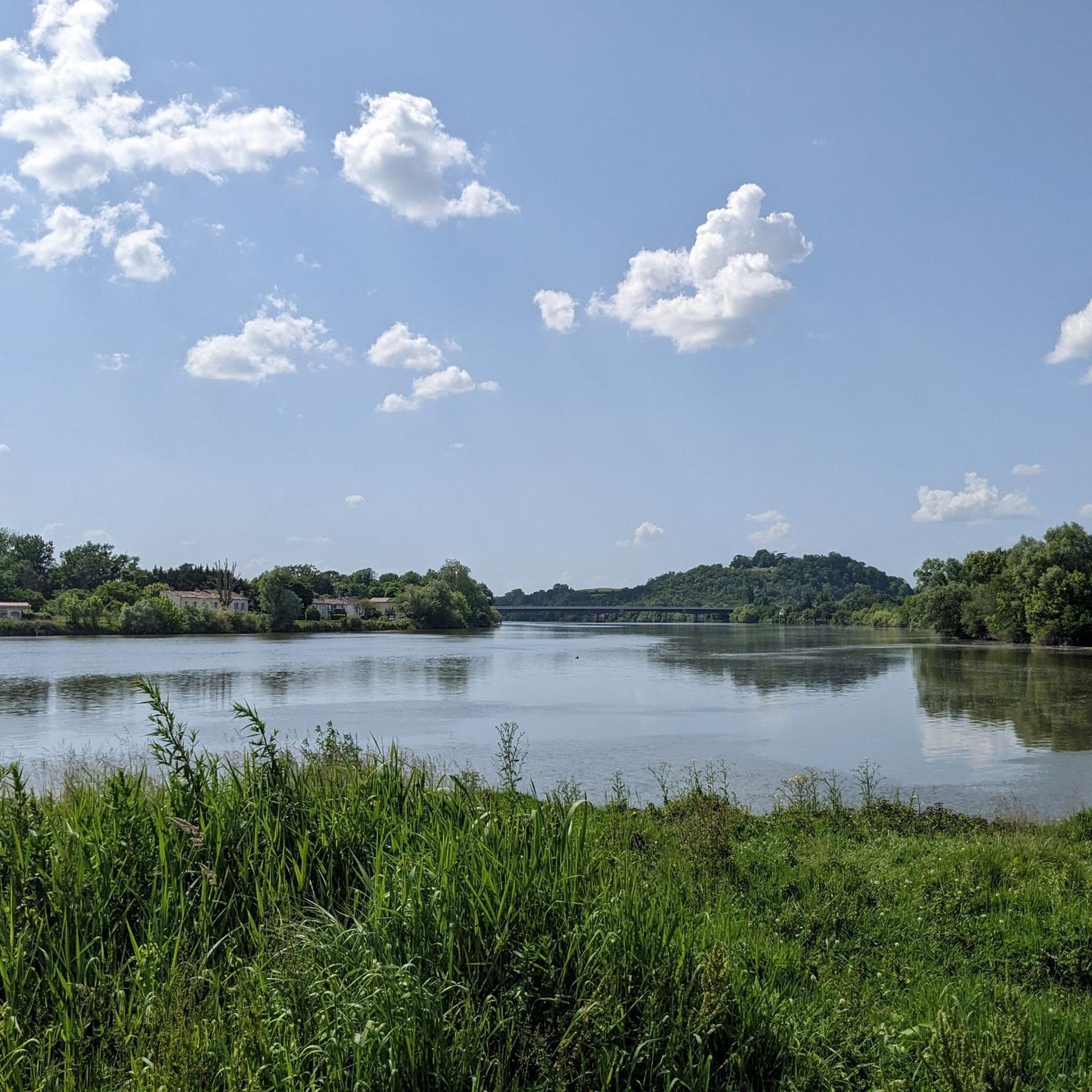
Best attractions and places to see around Lalande-De-Pomerol are found within the esteemed Bordeaux wine region of France. This area is characterized by its unique terroir, featuring an optimal blend of clay, gravel, and sand, which is fundamental to its celebrated red wines. The landscape is shaped by its viticultural heritage, historical landmarks, and natural features like the Barbanne stream and numerous vineyards. Visitors can explore a blend of cultural sites and natural environments that define this region.
Best attractions…
Last updated: May 11, 2026
Saint-Émilion Village
Highlight • Settlement
Translated by Google •
Tip by

Château Angélus
Highlight • Historical Site
Translated by Google •
Tip by

Sign up now to discover places like this
Get recommendations on the best single tracks, peaks, & plenty of other exciting outdoor places.
Sign up for free
Notre-Dame Abbey Church, Guîtres
Highlight • Other
The church of Guîtres is an abbey church; it is therefore the church of an abbey of monks (Benedictine). This abbey, of which only a few traces remain, is …
Translated by Google •
Tip by

Saint-Christophe Church
Highlight • Religious Site
Translated by Google •
Tip by

Collegiate Church and Cloister of Saint-Émilion
Highlight • Religious Site
Translated by Google •
Tip by

Sign up for free to discover even more attractions around Lalande-De-Pomerol.
Sign up for free
Already have an account?
Start today with a free account
Your next adventure awaits.
Login or Signup

Tips from the Community

The name of Saint-Christophe, to whom this church in the village, which also bears his name, is dedicated, translates as "Christ-bearer." According to the saint's legend, he was a giant man who carried people across a river. One day, a small child called to him, and he carried it on his shoulders to the other bank. Amazingly, the child became heavier and heavier, and he said he felt as if the weight of the entire world were resting on his shoulders. Then the child revealed himself to him as Jesus Christ, Savior and Redeemer of the world.
1
0

Superb property of great classified growths.
1
1

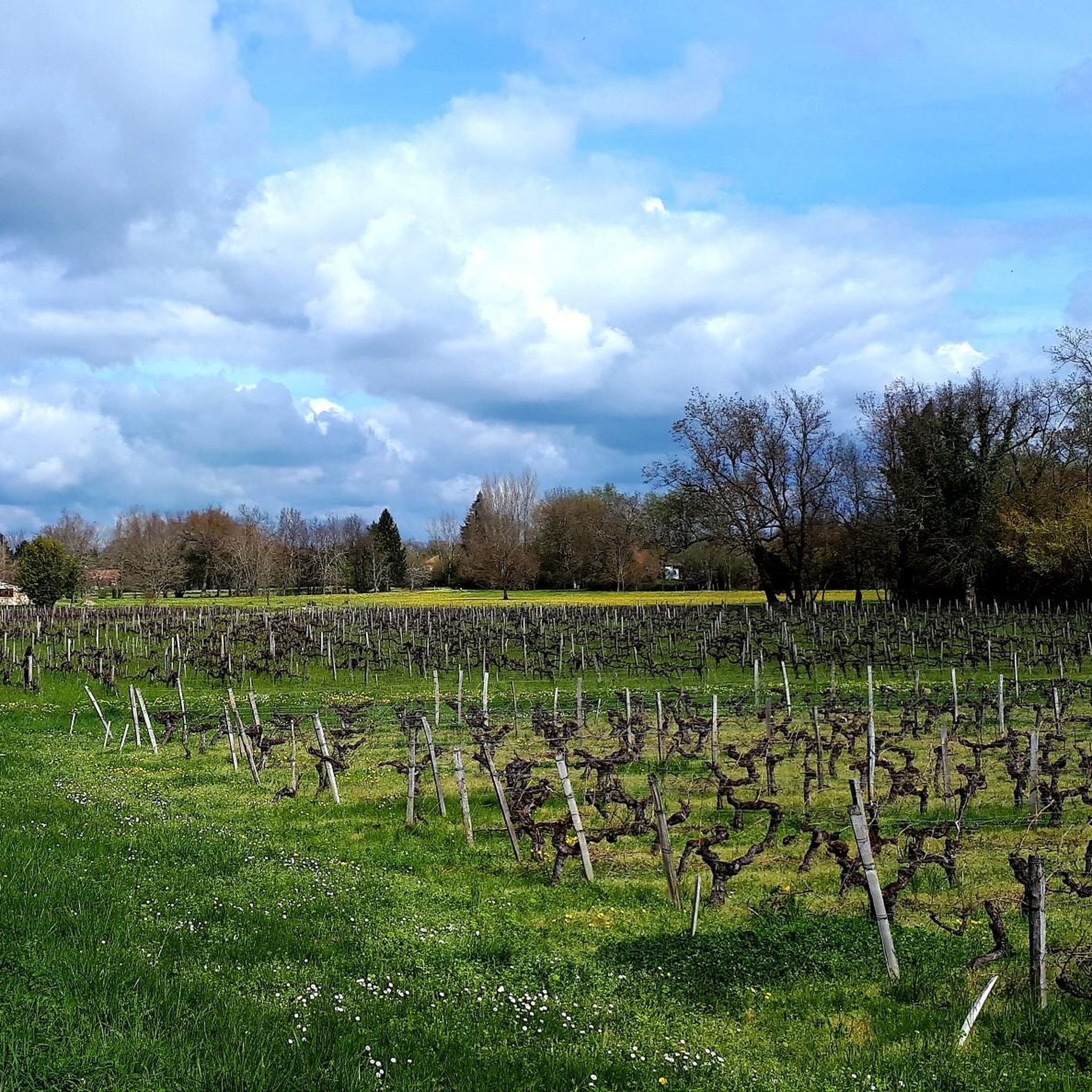
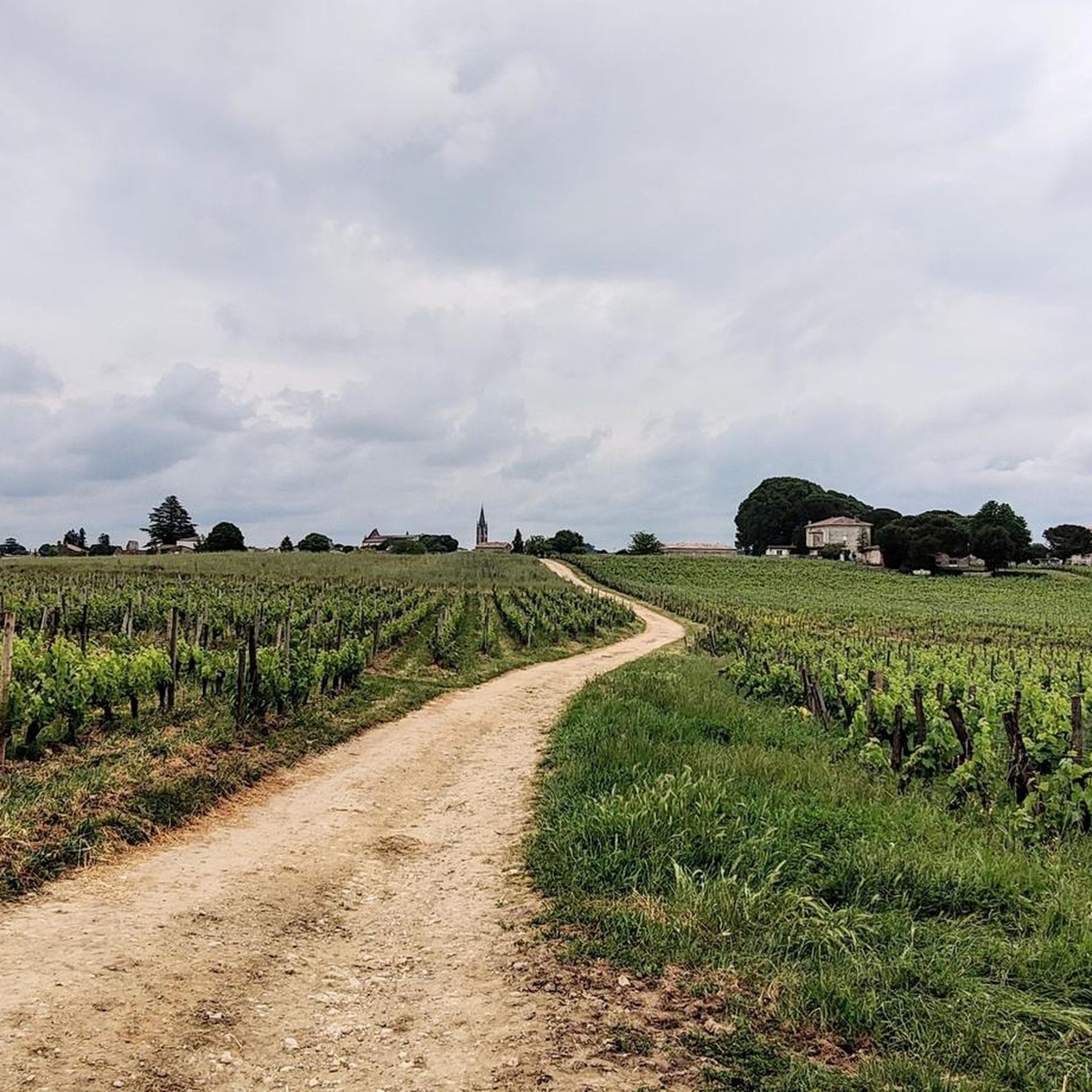
Château Angélus, located in the heart of the prestigious Saint-Émilion vineyard, is a renowned wine estate that combines tradition and modernity. Surrounded by perfectly maintained vines, this iconic château offers a sumptuous setting where you can discover the art of winemaking for its Grands Crus Classés. The view of the vineyard from the château is simply magnificent, with its rows of vines stretching as far as the eye can see. Wine lovers will appreciate the guided tours and tastings.
1
0
Château Angélus, located in the heart of the prestigious Saint-Émilion vineyard, is one of the most famous Grands Crus Classés of Bordeaux. Nestled in the middle of perfectly maintained vines, a visit to the château allows you to discover the wine history of the region, its impressive cellars and its ultra-modern winery. Wine lovers will appreciate tastings of the refined vintages.
0
0

pretty
0
0
stunning
3
0
beautiful church
3
0

Perched on a rocky promontory and surrounded by the famous vineyard of the same name, Saint-Émilion is a magnificent village. Very popular with tourists and wine lovers, it is crowded in summer and I recommend that you come and discover it out of season. The medieval city is a UNESCO World Heritage Site and many cycling events take place there, in the small, steep, cobbled streets.
2
0
Frequently Asked Questions
What historical and cultural sites can I visit in Lalande-De-Pomerol?
Lalande-De-Pomerol offers a rich historical tapestry. You can explore the 12th-century Saint-Jean Church, a significant landmark built by the Hospitallers of Saint John of Jerusalem. The region also features a 15th-century Cemetery Cross and a War Memorial. Additionally, the landscape is dotted with numerous impressive wine châteaux, many of which are active wineries and contribute significantly to the area's cultural heritage.
Are there any significant religious buildings to explore near Lalande-De-Pomerol?
Yes, several notable religious sites are accessible. The Saint-Jean Church in Lalande-De-Pomerol itself is a historical gem. Further afield, you can visit the Romanesque Notre-Dame Abbey Church, Guîtres, which dates back to the late 11th century. Another interesting site is the Saint-Christophe Church, dedicated to Saint-Christophe, located in the village sharing its name.
What natural features define the landscape around Lalande-De-Pomerol?
The region's landscape is primarily shaped by its unique terroir, which is crucial for its renowned wines. The soil is a blend of clay, gravel, and sand, with a distinctive 'ironpan' subsoil rich in iron oxide. The Barbanne stream forms a natural boundary with the prestigious Pomerol appellation, and the Isle and Dordogne rivers also influence the local microclimate and soil. You'll also notice charming garnet-red rose bushes, specifically developed for 'Lalande de Pomerol', planted throughout the vineyards.
What opportunities are there for wine tasting and tours in Lalande-De-Pomerol?
As a prominent wine appellation, Lalande-De-Pomerol is ideal for wine enthusiasts. Many châteaux, such as Château Siaurac and Château Tournefeuille, offer year-round wine tastings and tours. You can gain insight into the winemaking process and sample the region's elegant, predominantly Merlot-based red wines, known for notes of red fruit, plum, and earthy undertones.
Are there options for cycling around Lalande-De-Pomerol?
Absolutely! The area is well-suited for cycling. You can find various routes for both road cycling and mountain biking. For road cycling, options include routes like the 'Cordeliers Cloister – Saint-Émilion loop' or the 'Saint-Émilion Village – Château Angélus loop'. Mountain bikers can explore trails such as the 'Boucle dans le Libournais' or the 'Magnificent viewing spot – Villegouge Singletrack loop'. You can find more details on these and other routes in the Road Cycling Routes around Lalande-De-Pomerol and MTB Trails around Lalande-De-Pomerol guides.
Where can I find trails for running or walking near Lalande-De-Pomerol?
There are several scenic routes for running and walking. You can enjoy loops around Lac des Dagueys, such as the 'Lac des Dagueys loop from Les Dagueys' or the 'Lac des Dagueys loop from Les Billaux'. Longer options include the 'Path by the Barbane loop from Les Billaux'. For more information on these and other trails, refer to the Running Trails around Lalande-De-Pomerol guide.
What are the main villages to explore within the Lalande-De-Pomerol appellation?
The appellation primarily encompasses two charming villages: Lalande-de-Pomerol and Néac. Both offer picturesque settings and are central to the region's wine production. Néac is particularly noted for producing some of the appellation's finest wines, thanks to its advantageous clay and gravel soils.
What other notable towns or attractions are easily accessible from Lalande-De-Pomerol?
Lalande-De-Pomerol serves as an excellent base for exploring the wider Bordeaux region. It's conveniently close to Libourne, an important local town just about 5 km away. The stunning medieval village of Saint-Émilion Village, a UNESCO World Heritage Site renowned for its beauty and wine, is only 8 km distant and a must-visit. You can also visit the Notre-Dame Abbey Church, Guîtres.
When is the best time to visit Lalande-De-Pomerol for outdoor activities and wine tourism?
The spring (April-May) and autumn (September-October) months are generally ideal. During these periods, the weather is pleasant for outdoor activities like cycling and walking through the vineyards, and it's also a fantastic time for wine tourism, with harvest activities often taking place in autumn. Summer can be warm, but still enjoyable, though popular attractions like Saint-Émilion can be crowded.
What do visitors particularly enjoy about the attractions near Lalande-De-Pomerol?
Visitors frequently praise the charm and historical atmosphere of the region. The medieval city of Saint-Émilion Village is a particular highlight, noted for its beauty and unique architecture, including its 'rock church'. The serene mood of the small churches and squares, especially around sunset, is also highly appreciated. Wine enthusiasts, of course, love the opportunity to visit wonderful wineries and taste high-quality wines.
Are there any challenging trails for experienced cyclists or hikers near Lalande-De-Pomerol?
Yes, for those seeking a challenge, the Villegouge Singletrack offers a technical and rewarding experience, though it's noted for being quite narrow with limestone pebbles and large steps. It provides a nice panorama once at the top. For runners, some routes, like the longer 'Path by the Barbane loop from Les Billaux' (19.4 km), are rated as difficult.
Most popular routes around Lalande-De-Pomerol

Get inspired with the komoot mobile app


Explore more
Still not found the Highlight you’re looking for? See guides of the top attractions in other regions:
