Attractions and Places To See around Saint-Vougay - Top 20
Attractions and places to see around Saint-Vougay include a blend of historical landmarks and access to the natural beauty of the Finistère department in Brittany, France. The commune offers cultural sites and proximity to diverse landscapes. Visitors can explore significant historical structures and unique man-made monuments. The region provides opportunities to discover both local heritage and broader natural features.
Best attractions and places to see around Saint-Vougay
- The most popular attractions is Porsmeur Seahorse, a man-made monument that serves…
Last updated: September 27, 2026
Porsmeur Seahorse
Highlight • Monument
Translated by Google •
Tip by

Covered Market of Plouescat
Highlight • Historical Site
Translated by Google •
Tip by
Sign up now to discover places like this
Get recommendations on the best single tracks, peaks, & plenty of other exciting outdoor places.
Corps de Garde de Lavillo
Highlight • Historical Site
Translated by Google •
Tip by
Église Saint-Pierre Plouescat
Highlight • Historical Site
Translated by Google •
Tip by

Chapel of Our Lady of Kerzean
Highlight • Other
Translated by Google •
Tip by
Sign up for free to discover even more attractions around Saint-Vougay.
Already have an account?
Start today with a free account
Your next adventure awaits.
Tips from the Community

very pretty chapel with sometimes beautiful exhibitions.
0
0

Built between 1730 and 1740 on the plans of Simon Garengeau, engineer of the king, at The location fixed by Vauban around |690. Hidden behind the rocks in order to be hidden from the view of the sea and of possible enemies, the guardhouse of Lavillo had a mission of monitoring passing boats. In the event of suspicious movement, the militiamen on guard alerted the authorities by coded signals: flags in clear weather, blank cannon shots in foggy weather, fires at night.
0
0

The Saint-Pierre de Plouescat Church, built in the 16th century, reveals remarkable architecture. Its colorful stained glass windows and sculptural details create a sacred atmosphere, inviting contemplation and spirituality.
0
0

The 16th century chapel has preserved its finely molded Gothic door and its small two-bay wall bell tower from this period. Located in a wooded valley in the south-east of the town, this stone sanctuary is located near the Calvary altar of Kergoal.
1
0
The current parish church is a large neo-Gothic style building. Built in 1864, it was dedicated the following year. The new church replaced a century-old building, dating back to 1763.
1
0
In Cléder, two guardhouses, also called Customs Houses, are visible: The Lavillo guardhouse and The Amiets guardhouse. They are located on either side of Amiets beach. The Lavillo guardhouse was built between 1730 and 1740, on the location fixed by Vauban around 1690. Concealed behind the rocks in order to be hidden from view of the sea and possible enemies, the Lavillo guardhouse had a surveillance mission of passing boats. These lookout posts, now called customs officers' houses, were part of a coastal defense system imagined by Vauban in the 17th century.
2
0
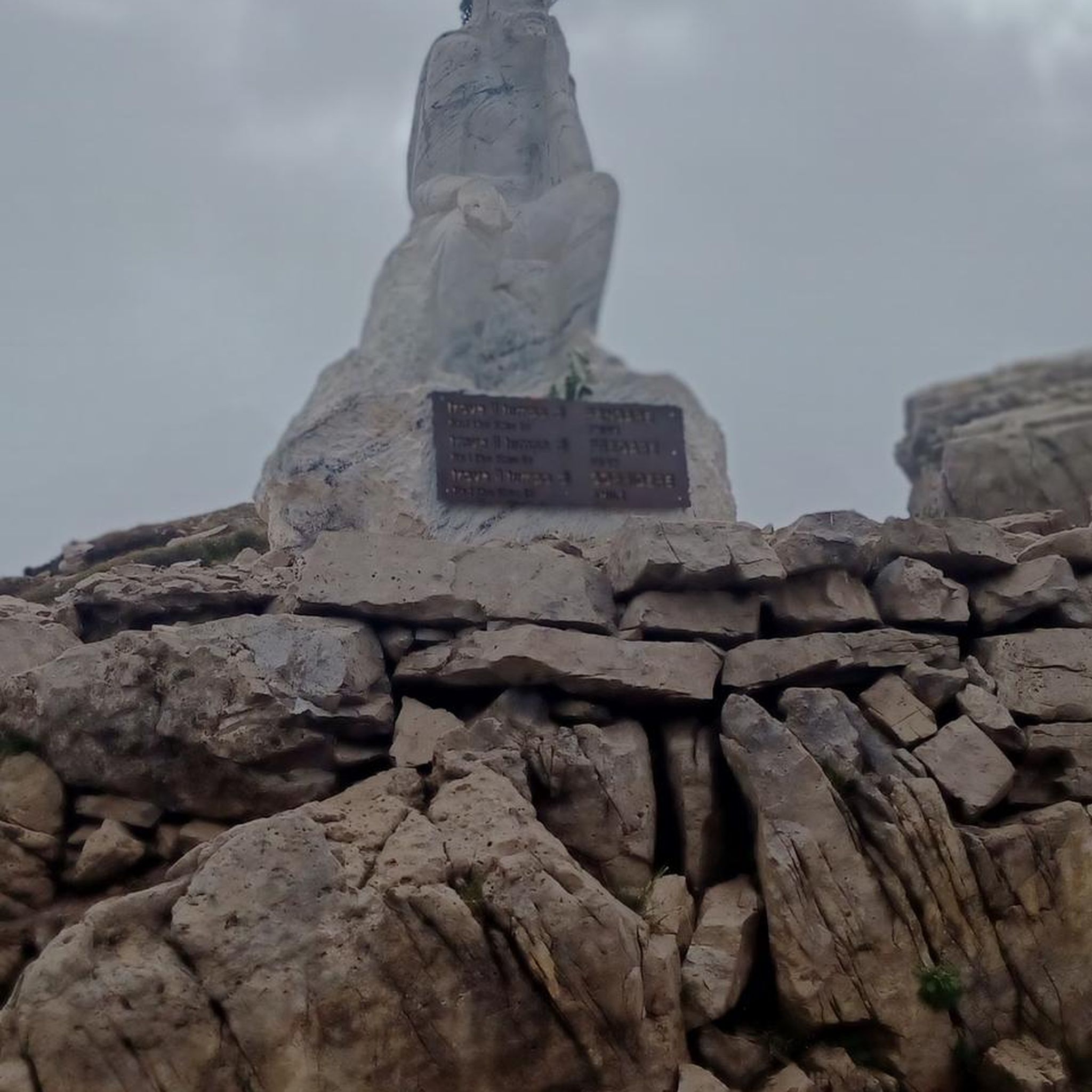
The seahorse which stands facing the sea at a place called Pors ar Stréat has become over time an emblem of Plouescat. This beautiful sea animal was sculpted at the end of the 1980s, by a local stonemason, in a block of granite extracted from the Plouescataise quarry of Kerzéan, at the initiative of a sculptor participating in the exhibition of summer art of the time, Plouesc'Art. Exhibited for a summer in the courtyard of the Anita-Conti school, the seahorse, purchased by the municipality, was installed for a long time in the heart of the village, before finding its definitive place, since 2005, by the sea .
1
0

The poor seahorse was once the center of Plouescat. It was banned from there for unknown reasons. Now it stands here in Porsmeur, steadfastly defying the tidal environment. A place worth seeing!
0
0
Frequently Asked Questions
What historical landmarks can I visit near Saint-Vougay?
The region around Saint-Vougay is rich in history. A prominent site is the magnificent Château de Kerjean, a Renaissance castle built between 1570 and 1590, featuring 25 rooms, a chapel, and extensive grounds. You can also explore the 16th-century Saint-Vougay Church, known for its Léonard-style bell tower. Other historical sites include Corps de Garde de Lavillo, a 18th-century coastal guardhouse, and the Covered Market of Plouescat, which stands alongside a large neo-Gothic parish church.
Are there any notable religious sites in the Saint-Vougay area?
Yes, the area features several significant religious buildings. The Saint-Vougay Church, dating back to the 16th century, was remodeled in 1628 and 1834 and houses 17th-century baptismal fonts. You can also visit Église Saint-Pierre Plouescat, a large neo-Gothic church built in 1864, and the Saint Ediltrude Church, which was rebuilt in 1725 and has a bell from 1776.
Where can I find natural spaces for walks or relaxation near Saint-Vougay?
The 20-hectare natural park surrounding the Château de Kerjean offers a pleasant space for walks, including a 3 km 'Circuit de Kerjean' that winds through the forest and around a pond. The broader Finistère department, easily accessible from Saint-Vougay, is known for its diverse landscapes, including soft and wild beaches, and the vast Armorique Regional Natural Park for more extensive exploration.
Are there family-friendly attractions around Saint-Vougay?
Many attractions in the area are suitable for families. Exploring the grounds of the Château de Kerjean and its park can be a fun outing. The Porsmeur Seahorse, a unique granite sculpture facing the sea, is a popular and engaging spot for all ages. Additionally, the Covered Market of Plouescat and Église Saint-Pierre Plouescat are also considered family-friendly.
What unique man-made monuments can I see in the area?
A truly unique man-made monument is the Porsmeur Seahorse. This granite sculpture, created in the late 1980s by a local stonemason, stands facing the sea and has become an emblem of Plouescat. It's a distinctive piece of art with an interesting local history.
What outdoor activities can I do near these attractions?
The region offers various outdoor activities. You can find numerous running trails, such as the 'Kerjean Castle loop from Saint-Vougay' or the '6 km Route loop from Saint-Vougay'. For cycling enthusiasts, there are gravel biking routes like the 'Menhir de Cam Louis – Corps de Garde de Lavillo loop from Plouescat', and MTB trails including the 'Kernic Bay – Porsmeur Seahorse loop from Plouescat'. You can find more details on these routes in the Running Trails around Saint-Vougay, Gravel biking around Saint-Vougay, and MTB Trails around Saint-Vougay guides.
Are there hiking trails near Saint-Vougay?
Yes, the area provides several options for hiking and walking. The park surrounding the Château de Kerjean features a marked 3 km 'Circuit de Kerjean'. For longer excursions, the broader Finistère department offers extensive hiking territories. You can explore various running and walking routes, such as the 'Kerjean Castle loop from Saint-Vougay', which is a moderate 14 km route. More trails are detailed in the Running Trails around Saint-Vougay guide.
What do visitors enjoy most about the attractions around Saint-Vougay?
Visitors particularly appreciate the blend of historical depth and natural beauty. The unique Porsmeur Seahorse is often highlighted as a charming and memorable spot. The historical significance of sites like the Château de Kerjean and the coastal defense history of Corps de Garde de Lavillo also draw considerable interest. The community has shared over 17 photos and given more than 160 upvotes for these attractions, indicating a high level of satisfaction.
Can I find viewpoints with scenic vistas in the Saint-Vougay area?
Yes, the coastal location of some attractions offers scenic viewpoints. The Porsmeur Seahorse is situated facing the sea, providing picturesque views of the coastline. Similarly, the Corps de Garde de Lavillo, originally built for coastal surveillance, also offers excellent vantage points over the surrounding waters and landscape.
Are there any less crowded attractions to explore?
While the Château de Kerjean is popular, its extensive park offers ample space for a peaceful visit. For a quieter historical experience, the Saint-Vougay Church and the nearby location known as 'Coz Iliz' (the Old Church) with its devotional fountain of Saint Edultride offer a glimpse into local heritage away from larger crowds. Exploring the smaller coastal towns and their less-frequented beaches in the broader Finistère region can also provide a more serene experience.
What kind of cycling routes are available near Saint-Vougay?
The area around Saint-Vougay is well-suited for various cycling activities. You can find gravel biking routes, such as the 'Porsmeur Seahorse – Porsguen Beach loop from Moguériec' which is a moderate 30.5 km ride. For mountain biking, there are trails like the 'Kerjean Castle – Kerjean Castle loop from Bodilis', an easy 18 km route. More detailed information and routes can be found in the Gravel biking around Saint-Vougay and MTB Trails around Saint-Vougay guides.
What is the significance of the Corps de Garde de Lavillo?
The Corps de Garde de Lavillo is a historical guardhouse built between 1730 and 1740. It was part of a coastal defense system designed by Vauban in the 17th century to monitor passing boats and protect the coast. Concealed behind rocks, its purpose was to remain hidden from potential enemies at sea, with militiamen using coded signals to alert authorities of suspicious movements.
Most popular routes around Saint-Vougay

Get inspired with the komoot mobile app


Explore more
Still not found the Highlight you’re looking for? See guides of the top attractions in other regions:
