Attractions and Places To See around Doue - Top 20
Best attractions and places to see around Doue include a blend of historical landmarks, unique troglodytic sites, and cultural attractions. This region is particularly known for its underground heritage, featuring ancient dwellings and quarries. Doue also has a significant role in rose cultivation, adding a natural and cultural dimension to its offerings. The area provides diverse points of interest for exploration.
Best attractions and places to see around Doue
- The most popular attractions is Bitibout Coast, a scenic hill…
Last updated: July 15, 2026
Saint-Martin de Doue church
Highlight • Other
Translated by Google •
Tip by

Saint-Authaire Church
Highlight • Other
Translated by Google •
Tip by

Sign up now to discover places like this
Get recommendations on the best single tracks, peaks, & plenty of other exciting outdoor places.
Sign up for free
The crypts of Jouarre
Highlight • Historical Site
Dating from the 7th century AD, the crypt is one of the oldest in Europe. It …
Translated by Google •
Tip by
Bitibout Coast
Highlight (Segment) • Other
Translated by Google •
Tip by

The Templar Commandery
Highlight • Historical Site
Translated by Google •
Tip by

Sign up for free to discover even more attractions around Doue.
Sign up for free
Already have an account?
Start today with a free account
Your next adventure awaits.
Login or Signup



Tips from the Community

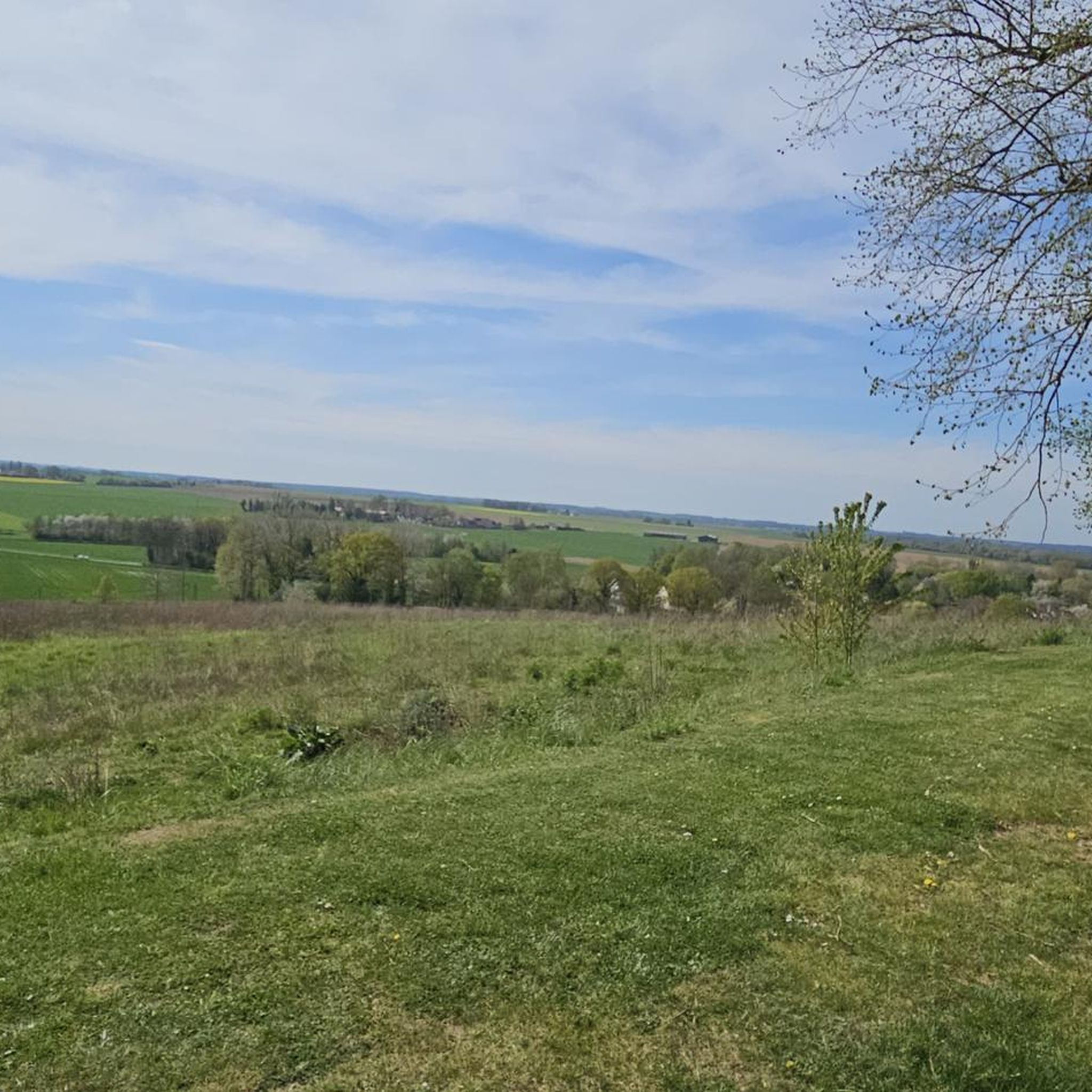
Very beautiful view that is well worth it!!! My Wahoo is seeing red!
0
0

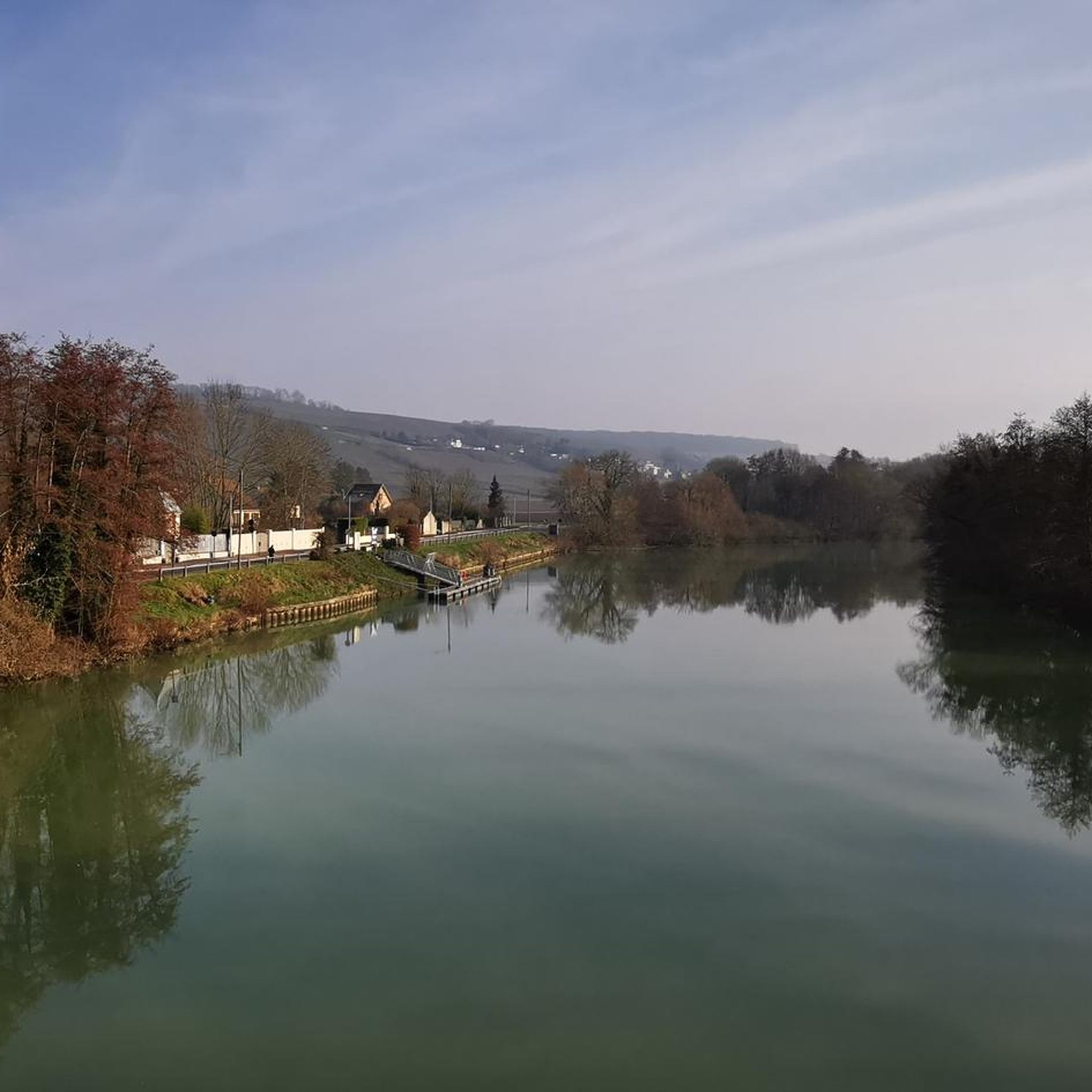
Colomban of Luxeuil, also known as Saint Colomban, was an Irish monk who evangelized the rural populations of Gaul, Germany, Helvetia and Italy in the Middle Ages. In the life of Saint Colomban, written around 640, the monk Jonas of Bobbio indicates that Colomban and his companions were welcomed by the family of Authaire, an aristocrat at the court of Austrasia. The domus where this servant of Théodebert (or Thibert), king of Austrasia and friend of Colomban, resided, is said to be located in the commune of Ussy-sur-Marne. In the church, a 19th-century stained glass window reminds us of this meeting. The church is listed as a Historic Monument for its nave dating from the 11th and 12th centuries, as well as for the stained glass windows of its chapel of the Virgin dating from the 16th century.
0
0
A journey through time in the Jouarre crypt, a unique Merovingian jewel in Europe! Dating from the 7th century AD, the crypt is one of the oldest in Europe. It was built during the second half of the 7th century, during the Merovingian era, at the request of Bishop Agilbert under the reign of Clotaire III. The Crypt contains the tombs of the founding family of the Abbey of Notre Dame de Jouarre, founded around 635. The Merovingian sculpture in the crypt rests on two rows of three Gallo-Roman columns, topped by magnificent Merovingian capitals in white marble. So come to Jouarre to discover the history of a crypt reflecting the prosperous era of the village! Full price: €4. Free for children under 6. Opening hours: Wednesday, Friday and Saturday from 9:30 a.m. to 12:30 p.m. and from 2 p.m. to 5:30 p.m. Closed on Monday, Tuesday, Thursday and Sunday.
0
0

13% on one side and 9% on the other because it is located on a hill.
0
0
Built between the 12th and 15th centuries, the Commanderie des Templiers constitutes the best preserved Templar ensemble north of the Loire. The Templar and then Hospitaller Commandery experienced eight centuries of incessant human occupation. The current buildings, remodeled over the centuries, are arranged around a large rectangular courtyard where the tithe barn, the dovecote, the commander's dwelling and the Sainte Anne chapel, decorated with 13th century murals, are located. Listed in the supplementary inventory of Historic Monuments in 1932 and classified as a Historic Monument in 1994 due to its rarity, it is today the subject of much attention. There is also a medieval garden designed in 1993 in collaboration with the Yves Rocher Foundation. This 4000m² space is organized around four themed squares including vegetable garden, bouquet flowers, medicinal and technical plants.
0
0

Located on a high point, lovely view guaranteed
1
0

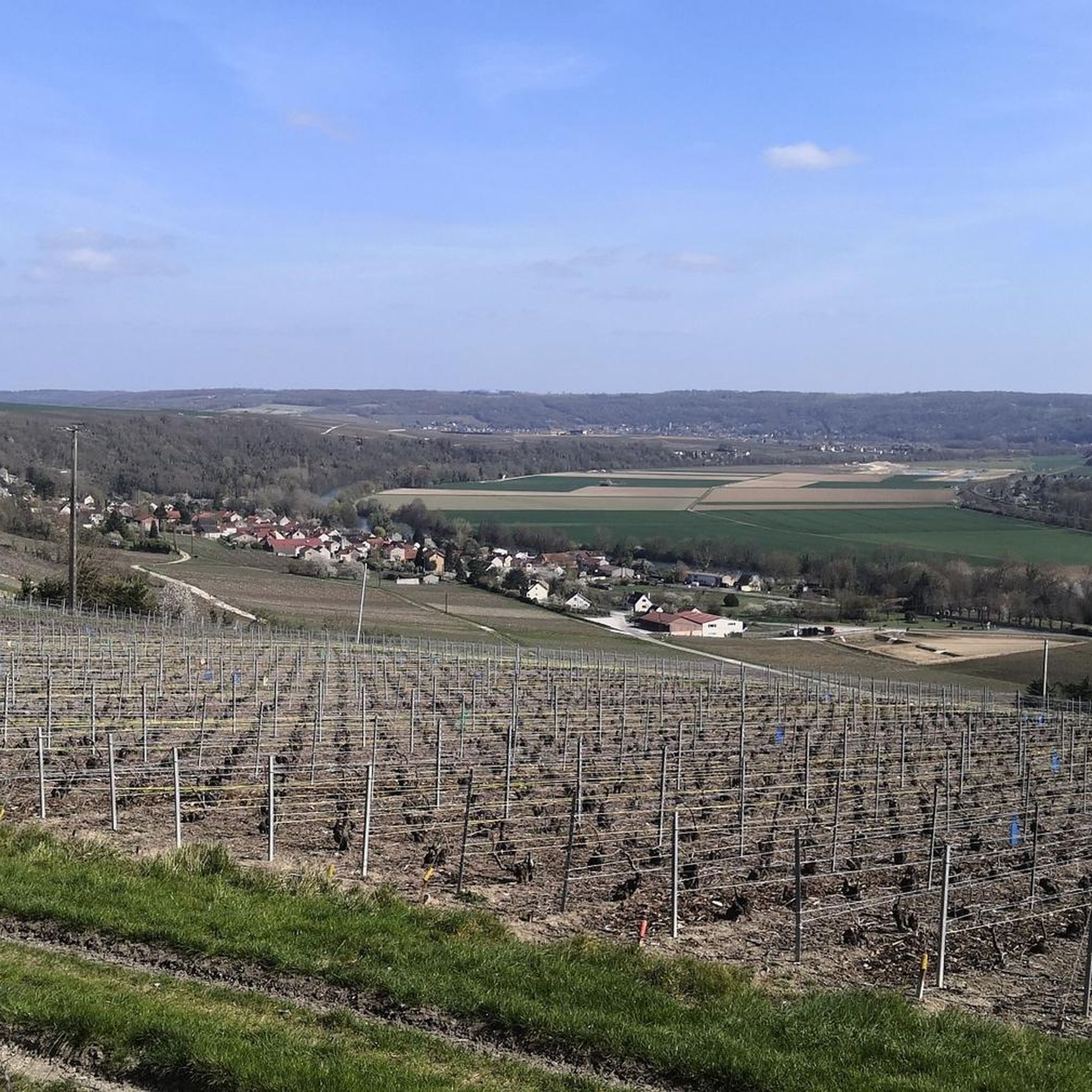
This church is distinguished by its location at the top of the Butte de Doue. In addition to offering beautiful views, this place of particular geological interest allows you to learn about the sedimentary layers of the region.
0
0

One of the most beautiful vestiges of the Middle Ages that you can visit. One of the best preserved commanderies in France!
1
0
Frequently Asked Questions
What historical sites and landmarks can I explore in Doué-la-Fontaine?
Doué-la-Fontaine is rich in history. You can visit the remains of the 9th-century Carolingian *aula* at the Château de Doué-la-Fontaine, or see the rare Carolingian House, a preserved civil building from around 900 AD. Don't miss Saint-Authaire Church, with its 11th and 12th-century nave, or The Templar Commandery, one of the best-preserved Templar ensembles north of the Loire.
Are there any unique underground attractions or troglodytic sites to visit?
Yes, Doué-la-Fontaine is famous for its unique underground heritage. Explore Troglodytes et Sarcophages, a site showcasing various uses of troglodyte dwellings, including an underground refuge and a Merovingian sarcophagus quarry. You can also experience Le Mystère des Faluns, immense ogival caves with artistic light and sound installations, or discover the history of sand extraction and troglodytic life at Les Troglos de la Sablière.
What cultural attractions are available in the area?
For cultural insights, visit the Musée aux Anciens Commerces, which reconstructs shops from 1850-1950. The Terre de Rose site offers a rose garden, distillery, and ecomuseum, celebrating Doué-la-Fontaine's renown for rose cultivation. You can also find the ancient Washhouse, the oldest and largest in western France.
What kind of natural features can I see around Doué-la-Fontaine?
The region offers interesting natural features, including the unique geology of the Faluns, a thick layer of shelly limestone. You can also visit the scenic Bitibout Coast, a peaceful hill with a notable 100-meter vertical drop. The historic Douet Spring, believed to be the origin of the town's name, is also a point of interest.
Are there family-friendly activities or attractions in Doué-la-Fontaine?
Absolutely! The Bioparc de Doué-la-Fontaine is a unique zoological park set within ancient quarries, offering an immersive experience focused on endangered species, which is great for families. The Musée aux Anciens Commerces and Terre de Rose also provide engaging experiences for all ages.
What outdoor activities, like hiking or cycling, can I do near these attractions?
You'll find various outdoor activities around Doué-la-Fontaine. For mountain biking, explore routes like the 'Côte de Jouarre loop from Doue' or 'Saint-Martin de Doue church loop'. If you prefer gravel biking, try the 'Jouarre Abbey – Fromagerie Ganot loop'. There are also running trails, such as the 'Running loop from Saint-Denis-lès-Rebais'. You can find more details on these and other routes in the MTB Trails around Doue, Gravel biking around Doue, and Running Trails around Doue guides.
What is the best time of year to visit Doué-la-Fontaine's attractions?
Doué-la-Fontaine offers attractions year-round. For outdoor activities and enjoying the rose gardens at Terre de Rose, spring and summer are ideal. The unique underground sites like Le Mystère des Faluns and Troglodytes et Sarcophages provide a fascinating experience regardless of the weather, making them suitable for any season.
Are there any hidden gems or lesser-known spots worth discovering?
Beyond the main attractions, consider visiting the small village of Saint-Cyr-sur-Morin, known for its connection to French writer Pierre Mac Orlan. The Douet Spring, with its historical sacredness, also offers a tranquil and unique local experience.
What do visitors enjoy most about the attractions in Doué-la-Fontaine?
Visitors particularly appreciate the unique blend of history and nature. The Bitibout Coast is loved for its peace and shade, while The Templar Commandery is praised as one of the most beautiful and best-preserved vestiges of the Middle Ages. The immersive experience of the Bioparc and the historical depth of the troglodytic sites also receive high regard.
Is there parking available for the main attractions in Doué-la-Fontaine?
Most major attractions in Doué-la-Fontaine, such as the Bioparc, Troglodytes et Sarcophages, and Le Mystère des Faluns, provide dedicated parking facilities for visitors. It's always a good idea to check the specific attraction's website for detailed parking information before your visit.
Are there any religious or spiritual sites of interest?
Yes, the Saint-Authaire Church is a significant religious building with a nave dating from the 11th and 12th centuries, listed as a Historic Monument. Additionally, The crypts of Jouarre offer a journey through time, being a unique Merovingian jewel in Europe with tombs dating from the 7th century AD.

Get inspired with the komoot mobile app


Explore more
Still not found the Highlight you’re looking for? See guides of the top attractions in other regions:
