Attractions and Places To See around Déols - Top 11
Best attractions and places to see around Déols include a rich array of historical landmarks, cultural sites, and natural areas within the Indre department of France. This commune, once a significant medieval town, features a heritage rooted in religious and military history. Visitors can explore ancient abbeys, fortified gates, and serene natural spaces along the Indre River. The area offers a blend of historical exploration and outdoor activities.
Best attractions and places to see around Déols
- The most popular attractions…
Last updated: July 15, 2026
Châteauroux
Highlight • Castle
Translated by Google •
Tip by

Cordeliers Convent
Highlight • Other
Translated by Google •
Tip by

Sign up now to discover places like this
Get recommendations on the best single tracks, peaks, & plenty of other exciting outdoor places.
Sign up for free
Hiking in the Poinçonnet forest
Highlight • Other
Translated by Google •
Tip by
Saint-André Church
Highlight • Religious Site
This beautiful "white" church has recently been restored.
Translated by Google •
Tip by
Déols Abbey
Highlight • Religious Site
Inspired by medieval horticultural treatises, the abbey's medieval garden consists of twelve squares, planted and surrounded by hedges. They symbolize the twelve apostles of Christianity.
Translated by Google •
Tip by
Sign up for free to discover even more attractions around Déols.
Sign up for free
Already have an account?
Start today with a free account
Your next adventure awaits.
Login or Signup


Tips from the Community

A peaceful medieval monastery with simple architecture, beautiful terraced gardens, and views of the city and river. A wonderful stop on your walk to pause, soak up the atmosphere, and enjoy the history and greenery together.
3
0
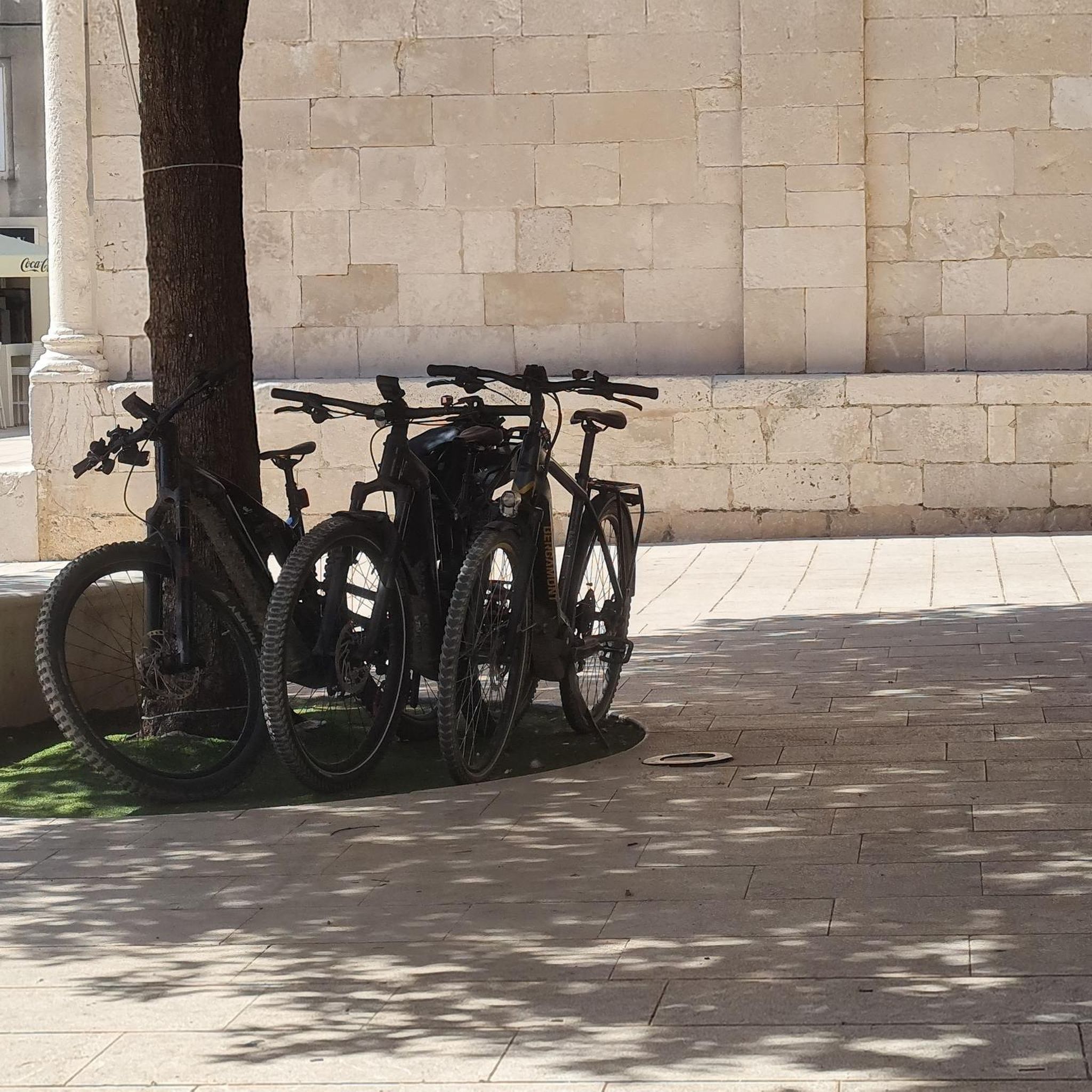
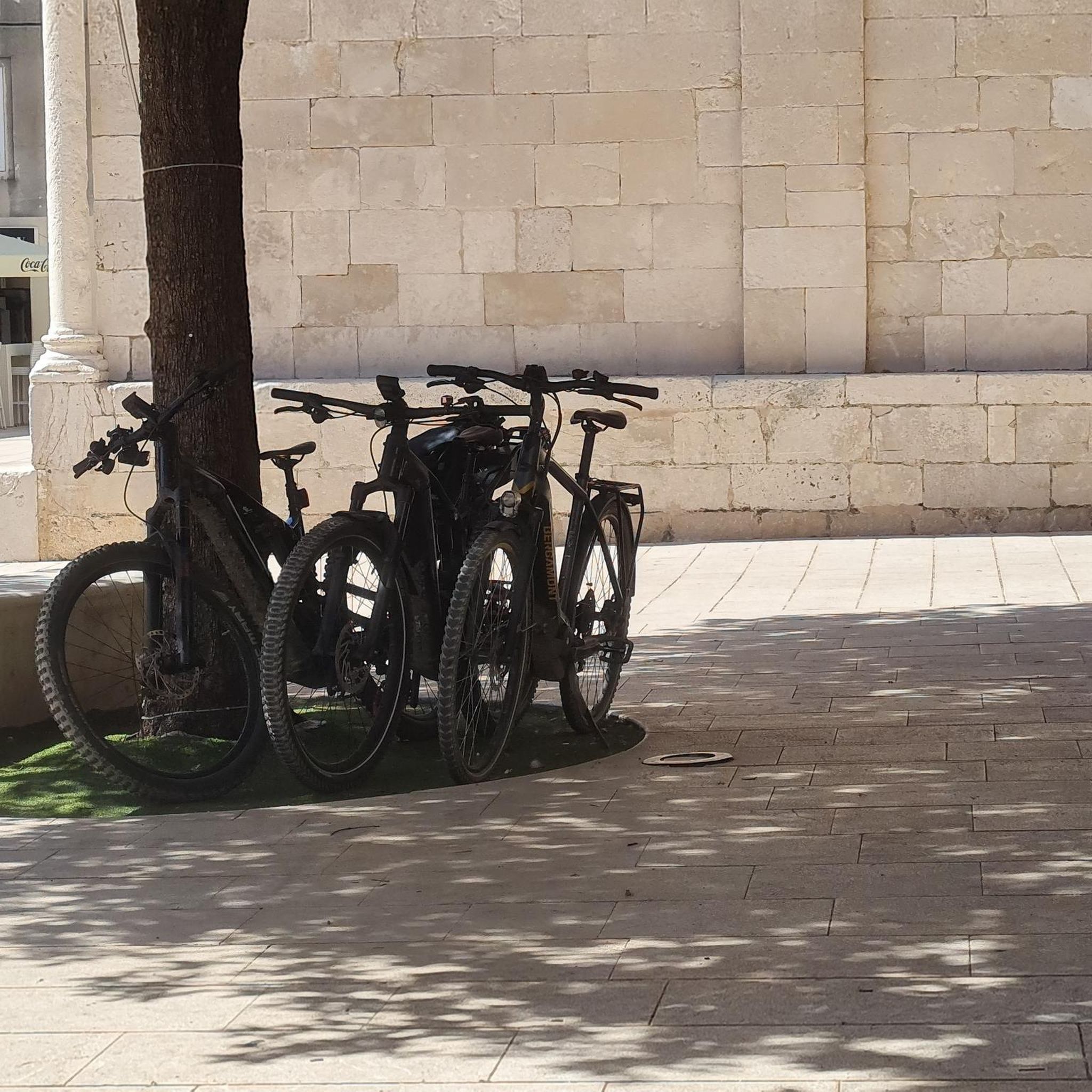
The Châteauroux Forest (around Le Poinçonnet) is a truly beautiful place to hike, get some fresh air, and escape the hustle and bustle. There are many hiking, running, and mountain biking trails, ranging from easy to medium in distance and difficulty.
2
0
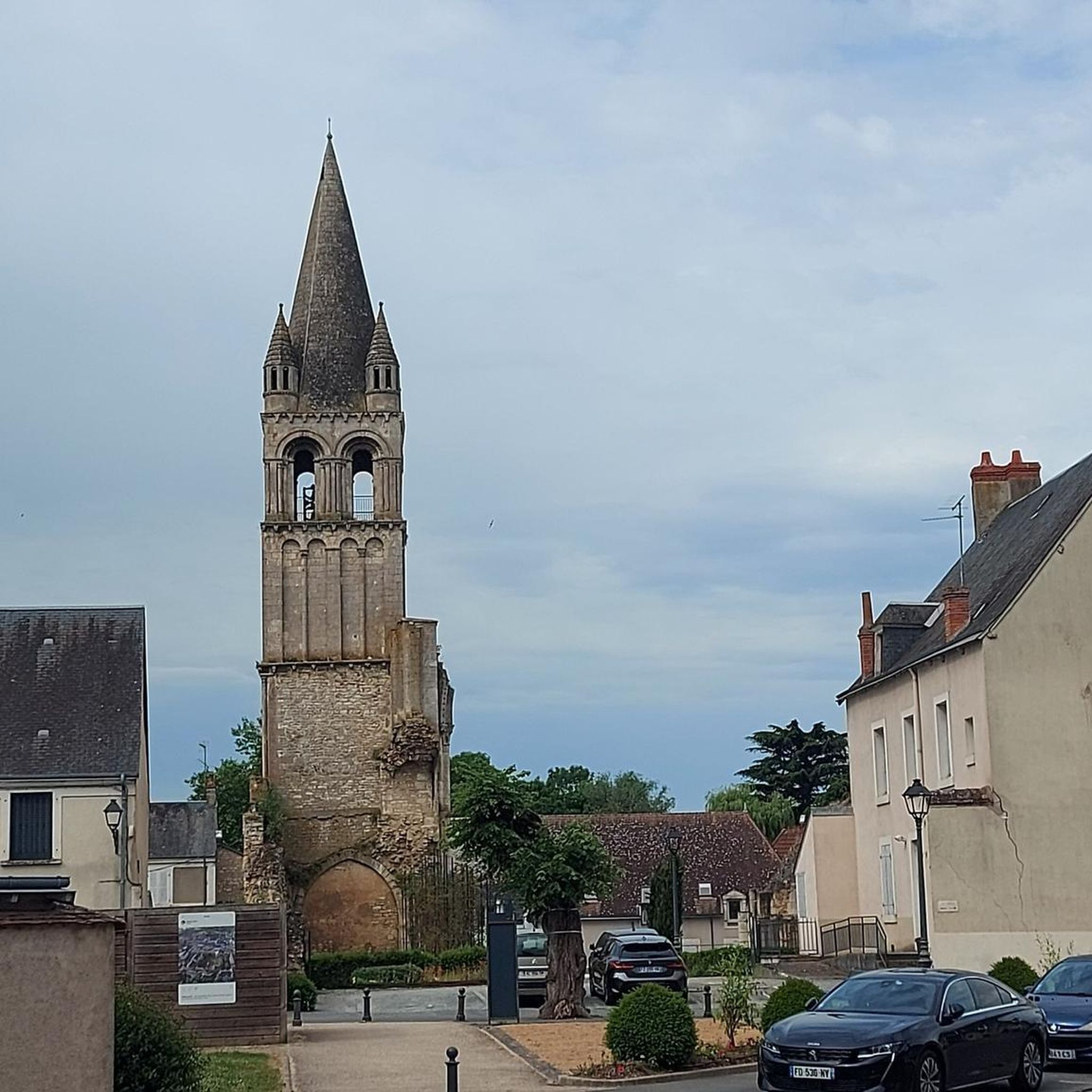
In Déols, this bell tower is the only remnant of an earlier era. Inspired by medieval horticultural treatises, the abbey's medieval garden consists of twelve squares, planted and surrounded by hedges. They symbolize the twelve apostles of Christianity. Visitors can admire three distinct areas: the herb garden with plants used in medieval pharmacopoeias, the love garden inspired by medieval poetry and courtly love, and the heavenly garden dedicated to the Virgin Mary, the abbey's symbol.
2
0
The Saint-André de Châteauroux church is a neo-Gothic church dating from the late 187th century (with double spires), often nicknamed "cathedral" due to its size. This beautiful "white" church has recently been restored.
1
0

Châteauroux is a medieval town named after a nobleman, Raoul le Large, who built a castle on the banks of the Indre River. Over the centuries, the name Château Raoul evolved into Châteauroux. This historic town is also home to a Cluniac abbey founded in 917, whose grounds can be explored by canoe.
0
0
The Cordeliers de Châteauroux convent was founded in the 13th century by religious mendicants. Destroyed in the 16th century, the convent was not restored until 1975.
0
0
Chateauroux is a medieval city that takes its name from a nobleman, named Raoul le Large, who had a castle built on the banks of the Indre. Over the centuries, the name changed from Château Raoul to Chateauroux. This historic town is also home to a Cluniac abbey founded in 917, the surroundings of which can be visited by canoe.
1
0
The Couvent des Cordeliers de Chateauroux was founded in the 13th century by religious beggars. Destroyed in the 16th century, the convent was only restored in 1975.
0
0
Frequently Asked Questions
What historical sites can I explore in Déols?
Déols is rich in history. You can visit the impressive Abbey of Déols, once a powerful religious center, with its striking bell tower and Merovingian crypts. Don't miss the Abbey Museum of Déols and Lapidary Museum, showcasing Romanesque capitals. The Church with its two crypts (Église Saint-Étienne), built on a Gallo-Roman necropolis, is also significant. For a glimpse into medieval fortifications, explore the Clock Gate (Porte de l'Horloge) and the Pont-Perrin Gate (Porte du Pont-Perrin).
Are there any natural areas or parks to visit in Déols?
Yes, for nature lovers, the Ecopark of Chènevières (Éco-Parc des Chènevières) offers a tranquil preserved wetland area along the Indre River, perfect for a pleasant 4-kilometer walk. This park is part of the local green belt, which also includes the scenic Valley of Ebbes.
What kind of outdoor activities can I do near Déols?
The area around Déols is great for outdoor activities. You can find numerous options for hiking and mountain biking. For hiking, explore routes like the 'Châteauroux – Cordeliers Convent loop' or the 'Belle-Île, Châteauroux – Raoul Castle loop'. For more details on trails, check out the Hiking around Déols guide. Mountain biking enthusiasts can find trails in the Poinçonnet forest, with routes like 'Single in the forest – Le Poinçonnet and its forest loop'. More information is available in the MTB Trails around Déols guide.
Are there family-friendly attractions in Déols?
While specific family-focused attractions aren't highlighted, the natural spaces like the Ecopark of Chènevières offer easy walks suitable for families. Exploring the historical sites like the Abbey of Déols and its museum, or the fortified gates, can also be an engaging educational experience for older children.
Where can I find hiking trails with varying difficulty levels near Déols?
Déols offers 74 kilometers of rambling paths across five different itineraries, with lengths ranging from 6.8 to 23.8 kilometers, catering to various levels of exploration. You can find easy routes like the 'Moulin de Châteauroux – Guinguette de Belle-Isle loop' or more moderate ones such as the 'Châteauroux – Cordeliers Convent loop'. For a comprehensive list and details, refer to the Hiking around Déols guide.
What is there to see in the nearby city of Châteauroux?
The nearby city of Châteauroux is a medieval city with a rich history. It's home to the historic Raoul Castle, which gave the town its name, and a Cluniac abbey. The old town features many churches, castles, and museums worth seeing, and beautiful parks along the Indre River.
Can I visit a medieval monastery near Déols?
Yes, you can visit the Cordeliers Convent in Châteauroux. This peaceful medieval monastery features simple architecture, beautiful terraced gardens, and offers views of the city and river. It's a wonderful spot to pause and soak up the atmosphere and history.
Are there any specific viewpoints or scenic spots in the area?
While not explicitly designated as viewpoints, the terraced gardens of the Cordeliers Convent offer pleasant views of Châteauroux and the Indre River. Additionally, the Raoul Castle, standing above the Indre River, provides picturesque surroundings.
What is the significance of the Abbey of Déols?
The Abbey of Déols (Abbaye Notre-Dame-du-Bourg-Dieu), founded in 917, was once a powerful and influential Benedictine religious center, even associated with Cluny Abbey. It was a stop on the historical route to Santiago de Compostela and is notable for its remaining 42-meter high bell tower and two Merovingian crypts believed to house the tombs of Saint Ludres and Saint Léocade.
What is the best time of year to visit Déols attractions?
The Indre region, where Déols is located, generally offers pleasant weather for exploring historical sites and natural areas from spring through autumn. These seasons provide comfortable temperatures for walking and enjoying the outdoor parks and trails. Autumn, in particular, can be beautiful for walks with changing foliage.
Are there any unique historical features like fortified gates in Déols?
Déols preserves two significant fortified gates from the 15th century. The Clock Gate (Porte de l'Horloge), with its two towers and machicolations, served as the northern entrance to the town and houses a 600 kg bell. The Pont-Perrin Gate (Porte du Pont-Perrin), on the south side, was part of the pilgrim route to Santiago de Compostela, with remnants of its bridge still visible.
What is the 'Treasure Room' in Déols?
The Treasure Room is a mysterious 12th-century chamber located adjacent to the Abbots' Chapel within the Abbey complex. It features a distinctive groin vault and is now partially submerged, adding to its enigmatic appeal.

Get inspired with the komoot mobile app


Explore more
Still not found the Highlight you’re looking for? See guides of the top attractions in other regions:
