Attractions and Places To See around Beauvoir - Top 20
Attractions and places to see around Beauvoir offer a range of historical sites and natural features. This region, located in Seine-et-Marne, France, is characterized by its historical castles, fortified farms, and natural landscapes including forests and rivers. Visitors can explore centuries-old architecture and engage with the local environment. The area provides opportunities for discovering built heritage and natural points of interest.
Best attractions and places to see around Beauvoir
- The most popular attractions is Château du Vivier, a castle…
Last updated: November 20, 2026
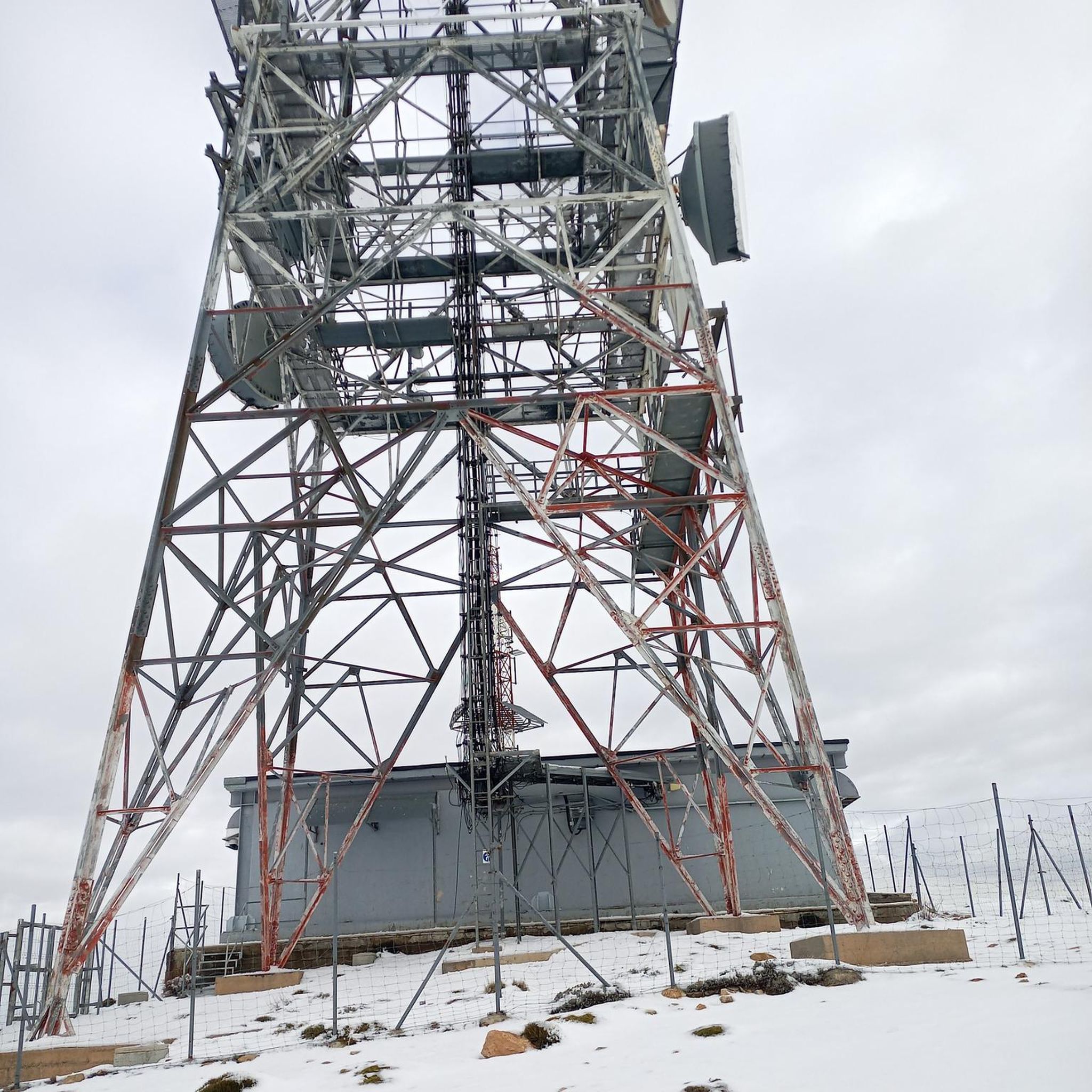
Solers viaduct. Railway disaster of August 1918.
Highlight • Other
Translated by Google •
Tip by

Château du Vivier
Highlight • Castle
Translated by Google •
Tip by

Sign up now to discover places like this
Get recommendations on the best single tracks, peaks, & plenty of other exciting outdoor places.
Château de Monceau
Highlight • Castle
Translated by Google •
Tip by

Barneau Ford
Highlight • River
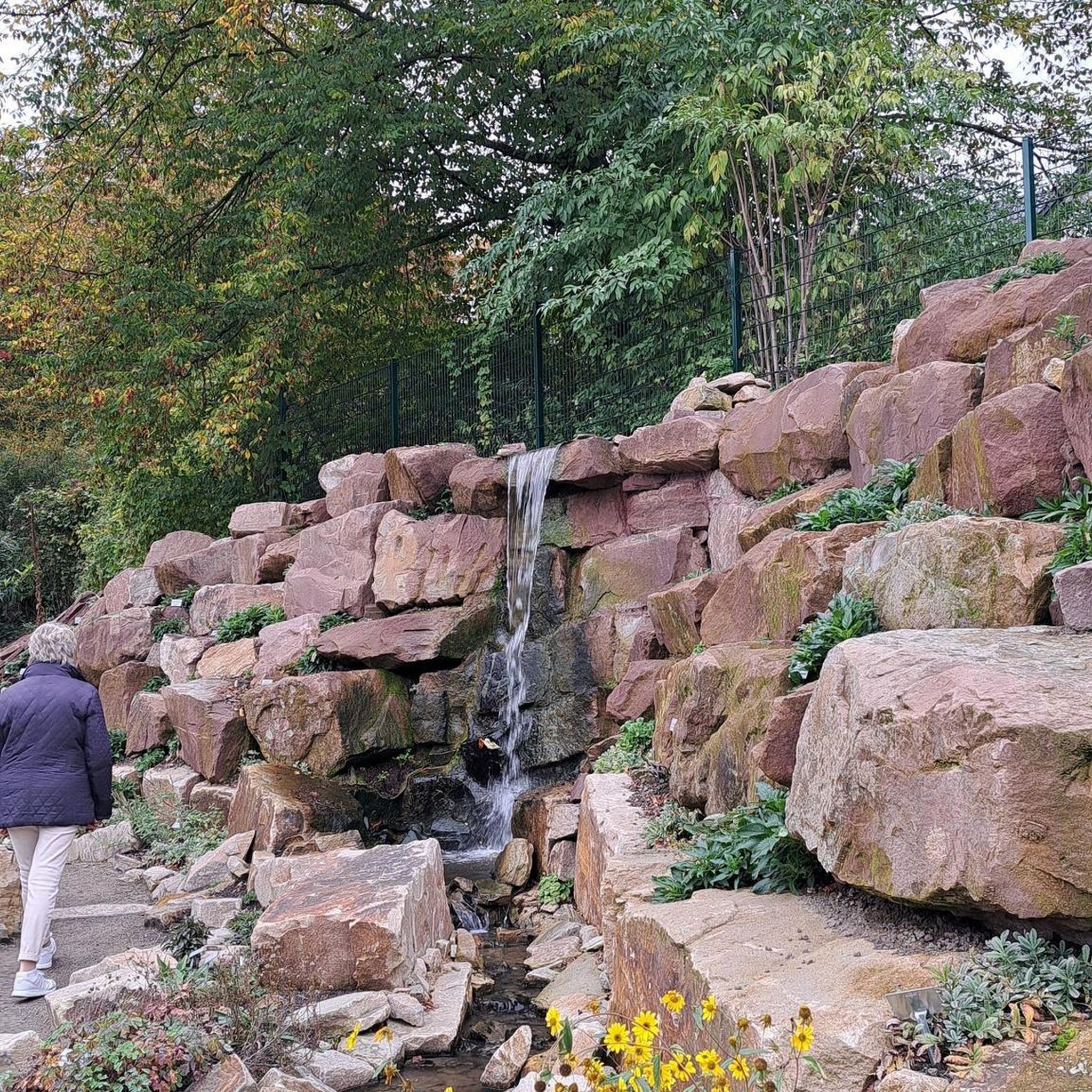
Be careful, a lot of seaweed, it's slippery.
Translated by Google •
Tip by

Le Moulin Choix de Gastins
Highlight • Other
We go around it on foot, which allows us to contemplate it.
Translated by Google •
Tip by

Sign up for free to discover even more attractions around Beauvoir.
Already have an account?
Start today with a free account
Your next adventure awaits.


Tips from the Community

This former ruined 13th century castle was extensively renovated in the 20th century. Today it is a reception venue.
0
1

Great place for a refreshing break
0
0

Very easy to access from the Gastins exit going towards Chapelle Iger or the opposite... We go around it on foot, which allows us to contemplate it. It is the only mill in France to have preserved this mechanism, which is why it was classified as a Historic Monument (including its mechanism) in 1970. The Choix mill depended in the 13th century on the abbey of Jouy, which built large agricultural operations and in Gastins two windmills, in 1228. Among them is the mill called Chouaix or Choix, from the name of a disappeared hamlet . This mill which has come down to us was then often rebuilt and its current construction dates from the 17th century. It bears two dates on its doors: 1668 on the north door and 1828 on its south door. It is built at an altitude of 132 meters. Its tower is 8 m high and 6 m in diameter. Its rack and pinion wings, built in 1845, are of the Berton type, the first model with rack, mill-tower and pivot with rotating cap. The roof is attached to the wings, made of chestnut wood tiles, called “essentes”, fixed with copper nails. The roof turns on a circle of wood located at the top of the tower. The tail, a large wooden beam, acts as a counterweight to the wings and allows the roof to be moved. He uses two pairs of grindstones from the Ferté-sous-Jouarre region, in the north of Seine-et-Marne, where there are sandstone quarries. It was restored by an association during the 1970s and officially returned to the wind on September 10, 1977. source: https://www.brienangissienne.fr/Le-Moulin-Choix-de-Gastins.html
0
0


According to the archives of the castle library, the first seigniory of Le Monceau dates back to 1191. From this period, there are still ponds, bridges and vaulted cellars on the estate. Today, exceptional trees adorn the estate. In addition, the 150 ha of woods and 20 ha of pond are conducive to welcoming wildlife, and it is not uncommon to come across a deer, fallow deer or wild boar.
1
0

Don't forget to salute the horses just before!
0
0
The Solers rail accident, which occurred on August 10, 1918, took place in Solers in the department of Seine-et-Marne. It killed 24 people and injured 61. A hundred horses were also killed. Circumstances of the accident The drama occurs on the night of August 10, 1918 at 3:30 a.m. on the old line from Paris-Bastille to Marles-en-Brie. A train coming from Paris came to a standstill following a coupling failure on the Solers viaduct. The chef de train leaves to cover him at the back with the help of a light signal and firecrackers placed on the track. Despite this device, a train going in the same direction a few minutes apart fails to stop in time and collides with the stationary convoy. Under the impact, two wagons were thrown onto the adjoining track when a third train arrived in the opposite direction. This derailed, and some of its wagons broke through the parapet and fell into the Yerres six meters below. The victims were transported to Coubert-Soignolles station, the closest to the scene of the tragedy, where the wounded were dressed before being transferred to Melun hospital, where five died. Although the press of the time put the death toll of the disaster at twenty-nine, it seems today that it was twenty-four, including nineteen killed instantly and buried in Solers, and five having succumbed to their wounds and buried in Melun. There were also sixty-one wounded, one missing, and a hundred horses killed. The first two trains carried artillerymen from the 101st heavy artillery regiment from Lizy-sur-Ourcq to Révigny, the third carried soldiers from the 2nd regiment of Moroccan skirmishers from Maron to Rethondes in preparation for an attack scheduled for August 18. Eight of the latter will receive the military medal posthumously by decree of December 14, 1921.
0
0

The Château du Vivier is 45 km from Paris. In the middle of its 7-hectare park, the remains of this castle and the hundred-year-old trees offer a majestic and romantic landscape. In winter, the snow gives a new touch of magic to this site.
2
0
Frequently Asked Questions
What historical sites can I explore around Beauvoir?
Beauvoir is rich in history, offering several notable sites. You can visit the impressive Château du Vivier, a 14th-century castle set within a 7-hectare park. Another significant historical landmark is the Château de Monceau, which dates back to 1191 and features ancient ponds and vaulted cellars. Additionally, the Fief des Époisses, a 13th-century fortified house, is classified as a Historic Monument.
Are there any family-friendly attractions in Beauvoir?
Yes, Beauvoir offers attractions suitable for families. Both the Château du Vivier and the Château de Monceau are considered family-friendly. The Château du Vivier provides a beautiful park setting, while the Château de Monceau's extensive woods and ponds are home to wildlife like deer, which can be exciting for children to spot.
What natural features can I discover around Beauvoir?
The area around Beauvoir features natural elements like the Barneau Ford, a unique river crossing with an adjacent footbridge. The Château de Monceau also boasts 150 hectares of woods and 20 hectares of pond, creating a natural habitat for local wildlife.
What kind of cycling routes are available near Beauvoir?
Beauvoir is a great starting point for various cycling adventures. You can find numerous routes for mountain biking, road cycling, and general touring. Explore options like 'The Chemin des Roses' or routes that pass by the Château du Vivier. For detailed routes and maps, check out the dedicated guides for MTB Trails around Beauvoir, Road Cycling Routes around Beauvoir, and Cycling around Beauvoir.
Are there any viewpoints or scenic spots in the area?
The Château du Vivier is noted as a viewpoint, offering a majestic and romantic landscape within its 7-hectare park. The surrounding countryside, with its historical castles and natural river features, also provides many picturesque settings for scenic views.
What is the significance of the Solers viaduct?
The Solers viaduct is a site of historical significance due to a tragic railway disaster that occurred there on August 10, 1918. This event resulted in 24 fatalities and 61 injuries, making it a poignant historical landmark in the region.
What are the best places to see ancient architecture in Beauvoir?
For ancient architecture, the Château du Vivier, with its 14th-century remains, and the Château de Monceau, dating back to 1191, are excellent choices. The Fief des Époisses also showcases a well-preserved 13th-century fortified house.
Can I find forests or natural parks near Beauvoir?
Yes, the Château de Monceau estate includes 150 hectares of woods, providing a natural environment to explore. The broader region of Seine-et-Marne, where Beauvoir is located, is known for its natural landscapes, including forests and rivers.
What do visitors enjoy most about the attractions around Beauvoir?
Visitors particularly appreciate the blend of historical grandeur and natural beauty. The ancient castles like Château du Vivier and Château de Monceau are highly rated for their historical significance and picturesque settings. The unique natural features, such as the Barneau Ford, also offer memorable experiences.
Are there any unique natural crossings or river features to see?
Yes, the Barneau Ford is a distinctive natural feature, offering a river crossing with an adjacent footbridge. It's a spot where you can experience the local river environment firsthand, though it's advised to be careful of slippery algae if crossing the ford itself.
What kind of wildlife can I expect to see around Beauvoir?
At the Château de Monceau, with its extensive woods and ponds, it's not uncommon to encounter local wildlife such as deer, fallow deer, and wild boar. The natural landscapes surrounding Beauvoir generally support a variety of local fauna.
Most popular routes around Beauvoir
Most popular attractions around Beauvoir

Get inspired with the komoot mobile app


Explore more
Still not found the Highlight you’re looking for? See guides of the top attractions in other regions:
