Top 9 Castles around Yèbles
Best castles around Yèbles are found within the surrounding Seine-et-Marne region, offering a rich historical landscape. This area features a diverse collection of structures, from medieval fortresses to opulent classical estates. The region's geography includes parks, forests, and agricultural lands, providing varied settings for these historical sites. These landmarks offer insight into centuries of French history and architectural evolution.
Best castles around Yèbles
- The most popular castles is Château du Vivier, a castle set within a 7-hectare park with…
Last updated: May 10, 2026
Château de Vaux-le-Vicomte
Highlight • Castle
Translated by Google •
Tip by

Château du Vivier
Highlight • Castle
Translated by Google •
Tip by
Sign up now to discover places like this
Get recommendations on the best single tracks, peaks, & plenty of other exciting outdoor places.
Sign up for free
Blandy‑les‑Tours Castle
Highlight • Castle
Translated by Google •
Tip by
Château de Monceau
Highlight • Castle
Translated by Google •
Tip by

Fief des Époisses
Highlight • Historical Site
Translated by Google •
Tip by

Sign up for free to discover even more castles around Yèbles.
Sign up for free
Already have an account?
Start today with a free account
Your next adventure awaits.
Login or Signup

Tips from the Community

Vaux-le-Vicomte Castle is beautiful 😉. Absolutely recommended 👍.
0
0

a beautiful perspective - worth stopping by or visiting!
0
0
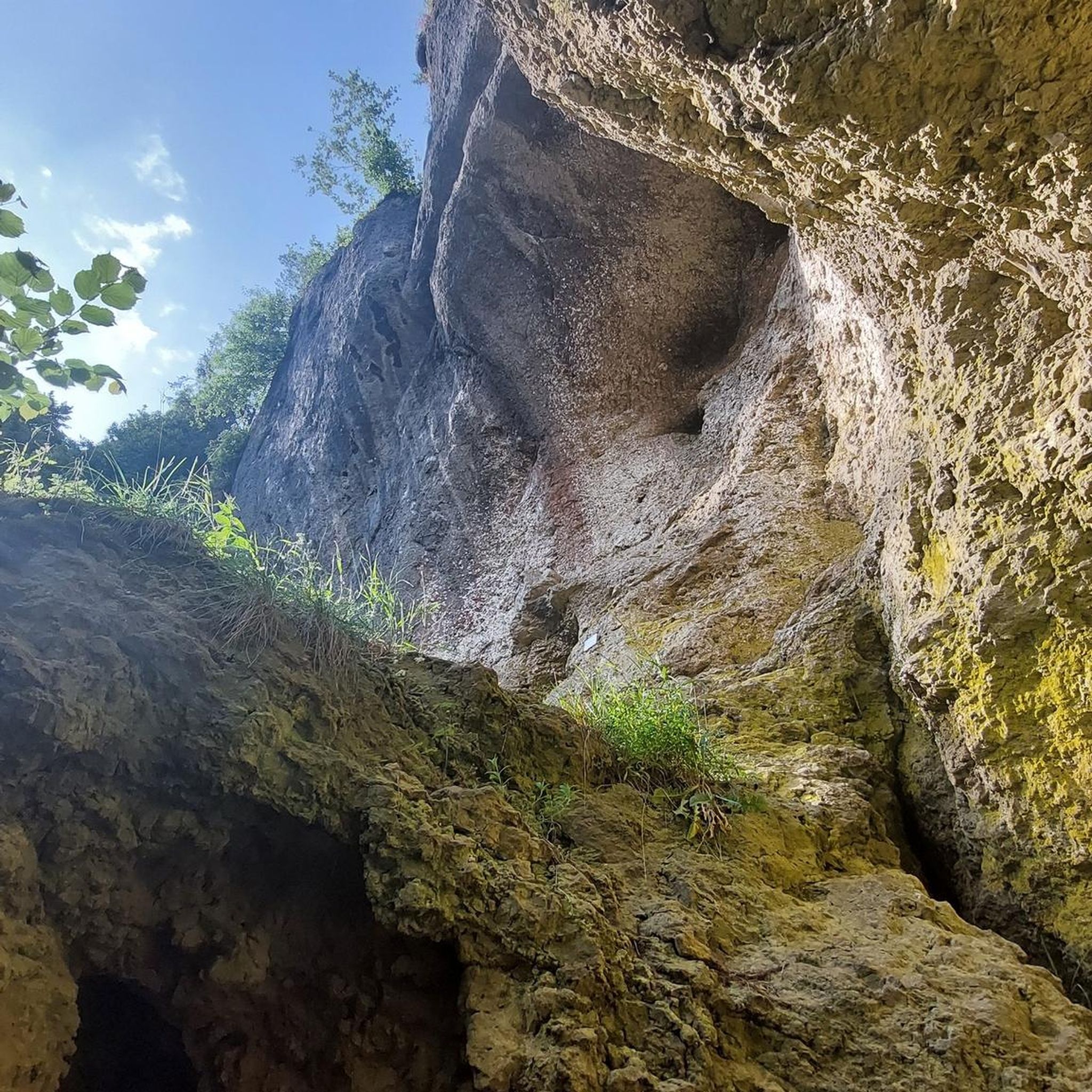
For the perspective of the aisles.
0
0

to see, quiet little town
0
0

This former ruined 13th century castle was extensively renovated in the 20th century. Today it is a reception venue.
0
0

Magnificent castle which inspired Versailles but which led its owner, the superintendent Fouquet, to the dungeon on the orders of Louis XIV.
0
0
The fortified farm of Époisses is a 13th century fortified house located in the French commune of Bombon, in the department of Seine-et-Marne in the Île-de-France region. The fortified farm has been classified as a Historic Monument since December 23, 1981.
0
0
The Château de Blandy-les-Tours is a fortified castle located in the commune of Blandy-les-Tours in the department of Seine-et-Marne, 70 km from Paris, and not far from the Château de Vaux-le-Vicomte. This building was built between the 13th and the second half of the 14th century. From a simple fortified manor to a fortified castle of the Hundred Years' War, from a residential castle to the Ferme des Tours, the Château de Blandy-les-Tours has had a long history and has been the property of prestigious families. Acquired in 1992 by the Seine-et-Marne departmental council, it was the subject of restoration campaigns and archaeological excavations until its reopening in 2007. This castle now engages in a permanent dialogue between heritage and artistic creation. https://fr.wikipedia.org/wiki/Ch%C3%A2teau_de_Blandy-les-Tours
0
0
Frequently Asked Questions
What are the most popular castles to visit near Yèbles?
The most popular castles in the region include the majestic Château de Vaux-le-Vicomte, known for inspiring Versailles; the well-preserved medieval Blandy‑les‑Tours Castle; and the historic Château du Vivier, a former royal residence set in a beautiful park.
Are there family-friendly castles around Yèbles?
Yes, several castles in the area are great for families. The Château de Vaux-le-Vicomte offers costume rentals for children and hosts magical candlelight evenings. Blandy‑les‑Tours Castle provides an immersive medieval experience with its towers and ramparts, often hosting historical reenactments. The Château du Vivier and Château de Monceau also feature expansive parks suitable for family strolls.
What is the best time to visit the castles near Yèbles?
The best time to visit is generally during spring and summer (April to September) when the weather is pleasant for exploring the extensive gardens and outdoor areas. Summer evenings at Château de Vaux-le-Vicomte, with candlelight and fireworks, are particularly enchanting. However, the region's castles offer unique charm year-round; for example, the Château du Vivier's park is noted for its magical appearance in winter snow.
How far are these castles from Yèbles?
The castles are located within the surrounding Seine-et-Marne region. For instance, Château de Vaux-le-Vicomte is about 50 km from Paris, and Château du Vivier is approximately 45 km from Paris. Blandy‑les‑Tours Castle is conveniently located about 6 km from Vaux-le-Vicomte, making it easy to visit both.
Are there any medieval fortresses to explore?
Absolutely. The Blandy‑les‑Tours Castle is an excellent example of medieval military architecture in the Île-de-France region. It features five crenellated towers, impressive ramparts, and a 35-meter-high keep. You can climb to the top for panoramic views of the Brie countryside. The Fief des Époisses, a 13th-century fortified farm, also offers a glimpse into medieval life, though it is currently a private property expected to reopen in 2026.
What kind of natural features can I expect to see around the castles?
Many castles are set within beautiful natural surroundings. The Château du Vivier is nestled in a 7-hectare park with romantic ponds and century-old trees. The Château de Monceau boasts a vast 170-hectare park with plains, ponds, and woods, where you might even spot wildlife like deer. The formal gardens of Château de Vaux-le-Vicomte are a masterpiece of landscape design by André Le Nôtre.
Can I find walking or hiking trails near the castles?
Yes, the region offers opportunities for walking and hiking. For instance, there's a 'Château du Vivier Loop' hiking route from Chaumes-en-Brie, which is a moderate 17.5 km trail. You can find more hiking options in the area by exploring the Hiking around Yèbles guide.
Are there cycling routes that pass by these castles?
Yes, the area around Yèbles is suitable for cycling, with routes that can take you near some of these historical sites. For example, there's a 'Blandy-les-Tours Castle' loop from Ozouer-le-Voulgis, which is a difficult 52 km cycling route. You can discover more cycling adventures in the Cycling around Yèbles guide or the Road Cycling Routes around Yèbles guide.
What do visitors enjoy most about the castles around Yèbles?
Visitors frequently praise the architectural grandeur and historical significance. The panoramic views from the dome of Château de Vaux-le-Vicomte and from the keep of Blandy‑les‑Tours Castle are highly recommended. The serene and romantic landscapes of parks like those at Château du Vivier are also a major draw, offering a peaceful escape into history.
Are there any hidden gems or lesser-known castles worth visiting?
While the main castles are well-known, the region also features sites like the Château de Monceau in Liverdy-en-Brie, a 19th-century estate with a large park, often used for events. The Fief des Époisses, a 13th-century fortified farm, is a historical monument that will offer a unique experience once it reopens to the public in 2026.
Can I find cafes or restaurants near these castles?
Most major castles like Château de Vaux-le-Vicomte and Blandy‑les‑Tours Castle typically have on-site or nearby dining options. For other locations, especially those used primarily for events like Château du Vivier or Château de Monceau, you might find cafes and restaurants in the nearest villages or towns.
Most popular attractions around Yèbles

Get inspired with the komoot mobile app


Explore more
Looking for the best castles somewhere else? Discover other guides around Yèbles:
