The best road cycling routes around Cessac
4.6
(47)
875
riders
97
rides
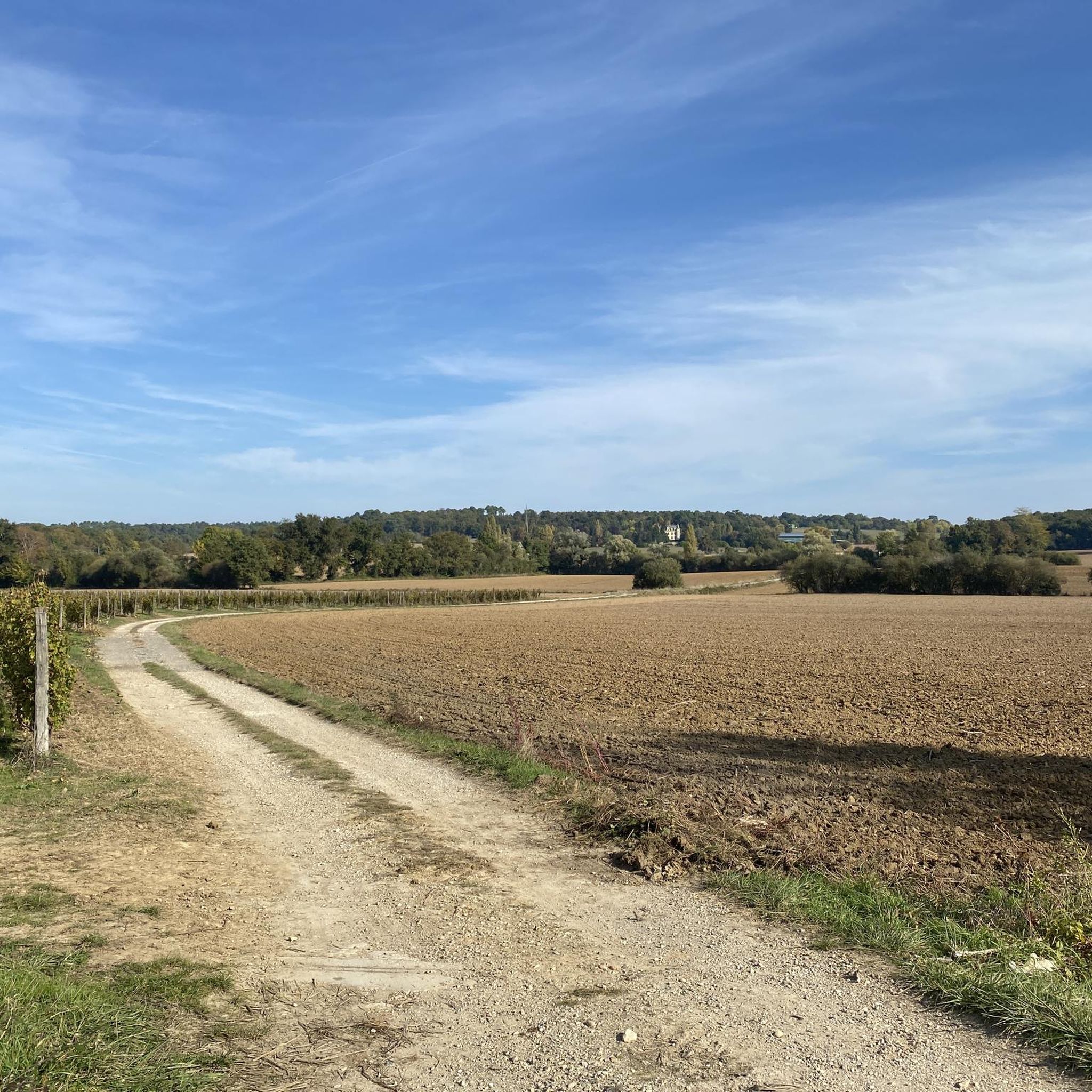
Road cycling routes around Cessac traverse a landscape characterized by extensive vineyards, picturesque forests, and gentle river valleys in the Gironde department of France. The region features well-maintained greenways, notably the Piste cyclable Roger Lapébie, built on a former railway line, offering smooth, asphalted surfaces with minimal gradients. This terrain provides varied cycling experiences, from shaded forest paths to open vineyard vistas, suitable for different skill levels.
Best road cycling routes around Cessac
- The most popular road cycling route is…
Last updated: August 12, 2026
20
riders
66.9km
03:02
600m
600m
Moderate road ride. Good fitness required. Mostly well-paved surfaces and easy to ride.
7
riders
65.7km
02:55
630m
630m
Moderate road ride. Good fitness required. Mostly well-paved surfaces and easy to ride.

Sign up for free
9
riders
31.6km
01:20
240m
240m
Easy road ride. Great for any fitness level. Mostly well-paved surfaces and easy to ride.
4.0
(1)
7
riders
55.0km
02:20
380m
380m
Moderate road ride. Good fitness required. Mostly well-paved surfaces and easy to ride.
5.0
(1)
6
riders
57.7km
02:52
590m
590m
Moderate road ride. Good fitness required. Some segments of this route may be unpaved and difficult to ride.
Get access to more routes and recommendations from other explorers.
Sign up for free
Already have an account?
Our route recommendations are based on thousands of hikes, rides, and runs completed by other people on komoot.
Start today with a free account
Your next adventure awaits.
Login or Signup


Tips from the Community

Lively small market town, with an arcaded market square
0
0

The Abbey of La Sauve-Majeure, founded in 1079, a masterpiece of Romanesque art, is today part of the Way of St. James and a UNESCO World Heritage site. This is stated on the france-voyage website, and continues: "This former Benedictine abbey, dear to pilgrims and classified as a Historic Monument, has managed to preserve beautiful remains in its ruined church, including the remarkable carved capitals in the choir. The wonderfully preserved details of the chiselled capitals feature biblical, fantastical, or plant-based motifs. Original sin, Daniel in the lions' den, the life of Samson, the temptation of Christ, the sacrifice of Abraham, the martyrdom of Saint John, or the fight between mythical creatures can be admired as sculptural elements in the Abbey of La Sauve-Majeure."
0
0

In 1079, the Benedictine abbot Gérard de Corbie and about ten monks and knights founded Notre-Dame de La Sauve-Majeure in the large forest (in Latin Silva Major) of the Entre-deux-Mers. The support of the dukes of Aquitaine and the pilgrimage to Santiago de Compostela favored a rapid boom. At its peak in the 12th and 13th centuries, the abbey had about a hundred monks. The Hundred Years' War precipitated its decline.
0
0
Majestic in its size and appearance, the Loubens mill is one of the most remarkable in the Entre-deux-Mers region. Its installation seems to date back to the 11th century. A square, medieval tower, built on an island, bears similarities to the Bagas mill located 2 km downstream. It includes three sets of millstones still in place. However, it is not a fortified building; it is a weir mill. To the north construction, a bridge with a double row of arches was added in the 18th century, containing two more pairs of millstones and a fulling mill (a machine used not for grinding grain, but for fulling textiles. These mills were often called "beating mills"). This southern part of the mill earned it the name "little Chenonceau". The mill has been classified as a Historic Monument since 2000.
0
0
Built by John Lackland, Duke of Normandy (1199-1204), Duke of Aquitaine (1199-1216) and King of England from 1199 to 1216, the castle was built on a rock occupied since antiquity. Witness to the Hundred Years' War, the castle of Rauzan was taken twice by the French, including by Bertrand Du Guesclin in 1377. Classified as a historic monument in 1862, it was only revived in people's minds from the 1970s onwards when the municipality of Rauzan, owner since 1900, and some enthusiasts of medieval architecture undertook clearing and restoration work. (sources Wikipedia)
1
0

Beautiful view of the ivy-covered mill.
1
0

The Saint-Étienne church of Branne is a true haven of peace in the heart of the village, offering a setting conducive to recollection and prayer. The architecture, both sober and majestic, bears witness to the deep faith that has inhabited these places through the centuries. The beauty of the sanctuary naturally invites the elevation of the soul and contemplation of the divine mysteries. One feels an atmosphere of serenity that helps each faithful to find themselves before the Lord in silence and dignity. It is a living place of worship where the presence of Christ is felt, recalling the importance of our Christian roots in the Gironde landscape. A spiritual stopover highly recommended for all those who seek to nourish their faith within a beautifully maintained church.
0
0

The church still welcomes the local community. The abbey is in ruins but lends a special charm to the site. A visit well worth it!
0
0
Frequently Asked Questions
How many road cycling routes are available around Cessac?
Cessac offers a wide selection of road cycling routes, with nearly 100 options available. These routes cater to various skill levels, including 28 easy routes, 63 moderate routes, and 8 more challenging options.
What kind of terrain can I expect on road cycling routes in Cessac?
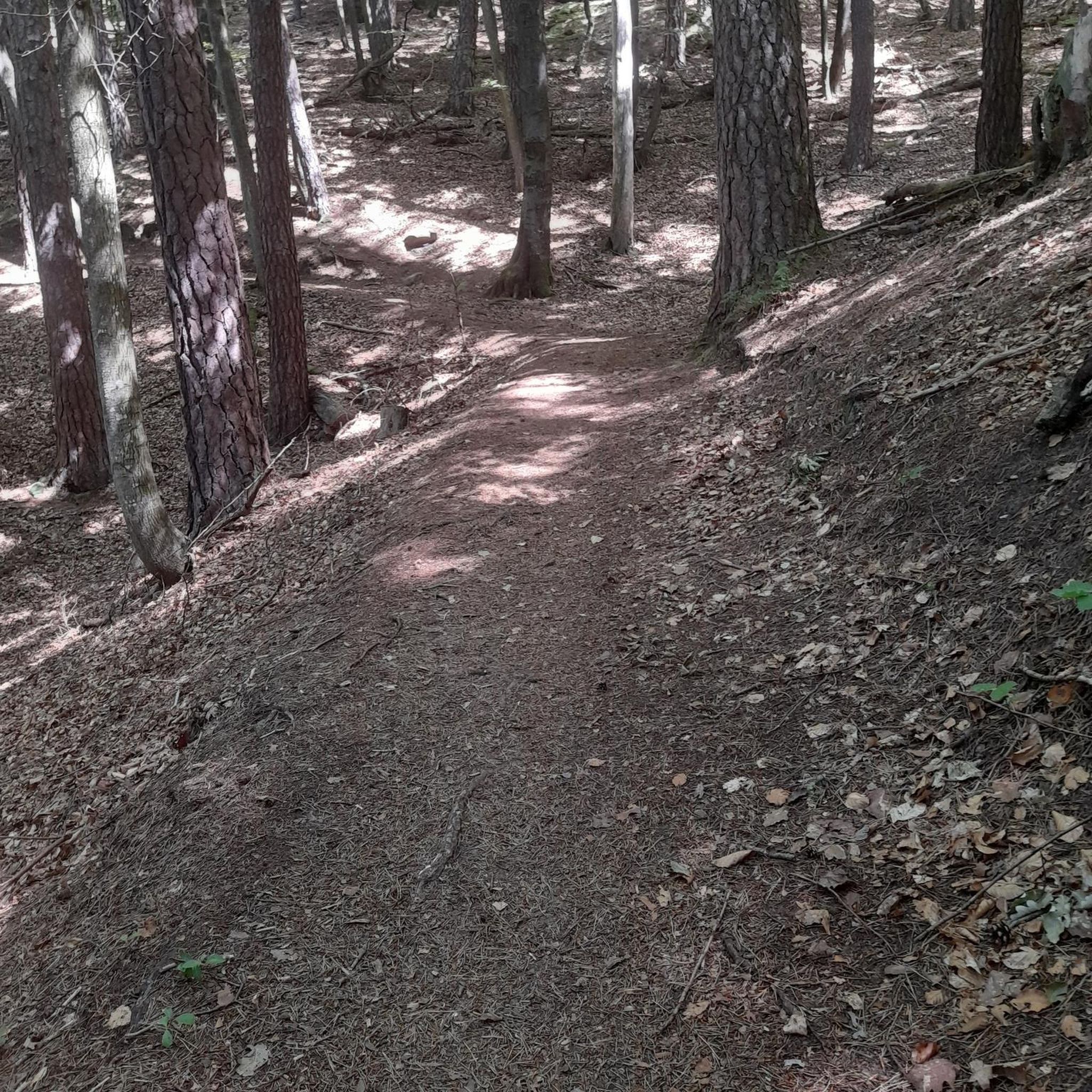
The terrain around Cessac is diverse, featuring extensive vineyards, picturesque forests, and gentle river valleys. Many routes utilize well-maintained greenways like the Piste cyclable Roger Lapébie, which offers smooth, asphalted surfaces with minimal gradients. You'll find shaded forest paths, open vineyard vistas, and routes that traverse small natural rivers.
Are there any easy, family-friendly road cycling routes in Cessac?
Yes, Cessac is well-suited for family-friendly cycling, particularly along the Piste cyclable Roger Lapébie. This greenway is built on a former railway line, providing a smooth, asphalted surface with minimal gradients, making it accessible for all skill levels. An excellent option is the Piste Roger Lapébie loop from Bellefond, an easy 31.5 km route.
What are some notable landmarks or attractions I can see while cycling in Cessac?
Road cycling routes in Cessac often pass by a blend of natural and historical attractions. Along the Piste cyclable Roger Lapébie, you can experience unique features like the Espiet tunnel, which offers a cool passage. Other routes might take you past historical sites such as the Abbey of La Sauve-Majeure, charming villages like Créon, or through the heart of the Entre-deux-Mers vineyards. You can also explore the Sauveterre-de-Guyenne bastide.
Can I find circular road cycling routes around Cessac?
Yes, many road cycling routes around Cessac are designed as loops, allowing you to start and finish in the same location. For example, the La Sauve-Majeure Abbey – Roger Lapébie Cycle Path loop from Targon is a moderate 65.1 km route that combines sections of the Piste Roger Lapébie with vineyard roads and historical sites.
What is the best time of year for road cycling in Cessac?
The region is enjoyable for road cycling across multiple seasons. Spring and autumn offer pleasant temperatures and beautiful scenery, with autumn displaying stunning colors in the forests and vineyards. Summer provides welcome shade along forested sections of paths like the Piste cyclable Roger Lapébie, though it can be warmer. The minimal gradients of many routes make them accessible year-round.
Are there places to stop for refreshments or amenities along the cycling paths?
Yes, especially along the Piste cyclable Roger Lapébie. Old train stations dotted along the route have been thoughtfully repurposed, often providing convenient amenities like water points and, in some instances, even a bar or restaurant. Many routes also pass through charming villages where you can find cafes and other services.
What do other road cyclists say about the routes in Cessac?
The road cycling routes in Cessac are highly regarded by the komoot community, with an average score of 4.6 stars from over 40 reviews. Cyclists often praise the well-maintained surfaces of the Piste cyclable Roger Lapébie, the beautiful vineyard and forest scenery, and the accessibility of routes for various skill levels.
Are there any challenging road cycling routes for experienced riders?
While many routes are gentle, Cessac also offers options for more experienced riders. There are 8 routes classified as difficult, and many moderate routes, such as the Rauzan Castle – Dordogne at Castillon loop from Rauzan (65.7 km), provide longer distances and varied terrain through vineyards and past historical castles.
Can I access the cycling routes using public transport?
The Gironde department, where Cessac is located, has a network of public transport. While specific bus routes directly to trailheads might vary, the Piste cyclable Roger Lapébie is a major regional asset, and local transport options often consider access to such popular greenways. It's advisable to check local bus schedules for connections to towns along the Piste.
Where can I park my car to access the road cycling routes?
Parking is generally available in the towns and villages that serve as starting points for many routes, especially those along the Piste cyclable Roger Lapébie. Repurposed old train stations along the greenway often provide convenient access points with parking facilities.
Are dogs allowed on the cycling paths in Cessac?
The Piste cyclable Roger Lapébie, a key cycling artery in the region, is generally dog-friendly. However, it's always recommended to keep dogs on a leash, especially in more populated areas or when passing through villages, to ensure safety for all users.
Most popular attractions around Cessac

Get inspired with the komoot mobile app


Explore more
Browse the best Road cycling routes in other regions.
