Top 13 Mountain Passes around Saint-Paul-D'Oueil
Best mountain passes around Saint-Paul-D'Oueil are situated in the Oueil Valley of the French Pyrenees, a region characterized by its mountainous terrain and natural landscapes. This area offers a variety of routes through the Pyrenean summits, connecting different valleys and departments. The passes provide access to high-altitude environments and serve as natural boundaries between regions. The local geography features winding roads, forested sections, and open vistas of the surrounding peaks.
Best mountain passes around Saint-Paul-D'Oueil
- The most popular mountain passes…
Last updated: September 29, 2026
Peyresourde Pass
Highlight • Mountain Pass
Translated by Google •
Tip by

Port de Balès
Highlight • Mountain Pass
Translated by Google •
Tip by
Sign up now to discover places like this
Get recommendations on the best single tracks, peaks, & plenty of other exciting outdoor places.
Port de Pierrefite Cromlech
Highlight • Monument
Translated by Google •
Tip by

Ascent of the Col de Peyresourde from Arreau
Highlight (Segment) • Climb
Translated by Google •
Tip by

From Loudenvieille to Garin via the Col de Peyresourde
Highlight (Segment) • Mountain Pass
Translated by Google •
Tip by

Sign up for free to discover even more mountain passes around Saint-Paul-D'Oueil.
Already have an account?
Start today with a free account
Your next adventure awaits.
Popular around Saint-Paul-D'Oueil



Tips from the Community

The summit rock and a seating area are located after the strenuous ascent. Here you have to decide which way you want to go next.
0
0

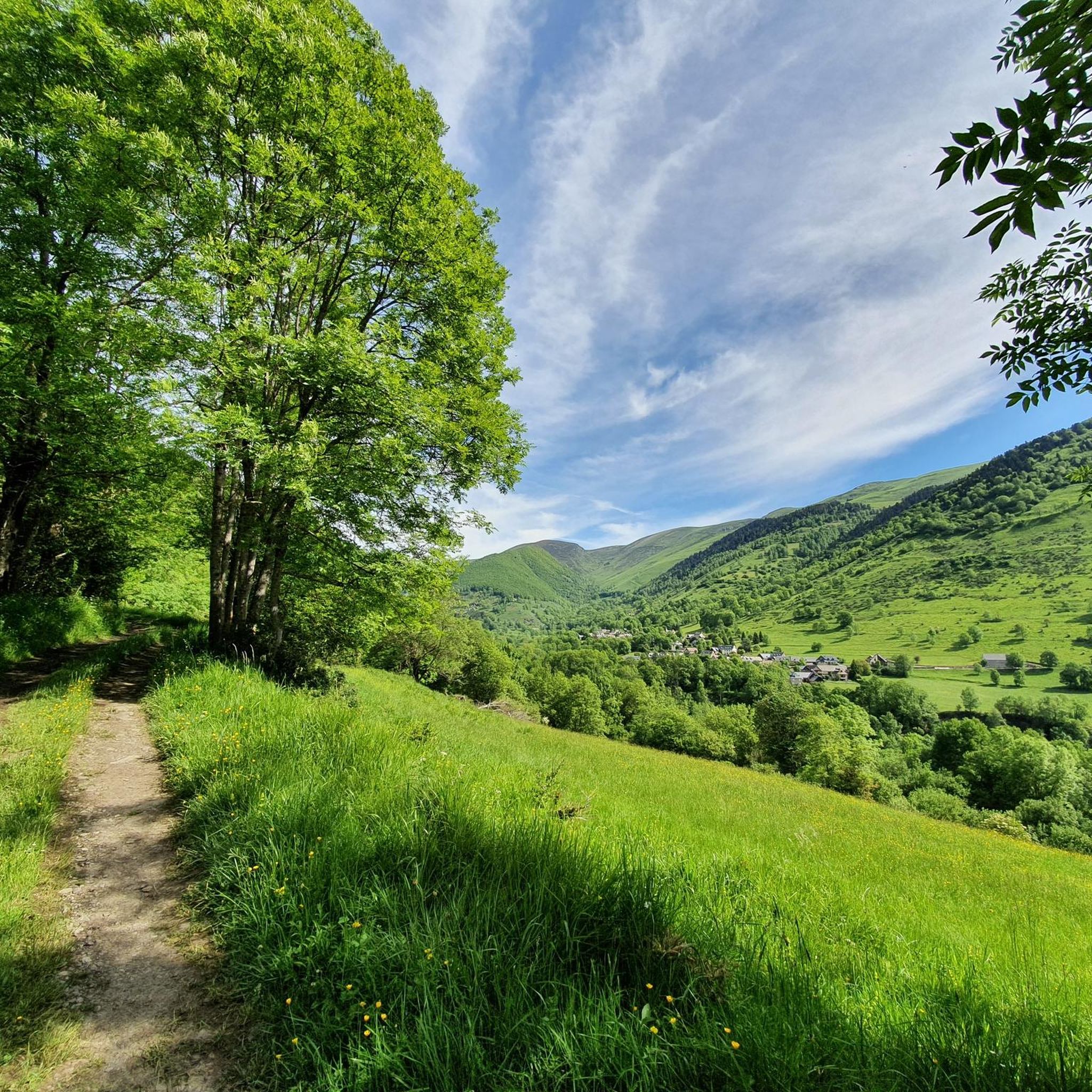
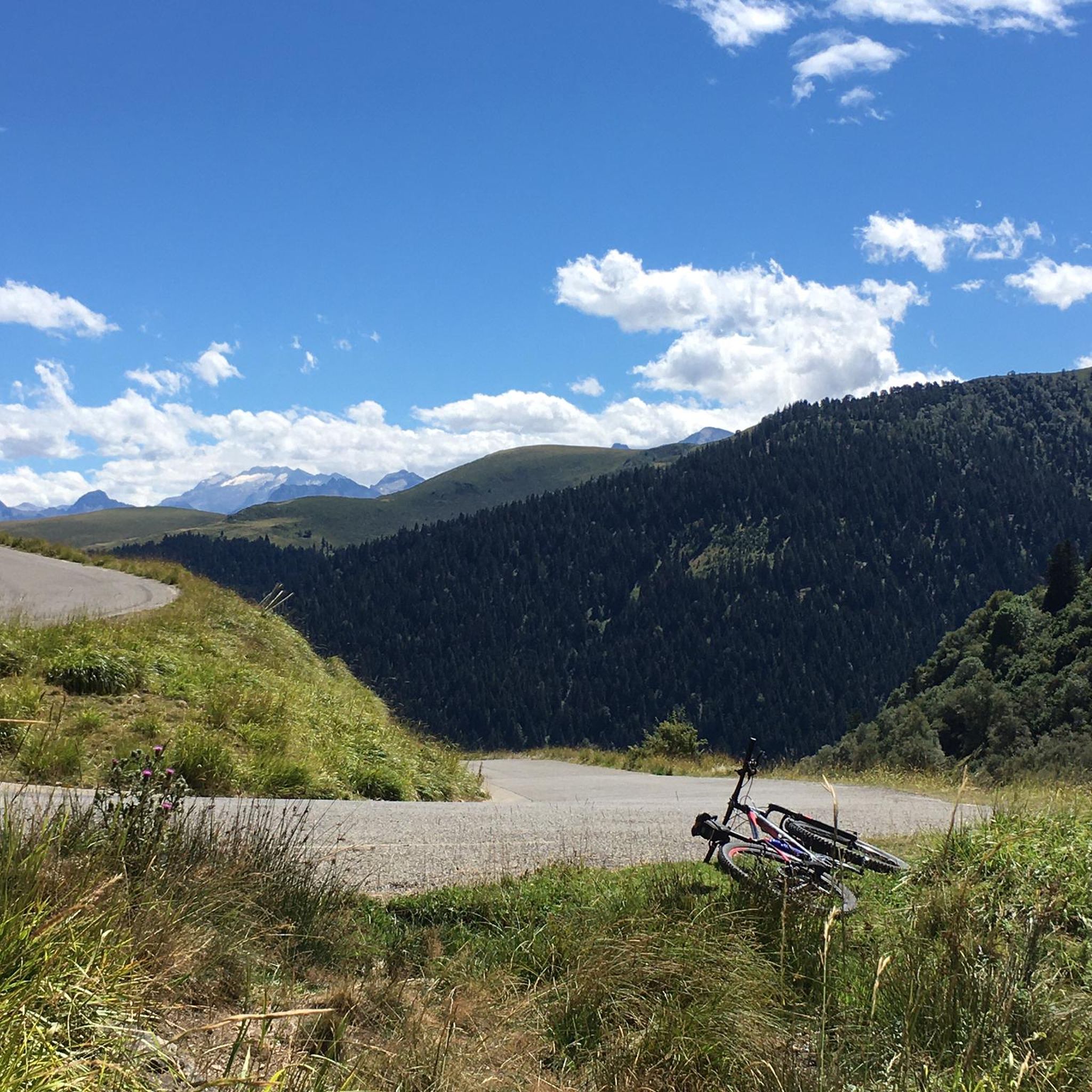
Beautiful road with incredible views and a quick and nice descent from Peyresourde to Garin. Watch out for steong winds!
0
0

Quite accessible for a normal training level. The first section is more shaded, the second more open. Almost at the end, turn right to climb to the Peyragudes station. You can also do it at the summit with less gradient; it's a more accessible road in good condition.
0
0

Although the climb up the Col de Peyresourde from Arreau is 18 kilometers, the slope only really steepens after Avajan, from the eleventh kilometer. You'll therefore need to save your strength for the first part to be able to tackle this Pyrenean classic.
0
0

I would just like to remember that Alejandro Valverde was the first rider at the top of this pass when the Tour crossed it for the first time in 2012, subsequently winning the stage that ended in Peryagudes.
0
0
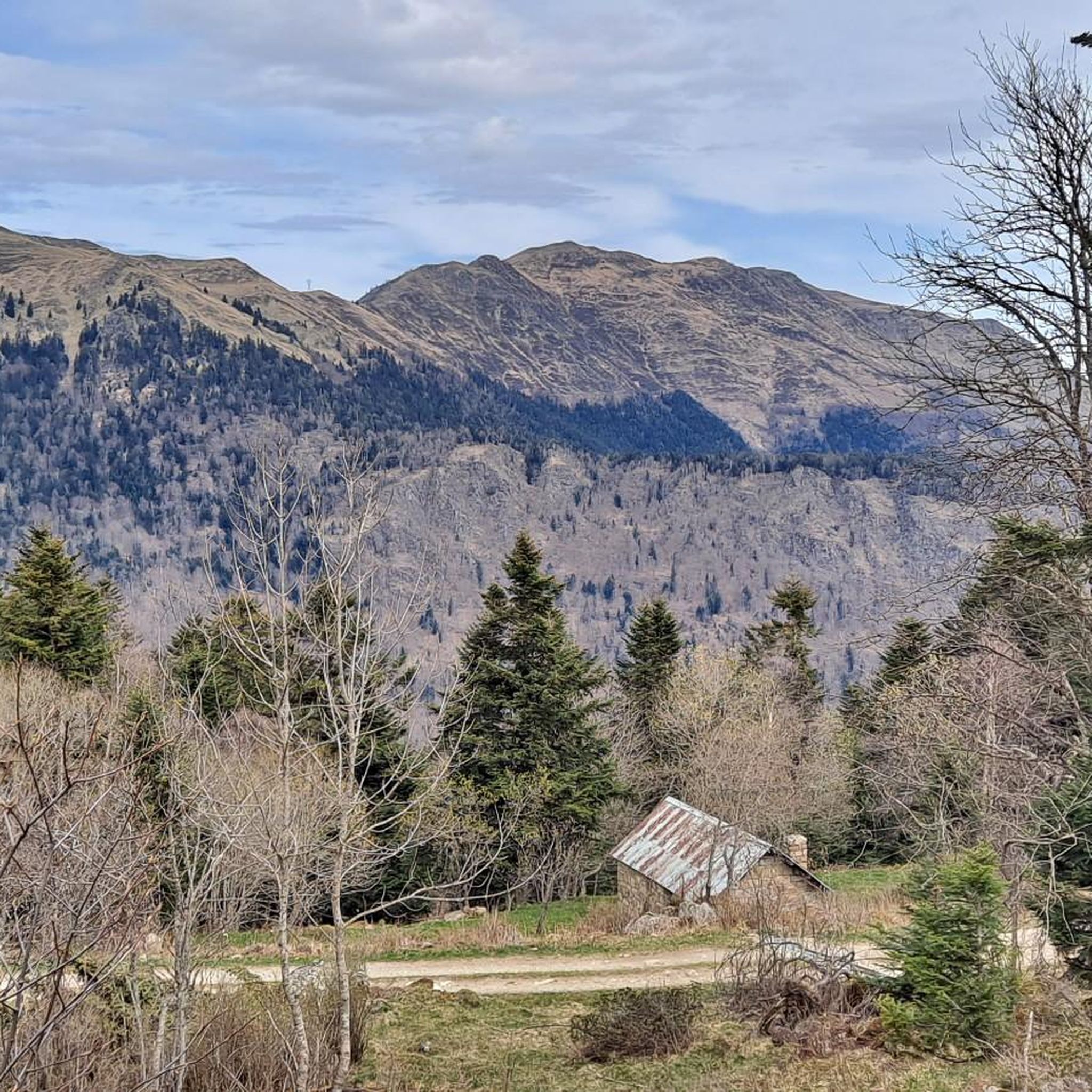
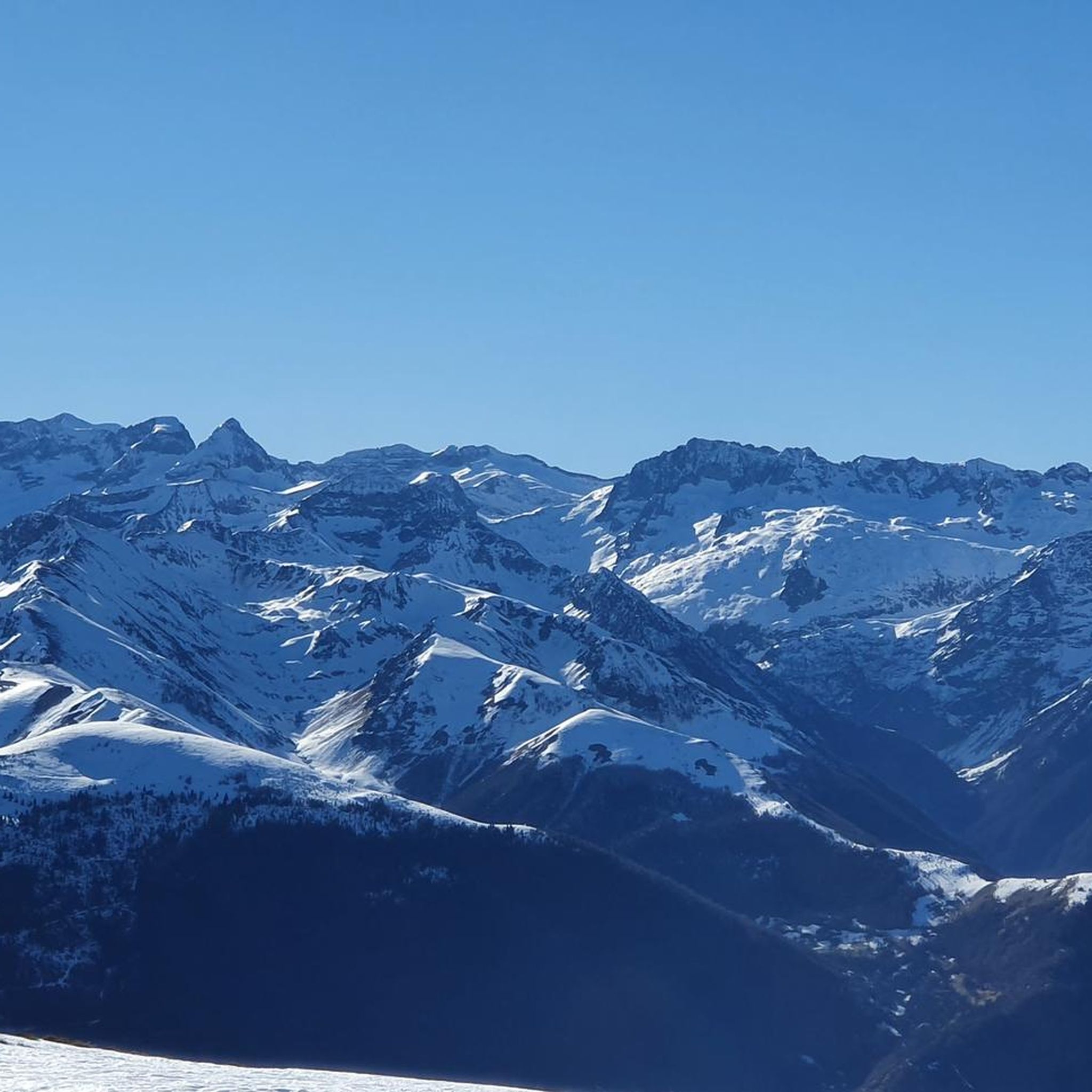
Port de Balès is one of the great colossi of the Pyrenees, discovered for professional cycling in the 2012 Tour, crowned by Alejandro Valverde for the first time. The two times I have climbed it it has been on its northern slope, the longest and hardest, although the southern slope is also very hard. The northern slope begins with a very nice road that runs next to the river and goes up it at a very gentle rate. Starting from a bridge, where you leave the river on the left, the hard 11 km stretch to the top begins, although it is true that there are 2 stretches where the slope softens and allows you to take a break. The last 5 km have spectacular views of the valley and the surrounding peaks. At the top, the panoramic view of the Pyrenees is incredible.
0
0

A nice reward awaits you with delicious pancakes...
1
0

great little cafe, brilliant crepes. Also sells beer and coffee. fantastic value and very friendly at top of col de peyresoude
0
0
Frequently Asked Questions
Which mountain passes near Saint-Paul-D'Oueil are popular for cycling?
The region is renowned for its cycling routes. The Peyresourde Pass, Col d'Aspin, Port de Balès, and Col du Tourmalet are all frequently featured in the Tour de France and offer rewarding ascents. The Col d'Aspin is considered more accessible for those newer to mountain cycling, while the Col du Tourmalet presents a significant challenge.
What kind of views can I expect from the mountain passes around Saint-Paul-D'Oueil?
You can expect breathtaking panoramic views of the highest Pyrenean summits, rugged mountain peaks, and lush green valleys. From passes like the Port de Balès, you can see across to Mont Né and the Ariège Pyrenees, as well as the high mountains forming the border between France and Spain.
Are there any historical sites or landmarks on the mountain passes?
Yes, the Port de Pierrefite Cromlech is a notable historical site, featuring megalithic structures arranged in a circular shape, with origins dating back several millennia BC. At the summit of the Col du Tourmalet, you'll find "The Giant of Tourmalet," a statue honoring Octave Lapize, the first cyclist to conquer the pass in the Tour de France.
What is the best time of year to visit the mountain passes?
Most passes are best visited from late spring to early autumn. The Port de Balès typically opens from late May to October. While the Peyresourde Pass is generally accessible year-round, temporary closures can occur in winter due to weather. The Col d'Aspin is typically closed in winter due to snow.
Are there hiking opportunities near these mountain passes?
Absolutely. The area offers a variety of hiking routes, from intermediate trails to demanding ascents. You can explore ancient trails around the Col du Tourmalet or enjoy the scenery near Lac de Payolle, which is close to the Col d'Aspin. For more detailed routes, check out the Hiking around Saint-Paul-D'Oueil guide.
What other outdoor activities can be enjoyed near the mountain passes?
Beyond cycling and hiking, the region offers diverse outdoor activities. Near the Col d'Aspin, Lac de Payolle provides opportunities for fishing, canoeing, and additional hiking. The Col du Tourmalet also serves as a departure point for excursions to the Pic du Midi de Bigorre observatory. For running enthusiasts, there are several trails, including the "Running loop from Garin" and "Table d'orientation – Château loop from Saint-Paul-d'Oueil," which you can find in the Running Trails around Saint-Paul-D'Oueil guide.
Are there any family-friendly options among the mountain passes?
Yes, the Peyresourde Pass is listed as family-friendly. Additionally, the area around the Col d'Aspin, particularly Lac de Payolle, offers activities like fishing and canoeing that can be enjoyed by families.
Where can I find food or refreshments near the mountain passes?
At the summit of the Peyresourde Pass, there is a famous pancake hut known for its delicious crêpes, coffee, and beer. This spot is highly recommended by visitors for its value and friendly atmosphere.
Which mountain passes offer the most challenging climbs for cyclists?
The Col du Tourmalet is legendary for its formidable nature and steep climbs, having been featured over 90 times in the Tour de France. The Port de Balès also features a long climb, nearly 20 km, with challenging sections including pitches over 13%. The Peyresourde Pass also has sections reaching up to 10% gradient.
What unique natural features might I encounter?
Beyond the stunning mountain landscapes, visitors to the Peyresourde Pass might spot wild horses roaming the mountains. The area around the Col du Tourmalet is also known for its rich biodiversity and unique flora and fauna.
Are there any less crowded mountain passes to explore?
The Port de Balès is known for its quiet roads and stunning scenery, offering a more serene experience compared to some of the more heavily trafficked passes, while still providing incredible views.
Most popular routes around Saint-Paul-D'Oueil
Most popular attractions around Saint-Paul-D'Oueil

Get inspired with the komoot mobile app


Explore more
See even more epic mountain passes by checking out these guides around Saint-Paul-D'Oueil:
