The best walks and hikes around Dormelles
4.3
(266)
1,379
hikers
144
hikes
Hiking around Dormelles offers diverse landscapes within the Orvanne valley, characterized by elevated buttes and extensive wooded areas. The terrain includes significant sections like Bois Moreau and Bois de Montaigu, featuring both dense forests and rocky formations. The Orvanne River and its tributaries contribute to the area's hydrographic network, providing varied scenery. Underlying geology of travertin, calcaire, and sables et grès creates a varied ground for exploration.
Best hiking trails around Dormelles
- The most popular hiking route is Montagne de…
Last updated: May 21, 2026
3.3
(4)
14
hikers
17.3km
04:35
170m
170m
Moderate hike. Good fitness required. Easily-accessible paths. Suitable for all skill levels.
7
hikers
Moderate hike. Good fitness required. Easily-accessible paths. Suitable for all skill levels.

Sign up for free
4
hikers
4.81km
01:14
20m
20m
Easy hike. Great for any fitness level. Easily-accessible paths. Suitable for all skill levels.
10
hikers
Moderate hike. Good fitness required. Easily-accessible paths. Suitable for all skill levels.
2.5
(2)
3
hikers
5.34km
01:26
60m
60m
Easy hike. Great for any fitness level. Easily-accessible paths. Suitable for all skill levels.
Get access to more routes and recommendations from other explorers.
Sign up for free
Already have an account?
Our route recommendations are based on thousands of hikes, rides, and runs completed by other people on komoot.
Start today with a free account
Your next adventure awaits.
Login or Signup


Tips from the Community

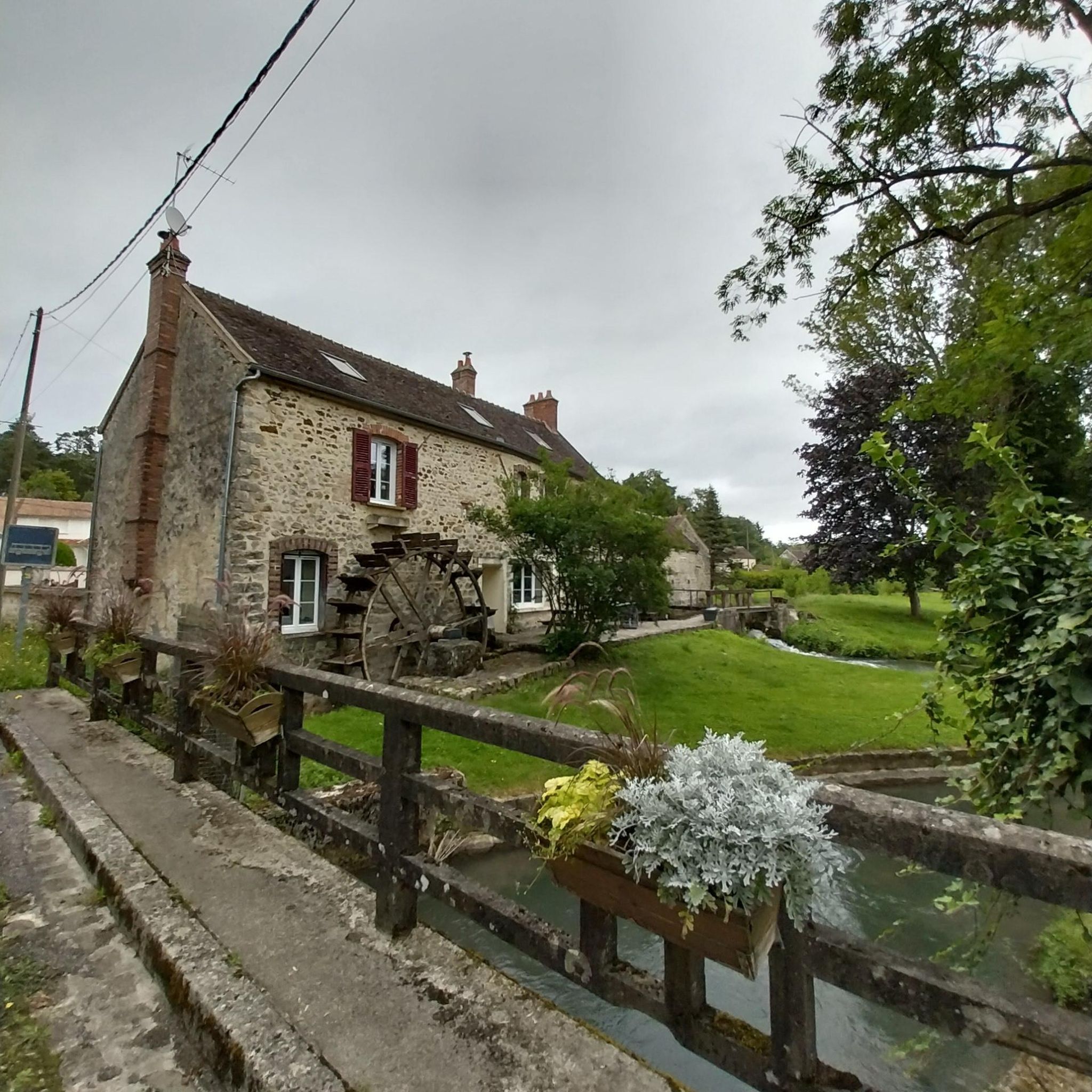
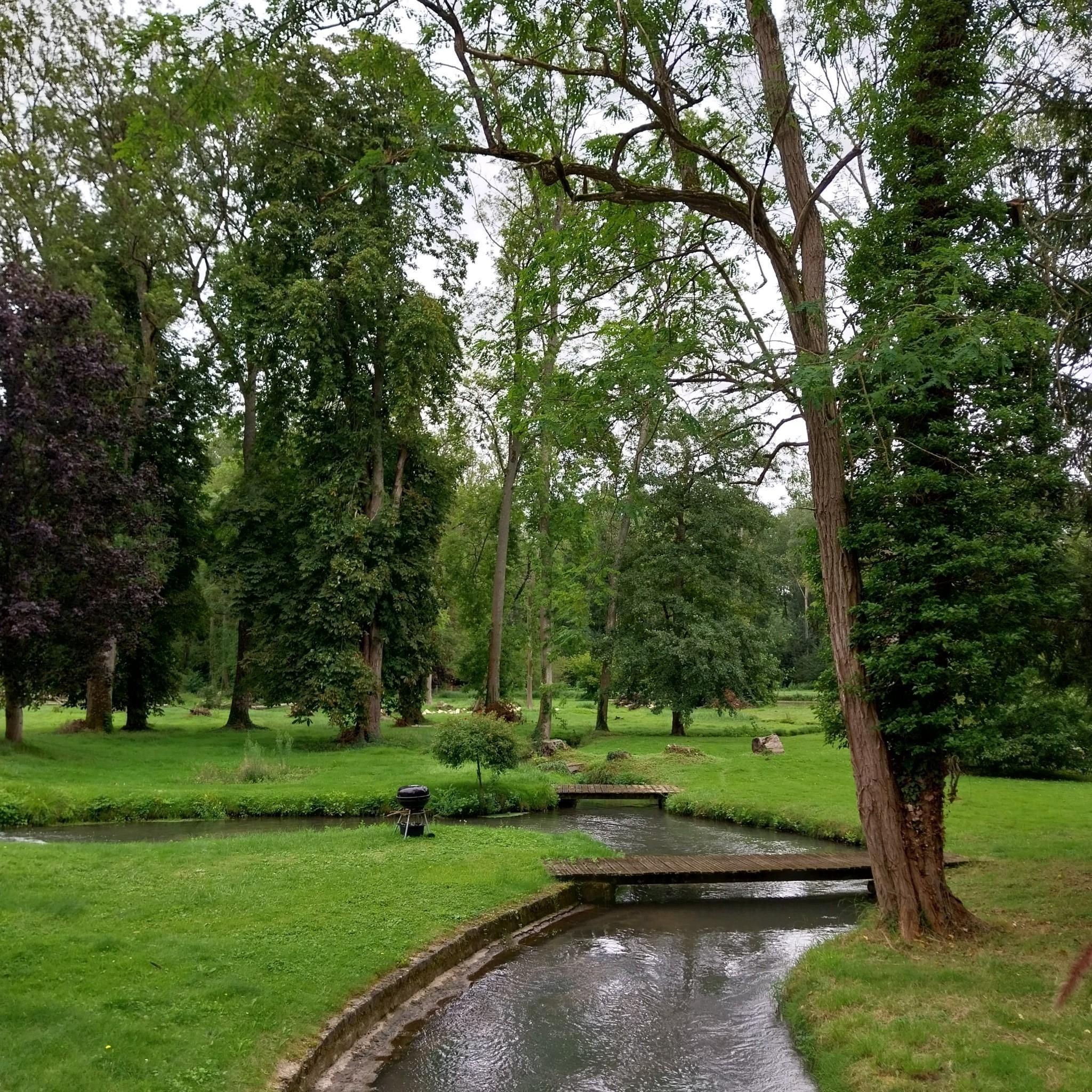
Crossed by the Orvanne. Picturesque bridges and wash houses.
0
0
Lookout post first built in the 12th century to defend the entrance to Gâtinais.
0
0


Flagy is an old fortified place. The village was built in the 12th century by order of Louis VII in 1130. On the edge of a royal domain, it is built according to a rectangular plan, as shown by the seven parallel streets leading to the river crossed by seven bridges or gateways. The course of the Orvanne has been diverted and developed to supply the village with water. The mill, built in the 13th century, still exists and is a good representation of the traditional regional architecture of the time. Besides the river, seven wells, one in each of the parallel streets, provided drinking water. There are still several of them, which were used until 1960. On Heritage Day, you can visit two underground entrances. A network of underground passages connected the food cellars which also served as refuges during invasions of the village by enemies. One can see in one of the underground passages some remains of ancient objects. A curiosity on the roof of the church, the weather vane has two symbols: a rooster, the usual symbol, and a pig's head, another symbol, a lasting memory of a local legend, transmitted orally. During the Hundred Years War, the terrible Black Death reached many villages in Île-de-France. Affected by the epidemic, the inhabitants of a neighboring village came to seek help in Flagy, where there was a hospital (Hôtel-Dieu). But the Flagiens energetically refused entry into the village to the sick. The poor people had to look elsewhere for a better welcome. It is said that the bishop, outraged by this attitude of refusal, this lack of compassion, inflicted a punishment on the Flagians. Since then a weather vane in the shape of a pig's head has been turning according to the winds on the roof of the church. Recently rediscovered in the "Favorite Village of the French" 2023, Flagy may not have won the crown, but remains a nice heritage to discover.
0
0

Fort dating from the 11th and 12th century, mainly consisting of an enclosure (originally 6 m high and 1.3 m wide) surmounted by towers at the corners. It was remodeled in the 15th century, during the Hundred Years War, then confiscated during the French Revolution, before being returned to its original owners in 1937.
0
0


The first Château de Challeau was a fortified building built in the 11th century to the 12th century with a curtain wall 6m high and 1.3m thick which encloses an area of approximately 30m by 24m. Small in size, its particularity is due to the rounded shape at the base of the watchtowers. It is one of the rare fortifications built on the orders of Philippe 1er which still remains in a correct state today. The site can be visited during Heritage Days.
0
0
Frequently Asked Questions
How many hiking trails are available around Dormelles?
There are over 140 hiking routes around Dormelles, offering a wide range of options for different skill levels. You'll find everything from easy strolls to more challenging excursions.
What kind of terrain can I expect on hikes around Dormelles?
Hikes around Dormelles feature diverse terrain, including elevated buttes that offer commanding views of the Orvanne valley, extensive wooded areas like the Bois Moreau and Bois de Montaigu, and rocky formations. The Bois de Montaigu, in particular, is known for its wooded and rocky landscape, drawing comparisons to Fontainebleau Forest, and even features a unique geological formation called the "Roche Glissante" (Slippery Rock). You'll also encounter paths along the Orvanne River and its tributaries.
Are there any easy or beginner-friendly hikes in Dormelles?
Yes, Dormelles offers many easy routes suitable for beginners or those looking for a relaxed walk. For example, the La Croix de Saint-Pierre – Flagy, a village of character loop from Flagy is an easy 3.3-mile (5.2 km) trail that takes you through scenic areas. Another great option is the Fort de Challeau – Dormelles Washhouse loop from Dormelles, which is also easy and explores historical sites along the Orvanne River.
What historical landmarks or natural features can I see along the hiking trails?
Many trails in Dormelles pass by interesting historical and natural sites. You can explore the 13th and 16th-century Challeau Fort, or the restored Lavoir (washhouse) on the Orvanne River. The area also features the Neolithic menhir "Pierre Levée" at the edge of the Bois du Pimard, and parts of the Aqueduc de la Vanne, which supplies water to Paris. The elevated buttes and the unique "Roche Glissante" in Bois de Montaigu are notable natural features.
Are there any circular hiking routes around Dormelles?
Yes, Dormelles is well-suited for circular hikes. Many routes are designed as loops, allowing you to start and end at the same point. A popular example is the Fort de Challeau – Dormelles Washhouse loop from Dormelles, which is a 3.3-mile (5.3 km) circular trail.
Can I bring my dog on the hiking trails in Dormelles?
Most hiking trails in Dormelles are dog-friendly, allowing you to enjoy the natural beauty with your canine companion. However, it's always recommended to keep your dog on a leash, especially in wooded areas or near wildlife, and to respect local regulations and private property signs.
What is the best time of year to go hiking in Dormelles?
Dormelles offers pleasant hiking opportunities throughout much of the year. Spring and autumn are particularly beautiful, with mild temperatures and vibrant foliage. Summer is also suitable, though it can be warmer, making early morning or late afternoon hikes ideal. Even in winter, the wooded trails can be quite scenic, but be prepared for cooler temperatures and potentially muddy conditions.
Are there family-friendly hiking options in Dormelles?
Absolutely. Many of the easier and moderate trails in Dormelles are suitable for families with children. The diverse landscapes, including riverbanks and wooded paths, provide an engaging environment for younger hikers. Routes like the Fort de Challeau – Dormelles Washhouse loop from Dormelles are good choices for a family outing.
What do other hikers enjoy most about hiking in Dormelles?
The area is highly rated by the komoot community, with an average score of 4.3 stars. Reviewers often praise the diverse landscapes, including the picturesque Orvanne valley and the varied wooded and rocky terrains. The well-maintained paths and the opportunity to discover historical landmarks like the Fort de Challeau are also frequently highlighted.
Is there parking available near the trailheads in Dormelles?
Yes, many trailheads and starting points for hikes in and around Dormelles offer convenient parking options. It's common to find parking in the villages or designated areas near popular routes. For specific routes, checking the tour details on komoot can often provide information about parking availability.
Are there any viewpoints with scenic vistas in the Dormelles area?
Yes, Dormelles is situated on a 136-meter-high butte, providing excellent panoramic views of the surrounding Orvanne valley. The nearby Buttes de Flagy and Bois de la Montagne Guérin also offer elevated positions from which to enjoy the scenic landscape. These natural high points are often incorporated into hiking routes, allowing you to experience breathtaking vistas.
Can I reach Dormelles and its hiking trails by public transport?
While Dormelles is primarily accessed by car, some public transport options might connect to nearby towns. For detailed information on public transport routes and schedules to Dormelles or surrounding villages that serve as trail starting points, it's best to consult local transport authorities or services like Tourisme Seine-et-Marne for the most up-to-date information.
Most popular routes around Dormelles
Most popular attractions around Dormelles

Get inspired with the komoot mobile app


Explore more
Browse the best Hikes in other regions.
