Attractions and Places To See around Viviers-Lès-Montagnes - Top 20
Best attractions and places to see around Viviers-Lès-Montagnes include historical landmarks, cultural sites, and natural landscapes. This village in the Tarn department of France is known for its ancient structures, such as a fortified castle and a 12th-century church. It lies on historical routes like the Camino de Santiago, and offers natural beauty with surrounding forests, lakes, and views of the Montagne Noire and Pyrénées mountains. The area provides opportunities for exploring heritage circuits and various hiking trails.
Best attractions…
Last updated: October 10, 2026
Castres
Highlight • Settlement
Translated by Google •
Tip by

Path of Human Rights
Highlight (Segment) • Cycleway
Translated by Google •
Tip by
Sign up now to discover places like this
Get recommendations on the best single tracks, peaks, & plenty of other exciting outdoor places.
Baylou Chapel and Mougnès Waterfall
Highlight • Religious Site
Translated by Google •
Tip by

Statue of Saint Stapin and Viewpoint
Highlight • Monument
Translated by Google •
Tip by
La Capelette Chapel
Highlight • Religious Site
Translated by Google •
Tip by

Sign up for free to discover even more attractions around Viviers-Lès-Montagnes.
Already have an account?
Start today with a free account
Your next adventure awaits.



Tips from the Community

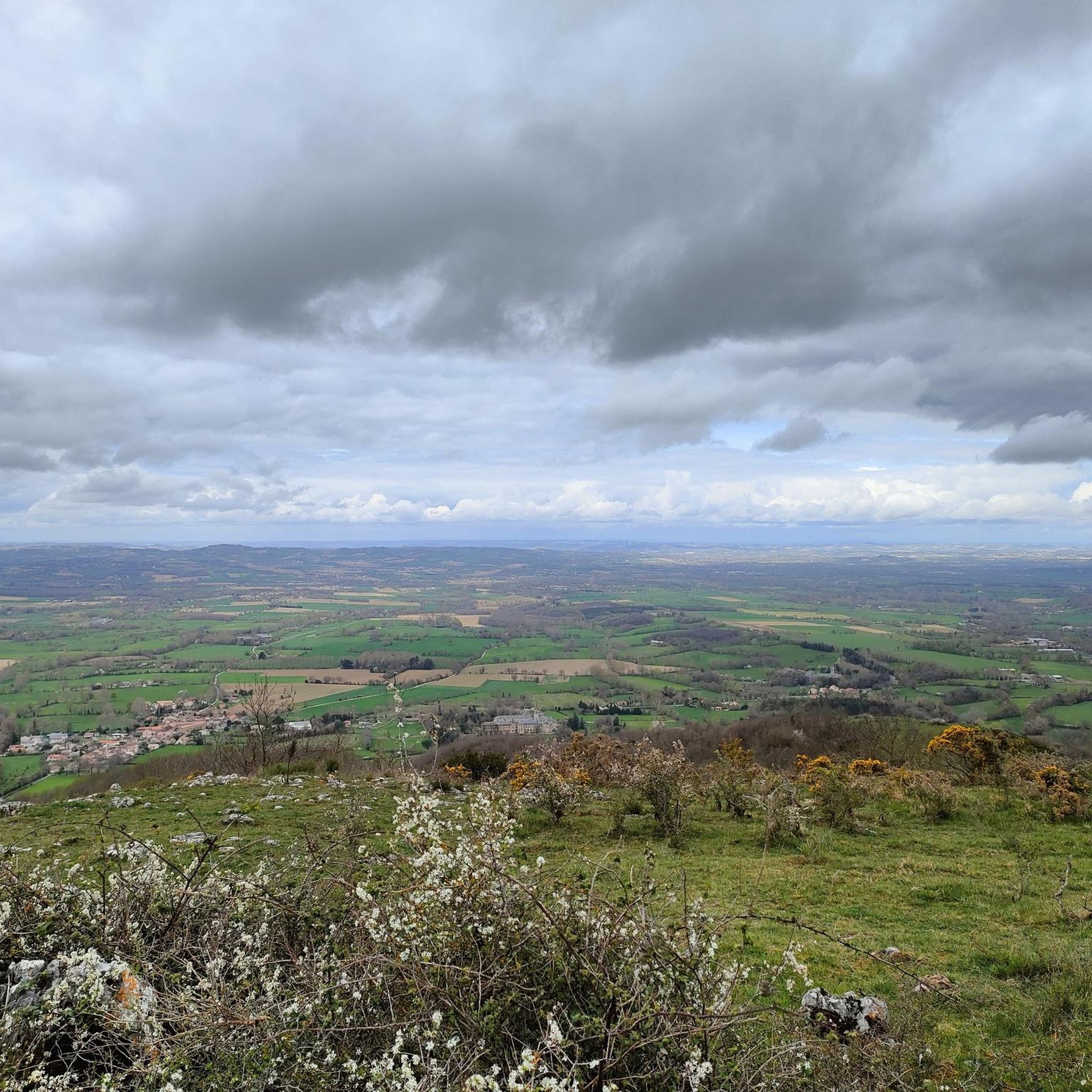
magnificent view of the plain.
0
0

Beautiful 2 km climb starting from Dourgne, the view must be beautiful 😊, I was there on a foggy day 🌫️ so I don't know
1
0

Beautiful, quiet and very shaded greenway!
2
0

Very compact and rolling gravel path, with numerous rest areas, picnic tables and water points.
2
0


The "Human Rights Trail" Green Way, once it reaches the center of Albi, will become a major axis of the departmental and regional network. It received a European Green Ways Award in September 2007 (3rd prize in the Development and Tourism category).
2
0

Magnificent site with the presence of a pretty chapel (quite modern: 1950) and a waterfall/spring once famous for curing ailments.
0
0
Magnificent little isolated chapel on the plateau of Saint-Ferréol. This chapel is relatively recent but the presence of a chapel on this plateau dates back to the Middle Ages.
1
1
Frequently Asked Questions
What historical sites can I explore in Viviers-Lès-Montagnes?
Viviers-Lès-Montagnes is rich in history. You can visit the fortified Château de Viviers-lès-Montagnes, which has a history dating back to prehistoric times and features medieval, Renaissance, and Neo-classical elements. The village also boasts a 12th-century church and traditional pigeonniers. Additionally, Viviers-Lès-Montagnes is a passage on the historic Camino de Santiago (Via Tolosana) and an ancient Roman road, offering a heritage circuit through its old center with narrow streets, old wells, and ancient houses.
Are there any notable natural landmarks or scenic views around Viviers-Lès-Montagnes?
Yes, the area offers beautiful natural features and scenic views. From the hills surrounding Viviers-Lès-Montagnes, you can enjoy panoramic views of the Montagne Noire and the Pyrénées mountains. For specific viewpoints, consider visiting the site of the Statue of Saint Stapin and Viewpoint, which provides magnificent vistas of the surroundings. Another spot for contemplation is La Capelette Chapel, located on the heights of Dourgne, offering a panorama overlooking the plain and abbeys.
What kind of outdoor activities are available near Viviers-Lès-Montagnes?
The region is ideal for various outdoor activities. You can explore the surrounding forests like Dreulhe, Hautaniboul, and Cayroulet for picnics and peaceful walks. Nearby lakes such as Lac des Montagnès, Bassin du Lampy, and Lac de la Galaube offer opportunities for combining picnics with swimming. The area is also well-suited for hiking, cycling, and running, with numerous trails to discover the landscape.
Are there family-friendly attractions in the area?
Yes, several attractions are suitable for families. The Path of Human Rights is a well-laid-out cycle way, far from cars, with numerous rest areas and picnic tables, making it excellent for family bike rides or walks. Exploring the heritage circuit in the medieval village, with its narrow streets and ancient houses, can also be an engaging activity for families. The nearby forests and lakes provide natural settings for family picnics and outdoor play.
Can I find places for hiking or walking around Viviers-Lès-Montagnes?
Absolutely. The area around Viviers-Lès-Montagnes is excellent for hiking and walking. One notable path is "Lou Cami de Viviers," which winds through former 14th-century bastides and wooded hillsides, intersecting with the Camino de Santiago and an old Gallo-Roman road. You can find various running trails, including moderate loops like the "Château de Sendrone loop from Viviers-lès-Montagnes" or the "Les Aigrettes loop from Réserve naturelle de Cambounet-sur-le-Sor." For more options, explore the Running Trails around Viviers-Lès-Montagnes guide.
What cultural experiences does Viviers-Lès-Montagnes offer?
Viviers-Lès-Montagnes provides a blend of historical and cultural insights. Beyond the ancient structures, the village's location on the Camino de Santiago (Via Tolosana) highlights its historical significance as a route for pilgrims. The heritage circuit in the old village center allows you to immerse yourself in its past. Additionally, the nearby town of Castres, with its colorful houses on the Agout river, the Bishop's Garden, and the Goya Museum, offers further cultural exploration.
Is there a significant castle to visit in Viviers-Lès-Montagnes?
Yes, the Château de Viviers-lès-Montagnes is a significant historical landmark. Inscribed on the list of historical monuments, this fortified castle stands on a promontory, offering commanding views. Its architecture reflects various periods, including medieval fortifications, Renaissance elements, and 19th-century Neo-classical transformations. Sculptures from the Renaissance period, once destroyed, have been rediscovered and now adorn the park.
What is the "Path of Human Rights" and what can I do there?
The Path of Human Rights is a section of the Human Rights Trail, specifically a cycle way between Lautrec and Castres. It is known for being superbly well laid out and far from cars, making it a safe and enjoyable route for cycling. The path features numerous rest areas, picnic tables, and water points, making it ideal for a leisurely bike ride or a walk in a peaceful setting.
What can I see in the nearby town of Castres?
The nearby town of Castres is a highlight of the Tarn department. It is famous for its picturesque pastel-colored houses built on the banks of the Agout river, which give it an air of “little Venice.” Visitors can also explore the Bishop's Garden with its boxwood embroidery and the Goya Museum. Castres is recognized for its quality of life and cultural dynamism.
Are there opportunities for cycling around Viviers-Lès-Montagnes?
Yes, cycling is a popular activity in the area. The Path of Human Rights is an excellent cycle way, offering a well-maintained route away from traffic. For more extensive cycling adventures, you can explore various road cycling routes, such as the "Dicosa pond – Puylaurens loop" or the "Castres – Semalens loop." Gravel biking options are also available, including routes like the "Path of Human Rights – View of Lautrec loop." You can find detailed routes in the Road Cycling Routes around Viviers-Lès-Montagnes guide and the Gravel biking around Viviers-Lès-Montagnes guide.
Are there any unique religious sites to visit?
Beyond the 12th-century church in the village, you can visit La Capelette Chapel, a charming isolated chapel on the Saint-Ferréol plateau with a long history. Another interesting site is the Baylou Chapel and Mougnès Waterfall. This site features a pretty chapel and a waterfall/spring that was once frequented by those seeking cures, with a custom of leaving cloths near the spring.
What are the forests and lakes like for recreation?
The forests near Viviers-Lès-Montagnes, including Dreulhe, Hautaniboul, and Cayroulet, provide cool and peaceful natural settings perfect for picnics and leisurely walks. The nearby lakes, such as Lac des Montagnès, Bassin du Lampy, and Lac de la Galaube, offer additional recreational opportunities, allowing visitors to combine picnics with swimming and enjoy the tranquility of the water.
Most popular routes around Viviers-Lès-Montagnes

Get inspired with the komoot mobile app


Explore more
Still not found the Highlight you’re looking for? See guides of the top attractions in other regions:
