The best MTB trails around Salses-Le-Château
4.3
(984)
3,856
riders
222
rides
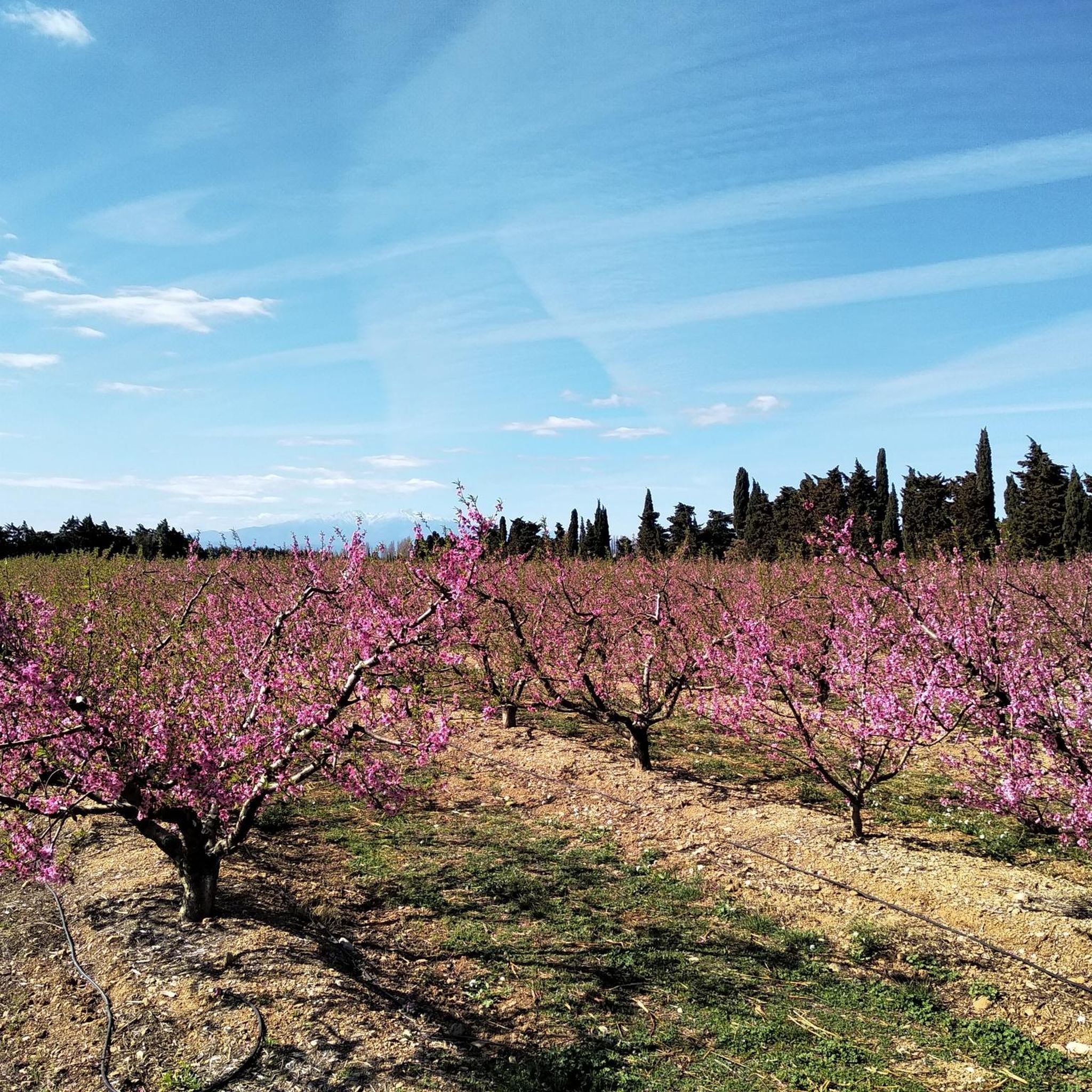
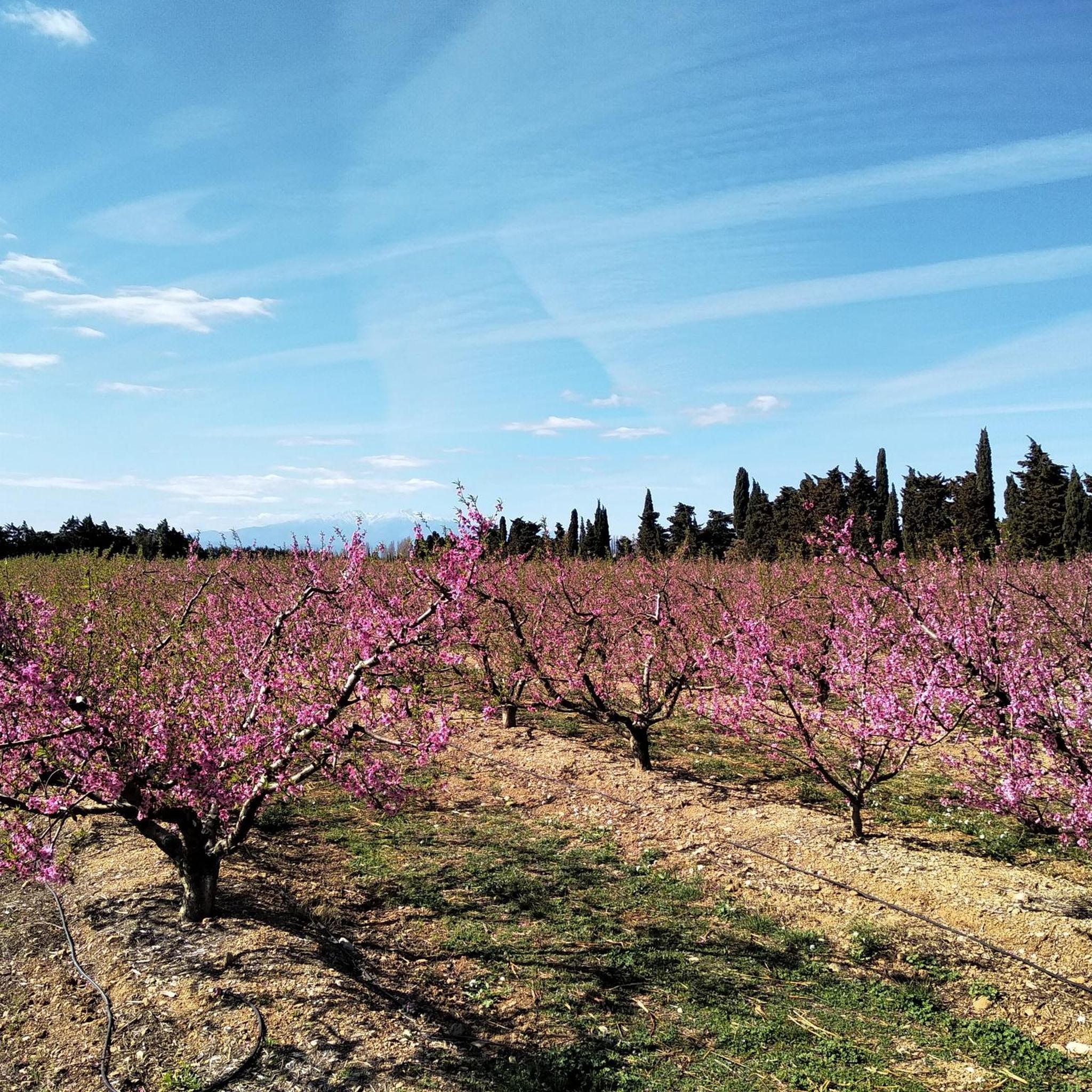
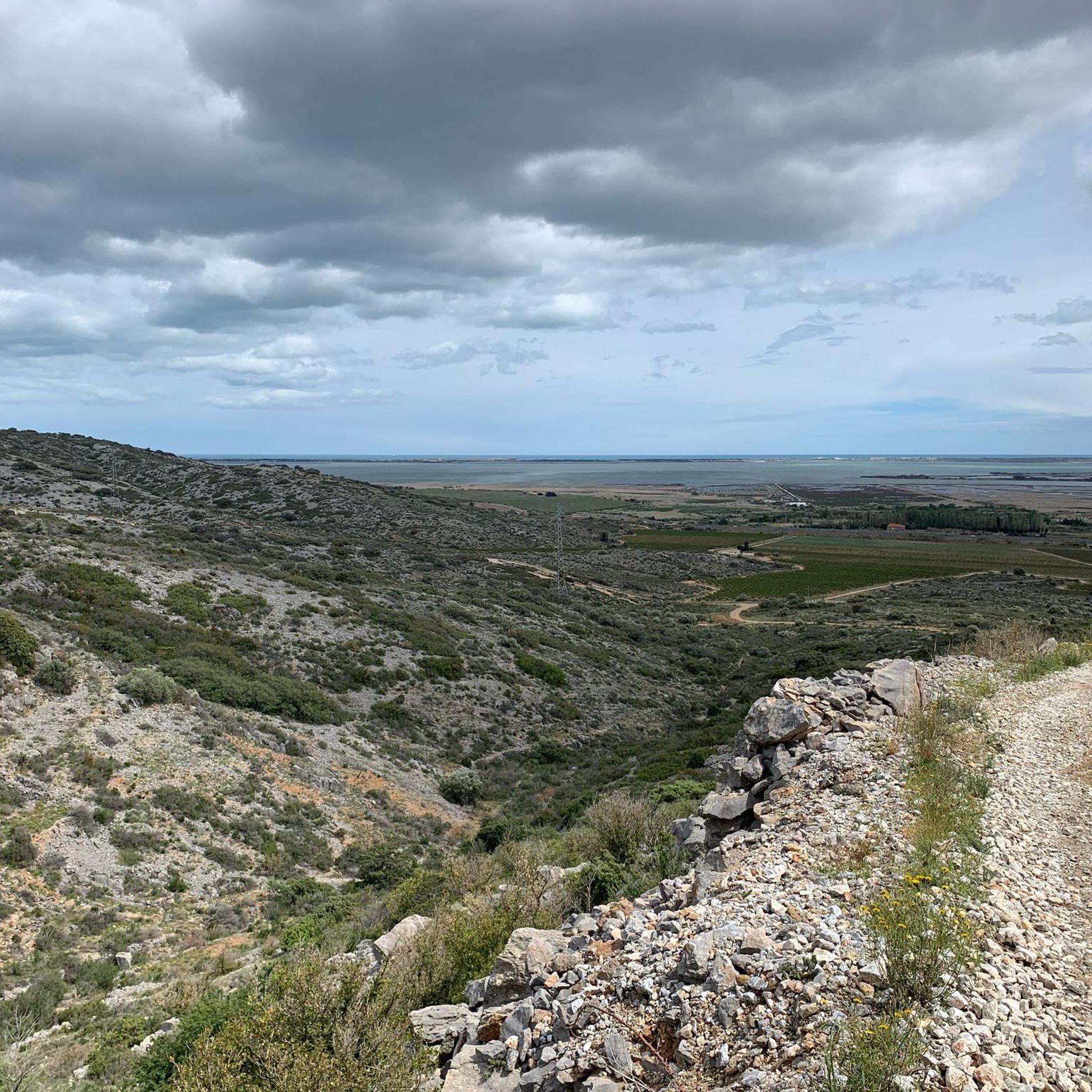
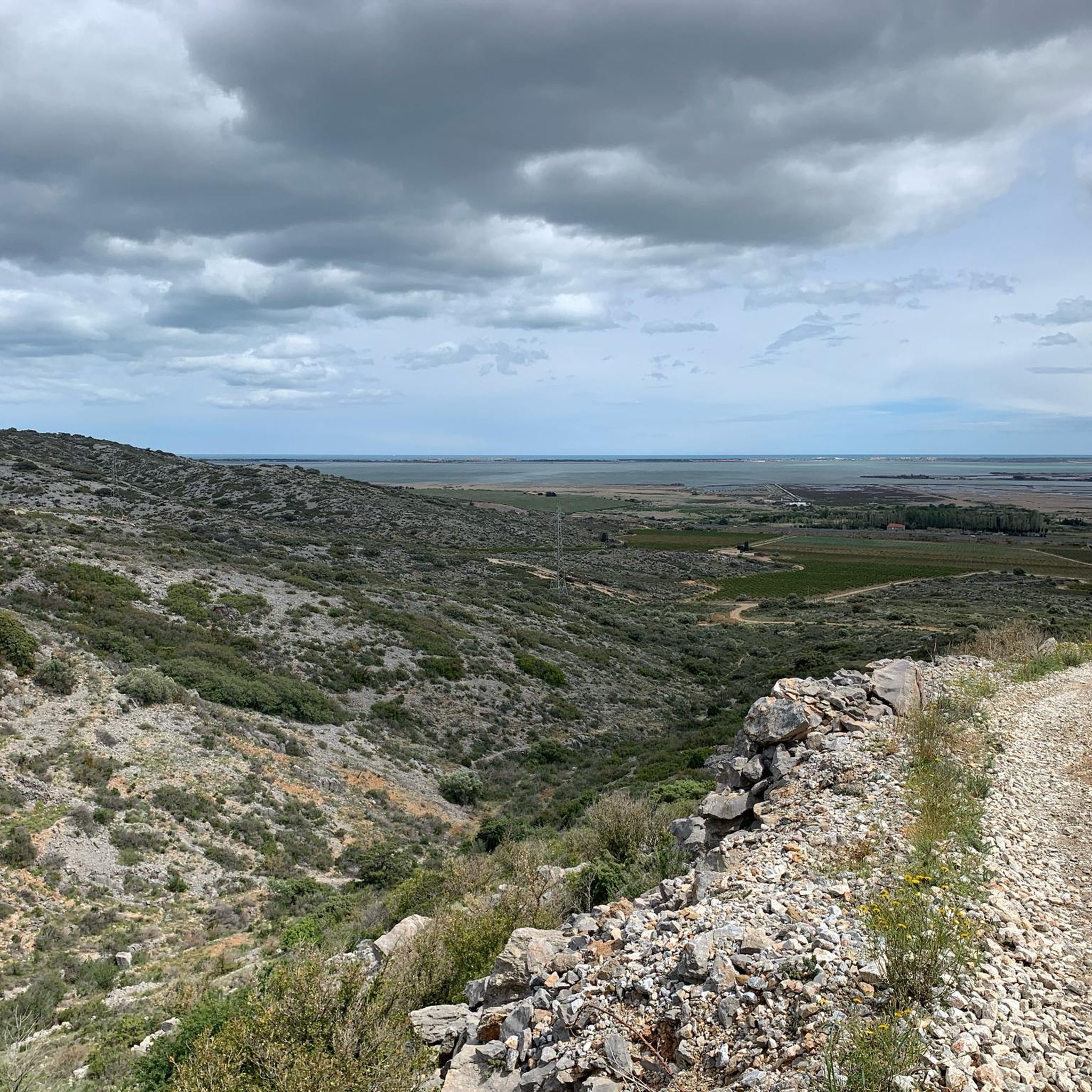
Mountain biking around Salses-Le-Château offers a diverse landscape for riders. The region features a mix of flat plains, rolling hills, and historical landmarks, providing varied terrain for mountain bike trails. Riders can expect to encounter countryside paths, vineyards, and views towards the coast. The area's geology contributes to a range of surfaces suitable for different skill levels.
Best mountain bike trails around Salses-Le-Château
- The most popular mountain bike trail is Salses Fortress – Concrete ruins loop from Salses, a…
Last updated: November 18, 2026
4.3
(6)
30
riders
33.4km
02:50
520m
520m
Moderate mountain bike ride. Good fitness required.
4.4
(5)
21
riders
30.0km
01:43
190m
190m
Easy mountain bike ride.

3.7
(10)
11
riders
34.6km
02:13
480m
480m
Moderate mountain bike ride. Good fitness required.
5.0
(2)
24
riders
14.4km
00:45
10m
10m
Easy mountain bike ride.
1.0
(1)
7
riders
32.4km
02:56
710m
700m
Moderate mountain bike ride. Good fitness required.
Get access to more routes and recommendations from other explorers.
Already have an account?
Our route recommendations are based on thousands of hikes, rides, and runs completed by other people on komoot.
Start today with a free account
Your next adventure awaits.
Tips from the Community

Impressive fortress from the end of the 15th century, when all of Catalonia still belonged to Spain. Here, 1500 people could withstand sieges lasting weeks; everything needed to survive longer sieges was within the fortress.
0
0

An attractive small town that has retained much of its original atmosphere. Approximately 5,000 people live in the entire municipality year-round, and 45,000 in the summer.
0
0
In Tautavel there is a small restaurant where we fortified ourselves with a salad with warm goat cheese. Coming from Saint-Paul-de-Fenouillet, this was the first opportunity to eat or drink something. There were also no shops along the entire route. The last climb afterwards went well nonetheless.
0
0

Anyone familiar with oysters knows that they can have very different flavors, depending not only on the subspecies but also on their origin. The Pacific rock oyster, which is the most common in Europe after the European oyster largely became extinct, tastes different on the French Atlantic coast, for example, than in Ireland or Scotland. Oysters from the European Atlantic share a relatively high salt and mineral content. Oysters from the Mediterranean, on the other hand, are somewhat milder and have a spicy aftertaste, similar to the "Blue Point" oyster from the US East Coast. The restaurant is irrelevant; it's all about the oyster itself, and of course, the price, which is outrageously high in Germany, for example. Personally, I prefer Breton and Norman oysters because they are distinctive and meaty.
0
0

The history of the fort dates back to the Middle Ages, when Leucate became a border town, bordering two kingdoms. This castle was the counterpart to that of Salses, on the Spanish side. Numerous events punctuated its history, including repeated episodes of war and several memorable sieges. The most famous is undoubtedly that of 1590, during which Françoise de Cézelly earned her heroic status thanks to her heroic resistance. The fort's architecture has undergone several variations. The first, from the Middle Ages (12th and 13th centuries), was very rudimentary, with a keep originally made of wood, then quickly rebuilt in stone, and a simple manor house, which were more or less sufficient to withstand the weapons of the time. A second stone wall was built during the 13th century, taking into account the growing strategic importance of the place. It was during the Renaissance (early 16th century) that Leucate Castle underwent its greatest evolution. This was partly necessitated by the damage caused by the siege of 1590. It employed a concept that was avant-garde for the time: bastioned enclosures, devised by a handful of Italian architects, including Leonardo da Vinci. The goal was to adapt fortresses to advances in artillery. This technique would reach its peak some 150 years later with the "Vauban-style" fortresses, characterized by their star-shaped shape. It has recently been revealed that Leucate Castle was the first prototype built in Europe using this principle. The signing of the Treaty of the Pyrenees in 1659 by King Louis XIV definitively put an end to the border problems with Spain. At the same time, the castle's strategic value disappeared. As it was costly to maintain, first to the Province and then to the Crown, it was decided to destroy it outright. The concept of heritage was obviously nonexistent at the time. The project was awarded to a mason from Narbonne, who was given access to the gunpowder stored in the fortress's casemates. By 1665, the project was completed, and Leucate Castle had taken on the appearance it has today. The building was listed as a historic monument in 2006 (Wikipedia)
0
0

It was built between 1497 and 1502 in the Principality of Catalonia by the Catalan King Ferdinand II of Aragon. The fortress guarded the Catalan side of the border with France. France conquered this fortress in 1642. After the Treaty of the Pyrenees, the fortress became part of France.
1
0
Tautavel , located in the heart of the Catalan vineyards, in the Pyrénées-Orientales region of France, is best known for its prehistoric site , where the remains of Tautavel Man were discovered, dating back over 450,000 years. Both a museum and an open-air excavation area can be visited.
15
0

Frequently Asked Questions
How many mountain bike trails are available around Salses-Le-Château?
There are over 220 mountain bike trails in the Salses-Le-Château area, offering a wide range of options for different skill levels and preferences.
Are there mountain bike trails suitable for beginners or families in Salses-Le-Château?
Yes, Salses-Le-Château offers a good selection of easier routes. You'll find over 80 easy mountain bike trails, many of which are suitable for beginners or families looking for a less strenuous ride. These often feature flatter terrain and well-maintained paths.
What kind of challenging mountain bike trails can I find in Salses-Le-Château?
For experienced riders seeking a challenge, there are 23 difficult mountain bike trails around Salses-Le-Château. These routes often feature more significant elevation changes and technical sections. An example of a longer, more demanding ride is the Salses Fortress – Le Grau de Leucate loop from Salses, which covers over 150 km.
What is the best season for mountain biking in Salses-Le-Château?
The Salses-Le-Château region generally benefits from a Mediterranean climate. Spring and autumn are often ideal, offering pleasant temperatures and less intense sun than summer. Winter can also be suitable, though some trails might be affected by rain. Summers can be very hot, so early morning or late afternoon rides are recommended if biking during this season.
Are there any circular mountain bike routes in Salses-Le-Château?
Many of the mountain bike trails in Salses-Le-Château are designed as circular routes, allowing you to start and finish at the same point. For instance, the Salses Fortress – Montpin Water Tower loop from Salses is a popular circular option that takes you through varied landscapes.
What historical landmarks can I see along the mountain bike trails?
The region is rich in history. Many trails pass by significant landmarks such as the impressive Salses Fortress. You might also encounter other historical sites like the village of Perillos or the Château de Tautavel, offering a blend of natural beauty and cultural exploration.
Are there any natural attractions or gorges accessible by mountain bike?
While the immediate trails around Salses-Le-Château focus on plains and hills, the wider region offers natural wonders. You can find highlights like the Gouleyrous Gorge or the Tautavel Gorge, which are popular for their dramatic landscapes and can be incorporated into longer rides or visited separately.
What do other mountain bikers enjoy most about the trails in Salses-Le-Château?
The mountain bike trails in Salses-Le-Château are highly rated by the komoot community, with an average score of 4.2 stars from over 800 reviews. Riders often praise the diverse terrain, which includes countryside paths and vineyards, and the opportunity to explore historical sites like the Salses Fortress.
How long do mountain bike trails typically take to complete in this area?
Trail durations vary significantly based on distance and difficulty. Moderate routes like the Perillos – Salses Fortress loop from Salses, which is about 39 km, can take around 3.5 hours. Shorter, easier trails might be completed in under an hour, while the most challenging routes can extend to a full day's ride.
Are there any less crowded mountain bike trails in Salses-Le-Château?
While some popular routes, especially those near the Salses Fortress, can see more traffic, the extensive network of over 220 trails means it's often possible to find quieter paths. Exploring trails slightly further afield from the main attractions or riding during off-peak hours can lead to a more solitary experience.
What is the typical terrain like for mountain biking around Salses-Le-Château?
The terrain around Salses-Le-Château is quite varied. You'll encounter a mix of flat plains, rolling hills, and paths through vineyards. Surfaces can range from smooth dirt tracks to gravel and some rockier sections, providing a diverse riding experience suitable for different mountain biking styles.
Most popular routes around Salses-Le-Château
Most popular attractions around Salses-Le-Château

Get inspired with the komoot mobile app


Explore more
Browse the best MTB trails in other regions.
