Attractions and Places To See around Le Poinçonnet - Top 20
Best attractions and places to see around Le Poinçonnet, a commune in the Indre department of France, offers a combination of natural landscapes and cultural sites. Situated near Châteauroux, the area provides a tranquil setting with access to both local points of interest and nearby urban attractions. The region features expansive forests, historic architecture, and walking routes that highlight its heritage.
Best attractions and places to see around Le Poinçonnet
- The most popular attractions is Raoul Castle, a castle…
Last updated: July 20, 2026
Châteauroux
Highlight • Castle
Translated by Google •
Tip by

Cordeliers Convent
Highlight • Other
Translated by Google •
Tip by

Sign up now to discover places like this
Get recommendations on the best single tracks, peaks, & plenty of other exciting outdoor places.
Sign up for free
Lys-Saint-Georges
Highlight • Other
Translated by Google •
Tip by

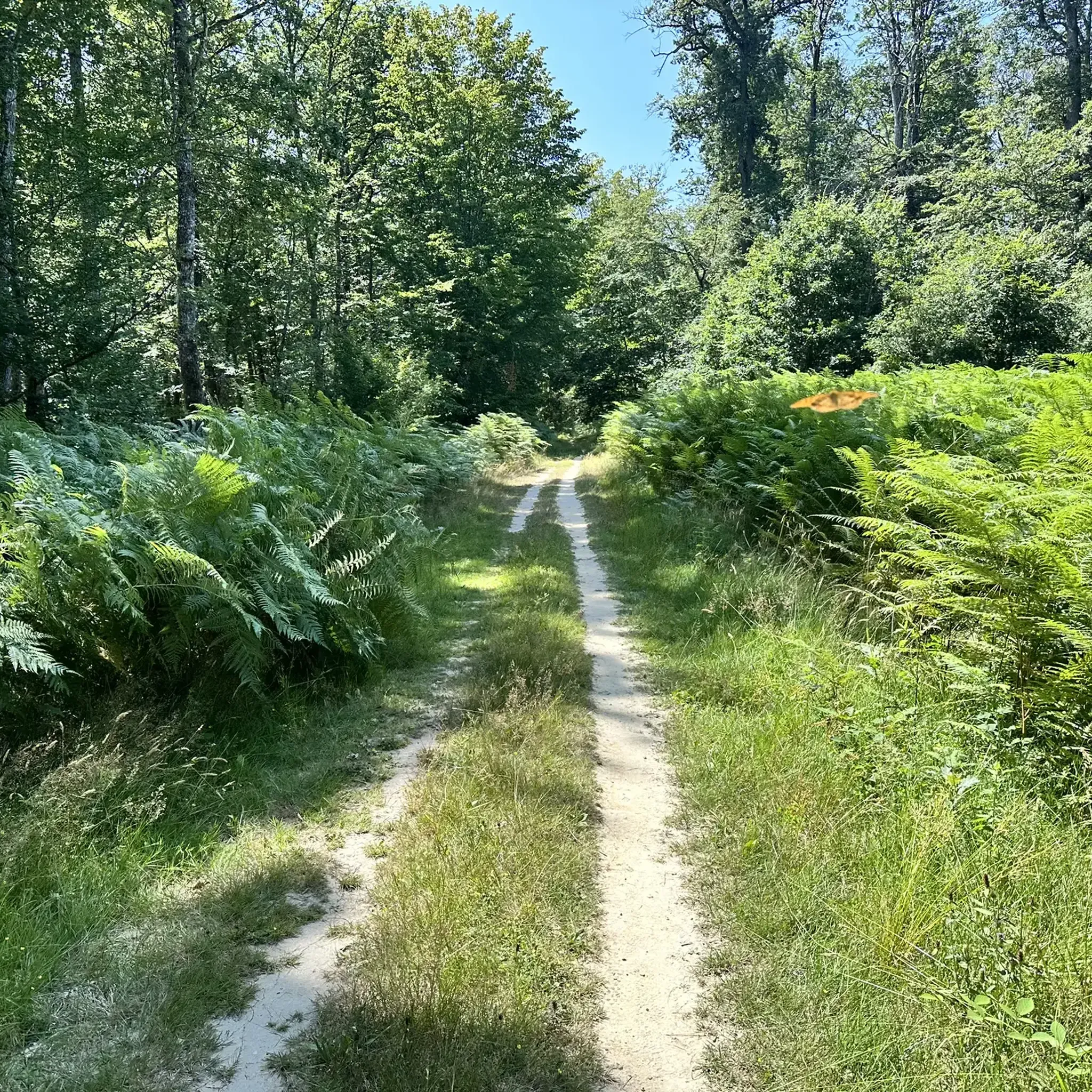
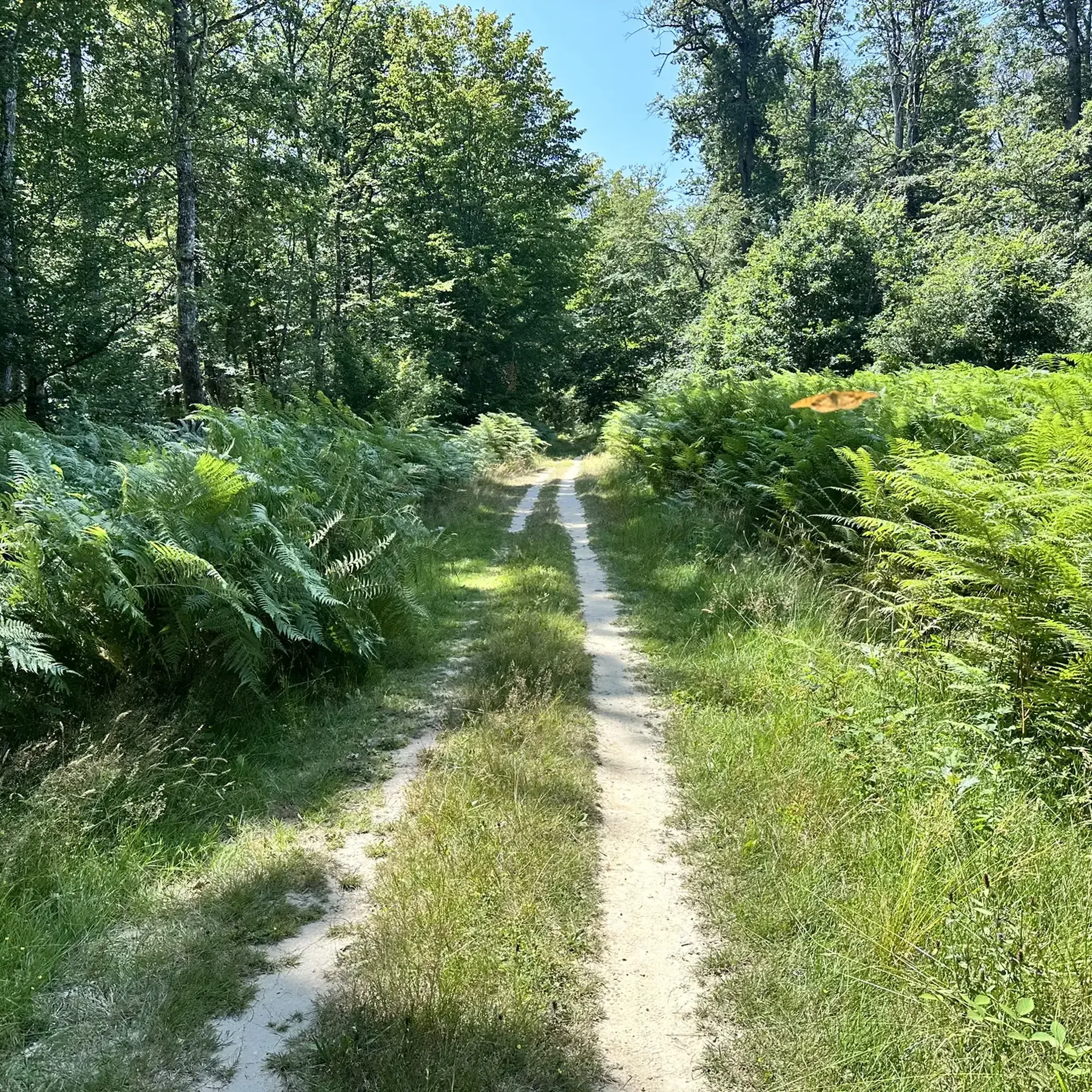
Hiking in the Poinçonnet forest
Highlight • Other
Translated by Google •
Tip by
Saint-André Church
Highlight • Religious Site
This beautiful "white" church has recently been restored.
Translated by Google •
Tip by
Sign up for free to discover even more attractions around Le Poinçonnet.
Sign up for free
Already have an account?
Start today with a free account
Your next adventure awaits.
Login or Signup



Tips from the Community

A peaceful medieval monastery with simple architecture, beautiful terraced gardens, and views of the city and river. A wonderful stop on your walk to pause, soak up the atmosphere, and enjoy the history and greenery together.
3
0
The Châteauroux Forest (around Le Poinçonnet) is a truly beautiful place to hike, get some fresh air, and escape the hustle and bustle. There are many hiking, running, and mountain biking trails, ranging from easy to medium in distance and difficulty.
2
0
The Saint-André de Châteauroux church is a neo-Gothic church dating from the late 187th century (with double spires), often nicknamed "cathedral" due to its size. This beautiful "white" church has recently been restored.
1
0

Châteauroux is a medieval town named after a nobleman, Raoul le Large, who built a castle on the banks of the Indre River. Over the centuries, the name Château Raoul evolved into Châteauroux. This historic town is also home to a Cluniac abbey founded in 917, whose grounds can be explored by canoe.
0
0
The Cordeliers de Châteauroux convent was founded in the 13th century by religious mendicants. Destroyed in the 16th century, the convent was not restored until 1975.
0
0
Chateauroux is a medieval city that takes its name from a nobleman, named Raoul le Large, who had a castle built on the banks of the Indre. Over the centuries, the name changed from Château Raoul to Chateauroux. This historic town is also home to a Cluniac abbey founded in 917, the surroundings of which can be visited by canoe.
1
0
The Couvent des Cordeliers de Chateauroux was founded in the 13th century by religious beggars. Destroyed in the 16th century, the convent was only restored in 1975.
0
0

The castle is surrounded by a moat and was built in the 14th, 15th and 16th centuries on the remains of an earlier fortress, of which only the 13th century keep remains. The castle was used as a fortress by the English during the Hundred Years War.
2
0
Frequently Asked Questions
What are the main natural attractions around Le Poinçonnet?
The most significant natural attraction is the Forêt Domaniale de Châteauroux, an expansive forest offering numerous trails for walking, cycling, and horseback riding. You can also explore the "Circuit de l'eau," a 9 km walking route through Le Poinçonnet that highlights old wells, a washhouse, and a pond, showcasing local biodiversity and heritage. The Valley of the Indre and Prairies de l'Indre also provide natural landscapes for walks.
Are there historical sites to visit near Le Poinçonnet?
Yes, the area is rich in history. You can visit Raoul Castle, which gave the town of Châteauroux its name, and the Cordeliers Convent, a peaceful medieval monastery with terraced gardens. The historic town of Châteauroux itself offers many churches, castles, and museums. Further afield, consider the Abbey Notre-Dame de Déols and the Maison de George Sand in Nohant-Vic.
What kind of outdoor activities can I do around Le Poinçonnet?
Le Poinçonnet is ideal for outdoor enthusiasts. The Châteauroux National Forest provides excellent opportunities for hiking, running, and mountain biking. You can also enjoy cycling on various routes, including those that explore the forest and surrounding areas. For specific routes, you can find many options for running, cycling, and road cycling.
Are there family-friendly attractions or activities in the area?
Families can enjoy exploring the vast Forêt Domaniale de Châteauroux, which offers easy trails suitable for all ages for walking and cycling. The "Circuit de l'eau" in Le Poinçonnet is also a pleasant and educational walk. The nearby town of Châteauroux has parks and historic sites that can be explored together.
Where can I go for a walk or hike near Le Poinçonnet?
The Forêt Domaniale de Châteauroux is a prime location for walks and hikes, with numerous trails of varying difficulty. The "Circuit de l'eau" in Le Poinçonnet offers a unique 9 km heritage walk. For a specific highlight, consider Hiking in the Poinçonnet forest, which is known for its beautiful scenery and fresh air. The Valley of the Indre also features small paths for leisurely strolls.
What is the best time of year to visit Le Poinçonnet for outdoor activities?
The spring and autumn months generally offer the most pleasant weather for outdoor activities like hiking and cycling, with mild temperatures and beautiful natural scenery. Summer can also be enjoyable, especially in the shaded areas of the Châteauroux National Forest, though it can be warmer.
Can I spot wildlife in the natural areas around Le Poinçonnet?
Yes, the Forêt Domaniale de Châteauroux is known for its rich wildlife, including deer and roe deer. The diverse flora and fauna of the forest make it a good spot for nature observation. The Prairies de l'Indre, a natural wetland, also hosts a rich variety of flora and fauna.
What is the significance of the Lourouer-les-Bois Church Tower?
The Lourouer-les-Bois Church Tower is a historic landmark, representing the heart of the former federation of villages that now form Le Poinçonnet. The original church, built in the 12th century, was a significant part of the area's heritage, and its bell tower remains today, though the site is now private.
Are there any cultural events or centers in Le Poinçonnet?
Le Poinçonnet is home to the Centre Culturel Asphodèle, a polyvalent hall that hosts cultural events and shows. The municipality organizes an annual cultural season, providing opportunities to enjoy various performances and artistic expressions within the commune.
What are some notable nearby towns or attractions outside of Le Poinçonnet?
Just 6 km away, Châteauroux offers a wider range of attractions, including its historic center, Château Raoul, churches, and gardens. Further afield, you can visit the Maison de George Sand in Nohant-Vic (a UNESCO World Heritage site) or the Abbey Notre-Dame de Déols. The Brenne Natural Regional Park, about 38 km away, is also excellent for cycling and enjoying quiet lakes.
What do visitors particularly enjoy about the attractions around Le Poinçonnet?
Visitors appreciate the blend of history and nature. They enjoy the peaceful atmosphere of the medieval sites like Cordeliers Convent and the historical depth of Raoul Castle. The expansive Forêt Domaniale de Châteauroux is highly valued for its beauty, fresh air, and numerous trails for hiking, running, and mountain biking, offering a great escape into nature.
Can I find dog-friendly trails in the Le Poinçonnet area?
The Forêt Domaniale de Châteauroux is generally welcoming for dog walkers, offering many trails where you and your dog can enjoy the natural surroundings. It's always a good idea to keep dogs on a leash and respect local regulations regarding pets in natural areas.
Most popular routes around Le Poinçonnet

Get inspired with the komoot mobile app


Explore more
Still not found the Highlight you’re looking for? See guides of the top attractions in other regions:
