The best walks and hikes around Saint-Julien-De-Chédon
4.1
(140)
671
hikers
43
hikes
Hiking around Saint-Julien-De-Chédon offers routes through a landscape characterized by gentle elevations, historical sites, and river valleys. The area features a mix of open countryside and wooded sections, with paths often leading past châteaux and ancient mills. Many trails explore the unique troglodyte dwellings carved into the local rock formations. The terrain is generally accessible, making it suitable for various hiking abilities.
Best hiking trails around Saint-Julien-De-Chédon
- The most popular hiking route is Château de Chissay et moulin Fort —…
Last updated: November 19, 2026
4.5
(16)
43
hikers
5.58km
01:30
70m
70m
Easy hike. Easily walkable paths.
4.6
(11)
52
hikers
Moderate hike. Good fitness required. Easily walkable paths.

4.0
(6)
10
hikers
11.9km
03:14
170m
170m
3.5
(2)
13
hikers
Moderate hike. Good fitness required. Easily walkable paths.
5.0
(2)
23
hikers
11.6km
02:56
20m
20m
Moderate hike. Good fitness required. Easily walkable paths.
Get access to more routes and recommendations from other explorers.
Already have an account?
Our route recommendations are based on thousands of hikes, rides, and runs completed by other people on komoot.
Start today with a free account
Your next adventure awaits.
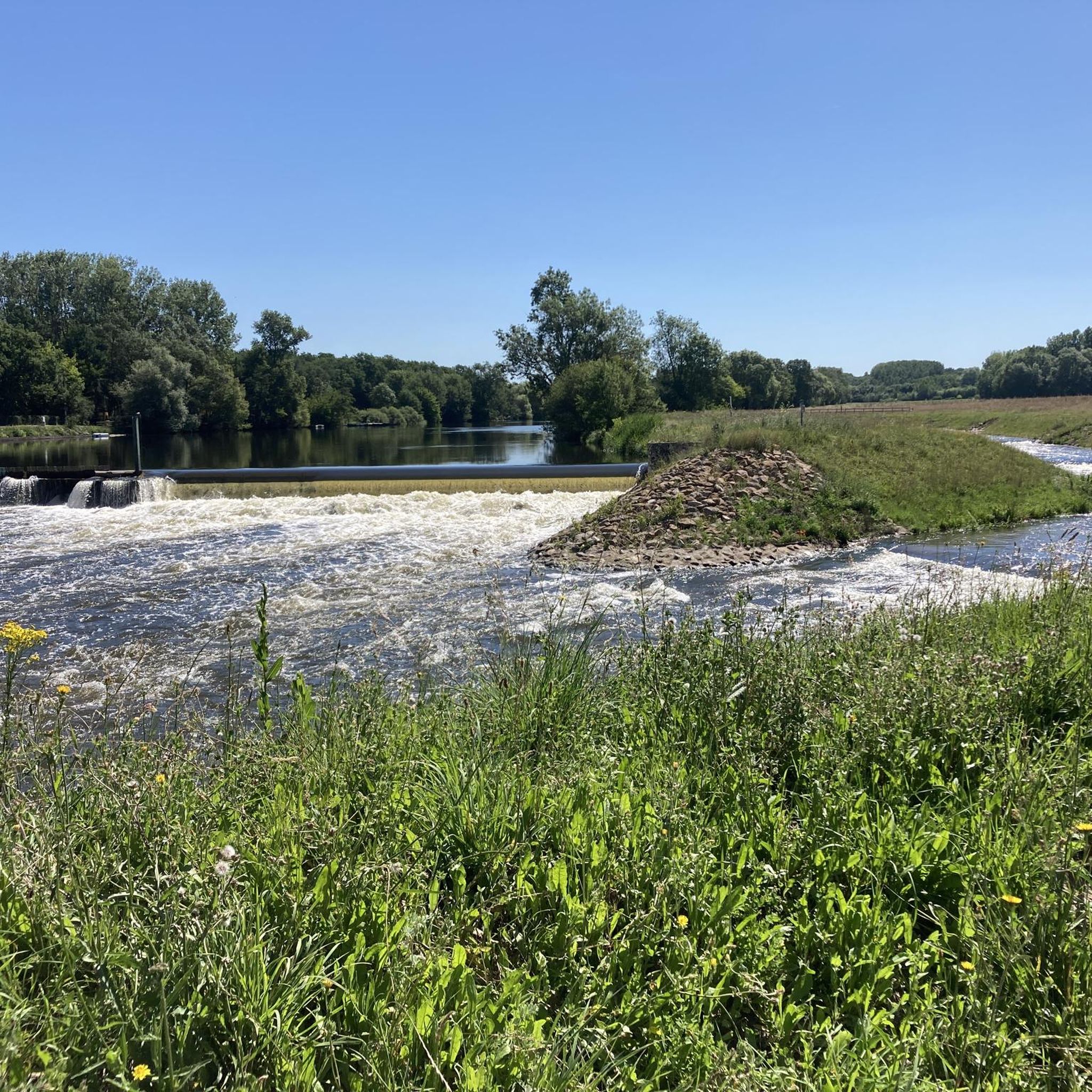
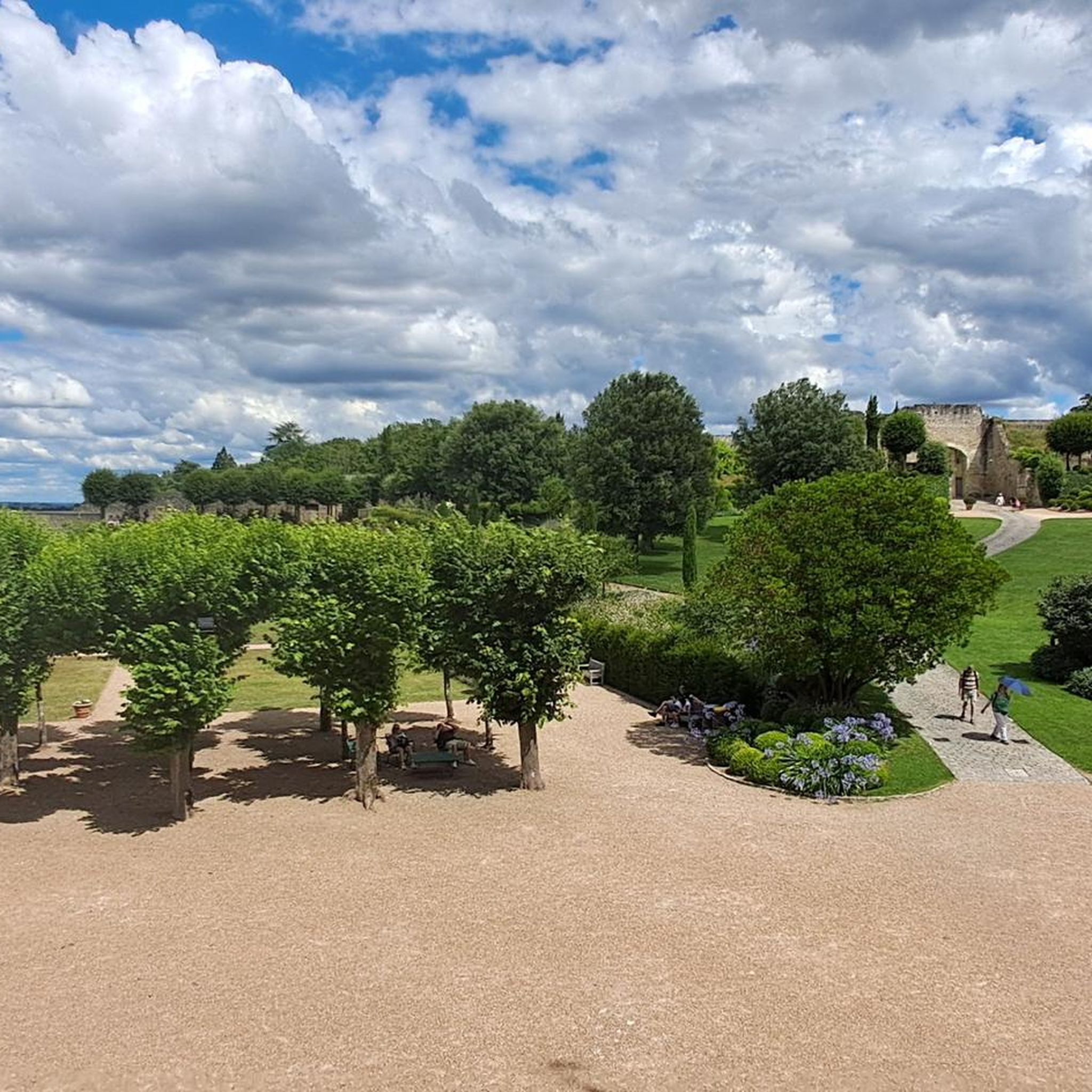

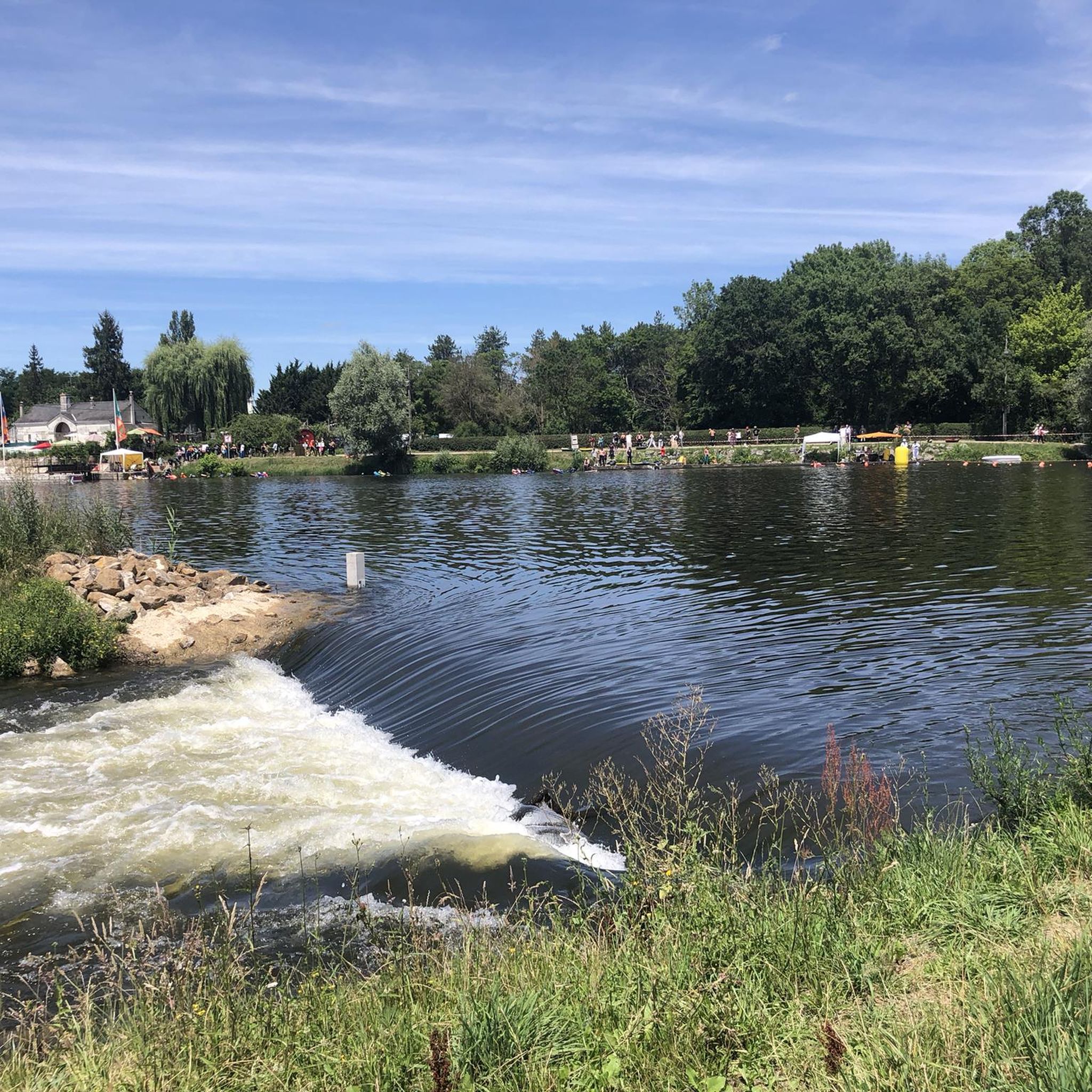

Tips from the Community

A tower that was deliberately sawn off. Yes, really. During this loop through Montrichard Val de Cher, you'll climb to the ruins of the Château de Montrichard. With views over the Cher, it's as if you were ruling the region yourself. Only... that keep didn't collapse. It was deliberately lowered by Henry IV. Impressive. A magnificent view.
3
0
Did you know: During the First World War, the castle was converted into a hospital for wounded soldiers by its owner, Simonne Menier (of the Menier chocolate family). – Long rows of camp beds lined the large gallery above the Cher River. – More than 2,000 wounded were reportedly cared for within the castle walls. A bizarre contrast: the ornate Renaissance halls as a place for bandages, operations, and recovery.
3
0

Today the chateau functions as a hotel/restaurant – nice surroundings, good food, very friendly staff, and still at acceptable prices.
1
0


Inspired by a Venetian Palace, it was Catherine de Medici who gave Chenonceau its unique architecture. This Renaissance masterpiece, nicknamed the "Château des Dames" is also exceptional for the richness of its history. In 1513, Katherine Briçonnet directed the construction work. Then it was successively embellished by Diane de Poitiers, the King's mistress, initiator of the bridge and Catherine de Medici who imagined the two refined galleries that span the river. It was François 1er who married the Florentine with his son Henri II. By marrying him, this illustrious queen would make Chenonceau and the court of France shine with all the Italian splendor. Obtained at the time of Diane de Poitiers' disgrace, this dream home has always been her favorite residence. She stayed there very often, offering her sons memorable parties. But Catherine had more ambitious plans, and wanted to make her "castle on the water" a grand residence of the Court. A true art gallery, Chenonceau is also distinguished by the wealth of its collections, tapestries and paintings by the greatest European masters of the 16th, 17th and 18th centuries. The Médicis gallery is a Cabinet of Curiosities that also presents many treasures, as well as documents allowing a better understanding of the stages of construction and the highlights of the history of the château. In 2019, to celebrate "500 years of Renaissance" and pay tribute to Catherine de Médicis, the château opened a new place to the public: "The Queen's Apothecary", the only one presented in a monument in the Loire Valley. Restored "in situ" for 3 years, it houses priceless sets of precious pots, paintings and mortars. Visiting Chenonceau also means discovering sumptuous historic gardens, a new contemporary garden, as well as a Labyrinth and a Flower Vegetable Garden. The 80-hectare park is home to many animals and birds living in freedom. Visitors can walk there freely, with their pets, because the castle is Pet Friendly. In 2020: The “Cabinet of Physics and Chemistry of Chenonceau”, created by Jean Jacques ROUSSEAU in the 18th century, will open its doors to the public, and the summer Night Walk will be enriched with new illuminations.
3
0

Very beautiful town with all its shops, many small restaurants, a beach... It's good to live there😏
1
0

Pretty little village with the added bonus of Château de Chissay, a former fortified castle which was built under Charles VII for the treasurer of France. Today a Hotel / Restaurant.
0
0
Nice view of the village crossing the bridge, with the castle and Museums of Montrichard in the distance. The castle is an 11th century fortress, now a museum.
0
0
Frequently Asked Questions
How many hiking trails are available around Saint-Julien-De-Chédon?
There are over 40 hiking trails around Saint-Julien-De-Chédon, offering a variety of experiences. These include 14 easy routes, 26 moderate routes, and 2 more challenging options, catering to different fitness levels.
What makes hiking in Saint-Julien-De-Chédon unique?
The region is characterized by its gentle elevations, historical sites, and river valleys. Hikers can explore a mix of open countryside and wooded sections, often passing by ancient châteaux, mills, and the unique troglodyte dwellings carved into local rock formations. The terrain is generally accessible, making it suitable for various hiking abilities.
Are there easy hiking trails suitable for beginners in Saint-Julien-De-Chédon?
Yes, Saint-Julien-De-Chédon offers 14 easy hiking routes perfect for beginners or those looking for a relaxed walk. An excellent example is the Circuit des troglodytes — loop from Bourré, which is 3.5 miles (5.6 km) long and features unique troglodyte houses.
Can I find circular hiking routes in Saint-Julien-De-Chédon?
Many of the trails in the area are circular, allowing you to start and end at the same point. For instance, the Pontcher Loop is a 7.4 miles (11.9 km) route that takes you through varied countryside, offering a complete loop experience.
Are there trails where I can see historical sites or châteaux?
Absolutely. The region is rich in history. Many trails lead past impressive landmarks such as the Château de Chissay or the Gué-Péan Castle. The Château de Chissay et moulin Fort — boucle depuis Chissay-en-Touraine is a popular route that specifically explores historical landmarks.
Are there trails that feature the unique troglodyte dwellings?
Yes, the troglodyte dwellings are a distinctive feature of the area. The Circuit des troglodytes — loop from Bourré is an excellent choice to experience these fascinating cave homes and learn about the local architecture.
What is the typical duration for hikes in this area?
Hikes in Saint-Julien-De-Chédon vary in length and duration. Easy routes like the Circuit des troglodytes can take around 1 hour 30 minutes, while moderate trails such as the Pontcher Loop might take approximately 3 hours 15 minutes. There are options for shorter strolls and longer excursions.
What do other hikers say about the trails in Saint-Julien-De-Chédon?
The routes in Saint-Julien-De-Chédon are highly rated by the komoot community, with an average score of 4.5 stars from over 100 reviews. Hikers often praise the well-maintained paths, the blend of natural beauty with historical sites, and the unique experience of discovering troglodyte dwellings.
Are dogs allowed on the hiking trails around Saint-Julien-De-Chédon?
Generally, dogs are welcome on many hiking trails in the region, especially if kept on a leash. However, it's always advisable to check specific local regulations or signage, particularly in nature reserves or near private properties, to ensure a pleasant experience for everyone.
Where can I park when hiking in Saint-Julien-De-Chédon?
Parking availability varies by trailhead. Many villages and popular starting points for hikes, such as Chissay-en-Touraine or Bourré, offer designated parking areas. It's recommended to check the specific route details on komoot for information on parking at the start of your chosen trail.
Are there any family-friendly hiking options in Saint-Julien-De-Chédon?
Yes, the region offers several family-friendly routes, particularly among the 14 easy trails. These often feature gentle terrain and interesting sights like the troglodyte houses, making them engaging for children. The shorter, less strenuous loops are ideal for families.
What is the best time of year for hiking in Saint-Julien-De-Chédon?
The spring and autumn months are generally ideal for hiking in Saint-Julien-De-Chédon, offering pleasant temperatures and beautiful scenery. Spring brings blooming flora, while autumn showcases vibrant foliage. Summer can also be enjoyable, especially in the mornings or late afternoons, though it can be warmer.
Most popular routes around Saint-Julien-De-Chédon
Most popular attractions around Saint-Julien-De-Chédon

Get inspired with the komoot mobile app


Explore more
Browse the best Hikes in other regions.
