Attractions and Places To See around Saint-André-En-Morvan - Top 20
Best attractions and places to see around Saint-André-En-Morvan include a blend of local heritage and natural landscapes. This rural commune in the Nièvre department of France acts as a gateway to the Morvan Regional Natural Park. The area features the Cure and Brinjane rivers, wooded foothills, and well-preserved wild landscapes. It provides access to historical landmarks within the village and a wider array of cultural sites and natural features throughout the Morvan.
Best attractions and places to see around Saint-André-En-Morvan
…Last updated: July 15, 2026
Basilica of Saint Mary Magdalene in Vézelay
Highlight • Religious Site
Translated by Google •
Tip by

Notre-Dame Church of Saint-Père
Highlight • Religious Site
Translated by Google •
Tip by

Sign up now to discover places like this
Get recommendations on the best single tracks, peaks, & plenty of other exciting outdoor places.
Sign up for free
Cordelle Chapel
Highlight • Religious Site
Translated by Google •
Tip by

Avallon
Highlight • Settlement
This is composed of a central nave flanked by two side …
Translated by Google •
Tip by

Saint Martin Church
Highlight • Other
Translated by Google •
Tip by
Sign up for free to discover even more attractions around Saint-André-En-Morvan.
Sign up for free
Already have an account?
Start today with a free account
Your next adventure awaits.
Login or Signup
Tips from the Community

This church, dedicated to the Holy Cross (Latin: "Santa Croce"), derives its patronage from the cross on which Jesus Christ died. The veneration of the Holy Cross is largely based on Saint Helena, the mother of Emperor Constantine the Great (who, after his victory at the Milvian Bridge in Rome, recognized Christianity as a religion and ended the long period of persecution with the Edict of Toleration of Milan in 312). She made a pilgrimage to the Holy Land (Israel/Palestine) in the early fourth century and brought numerous relics back to Europe, including the "True Cross," on which Jesus Christ was crucified. Helena is therefore often depicted with a cross as an attribute. The Church celebrates the Feast of the Discovery, public presentation, and veneration of the Holy Cross—called the "Exaltation of the Holy Cross"—on September 14th.
0
0


Very worthwhile visit to this beautiful church
1
0

Very small chapel with a Franciscan monastery. The monastery was only returned a few years ago. The monks are trying to rebuild the monastery through a project
1
0

The town of Avallon is home to very old monuments such as the Saint-Lazare church which is in front of you and a little further on the Clock Tower. The city center is very pleasant with its squares and fountains, and its very beautiful Maison des Sires de Domecy. By heading towards Quarré-les-Tombes you will see several islands located on the course of the Cousin, as well as remarkable old bridges spanning it. The statue of the famous Avallon frog, which you will not fail to see, was sculpted in Châtillonnais stone by Yvan Baudoin.
0
0
Saint Martin, to whom the church in Avallon is dedicated, is - along with Saint Nicholas - probably one of the most popular saints of all. The memorial day of the former officer in the Roman army is November 11th. On the night after the famous “parting of the coat,” when he leaves half of his army cloak to a freezing beggar, Jesus Christ appears to him in a dream. He then converted to Christianity and was later elected bishop of Tours (France) - initially against his will.
0
0

A true jewel of Burgundian Gothic art, the church of Saint Père sous Vézelay deserves a moment of attention. Built from the 13th to the 15th century and dedicated to the Virgin, it only became a parish church in the 16th century, succeeding the old Saint Pierre church which gave its name to the village and whose ruins can still be seen at the exit. south of the village. The 13th century bell tower, elegant and airy, 50m high, is visible for miles around. In the middle of the 19th century, the building was in a very advanced state of disrepair. However, Prosper Mérimée describes it as "a gothic cathedral in miniature". Viollet-le-Duc, then 26 years old, fell in love with the church of Saint Père, the restoration of which he launched in 1841. He worked until 1844 on the choir, the chapels and the nave. and in 1868, ends with the bell tower. However, due to a lack of resources, he practically does not intervene on the porch (or narthex). This part, which is the most striking because it evokes real stone lacework, was then restored by Boeswilwald between 1888 and 1889.
0
0
Frequently Asked Questions
What historical landmarks can I explore in and around Saint-André-En-Morvan?
Saint-André-En-Morvan and its surroundings are rich in history. Within the commune, you can see the historic Pont de Saint-André, dating back to 1844, and the impressive 12th-century Parish Church, which houses a 16th-century 'Vierge de pitié' and a 15th-century altarpiece. Other local historical interests include the Aqueduc du Merlin and various calvaires, washhouses, and mills. Nearby, don't miss the Pierre-Perthuis Stone Bridge, a restored Roman bridge offering great views, or the Cordelle Chapel, a Romanesque chapel where Saint Bernard preached the Second Crusade.
Are there any notable religious sites to visit near Saint-André-En-Morvan?
Yes, several significant religious sites are accessible from Saint-André-En-Morvan. The local Parish Church, a Romanesque structure from the 12th century, is notable for its historical artifacts. A short distance away, you can visit the Cordelle Chapel, a small Romanesque chapel with a Franciscan monastery. Also, the Notre-Dame Church of Saint-Père is a masterpiece of Burgundy Flamboyant Gothic style, and the Saint Martin Church in Avallon is another beautiful historical church.
What natural features and landscapes can I discover in the area?
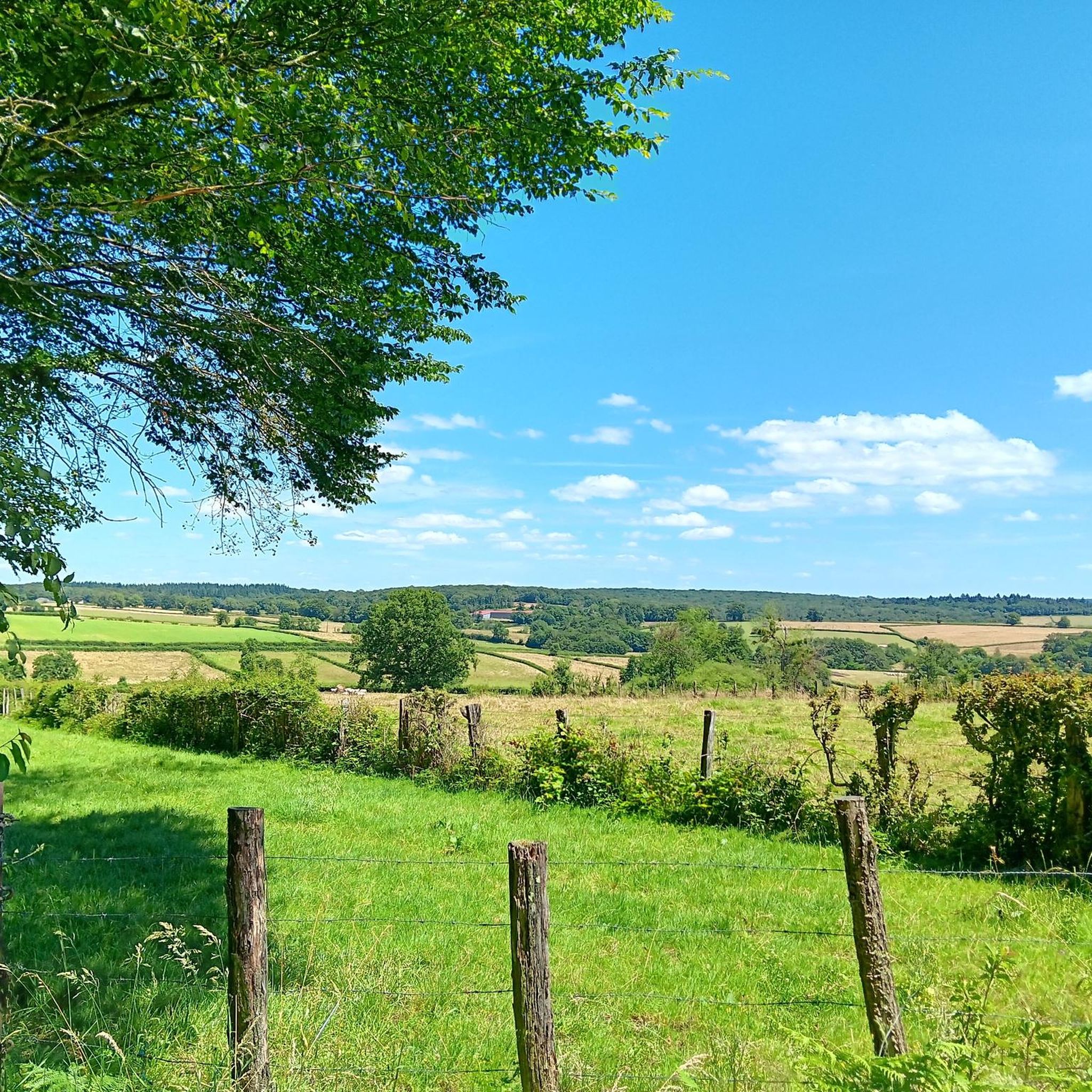
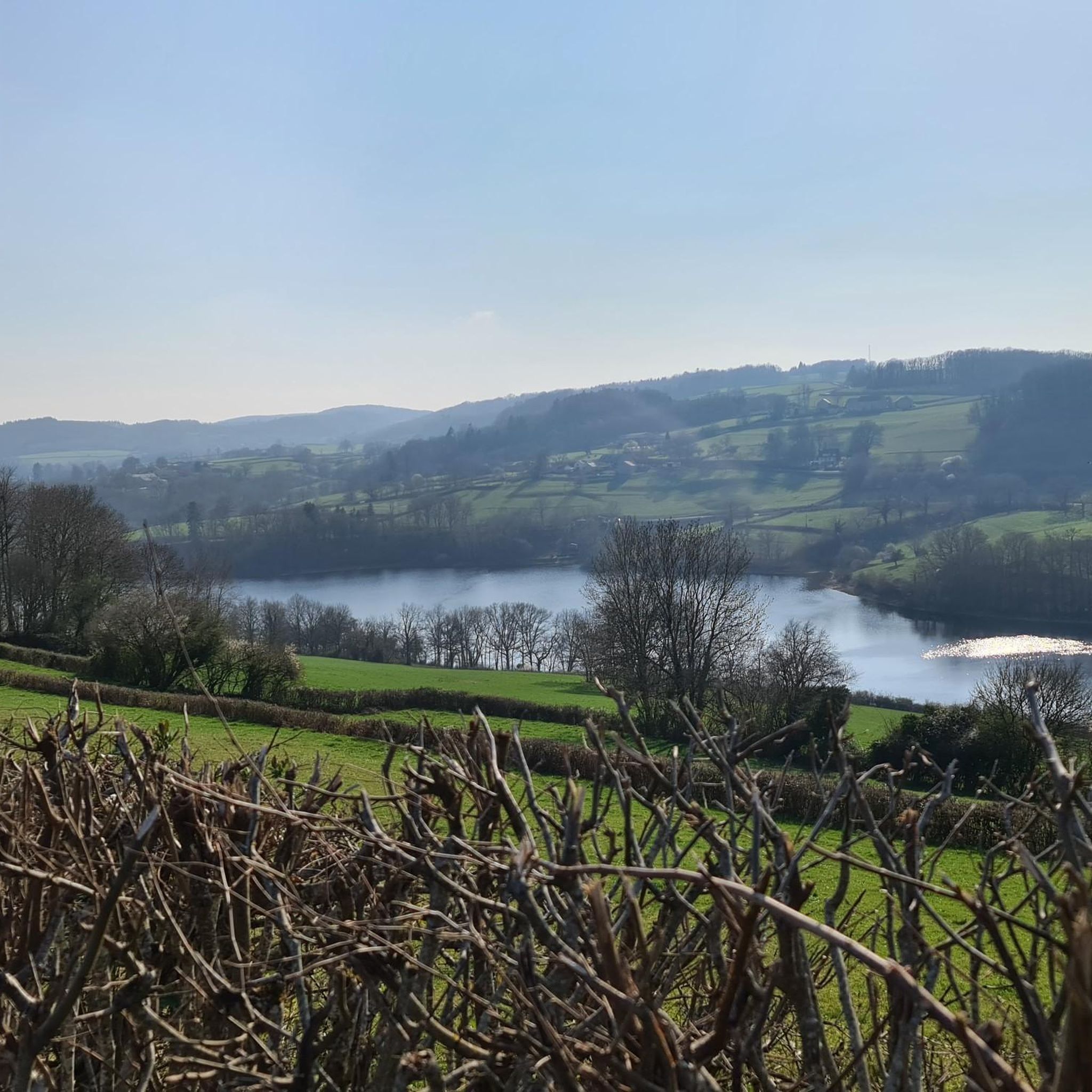
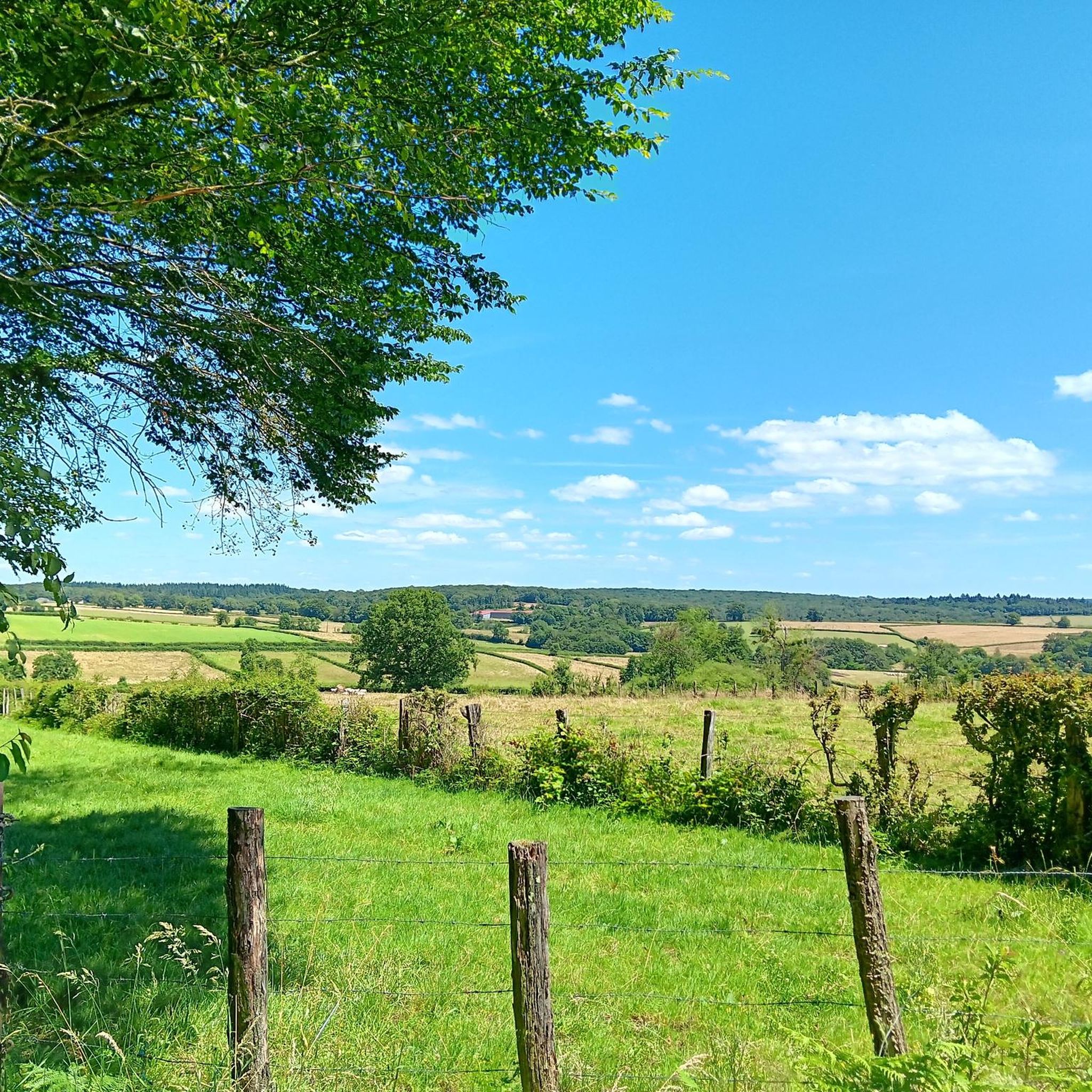
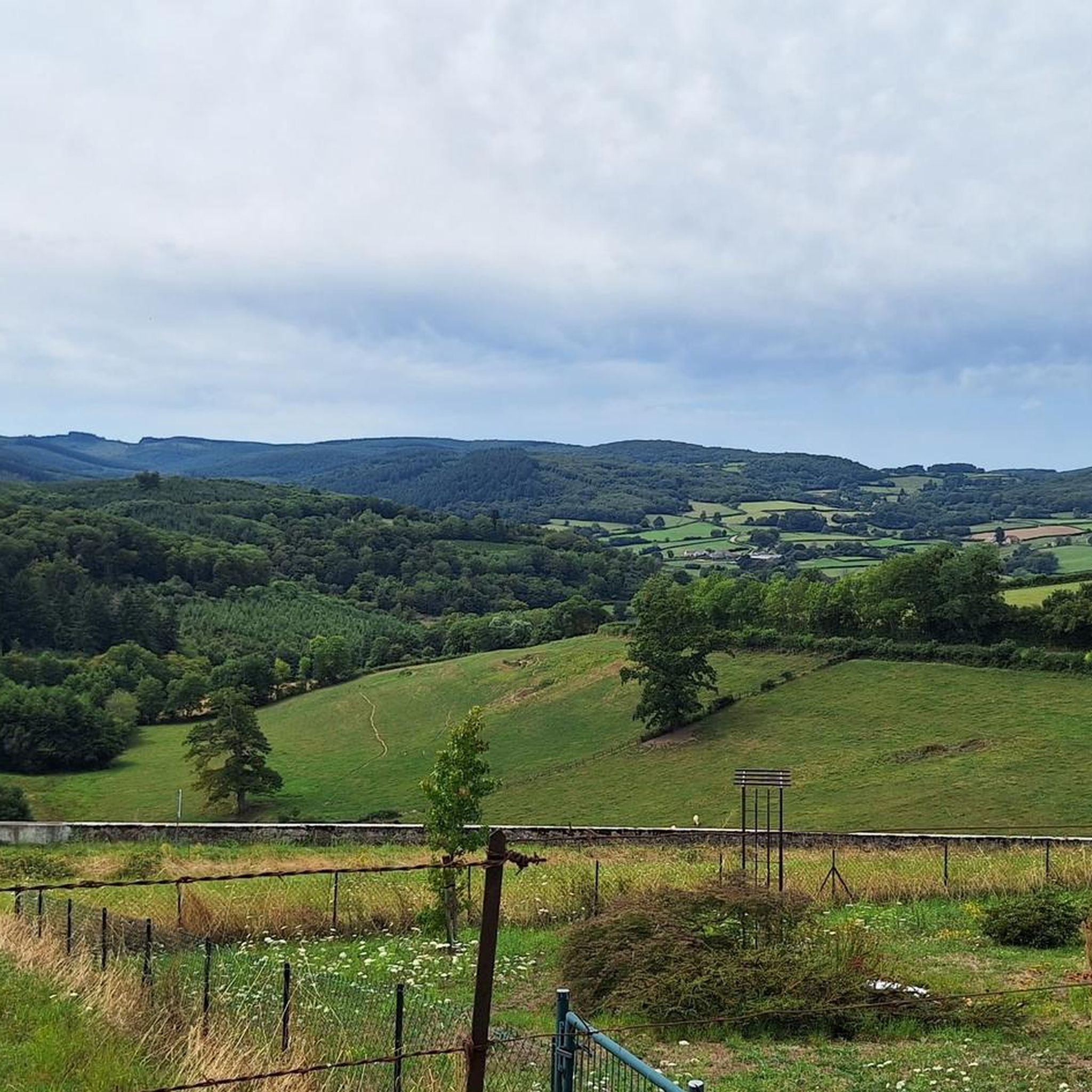
The region boasts a quality natural heritage. The picturesque Cure and Brinjane rivers flow through the commune's valleys, popular for fishing. You'll find wooded foothills and well-preserved wild landscapes ideal for nature lovers. Saint-André-En-Morvan is nestled within the vast Morvan Regional Natural Park, which features dense mixed forests, large meadow areas, and numerous bodies of water like Lac des Settons, Lac de Pannecière, Lac de Saint-Agnan, and Lac de Chamboux, perfect for various outdoor activities.
What outdoor activities are available in the Morvan Regional Natural Park?
The Morvan Regional Natural Park offers a wide range of outdoor activities. You can enjoy hiking and cycling on numerous trails through its scenic environment. The large lakes within the park, such as Lac des Settons, Lac de Pannecière, and Lac de Saint-Agnan, are popular for fishing, hiking, and water sports. For specific routes, you can explore options like MTB Trails around Saint-André-En-Morvan or Running Trails around Saint-André-En-Morvan.
Are there family-friendly attractions or activities around Saint-André-En-Morvan?
Yes, the area offers several family-friendly options. The town of Avallon, with its medieval buildings, is a pleasant place to explore with family. Within the Morvan Regional Natural Park, the Maison du Parc (Park House) in Saint-Brisson is an excellent hub for families, featuring trails, an herbularium, and museums, including the Resistance Museum. The park's lakes also provide opportunities for water sports and gentle walks suitable for all ages.
What are some recommended towns or villages to visit nearby?
Beyond Saint-André-En-Morvan, several charming towns and villages are worth exploring. Avallon, about 12 km away, is a pleasant town with imposing medieval buildings. Vézelay, a UNESCO World Heritage site, is renowned for its basilica and charming medieval village. Other nearby towns include Saulieu, known for its Basilica Saint-Andoche, Corbigny with its abbey, and Montreal, a well-preserved medieval village.
What is the best time of year to visit Saint-André-En-Morvan and the Morvan Regional Natural Park?
The Morvan Regional Natural Park is beautiful year-round, but the best time to visit largely depends on your preferred activities. Spring and autumn offer pleasant temperatures for hiking and cycling, with vibrant foliage in autumn. Summer is ideal for water sports on the lakes and enjoying the lush green landscapes. Winters can be cold, but offer a different, serene beauty, with possibilities for snow activities at higher elevations like Haut-Folin.
Can I find good hiking trails near Saint-André-En-Morvan?
Absolutely. The commune and its surroundings offer beautiful hiking opportunities amidst its scenic natural environment. Being part of the Morvan Regional Natural Park, there are countless trails for all levels. For specific routes, you can check out the Running Trails around Saint-André-En-Morvan guide, which includes routes like the 'Lake Crescent – Lac du Crescent loop from Chastellux-sur-Cure'.
Are there any archaeological sites in the vicinity?
Yes, the region has significant archaeological interest. The archaeological site of Les Fontaines Salées, near Foissy-les-Vézelay, is approximately 8.7 km away. Further afield, Bibracte, located on Mont Beuvray, is considered Europe's largest archaeological site dedicated to the Celtic world and was once the Gallic capital of France.
What do visitors particularly enjoy about the attractions around Saint-André-En-Morvan?
Visitors appreciate the blend of historical charm and natural beauty. Many find the Pierre-Perthuis Stone Bridge to be a great photo opportunity with a beautiful rest area. The town of Avallon is often described as a very pretty town with medieval architecture. The Notre-Dame Church of Saint-Père is frequently praised as simply impressive and amazing for its architectural style.
Are there opportunities for cycling or mountain biking near Saint-André-En-Morvan?
Yes, the Morvan Regional Natural Park is excellent for cycling and mountain biking. The hilly granite massif provides varied terrain for different skill levels. You can find numerous routes, including those for gravel biking and dedicated MTB trails. Explore options in the Gravel biking around Saint-André-En-Morvan guide or the MTB Trails around Saint-André-En-Morvan guide for detailed routes.
Can I find accommodation or dining options in Saint-André-En-Morvan or nearby?
While Saint-André-En-Morvan is a small rural commune, you can find local accommodation and dining options. For a wider selection of cafes, pubs, and restaurants, consider visiting nearby towns like Avallon, which offers a shopping street and many restaurants, or Saulieu and Corbigny, which also provide amenities for visitors.
Most popular routes around Saint-André-En-Morvan
Most popular attractions around Saint-André-En-Morvan

Get inspired with the komoot mobile app


Explore more
Still not found the Highlight you’re looking for? See guides of the top attractions in other regions:
