The best walks and hikes around Aignes-Et-Puypéroux
4.7
(63)
104
hikers
31
hikes
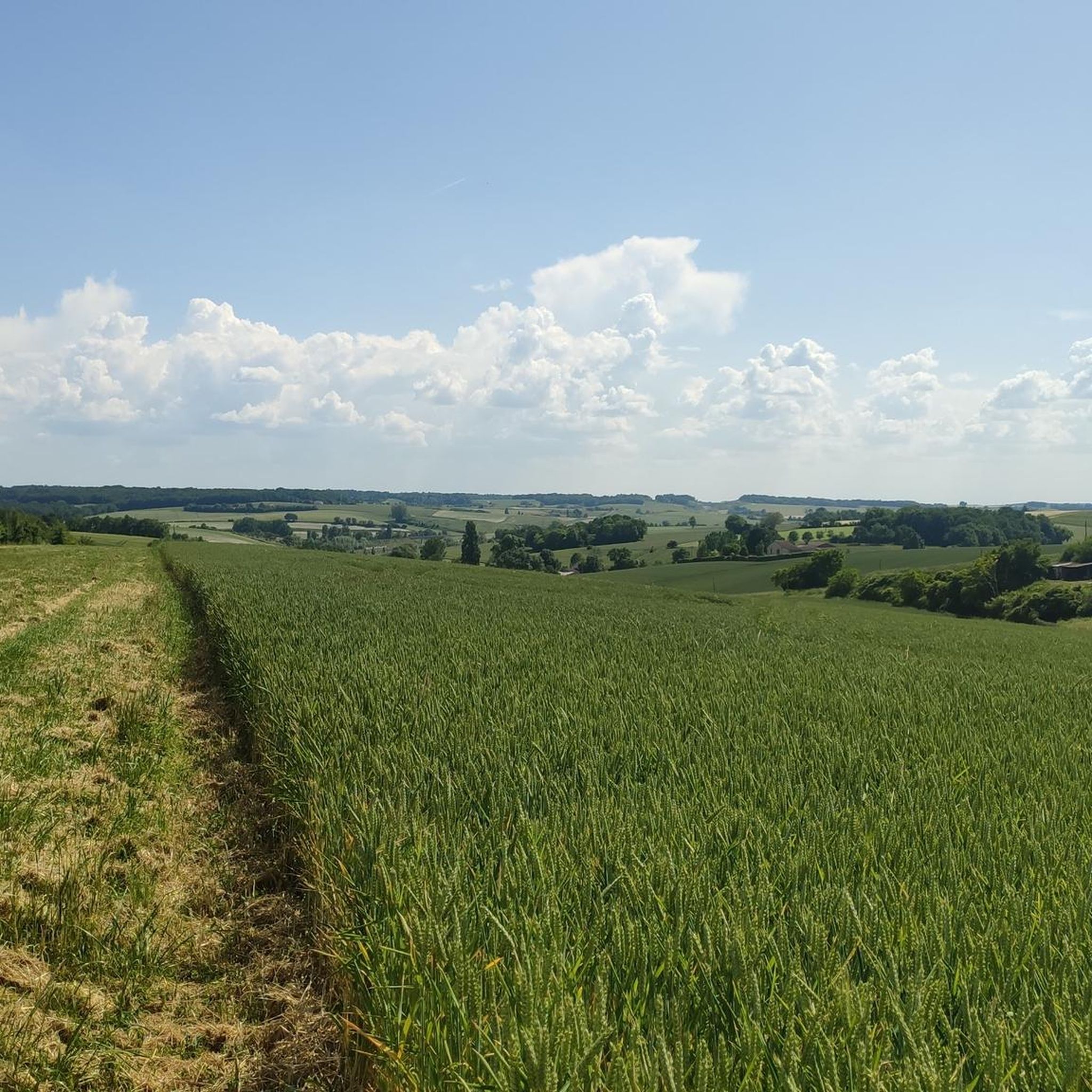
Hiking around Aignes-Et-Puypéroux offers a network of trails through varied terrain. The region is characterized by rolling hills, agricultural landscapes, and pockets of woodland, providing a mix of open views and shaded paths. Elevations are generally moderate, with routes typically featuring gentle ascents and descents. The area provides opportunities for exploring the rural French countryside on foot.
Best hiking trails around Aignes-Et-Puypéroux
- The most popular hiking route is Asphodels Trail, a 6.8 miles (11.0 km) trail that takes 2…
Last updated: August 11, 2026
4.0
(3)
6
hikers
11.0km
02:55
110m
110m
Hike the moderate 6.8-mile Nonac loop in France, gaining 355 feet, and discover the historic Château de la Léotardie.
5.0
(3)
4
hikers
4.70km
01:17
80m
80m
Easy hike. Great for any fitness level. Easily-accessible paths. Suitable for all skill levels.

Sign up for free
4
hikers
12.2km
03:22
210m
210m
Moderate hike. Good fitness required. Easily-accessible paths. Suitable for all skill levels.
3.0
(1)
3
hikers
7.97km
02:11
120m
120m
Moderate hike. Good fitness required. Easily-accessible paths. Suitable for all skill levels.
5.0
(2)
5
hikers
10.1km
02:42
130m
120m
Moderate hike. Good fitness required. Easily-accessible paths. Suitable for all skill levels.
Get access to more routes and recommendations from other explorers.
Sign up for free
Already have an account?
Our route recommendations are based on thousands of hikes, rides, and runs completed by other people on komoot.
Start today with a free account
Your next adventure awaits.
Login or Signup

Tips from the Community

Château de La Léotardie in Nonac, in Charente, not in Dordogne. Listed as a Historic Monument, Château de la Léotardie in Nonac was originally the property of Hélie Léotard, then Archdeacon of Bourges. Part country house, part monastery, this former fortified castle was largely rebuilt in the 14th century and then renovated in the 15th. Visitors can discover a vaulted room and an ogival doorway on the ground floor. It is also possible to admire a medieval triple-nave barn a few hundred meters away. https://www.france-voyage.com/villes-villages/nonac-2918/chateau-leotardie-12663.htm
0
0
Located on one of the paths to Santiago de Compostela, the Via Turonensis (Road to Tours), the Saint-Denys de Montmoreau church was built in the 12th century. It has retained its original appearance, with the exception of the square Romanesque bell tower which was completely modified in the mid-19th century by Paul Abadie. A Romanesque church whose façade is marked by a polylobed portal and two arcades. It consists of a nave covered with a barrel vault, a transept whose crossing has a dome on pendentives and a vast, very bright semicircular apse. The chevet bordering the road is decorated with a very prominent horizontal cordon supported by modillions representing human or animal faces. The magnificent Romanesque frontispiece has an arched portal whose five arches form an archivolt resting on slender columns with sculpted capitals. The inner arch is openworked by six lobes ending with symbolic animal heads. All the decorations bear witness to an oriental influence in the South-West Romanesque and especially to the virtuosity of the sculptors. https://www.montmoreau.fr/index-module-orki-page-view-id-115.html https://monumentum.fr/monument-historique/pa00104432/montmoreau-eglise-saint-denis
0
0

Why Visit Château de la Léotardie? For its enchanting setting: Nestled in the heart of the Périgord countryside, the château is a haven of peace where you can recharge your batteries while admiring a magnificent example of Renaissance architecture. For its history: This place full of history allows you to discover a part of the rich past of the Périgord, with architecture that reflects the art of living and elegance of yesteryear. For its role in social and event life: The château offers a perfect setting for private events or receptions, with beautifully designed indoor and outdoor spaces. Château de la Léotardie is a hidden gem in the Dordogne, combining history, elegance and nature. It is a place to discover for those looking to explore an authentic corner of Périgord heritage.
1
0
Park and Gardens: Exceptional Natural Setting: Surrounded by vast meadows, woods and gardens, the château offers an idyllic natural setting. Visitors can enjoy quiet strolls in the shaded paths, among century-old trees, or relax while observing the local wildlife. French Gardens: Some of the château's gardens are laid out in a classic "à la française" style, with geometric flowerbeds and boxwood-lined paths, adding to the charm of the place. Intimate and Historical Atmosphere: Venue for Receptions and Events: The Château de la Léotardie is often used for private receptions, weddings and other events, making it a choice venue for those wishing to celebrate in a historic and romantic setting. Authentic Atmosphere: Despite its prestigious past, the château retains an intimate and tranquil atmosphere, offering visitors a true immersion in the history of the Périgord. Proximity to Tourist Sites: Périgord Noir Region: Located close to the famous tourist sites of the Dordogne, such as Sarlat, the caves of Lascaux and the castles of Beynac and Castelnaud, the Château de la Léotardie is an ideal base for exploring the region. Cultural and Natural Heritage: The castle is surrounded by magnificent landscapes, dense forests and rivers, typical of the Dordogne, offering many opportunities for nature lovers, whether it be hiking, canoeing or visiting picturesque villages.
1
0
Château de la Léotardie is a magnificent château located in the Dordogne region of Nouvelle-Aquitaine. Nestled in the heart of the Périgord countryside, it embodies the elegance and history of the region, while offering a peaceful and green setting. Although it is less well-known than some of the great châteaux of the Dordogne, it has a particular charm, particularly due to its architecture and its environment. Points of Interest at Château de la Léotardie: Renaissance Architecture: Périgourdine Elegance: Château de la Léotardie, dating from the Renaissance, is distinguished by its refined architecture. It has features typical of manor houses of this period, with stone facades, sloping roofs covered with tiles and beautiful stone fireplaces. Historical Details: Certain architectural elements bear witness to the history of the château, such as mullioned windows and circular towers which give the whole an appearance that is both defensive and elegant.
1
0

This romantic castle was built in the 13th century, rebuilt in the 14th century and renovated in the 15th century. This castle was not only a house, but also a monastery for some time.
4
0
Frequently Asked Questions
How many hiking trails are available in Aignes-Et-Puypéroux?
There are over 35 hiking routes recorded in Aignes-Et-Puypéroux on komoot, offering a variety of options for different skill levels and preferences.
Are there easy hiking trails suitable for beginners or families in Aignes-Et-Puypéroux?
Yes, Aignes-Et-Puypéroux offers several easy trails perfect for beginners or families. For instance, the Notre-Dame Church of Charmant loop from Charmant is an easy 4.2-mile (6.7 km) path that explores the local countryside. There are 10 easy routes in total.
Are there any challenging or advanced hiking trails in Aignes-Et-Puypéroux?
The hiking trails in Aignes-Et-Puypéroux are generally characterized by moderate elevations and rolling hills, making them suitable for most hikers. While there are no trails classified as 'difficult' in the area, routes like the Hiking loop from Montmoreau offer a longer distance of 7.8 miles (12.5 km) with moderate elevation gain for a more extended excursion.
What kind of landscapes can I expect to see while hiking in Aignes-Et-Puypéroux?
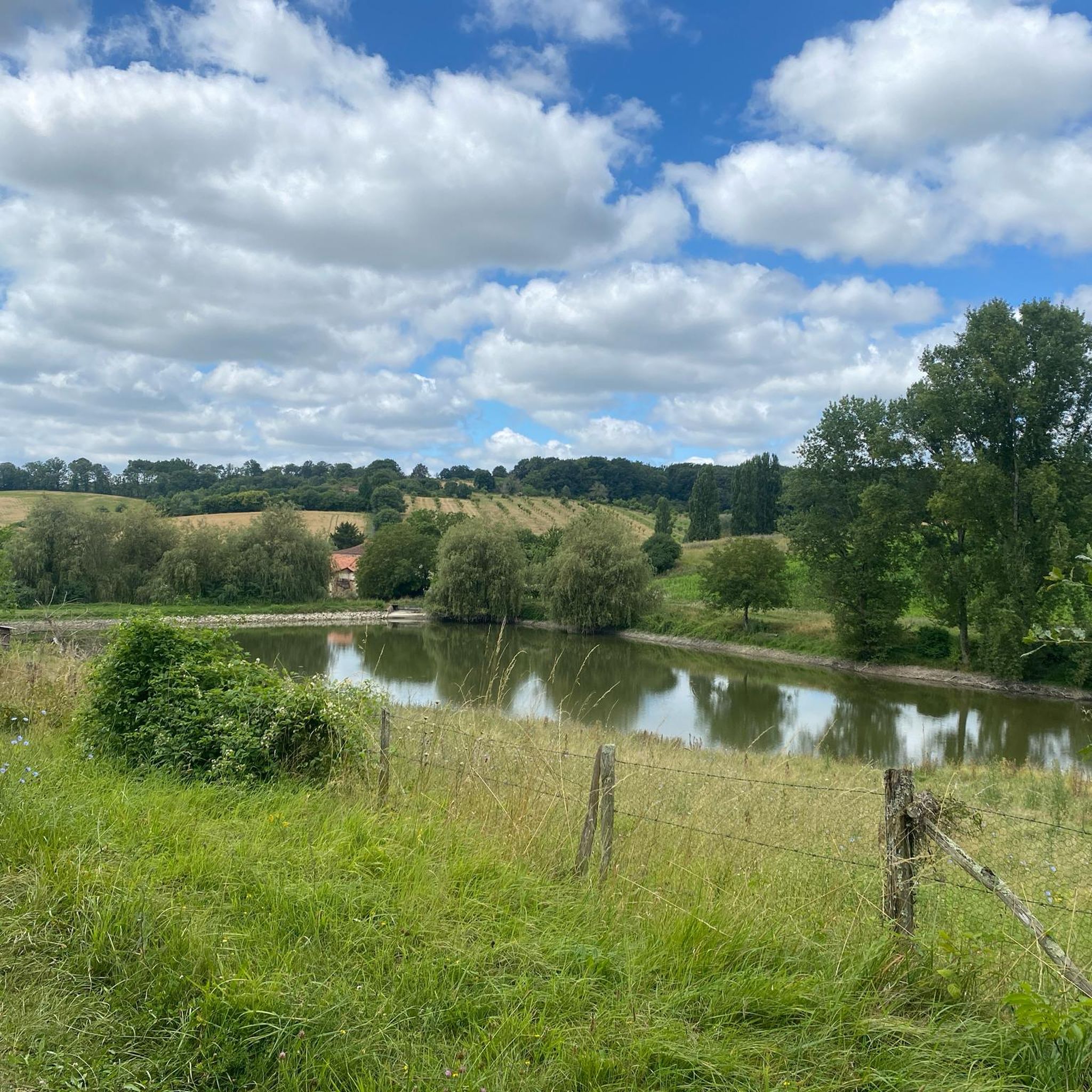
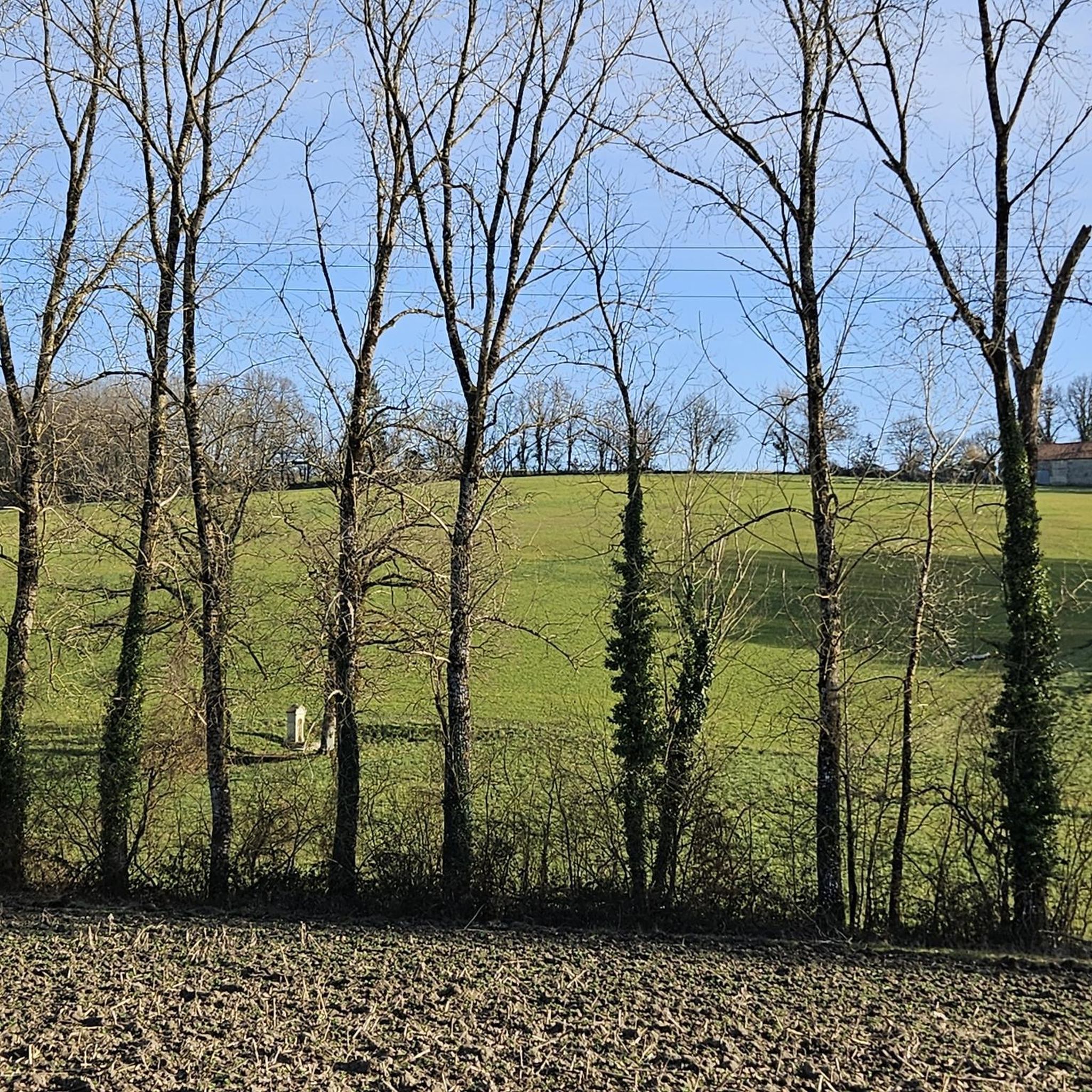
Hiking in Aignes-Et-Puypéroux will take you through diverse rural landscapes. You can expect to see rolling hills, expansive agricultural fields, and peaceful pockets of woodland, providing a mix of open views and shaded paths characteristic of the French countryside.
Are there any circular walks available in Aignes-Et-Puypéroux?
Yes, many of the trails in Aignes-Et-Puypéroux are circular, allowing you to start and end at the same point. A popular option is the Notre-Dame Church of Charmant loop from Charmant, which is an easy and scenic circular route.
What are some interesting landmarks or attractions I can see along the hiking trails?
The region around Aignes-Et-Puypéroux is dotted with historical and architectural points of interest. You might encounter sites such as the impressive Château de la Mercerie, the historic Notre-Dame Church of Charmant, or the charming Château de la Léotardie, which is also part of the Château de la Léotardie loop from Nonac.
When is the best time of year to go hiking in Aignes-Et-Puypéroux?
The best time to hike in Aignes-Et-Puypéroux is typically during spring (April to June) and autumn (September to October). During these seasons, the weather is generally mild and pleasant, and the natural scenery is particularly beautiful with blooming flowers or vibrant fall foliage. Summer can also be enjoyable, but it's advisable to hike early in the morning or late afternoon to avoid the midday heat.
Are dogs allowed on the hiking trails around Aignes-Et-Puypéroux?
Generally, dogs are welcome on most rural hiking trails in France, especially if kept on a leash and under control. It's always good practice to carry water for your dog and to clean up after them. Specific restrictions might apply in certain protected natural areas, but for the general trails around Aignes-Et-Puypéroux, they are usually dog-friendly.
Is parking readily available at the trailheads in Aignes-Et-Puypéroux?
In rural areas like Aignes-Et-Puypéroux, parking is often available in or near the villages where trails begin. Look for designated parking areas in town centers or near local attractions. For specific trailheads, it's often possible to find roadside parking, but always ensure you are not blocking access or private property.
What do other hikers enjoy the most about hiking in Aignes-Et-Puypéroux?
The hiking experience in Aignes-Et-Puypéroux is highly rated by the komoot community, with an average score of 4.7 stars from over 60 reviews. Hikers often praise the peaceful rural atmosphere, the well-maintained paths, and the charming blend of open fields and wooded sections that define the region's trails.
Are there any trails that feature water bodies like lakes or rivers?
While the region is primarily known for its rolling hills and agricultural landscapes, some routes might pass by smaller streams or ponds. For example, the Étang du Randeau loop from Nonac specifically highlights a local pond, offering a pleasant change of scenery with water views.
Most popular routes around Aignes-Et-Puypéroux
Most popular attractions around Aignes-Et-Puypéroux

Get inspired with the komoot mobile app


Explore more
Browse the best Hikes in other regions.
