The best road cycling routes around Bérou-La-Mulotière
4.5
(71)
552
riders
230
rides
Road cycling around Bérou-La-Mulotière offers a network of routes through the rural French landscape. The region is characterized by gently rolling hills and open countryside, with occasional historical landmarks such as churches and châteaux. Road cyclists can expect varied terrain, from flat stretches to moderate ascents, making it suitable for different skill levels. The area provides a tranquil setting for exploring local villages and natural scenery on two wheels.
Best road cycling routes around Bérou-La-Mulotière
- The most popular road cycling route is Saint-Hilaire Church – Le Trianon Cinema loop from Tillières, a 17.5 miles (28.1 km) trail that takes 1 hour 22 minutes to complete. This easy route passes by local landmarks and through the countryside.
- Another top favourite among local road cyclists is Saint-Hilaire Church – Bridge over the Avre loop from Tillières, an easy 20.2 miles (32.6 km) path. This route features gentle elevation changes and scenic views of the Avre river.
- Local road cyclists also love the Château de Saint-Simon 🏰✨⚜️ – Ferté-Vidame Castle loop from Tillières, a 36.3 miles (58.4 km) trail leading through rural landscapes and past historical castles, often completed in about 2 hours 27 minutes.
- Road cycling around Bérou-La-Mulotière is defined by rolling hills, rural roads, and historical sites, with options ranging from easy routes to more challenging moderate trails.
- The routes in Bérou-La-Mulotière are highly rated by the komoot community with an average score of 4.5 stars from more than 50 reviews. More than 400 road cyclists have used komoot to explore Bérou-La-Mulotière's varied terrain.
Last updated: November 8, 2026
4.0
(3)
7
riders
28.1km
01:22
170m
170m
Easy road ride. Mostly well-paved surfaces and easy to ride.
10
riders
87.9km
03:54
360m
360m
Moderate road ride. Good fitness required. Mostly well-paved surfaces and easy to ride.

8
riders
32.6km
01:25
270m
270m
Easy road ride. Mostly well-paved surfaces and easy to ride.
5
riders
46.1km
02:01
320m
320m
Moderate road ride. Good fitness required. Mostly well-paved surfaces and easy to ride.
5.0
(2)
5
riders
58.2km
02:26
330m
330m
Moderate road ride. Good fitness required. Mostly well-paved surfaces and easy to ride.
Get access to more routes and recommendations from other explorers.
Already have an account?
Our route recommendations are based on thousands of hikes, rides, and runs completed by other people on komoot.
Start today with a free account
Your next adventure awaits.
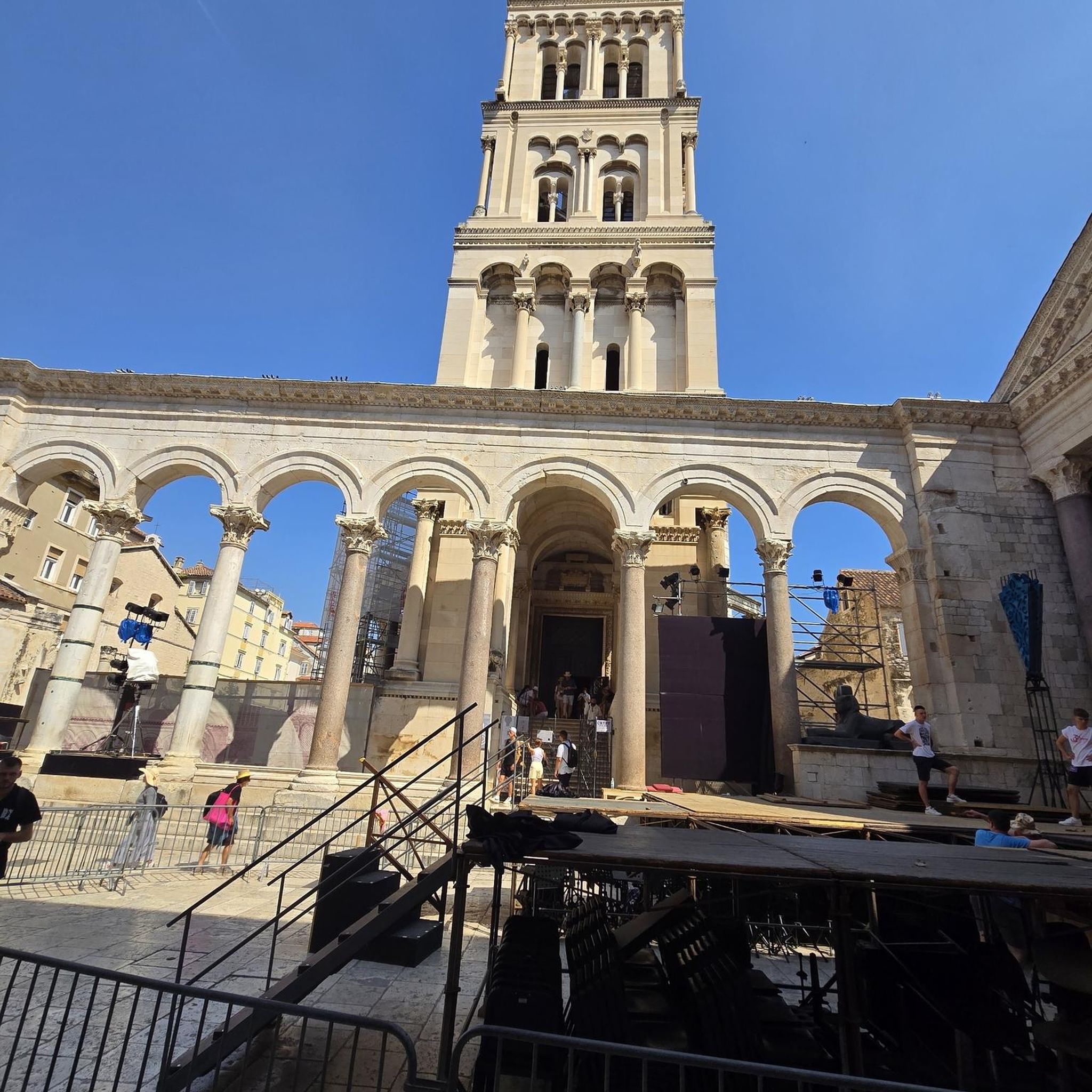


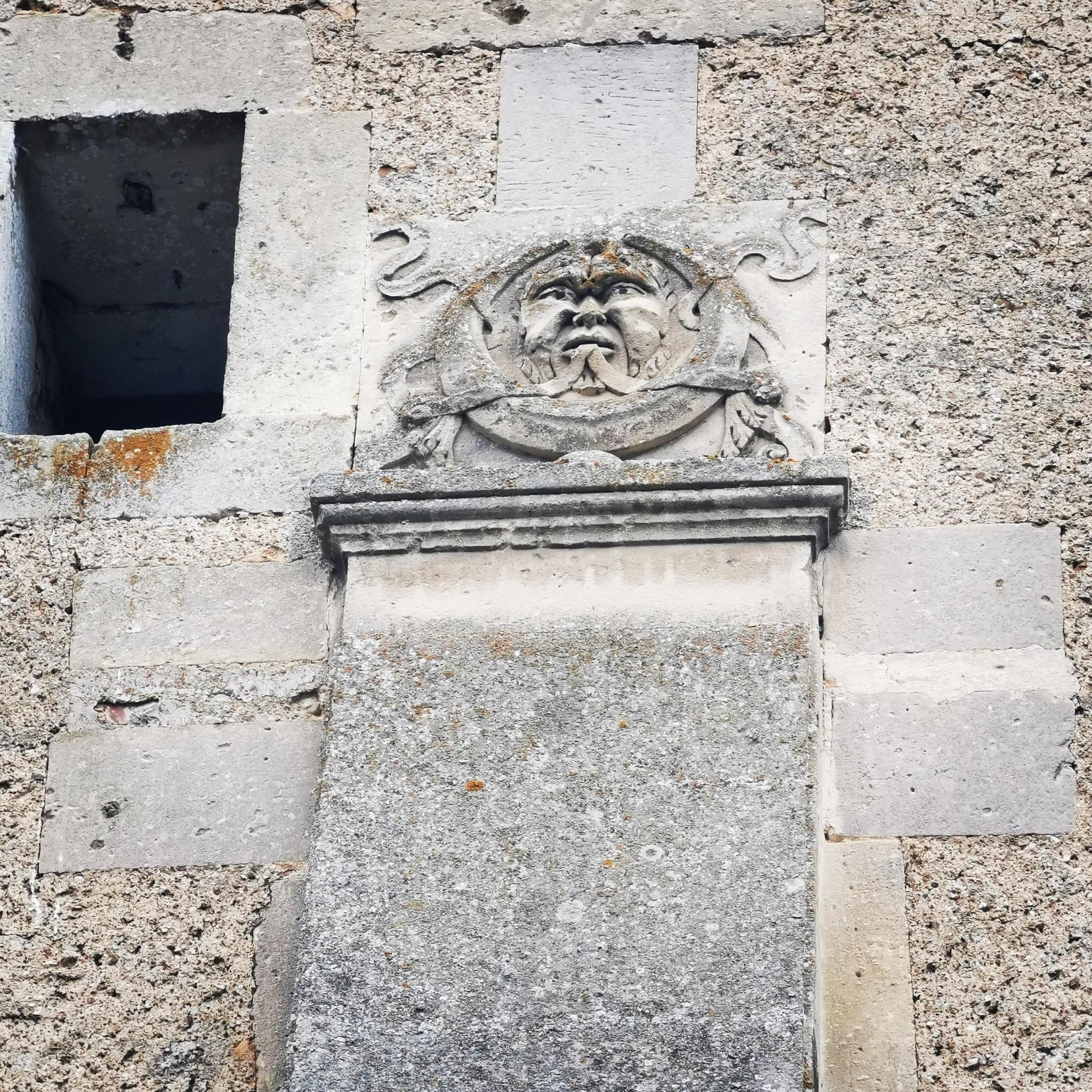

Tips from the Community

Very nice
0
0
Very good for taking photos
0
0

The current church was almost entirely rebuilt in 1542 on Gothic foundations. The Gothic church was reportedly destroyed in 1424 by the English. According to legend, Saint Lubin, Bishop of Chartres, came to rest in this place, which housed a recluse inhabited by a monk. A chapel was built there towards the end of the 6th century.
0
0
Located 5 km northeast of La Ferté-Vidame, the Saint-Denis de Morvilliers church stands in the very center of the village. The rectory was the abbot of Saint-Père de Chartres, whose monks owned the church from the beginning of the 12th century. Two charters, dated 1126 and 1127, attest to this. This building comprises a single nave ending in a semicircular chevet. A timber-framed bell tower has crowned the western part of the roof since the 18th century. The west portal through which one enters this building is made of gray stone, unfortunately cemented with a decoration of false stones. The south wall is pierced by five narrow bays, probably from the 12th century. Four windows were installed in the 15th century on the north facade. A fifth, now blocked, was pierced in the apse at the same time. Inside, despite alterations, the church retains an exposed rafter frame forming a medieval truss. Curiously independent of the church structure, it rests on two rows of posts along the drip walls. The vault is paneled. The presence of frescoes could be detected under the plasterwork of the north wall. For the restoration of the apse's frame and roof, the Sauvegarde de l'Art Français (French Art Protection Agency) awarded a grant of €16,769 in 2001.
0
0
South of the Eure department, the village of Saint-Ouen-d'Attez dates back at least to the Gallic occupation, Attez coming from the Gaulish term for "rural house." The church of Saint-Ouen has been documented since the early 12th century. While Romanesque remains remain on the west gable, buttresses, and section of the north wall, it was largely rebuilt in the 16th century in the Flamboyant Gothic style, with the nave, choir, and the addition of the south aisle, formed by four side chapels with vaulted bays. The bell tower was built in the late 17th century, and extensive restoration work was carried out in the 19th century. It is also worth noting that a charity chamber housed the Charity Brotherhood of Saint Barbara, founded in 1736. Banners and clothing belonging to this brotherhood can be seen in the church. A large number of graffiti and devotional crosses can also be seen on the church, the oldest of which date back to at least the 17th century. The small room attached to the west gable, in line with the south aisle, could correspond to a Charity Room. In the early 1980s, the choir roof had collapsed and the municipal council voted by a majority vote to carry out a phase of restoration work on this choir, otherwise the church would have been closed and abandoned.
0
0
Built in the 15th century on the foundations of a chapel whose origins can be traced back to a papal bull from Pope Alexander in 1142, Saint Apollonia was worshipped there.
0
0
The church is located near a departmental road and is surrounded by a cemetery. Church oriented with a longitudinal plan composed of a single nave. The entrance to the building is via a porch body. An annex building is attached to the north side of the choir. The western facade of the porch body rises on two levels delimited by a projecting cornice. It is pierced by a low-arched door as well as a rose window in the upper part. The bell tower, of polygonal plan, is positioned on the ridge of the roof. It is covered with a polygonal spire surmounted by a ridge cross and has two roof eaves. The building is covered with a gable roof. That of the annex building ends in a hip. The side walls are pierced with arched bays and supported by buttresses. The annex building is pierced by a quadrangular window and door. The buttresses of the choir bear witness to the Romanesque origins of the church. The nave, built in the 16th century, was enlarged in the 19th century by a bay to the west. The bays of the building were re-pierced around 1822.
0
0
Frequently Asked Questions
How many road cycling routes are available around Bérou-La-Mulotière?
There are over 240 road cycling routes documented around Bérou-La-Mulotière on komoot, offering a wide range of options for different skill levels and preferences.
What kind of terrain can I expect when road cycling in Bérou-La-Mulotière?
The region is characterized by gently rolling hills and open countryside, providing varied terrain from flat stretches to moderate ascents. This makes it suitable for different skill levels, offering both leisurely rides and more challenging routes.
Are there easy road cycling routes suitable for beginners in Bérou-La-Mulotière?
Yes, Bérou-La-Mulotière offers a good selection of easy routes. You can find over 60 easy road cycling tours, such as the Saint-Hilaire Church – Le Trianon Cinema loop from Tillières, which is 17.5 miles long with gentle elevation changes.
What are some moderate road cycling routes in the area?
For those seeking a moderate challenge, there are nearly 180 routes available. A popular choice is the Château de Saint-Simon 🏰✨⚜️ – Ferté-Vidame Castle loop from Tillières, a 36.3-mile route that takes you through rural landscapes and past historical castles.
Are there any challenging or advanced road cycling routes near Bérou-La-Mulotière?
While the region is primarily known for its easy to moderate terrain, there are a few more challenging routes for experienced cyclists. These routes typically feature longer distances and more significant elevation gains, offering a greater test of endurance.
What historical landmarks can I see along the road cycling routes?
Many routes pass by historical landmarks. You can explore sites like the Escorpain Castle or the Gray Tower of Verneuil-sur-Avre. The region's tranquil setting allows for pleasant stops at local churches and châteaux.
What do other road cyclists say about the routes in Bérou-La-Mulotière?
The road cycling routes in Bérou-La-Mulotière are highly rated by the komoot community, with an average score of 4.5 stars from over 50 reviews. Nearly 500 road cyclists have used komoot to explore the varied terrain, often praising the tranquil setting and scenic views.
Are there circular road cycling routes available?
Yes, many of the road cycling routes around Bérou-La-Mulotière are designed as loops, allowing you to start and finish at the same point. Examples include the Saint-Hilaire Church – Bridge over the Avre loop from Tillières, which offers scenic views of the Avre river.
What is the best time of year for road cycling in Bérou-La-Mulotière?
Spring and early autumn generally offer the most pleasant conditions for road cycling in Bérou-La-Mulotière, with mild temperatures and beautiful scenery. Summer can also be enjoyable, though it's advisable to ride earlier in the day to avoid the midday heat.
Are there any specific scenic viewpoints or natural attractions along the routes?
The region's open countryside and gently rolling hills naturally offer many scenic vistas. Routes often feature picturesque views of the rural French landscape, local villages, and occasionally rivers like the Avre, providing a tranquil backdrop for your ride.
Where can I find parking for road cycling trailheads in Bérou-La-Mulotière?
Parking is generally available in or near the starting points of many routes, particularly in the villages and towns like Tillières, which serves as a common starting point for several popular loops. Specific parking details can often be found within individual route descriptions on komoot.
Are there any hidden gem routes for road cycling in Bérou-La-Mulotière?
While the most popular routes are well-loved, the extensive network of over 240 tours means there are many less-traveled roads. Exploring some of the moderate-difficulty routes, such as the Saint-Hilaire Church – Saint Sulpice Church loop from Tillières, can lead you to quieter paths and charming, undiscovered corners of the region.
Most popular routes around Bérou-La-Mulotière
Most popular attractions around Bérou-La-Mulotière

Get inspired with the komoot mobile app


Explore more
Browse the best Road cycling routes in other regions.
