Attractions and Places To See around Flavigny - Top 5
Best attractions and places to see around Flavigny are found in this village, recognized for its historical landmarks, cultural sites, and natural beauty. Nestled on a rocky promontory in Burgundy, it offers a blend of medieval charm and authentic French countryside experiences. The area features well-preserved medieval architecture, including winding cobbled streets and traditional stone buildings. Flavigny is surrounded by the Ozerain Valley, providing a preserved woodland environment with diverse plant life and trails.
Best attractions and places to see…
Last updated: August 11, 2026
Notre-Dame de Fourvière Chapel, Laverdines
Highlight • Religious Site
During the invasion of Prussia in 1870, Claude Gindre, then owner of the castle of Laverdines, promised …
Translated by Google •
Tip by

Château de Jussy-Champagne
Highlight • Castle
Translated by Google •
Tip by
Sign up now to discover places like this
Get recommendations on the best single tracks, peaks, & plenty of other exciting outdoor places.
Sign up for free
Saint-Sylvain Church
Highlight • Religious Site
Its history echoes the construction of the Notre-Dame de Fourvières basilica in 1870 following the …
Translated by Google •
Tip by

Saint Andrew's Church
Highlight • Other
Translated by Google •
Tip by
Eglise Saint Germain
Highlight • Other
Showing Translation
Tip by

Sign up for free to discover even more attractions around Flavigny.
Sign up for free
Already have an account?
Start today with a free account
Your next adventure awaits.
Login or Signup
Popular around Flavigny
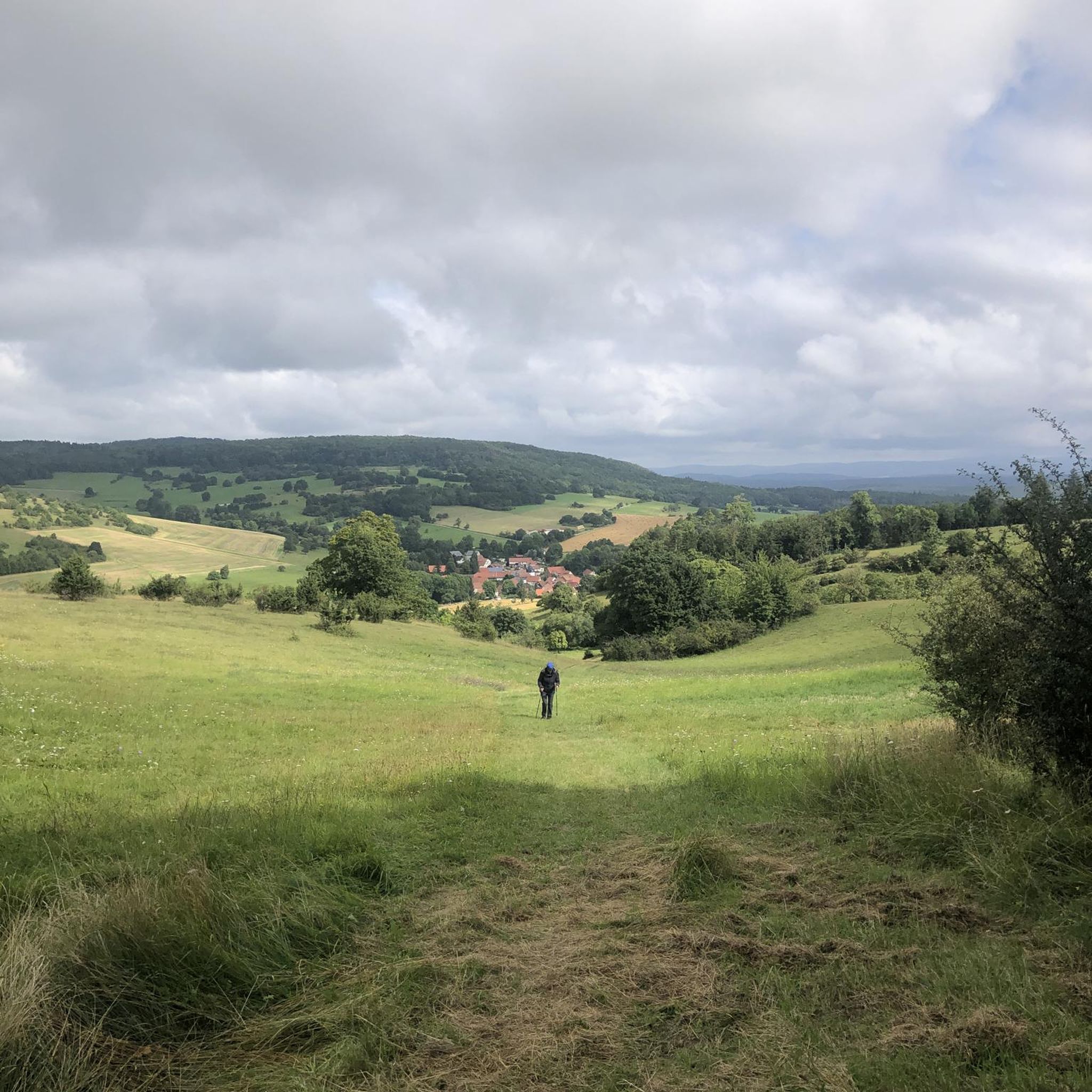
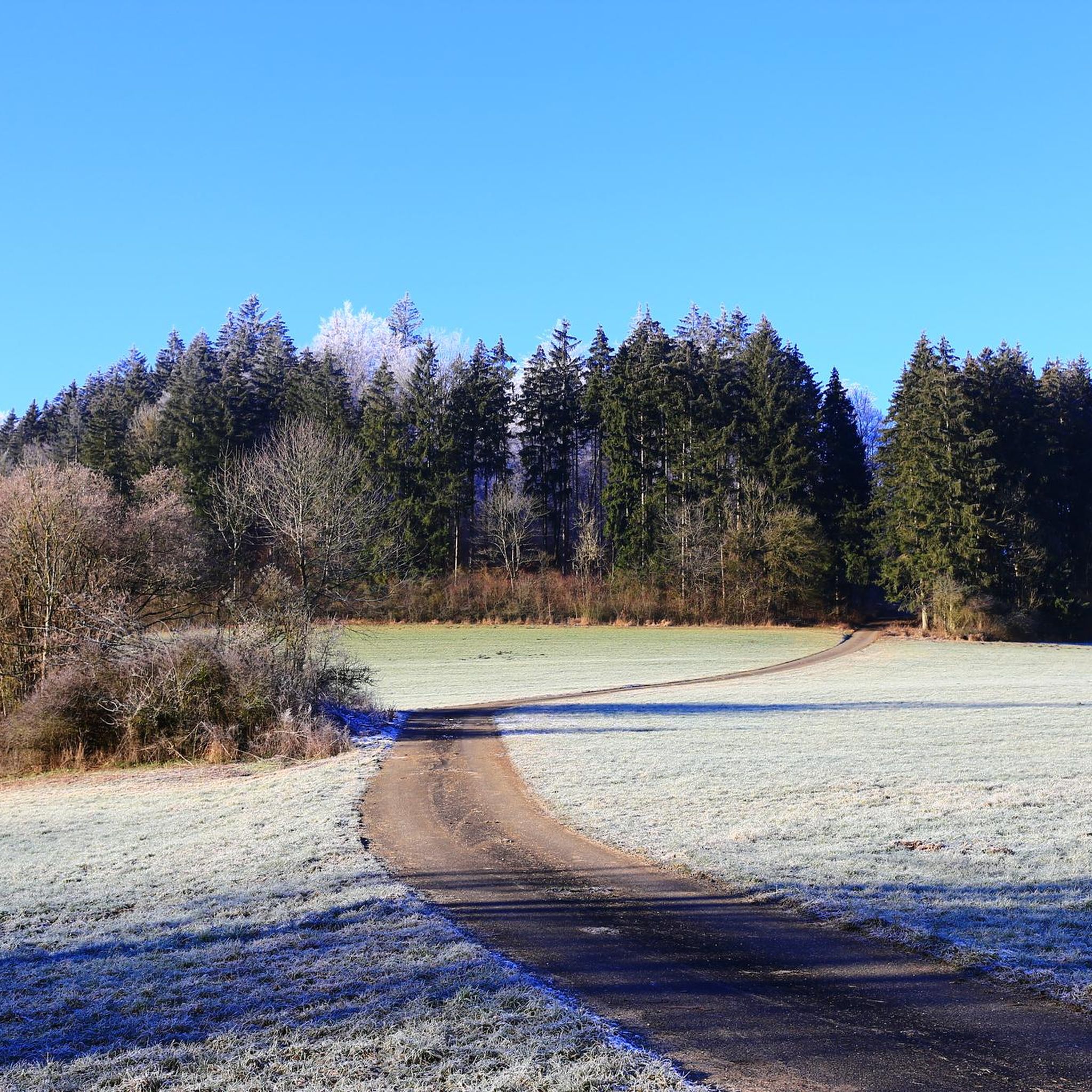

Tips from the Community

Before the reconstructions, the church consisted of a simple nave of three bays, a transept bearing a bell tower over its crossing, and a choir of three bays with side aisles and circular apses. The central tower no longer exists and has been replaced by a wooden bell tower, itself replaced by a stone bell tower preceding the nave's gable. The nave has been remodeled, as have the choir and the transept. The church of Blet also enjoys a significant historical past, with its construction dating back to the end of the 11th or the beginning of the 12th century. Ravaged by a fire during the Wars of Religion, most likely during the passage of the Duke of Deux-Ponts in the region, it has nevertheless retained traces of a very carefully executed primitive construction and sculptures of real architectural interest. The building is listed as a historical monument by decree of March 2, 1926.
0
0

Impossible to miss this beautiful church all alone at the end of this grassy path. Its history echoes the construction of the Notre-Dame de Fourvières basilica in 1870 following the wish of the Lyonnais to build it if the Prussians do not cross the Saône. Indeed, Claude Gindre, the owner of the Château de Laverdines since 1860, is a silk worker from Lyon and makes a similar wish concerning the Vauvise valley. He kept his promise in 1873 by having this chapel dedicated to the Virgin built, but outside the castle grounds so that all the villagers could have access to it. A replica of the Virgin Mary which crowns the Lyon basilica was initially on its roof and is today preserved on the ground, next to the church. It was bought by the municipality in 1893 for a symbolic franc and then work was undertaken with the help of the heritage foundation between 2016 and 2019 in order to repair significant external damage. Behind the gate on the other side of the road, you can see Laverdines Castle in the distance.
0
0

Listed church in Romanesque style, built in the 11th or 12th century. Its facade includes numerous sculpted elements that are quite rare in the region and which deserve restoration.
0
0

Built from 1590 by lords from Vexin, the Louis XIII-style castle of Jussy-Champagne now belongs to the Ponton d'Amécourt family who restored and modernized it. Listed as historical monuments since 1946, the castle and its park can be visited from May 1 to September 30 from 10 a.m. to 6 p.m. for 5 €. More information on https://www.chateaudejussy.com/
3
0
The Laverdines Church having been destroyed, the village no longer had a parish. During the invasion of Prussia in 1870, Claude Gindre, then owner of the castle of Laverdines, promised to build a chapel if Prussia did not cross the Loire. The promise was kept with the construction from 1873 to 1875 of this chapel, ceded to the state for a symbolic Franc in 1983. It is well maintained, and is located right next to the Castle of the same name, which cannot be visited.
2
0
Frequently Asked Questions
What historical landmarks can I explore within Flavigny-sur-Ozerain?
Flavigny-sur-Ozerain is rich in history. You can explore the well-preserved Carolingian crypt of the Benedictine Abbey of Saint Pierre, dating back to the 9th century. The village also boasts impressive medieval fortifications, including the Porte du Val, Porte du Bourg, Porte de Barme, and the Tour du Guet (Lookout Tower).
Are there any significant religious sites to visit in Flavigny?
Yes, the village features several notable religious buildings. The 13th-century Gothic Church of Saint Genest is known for its architecture and 16th-century carved stalls. You can also visit the historic Benedictine Abbey of Saint Pierre, which houses the famous Anis de Flavigny factory, and the Ursuline Convent built in 1632.
What cultural experiences are unique to Flavigny-sur-Ozerain?
Flavigny is famous for its anise-flavored candies. You can visit the Anis de Flavigny Factory, located in the former abbey, to learn about its history and visit the museum and shop. The village also has the Maison des Arts Textiles & Design, showcasing textile art from the Auxois region.
What castles are there to visit near Flavigny?
Near Flavigny, you can visit the Château de Jussy-Champagne, a Louis XIII-style castle built from 1590, which is listed as a historical monument. Another option is La Grand'Cour Castle, a 13th-century medieval castle known for its preserved military architecture, including a wooden weighbridge and moat.
What natural attractions are there around Flavigny?
The village is surrounded by the preserved Ozerain Valley, offering a woodland environment with diverse plant life and wildlife. You can also enjoy scenic views of the surrounding countryside and vineyards, particularly along the 'From Anis to the Vineyard' walking trail.
Are there walking or hiking trails near Flavigny?
Yes, the Ozerain Valley provides numerous paths and trails for walkers. A popular option is the easy 8-kilometer loop trail called 'From Anis to the Vineyard,' which encircles the village and offers stunning views. For more options, you can explore various running trails around Flavigny, many of which are moderate difficulty.
Can I go cycling around Flavigny?
Absolutely. The region around Flavigny offers several cycling opportunities. You can find various cycling routes and road cycling routes, ranging from easy to difficult, allowing you to explore the scenic countryside by bike.
Are there family-friendly attractions in the area?
Many of the historical sites are suitable for families. For instance, the Château de Jussy-Champagne and La Grand'Cour Castle are listed as family-friendly. The Anis de Flavigny Factory tour can also be an engaging experience for all ages.
What is the best time of year to visit Flavigny-sur-Ozerain?
Flavigny-sur-Ozerain is charming year-round. Spring and autumn offer pleasant weather for exploring the village's medieval streets and enjoying outdoor activities like walking and cycling. Summer is also popular, especially for visiting the castles and enjoying the vibrant atmosphere. The 'From Anis to the Vineyard' trail is enjoyable in most seasons.
What makes Flavigny-sur-Ozerain a special place to visit?
Flavigny-sur-Ozerain is recognized as one of France's 'Most Beautiful Villages.' Its exceptionally well-preserved medieval center, with narrow cobbled streets, half-timbered houses, and traditional stone buildings, offers a captivating blend of historical charm and authentic French countryside. The village's picturesque setting even served as a filming location for the movie 'Chocolat.'
Can I visit other historical churches near Flavigny?
Beyond Flavigny, you can visit other significant religious buildings. The Notre-Dame de Fourvière Chapel, Laverdines, built between 1873 and 1875, is well-maintained and located next to the unvisitable Laverdines Castle. Another option is Saint Andrew's Church, a listed Romanesque-style church from the 11th or 12th century, known for its sculpted facade.
Are there any less crowded historical sites to discover?
For a quieter historical experience, consider visiting the Saint-Sylvain Church. This beautiful church stands alone at the end of a grassy path and has a unique history tied to the Notre-Dame de Fourvières basilica in Lyon. It offers a peaceful glimpse into local heritage.

Get inspired with the komoot mobile app


Explore more
Still not found the Highlight you’re looking for? See guides of the top attractions in other regions:
