Attractions and Places To See around San-Martino-Di-Lota - Top 20
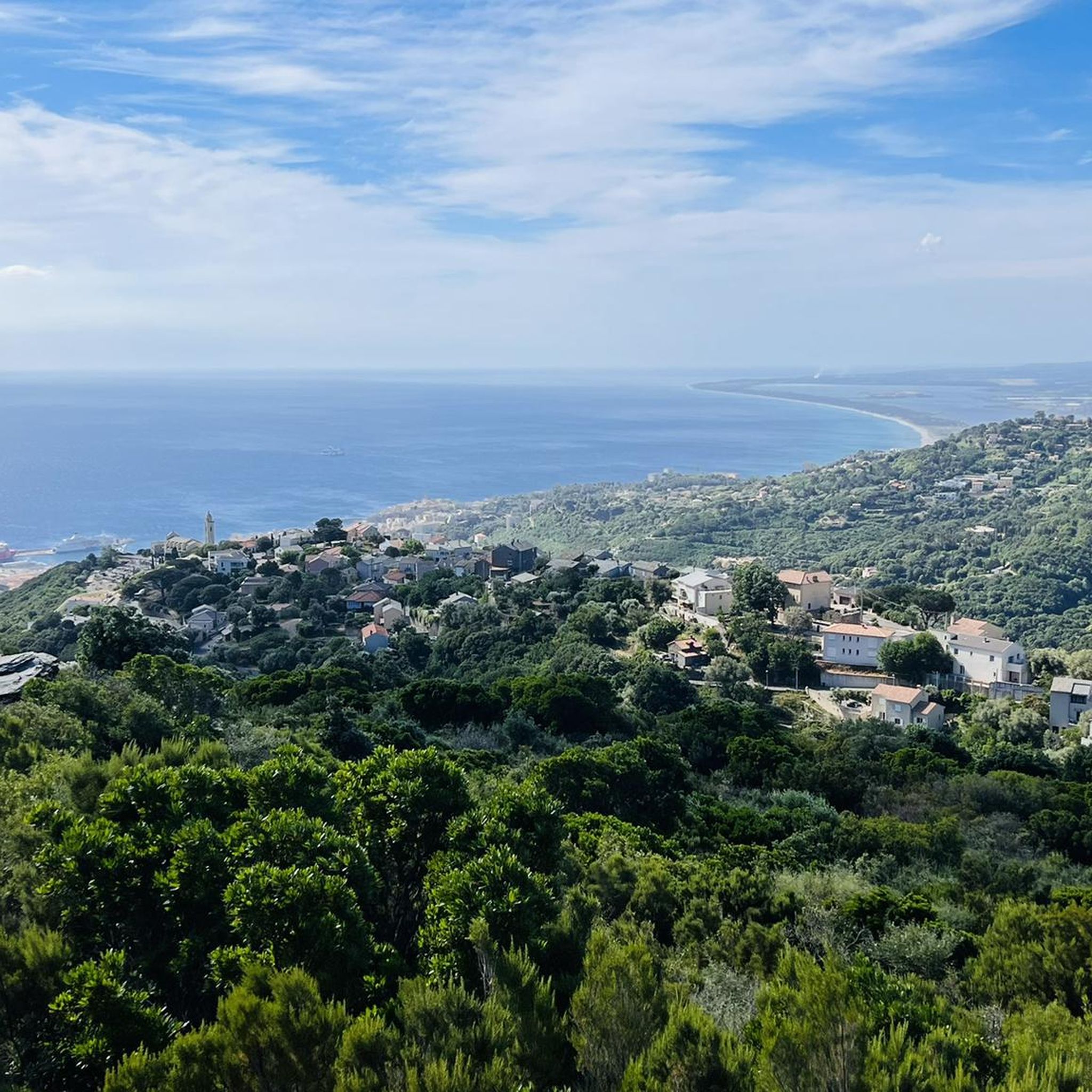
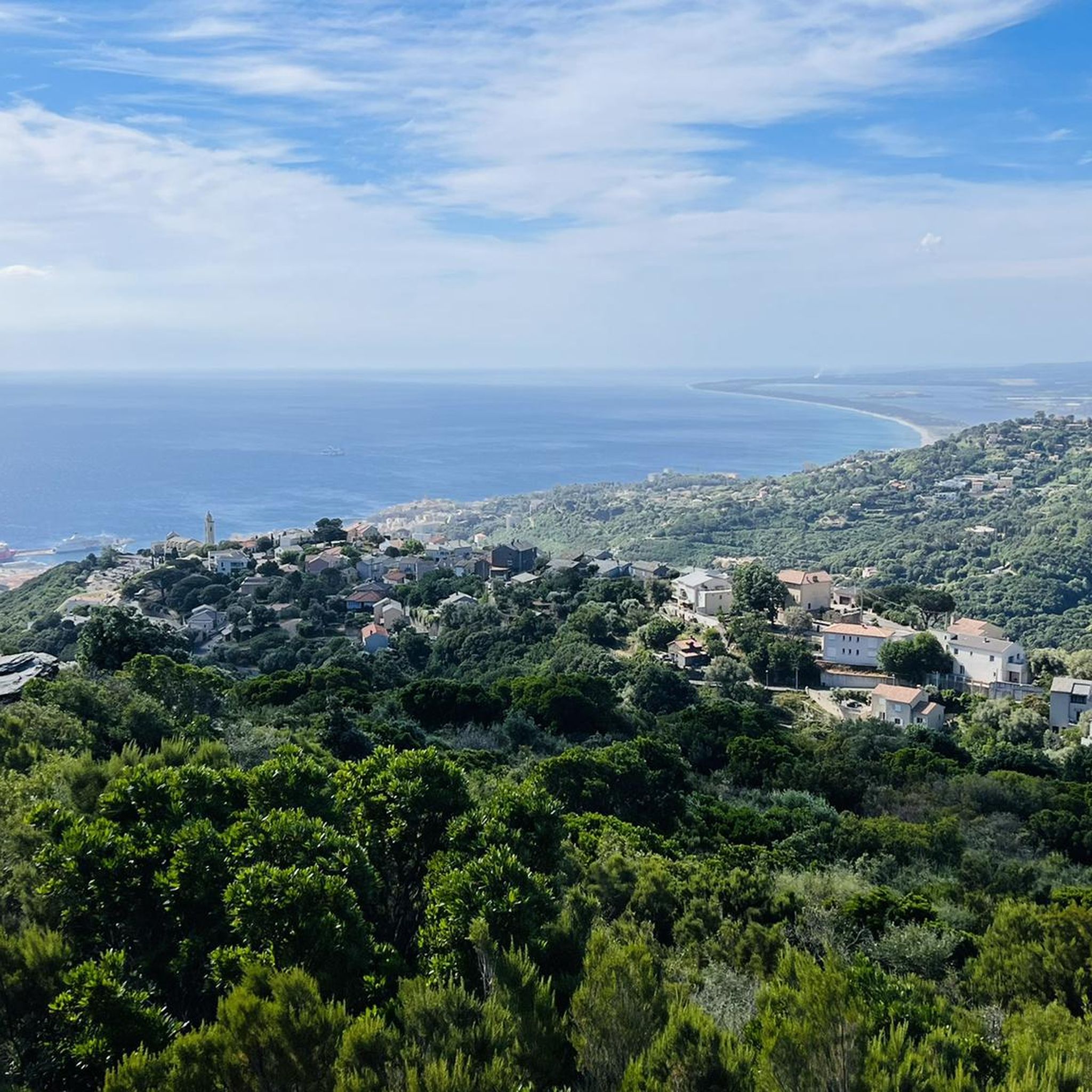
Attractions and places to see around San-Martino-Di-Lota include a blend of historical architecture, cultural traditions, and natural landscapes. Located on the eastern side of Cap Corse in Corsica, the village is spread across a ridge, encompassing both sea and forest. The area features several hamlets, marked hiking trails, and diverse habitats, from coastal areas to mountainous peaks. Visitors can explore historical landmarks, religious sites, and natural viewpoints.
Best attractions and places to see around San-Martino-Di-Lota
- The most popular attractions is View of Nonza, a viewpoint that offers a remarkable panorama of the beach and the town. This location provides a superb vista of the black pebble beach below and the historic village.
- Another must-see spot is Saint-Florent Frog Fountain, a fountain and viewpoint located in the old town of Saint-Florent. This area is known for its lively atmosphere and offers a pleasant setting for visitors.
- Visitors also love Place Saint-Nicolas, a large public square in Bastia. This spacious area is surrounded by palm and plane trees, featuring numerous cafes and restaurants.
- San-Martino-Di-Lota is known for its historical landmarks, diverse natural features, and extensive hiking trails. Visitors can explore religious buildings, coastal views, and cultural sites.
- The attractions around San-Martino-Di-Lota are appreciated by the komoot community, with more than 140 upvotes and 30 photos shared.
Last updated: May 9, 2026
View of Nonza
Highlight • Other
Translated by Google •
Tip by

Saint John the Baptist Church, Bastia
Highlight • Religious Site
Translated by Google •
Tip by

Sign up now to discover places like this
Get recommendations on the best single tracks, peaks, & plenty of other exciting outdoor places.
Sign up for free
Saint-Florent Frog Fountain
Highlight • Viewpoint
Translated by Google •
Tip by

Citadel of Saint-Florent
Highlight • Castle
Translated by Google •
Tip by

Bastia Seafront Promenade
Highlight • Trail
The promenade in Bastia doesn't stretch along a traditional, continuous sandy beach, but rather runs in several sections along the coastline – particularly between the Old Port (Vieux Port), Place Saint-Nicolas, and the new marina. Instead of wide sandy beaches, rocky stretches, smaller bays, and the proximity to urban city life dominate.
🏛️ Sights & Highlights
Vieux Port (Old Port): The picturesque old port is the centerpiece. Framed by pastel-colored houses and cafés, it invites you to stroll and linger.
Place Saint-Nicolas: One of the largest squares in France, lined with palm trees, right on the water. Ideal for strolls with views of the sea and the ferries.
Marina & Modern Waterfront Promenade: Located just south of the old port, with more modern facilities, boats, and yachts. A section of walking paths along the coast also begins here.
Translated by Google •
Tip by

Sign up for free to discover even more attractions around San-Martino-Di-Lota.
Sign up for free
Already have an account?
Start today with a free account
Your next adventure awaits.
Login or Signup

Tips from the Community

The Citadel of Saint-Florent is an impressive, historic fortress overlooking the city's picturesque harbor. Built in the 15th century (from 1440/39) by the Genoese under Giano Campofregoso, it was expanded in the 16th and 17th centuries with two round towers and a striking square tower structure. Architecture: The cylindrical main structure with two crescent-shaped towers and a square keep is striking – a masterpiece of military architecture. Strategic Location: It maintained a view and control over the Gulf of Saint-Florent and protected important trade routes, as well as Bastia in the background. Historical Significance: It played a central role in several sieges (1553–54), and was the site of Pascal Paoli's exile in 1795. It was later converted into a garrison and gendarmerie base. Damaged during World War II Today: Municipal property since 1986, protected as a historic monument since 1991/94; serves as a cultural space with summer exhibitions and music festivals, with magnificent panoramic views. In brief: The Citadel of Saint-Florent is a massive, circular Genoese fortress with three towers, strategically located above the town. It reflects centuries of turbulent Corsican history and today offers cultural uses as well as spectacular views of the harbor and gulf.
1
0
🌅 Bastia's Seafront – Atmosphere & Character The promenade in Bastia doesn't stretch along a traditional, continuous sandy beach, but rather runs in several sections along the coastline – particularly between the Old Port (Vieux Port), Place Saint-Nicolas, and the new marina. Instead of wide sandy beaches, rocky stretches, smaller bays, and the proximity to urban city life dominate. 🏛️ Sights & Highlights Vieux Port (Old Port): The picturesque old port is the centerpiece. Framed by pastel-colored houses and cafés, it invites you to stroll and linger. Place Saint-Nicolas: One of the largest squares in France, lined with palm trees, right on the water. Ideal for strolls with views of the sea and the ferries. Marina & Modern Waterfront Promenade: Located just south of the old port, with more modern facilities, boats, and yachts. A section of walking paths along the coast also begins here.
2
0

Beautiful view over the bay of St. Florent
0
0

The church is the largest church in Corsica. It was built between 1636 and 1666.
0
0

Saint-Florent is also known as "the Corsican Saint-Tropez" because of its Mediterranean flair. In the 1970s, Saint-Florent was a place for the jet set. The town is located high in the northwest of the island of Corsica on the Gulf of the same name between the almost uninhabited Désert des Agriates and Cap Corse.
2
0
Saint-Florent dates back to a small settlement that once arose in the protection area of the Genoese round fortress. The citadel was built by the Genoese in 1440 and served as the seat of the Bishop of Nebbio and the governor's palace until the 18th century. The small Pianese church from the 12th century, Santa Maria Assunta, was built as a cathedral for the then diocese of Nebbio.
2
0
Although malaria raged devastatingly, the town was fiercely fought over by the French, Genoese and Corsicans in the 16th century. However, little remains of the fortress built in 1439, apart from the round keep. The fortress itself was demolished in the 17th century when Genoa's rule seemed secure and Saint-Florent no longer had any strategic importance. The town experienced a new growth spurt after Napoleon III ordered the draining of the swamps, thus eradicating the cause of malaria.
2
0
Although malaria raged devastatingly, the town was fiercely fought over by the French, Genoese and Corsicans in the 16th century. However, little remains of the fortress built in 1439, apart from the round keep. The fortress itself was demolished in the 17th century when Genoa's rule seemed secure and Saint-Florent no longer had any strategic importance. The town experienced a new growth spurt after Napoleon III ordered the draining of the swamps, thus eradicating the cause of malaria.
1
0
Frequently Asked Questions
What historical and cultural sites can I explore in San-Martino-Di-Lota?
San-Martino-Di-Lota is rich in history. You can visit the 17th-century Parish Church of Saint Martin in Acqualto, which houses historical monuments. The Former Capuchin Convent, transformed into Château Cagninacci, and the 14th-century Santa Croce Brotherhood Chapel with its notable 17th-century painting are also significant. Don't miss the unique 'Maisons d'Américains,' neoclassical houses telling the story of Corsicans who found fortune abroad.
Are there any natural attractions or viewpoints near San-Martino-Di-Lota?
Absolutely. San-Martino-Di-Lota is nestled at the base of Cap Corse, offering exceptional Mediterranean panoramas. You can find beautiful and wild nature with marked hiking trails leading to stunning sea views. The nearby View of Nonza provides a remarkable vista of the black pebble beach and historic village below. The Saint-Florent Frog Fountain also offers a pleasant viewpoint in the lively old town of Saint-Florent.
What kind of outdoor activities can I do around San-Martino-Di-Lota?
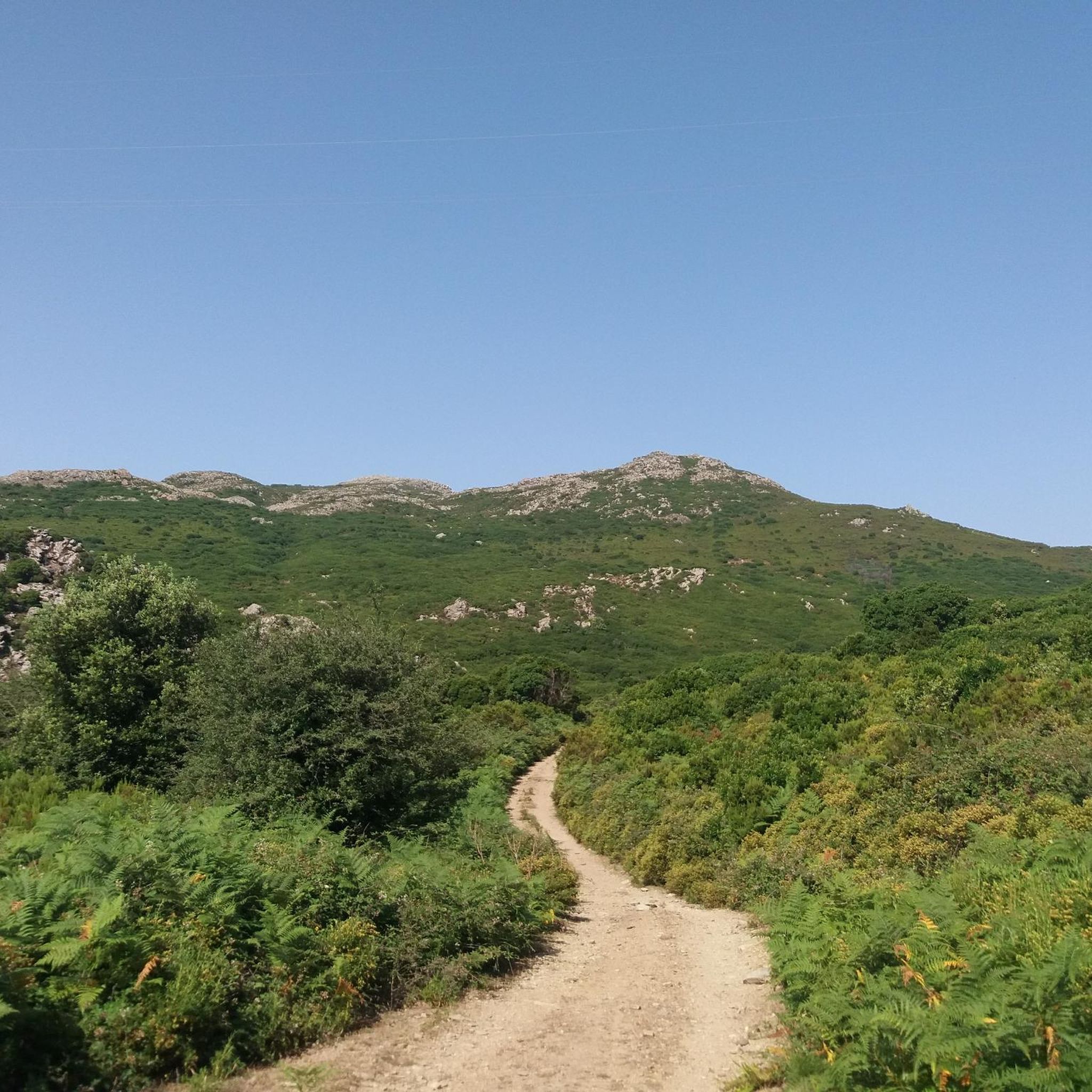
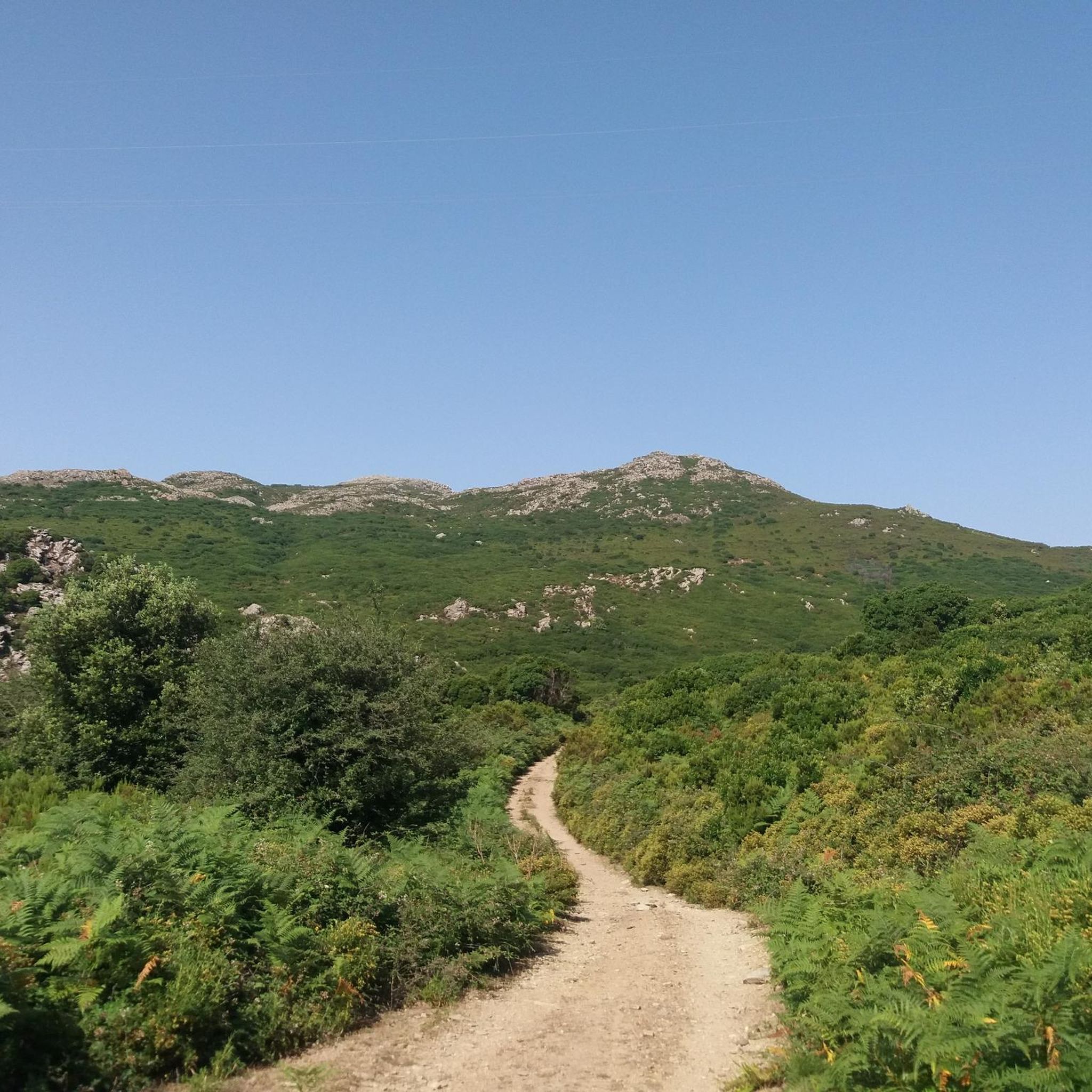
The area around San-Martino-Di-Lota is perfect for outdoor enthusiasts. You can explore numerous marked hiking trails that wind through chestnut forests and ancient olive groves, offering diverse habitats from sea to mountains. For more structured activities, consider the hiking routes, running trails, or MTB trails available in the region.
Are there any beaches near San-Martino-Di-Lota?
Yes, San-Martino-Di-Lota is close to several peaceful beaches. The pebble beaches of Pietranera and Grigione offer serene spots to enjoy the Mediterranean. Miomo Beach is also just a few minutes away by car, known for its crystal-clear waters ideal for swimming and snorkeling.
What are some family-friendly attractions in the area?
Families can enjoy the lively atmosphere around the Saint-Florent Frog Fountain in Saint-Florent's old town. The Saint John the Baptist Church, Bastia, with its richly decorated interior, can also be an interesting visit for families. Additionally, the various beaches provide great opportunities for family fun.
What is the best time to visit San-Martino-Di-Lota?
San-Martino-Di-Lota offers pleasant experiences throughout much of the year. Spring and autumn are ideal for hiking and exploring the natural landscapes, as the weather is mild. Summer is perfect for enjoying the beaches and coastal activities, though it can be busier. The region's diverse geography supports activities across different seasons.
Can I find accessible attractions for visitors with mobility needs?
Yes, Place Saint-Nicolas in Bastia is noted as wheelchair accessible. This large public square is surrounded by palm and plane trees, featuring numerous cafes and restaurants, making it a comfortable spot for all visitors.
What is the significance of the Santa Croce Brotherhood Chapel?
The 14th-century Santa Croce Brotherhood Chapel is not only a historical landmark but also a center for local traditions. It houses a notable 17th-century painting, 'The Virgin and Child with St. John the Baptist and a bishop saint.' The brotherhood is particularly known for preserving the tradition of braiding palms the week before Palm Sunday, a skill passed down through generations since the 14th century.
Are there any notable landmarks in nearby towns worth visiting?
Yes, San-Martino-Di-Lota's location makes it a great base for exploring nearby towns. Just 2 km away, Bastia offers the impressive Saint John the Baptist Church and the spacious Place Saint-Nicolas. In Saint-Florent, you can explore the Citadel of Saint-Florent, a Genoese fortress from 1440, and the lively old town around the Saint-Florent Frog Fountain. The charming village of Erbalunga is also just 6 km away.
What kind of biodiversity can I expect to see in San-Martino-Di-Lota?
San-Martino-Di-Lota's territory spans from the sea to Monte Pinatelle at 984 meters, encompassing diverse habitats. This includes nearly 3 km of coastline, green oak and chestnut forests, and mountainous areas. The region is recognized for its rich fauna and flora, with two significant 'Zones Naturelles d'Intérêt Ecologique Faunistique et Floristique' (ZNIEFF), making it an excellent spot for nature observation.
What do visitors enjoy most about the attractions around San-Martino-Di-Lota?
Visitors particularly appreciate the stunning panoramic views, such as those from the View of Nonza, which offers a remarkable perspective of the beach and village. The lively atmosphere of places like the Saint-Florent Frog Fountain and the spacious, relaxed setting of Place Saint-Nicolas in Bastia are also highly rated. The blend of historical sites and beautiful natural scenery consistently receives positive feedback.
Most popular routes around San-Martino-Di-Lota

Get inspired with the komoot mobile app


Explore more
Still not found the Highlight you’re looking for? See guides of the top attractions in other regions:
