The best mountain hikes around Spiez
4.9
(50)
320
hikers
23
hikes
Mountaineering routes around Spiez are characterized by the alpine terrain of the Bernese Oberland, featuring prominent summits and challenging ascents. The region offers diverse landscapes, from high mountain ridges to routes with views over Lake Thun. These trails often involve significant elevation gain, traversing rocky paths and open mountain slopes.
Best mountaineering routes around Spiez
- The most popular mountaineering route is Brothüsiweg Covered Bridge – Adlerhorst (1960 m) loop from Wimmis, a 4.6 miles (7.3 km) trail that takes 4 hours 1 minute to complete. This difficult route features a covered bridge and leads to the Adlerhorst summit at 1960 m.
- Another top favourite among local mountaineers is Morgenberghorn Summit – View of Lake Thun loop from Aeschiried, Suld Pochtenfall, a difficult 6.7 miles (10.7 km) path. This route offers panoramic views of Lake Thun and reaches the Morgenberghorn Summit.
- Local mountaineers also love the Burgfeldstand Summit – Gemmenalphorn loop from Niederhorn, a 9.9 miles (15.9 km) trail leading through high mountain ridges, often completed in about 7 hours 10 minutes.
- Mountaineering around Spiez is defined by high summits, panoramic lake views, and challenging alpine terrain. The network offers options for moderate to difficult ability levels, with 21 difficult mountaineering routes available.
- The routes in Spiez are highly rated by the komoot community with an average score of 4.8 stars from over 40 reviews. More than 300 mountaineers have used komoot to explore Spiez's varied terrain.
Last updated: September 26, 2026
4.7
(16)
131
hikers
7.81km
04:08
730m
730m
Hard mountaineering route. Good fitness required. Sure-footedness, sturdy shoes and alpine experience required.
5.0
(3)
15
hikers
10.9km
06:23
1,120m
1,120m
Hard mountaineering route. Very good fitness required. Sure-footedness, sturdy shoes and alpine experience required.

5.0
(2)
8
hikers
15.9km
07:11
960m
960m
Hard mountaineering route. Very good fitness required. Sure-footedness, sturdy shoes and alpine experience required.
5.0
(3)
10
hikers
Moderate mountaineering route. Good fitness required. Mostly accessible paths. Sure-footedness required.
5.0
(1)
8
hikers
9.97km
03:47
330m
330m
Moderate mountaineering route. Good fitness required. Mostly accessible paths. Sure-footedness required.
Get access to more routes and recommendations from other explorers.
Already have an account?
Our route recommendations are based on thousands of hikes, rides, and runs completed by other people on komoot.
Start today with a free account
Your next adventure awaits.
Popular around Spiez
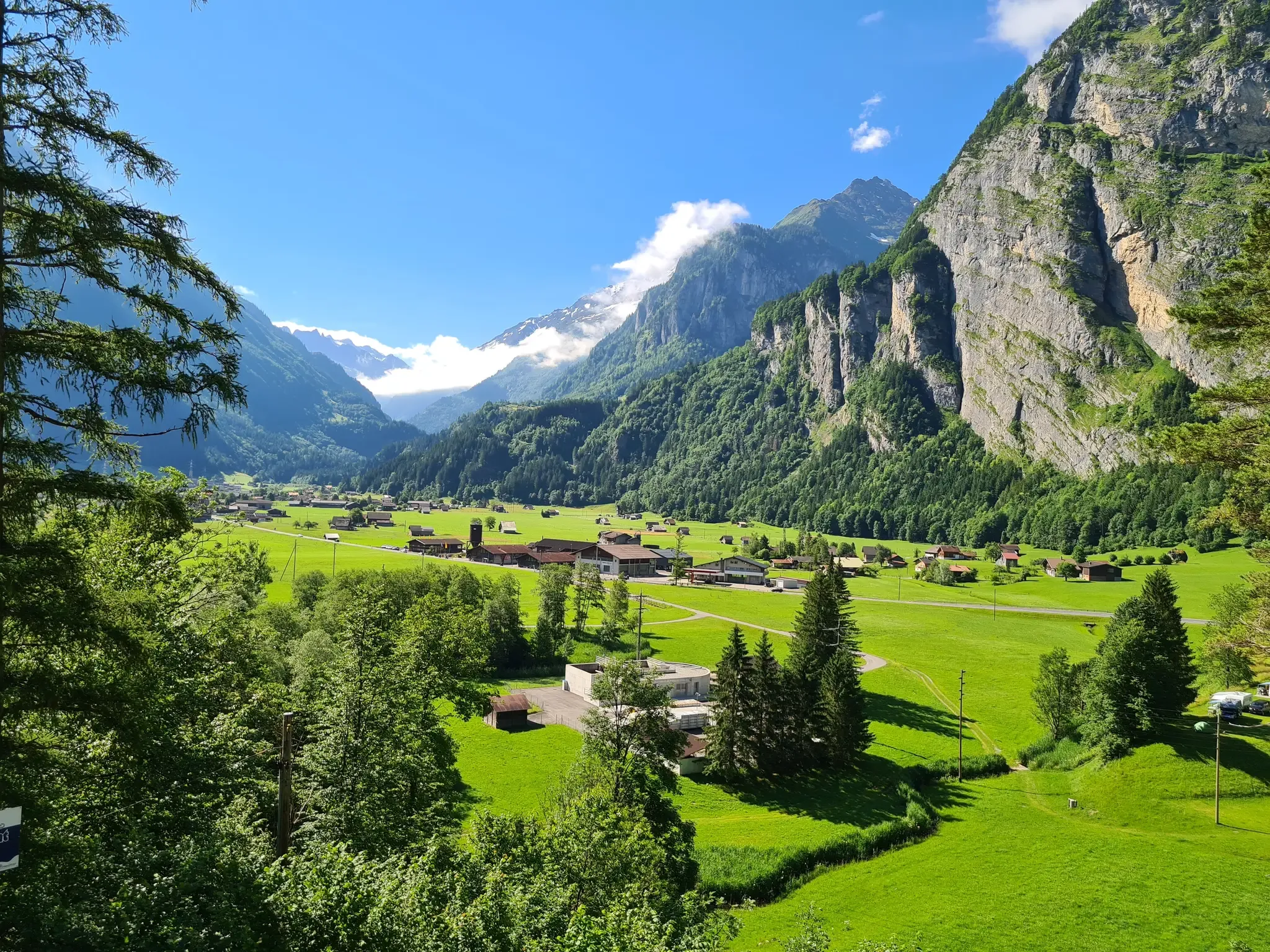
Aare Route – Everything Switzerland has to offer
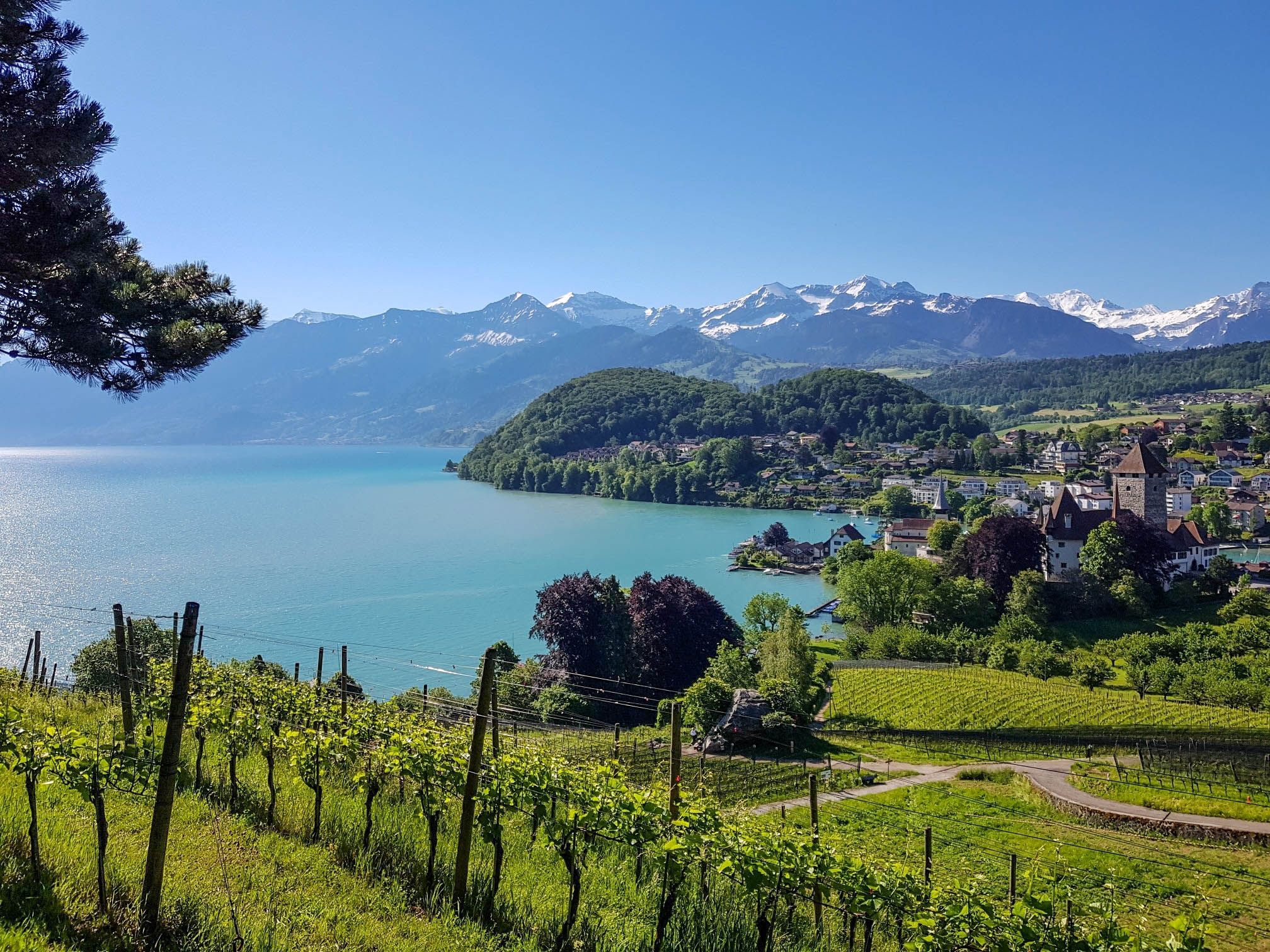
Panoramic circular trail around Switzerland's Lake Thun – Lake views at every turn
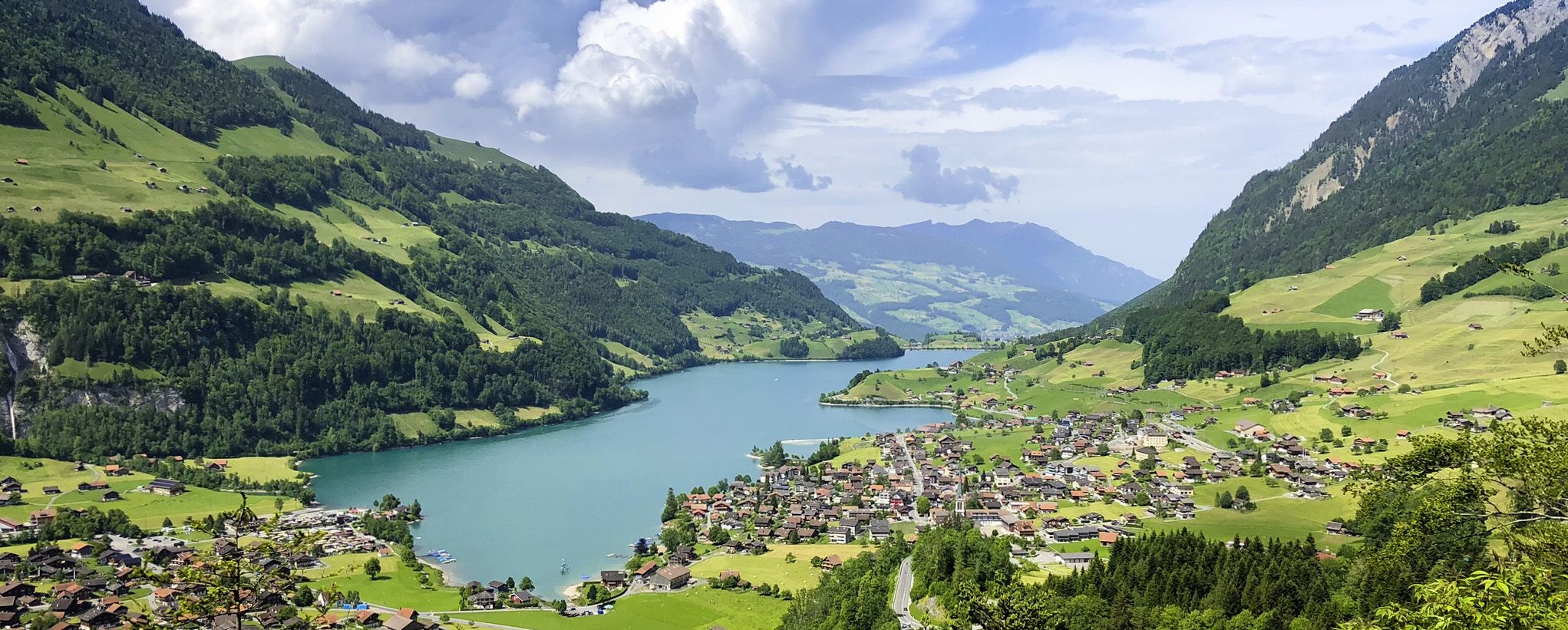
The Lakes Route – Picture-postcard views in the Swiss alpine foothills
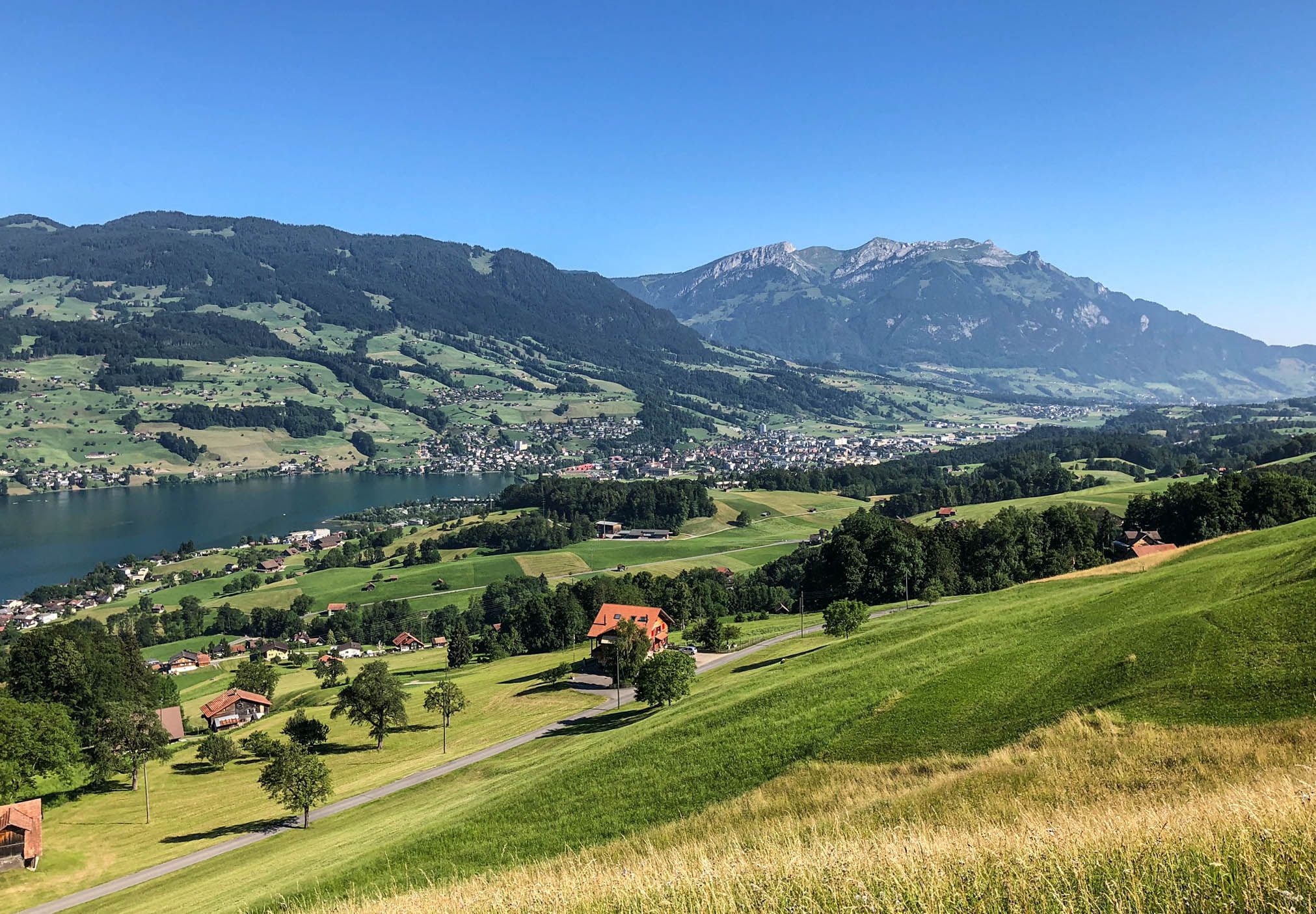
Via Jacobi – Following the Way of St James across Switzerland
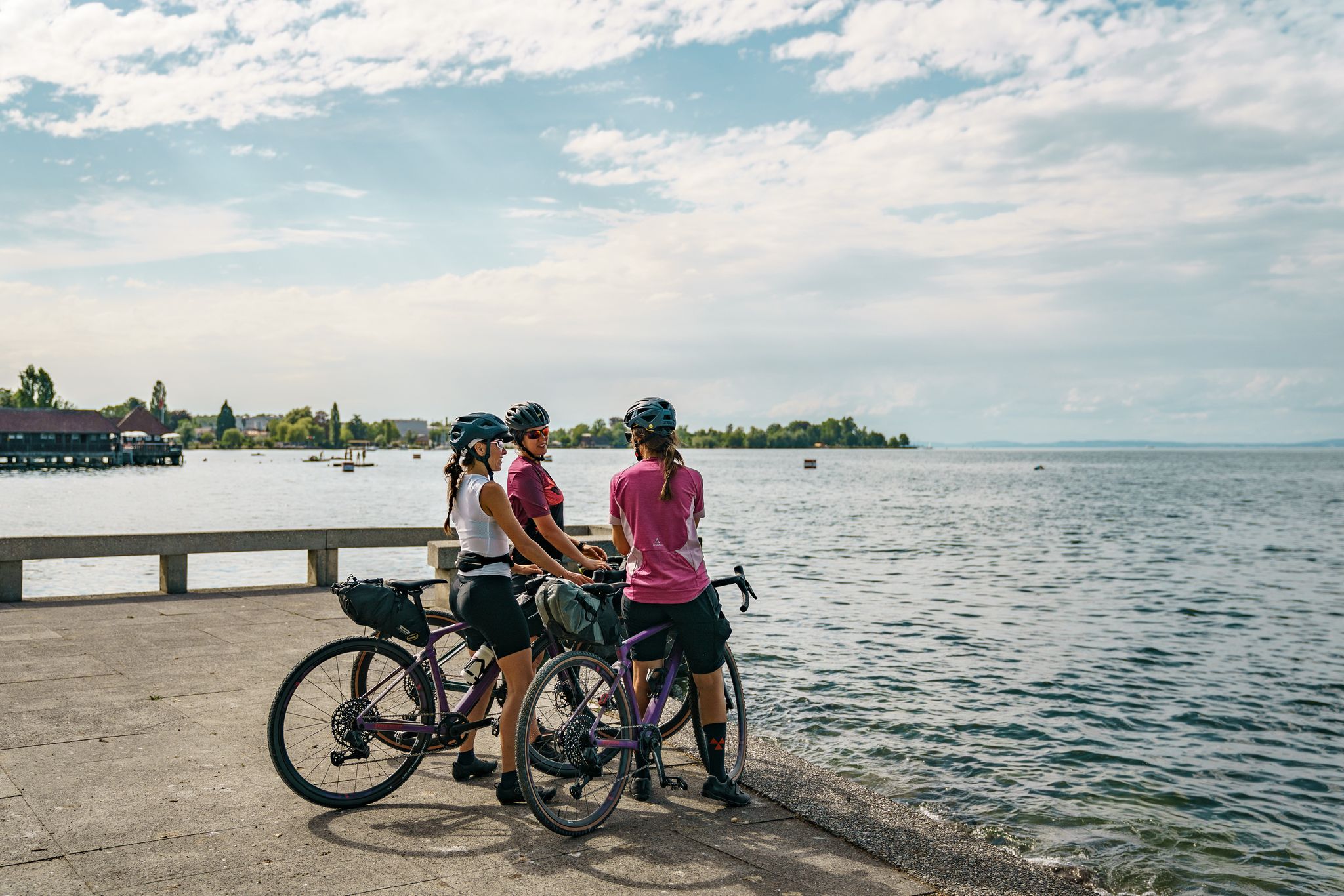
100% Women – beautiful rides by the water
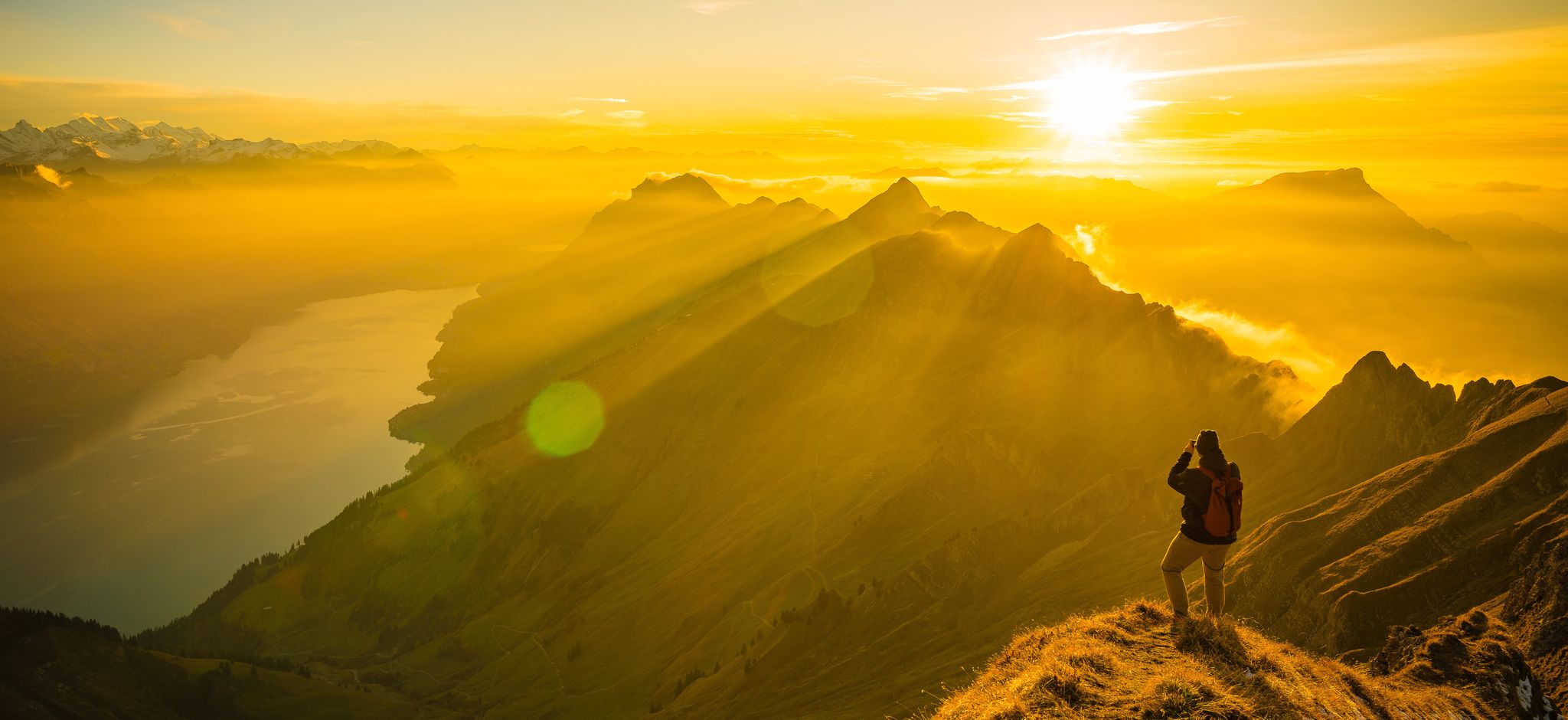
Mighty peaks and turquoise lakes – hiking in Interlaken in Switzerland
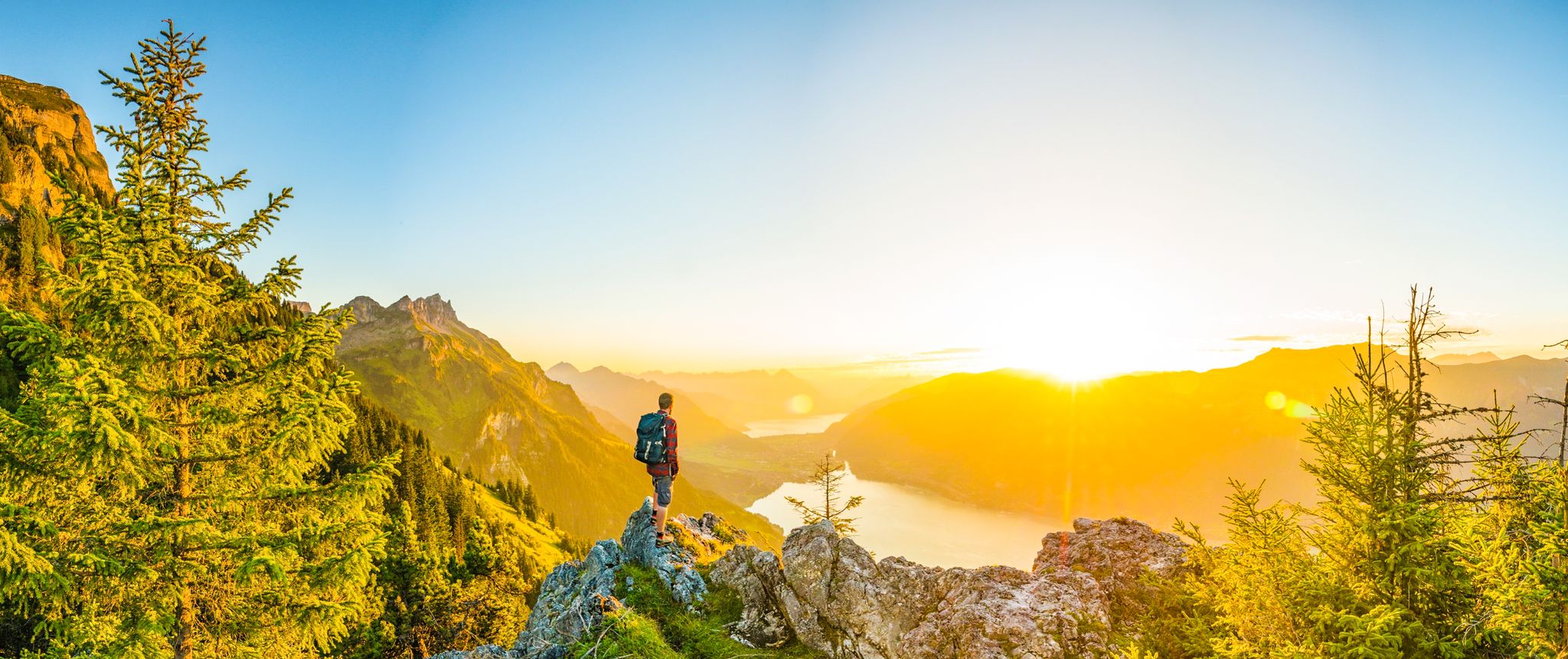
Magnificent Bernese Oberland – Hiking around Interlaken
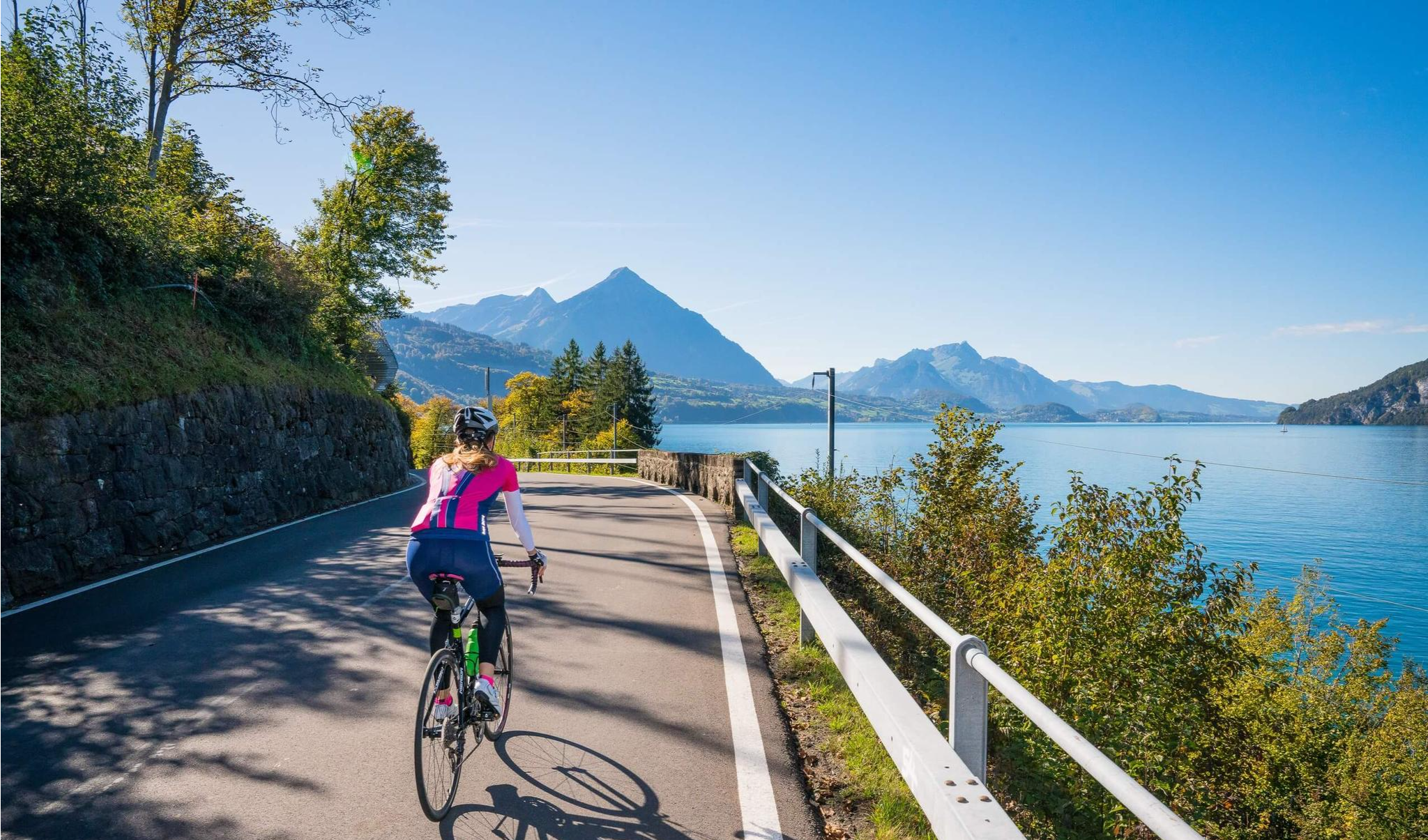
Auf zwei Rädern unterwegs im Berner Oberland
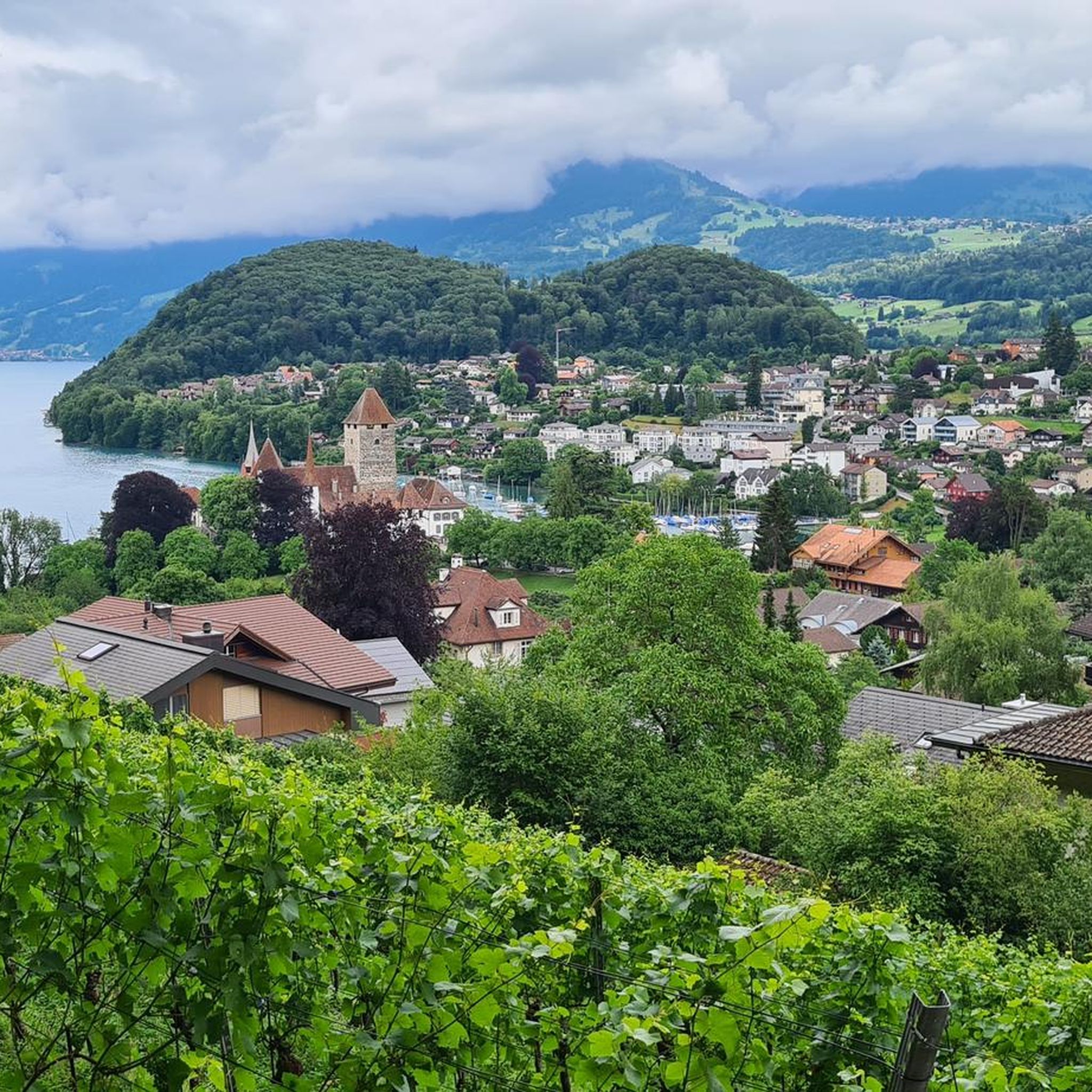
Hiking around Spiez
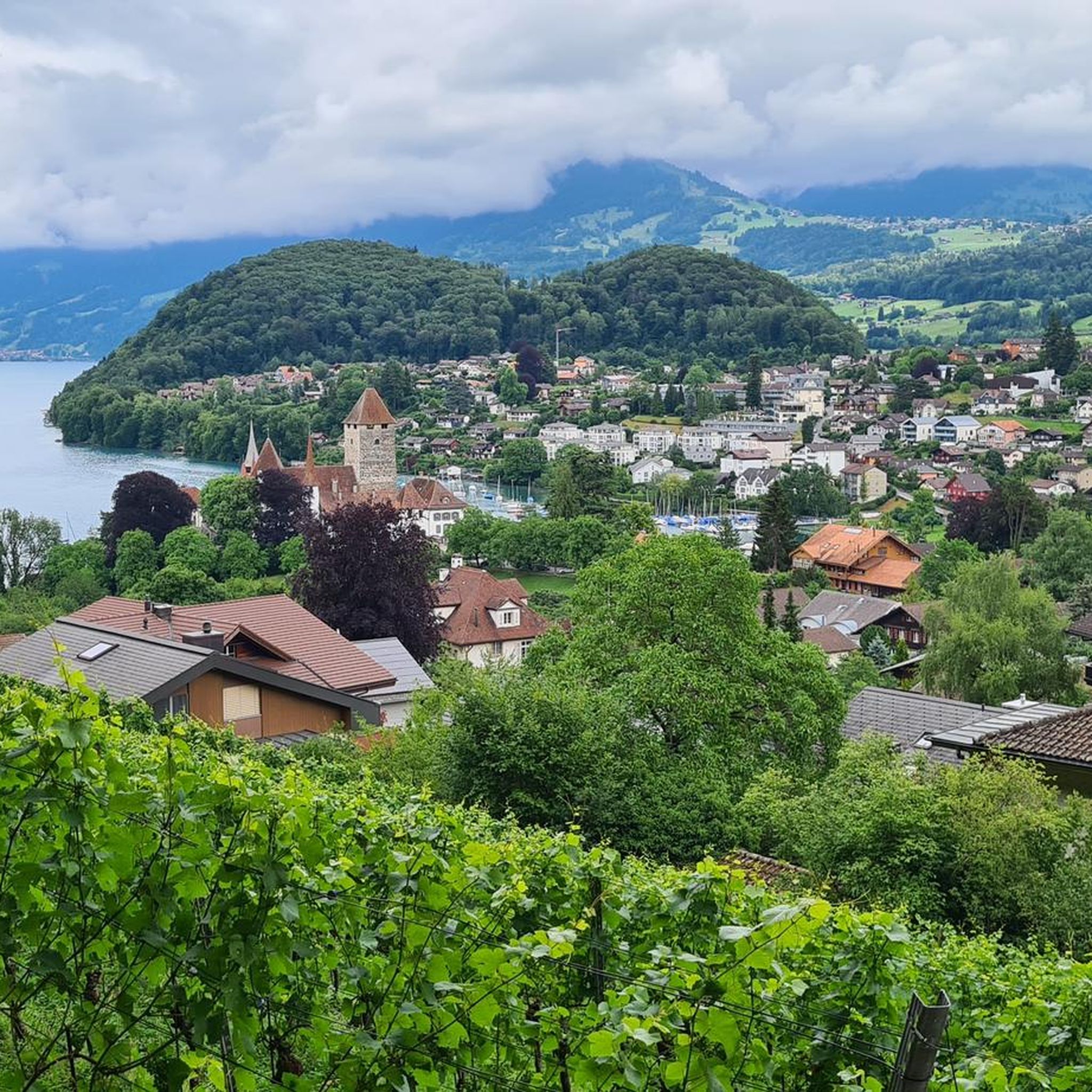
MTB Trails around Spiez
Other adventures around Spiez


Tips from the Community

Very nice staff and good cuisine
0
0

Great after-work hike, but I would recommend a helmet as rockfalls from wildlife or other hikers cannot be ruled out.
0
0

The Gemmenalphorn is a scenic summit above Lake Thun and part of the Niederhorn chain. The distinctive grassy mountain reaches an altitude of 2061 meters and offers an impressive panorama of the Eiger, Mönch, and Jungfrau, as well as the deep blue Lake Thun. The hike from the Niederhorn via the scenic ridge path is particularly popular. In summer, ibex often graze in the area, which is why the region is also highly valued by wildlife observers. Despite its height, the Gemmenalphorn is technically quite easy to reach and ideal for pleasure hikers.
2
0
The ascent from the east can be very tricky in spring, as there may still be snow in exposed places.
2
0

Great for a stay before heading to the summit
0
0

A great base for tours or as a destination, with a rustic alpine flair and fantastic views toward Niesen, Lake Thun, Gerihorn, Justiztal, Niederhorn, etc., especially from the easily accessible Morgenberghorn (2-hour ascent). Accessible from Aeschiried-Greberegg, Därligen, Leissigen, through the Suld Valley, and Saxeten. From Lake Thun, the 1,000-meter climb is a worthwhile experience. From Greberegg, there are fantastic views toward Interlaken and Lake Brienz. The alp is a must-see.
0
0
Ideal for mountain hikers who only want to hike half of the Niesen.
6
0
Frequently Asked Questions
What kind of challenge can I expect from mountaineering routes near Spiez?
Mountaineering routes around Spiez are primarily challenging, characterized by significant elevation gain and alpine terrain. The region offers 21 difficult routes, with only 4 moderate options. Expect rocky paths and open mountain slopes, often leading to prominent summits.
Are there mountaineering routes suitable for beginners around Spiez?
While most mountaineering routes around Spiez are classified as difficult, there are a few moderate options available. For example, the Mountaineering loop from Schwandegg is a moderate route, offering a good introduction to the region's terrain without the most extreme challenges. Another moderate choice is the Burgfeldstand Summit – Niederhorn Summit loop from Niederhorn.
When is the best time of year for mountaineering around Spiez?
The best time for mountaineering in the Bernese Oberland, including Spiez, is typically during the summer months from June to September. During this period, trails are generally free of snow, and weather conditions are more stable, making high-altitude ascents safer and more enjoyable. Always check local weather forecasts before heading out.
Can I find circular mountaineering routes near Spiez?
Yes, many mountaineering routes around Spiez are designed as loops, allowing you to start and end at the same point. Popular circular options include the Brothüsiweg Covered Bridge – Adlerhorst (1960 m) loop from Wimmis and the Morgenberghorn Summit – View of Lake Thun loop from Aeschiried, Suld Pochtenfall, both offering diverse scenery.
What interesting sights can I explore near the mountaineering trails in Spiez?
Beyond the stunning mountain views, the Spiez region is rich in historical and natural attractions. You can visit several castles, such as Spiez Castle and Marina or Oberhofen Castle, which are often close to the starting points of tours. The area also features impressive summits like Niederhorn Summit and Gemmenalphorn, which are destinations in themselves.
Are there any notable summits I can reach on a mountaineering tour from Spiez?
Absolutely. The Spiez region is known for its prominent summits. You can aim for the Burgfeldstand Summit, often part of longer loops, or the Morgenberghorn Summit, which offers panoramic views of Lake Thun. These ascents provide rewarding vistas of the Bernese Oberland.
What do other mountaineers say about the routes around Spiez?
The mountaineering routes in Spiez are highly regarded by the komoot community, holding an average rating of 4.8 stars from over 40 reviews. Users frequently praise the panoramic lake views, the challenging alpine terrain, and the well-maintained paths that lead to high mountain ridges.
How many mountaineering routes are available in the Spiez area?
There are approximately 25 mountaineering routes available around Spiez. The majority of these, 21 to be precise, are classified as difficult, catering to experienced mountaineers seeking a challenge in the alpine landscapes of the Bernese Oberland.
What kind of gear is recommended for mountaineering in the Spiez region?
Given the challenging alpine terrain and significant elevation gains, sturdy mountaineering boots, appropriate layers of clothing for varying weather conditions, and sufficient water and provisions are essential. Depending on the season and specific route, trekking poles, navigation tools, and sun protection are also highly recommended. Always be prepared for sudden weather changes in the mountains.
Is winter mountaineering possible in Spiez?
Winter mountaineering in the Spiez region is possible but requires significant experience, specialized equipment, and careful planning due to snow, ice, and avalanche risks. Many routes become considerably more difficult or inaccessible. It's crucial to consult local conditions, avalanche reports, and consider hiring a mountain guide for winter ascents.
Are there places to eat or rest near the mountaineering routes?
While specific cafes directly on every trail are rare in alpine settings, many popular starting points or mountain huts along longer routes offer opportunities for refreshments. The towns and villages surrounding Spiez, such as Wimmis or Aeschiried, also provide various dining options before or after your tour.
Are there any less-known or unique mountaineering routes to discover near Spiez?
Beyond the most popular trails, the region offers a variety of routes that might feel more secluded. Exploring the broader network of 25 routes can lead to hidden gems. For instance, while not as widely known as the Morgenberghorn, the Burgfeldstand Summit – Gemmenalphorn loop from Niederhorn offers a substantial journey through high mountain ridges, providing a unique perspective of the area.
Most popular attractions around Spiez

Get inspired with the komoot mobile app


Explore more
Browse the best Mountain Hikes & Routes in other regions.
