The best road cycling routes in Altmarkkreis Salzwedel
4.5
(255)
2,773
riders
121
rides
Road cycling routes in Altmarkkreis Salzwedel traverse a landscape characterized by wide fields, dense forests, and river courses in northern Saxony-Anhalt, Germany. The region offers a predominantly flat terrain, with some variations including the "Hügelkette der Altmärkischen Schweiz" (hilly range of the Altmark Switzerland). Cyclists can explore routes that feature a mix of asphalt, paved paths, and quiet rural roads. The area is known for its natural features such as the Drömling Biosphere Reserve and the Green Belt Germany.
Best…
Last updated: October 14, 2026
4.8
(5)
37
riders
57.2km
02:24
180m
180m
Moderate road ride. Good fitness required. Some segments of this route may be unpaved and difficult to ride.
27
riders
53.5km
02:07
150m
150m
Moderate road ride. Good fitness required. Mostly well-paved surfaces and easy to ride.

23
riders
39.1km
01:36
110m
110m
Moderate road ride. Great for any fitness level. Some segments of this route may be unpaved and difficult to ride.
24
riders
42.9km
01:45
120m
120m
Moderate road ride. Great for any fitness level. Some segments of this route may be unpaved and difficult to ride.
5.0
(1)
26
riders
49.2km
01:58
160m
160m
Easy road ride. Great for any fitness level. Mostly well-paved surfaces and easy to ride.
4.0
(1)
25
riders
32.3km
01:20
120m
120m
Easy road ride. Great for any fitness level. Mostly well-paved surfaces and easy to ride.
18
riders
64.3km
02:41
280m
280m
Moderate road ride. Good fitness required. Some segments of this route may be unpaved and difficult to ride.
15
riders
79.5km
03:13
310m
310m
Moderate road ride. Good fitness required. Mostly well-paved surfaces and easy to ride.
4.5
(2)
22
riders
29.8km
01:18
80m
80m
Easy road ride. Great for any fitness level. Mostly well-paved surfaces and easy to ride.
18
riders
36.5km
01:31
100m
100m
Easy road ride. Great for any fitness level. Mostly well-paved surfaces and easy to ride.
Get access to more routes and recommendations from other explorers.
Already have an account?
Our route recommendations are based on thousands of hikes, rides, and runs completed by other people on komoot.
Start today with a free account
Your next adventure awaits.
Popular around Altmarkkreis Salzwedel
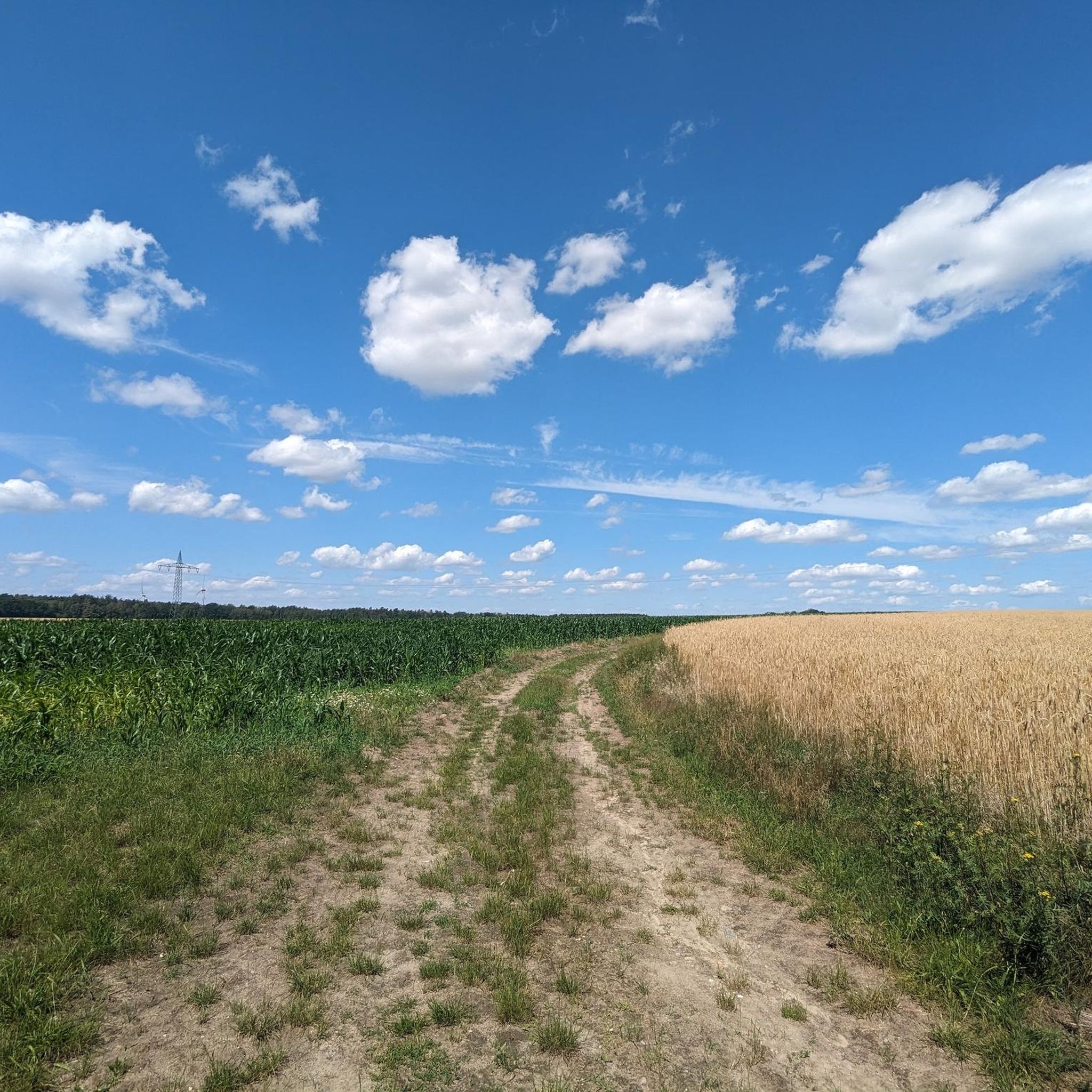
Road Cycling Routes around Gardelegen
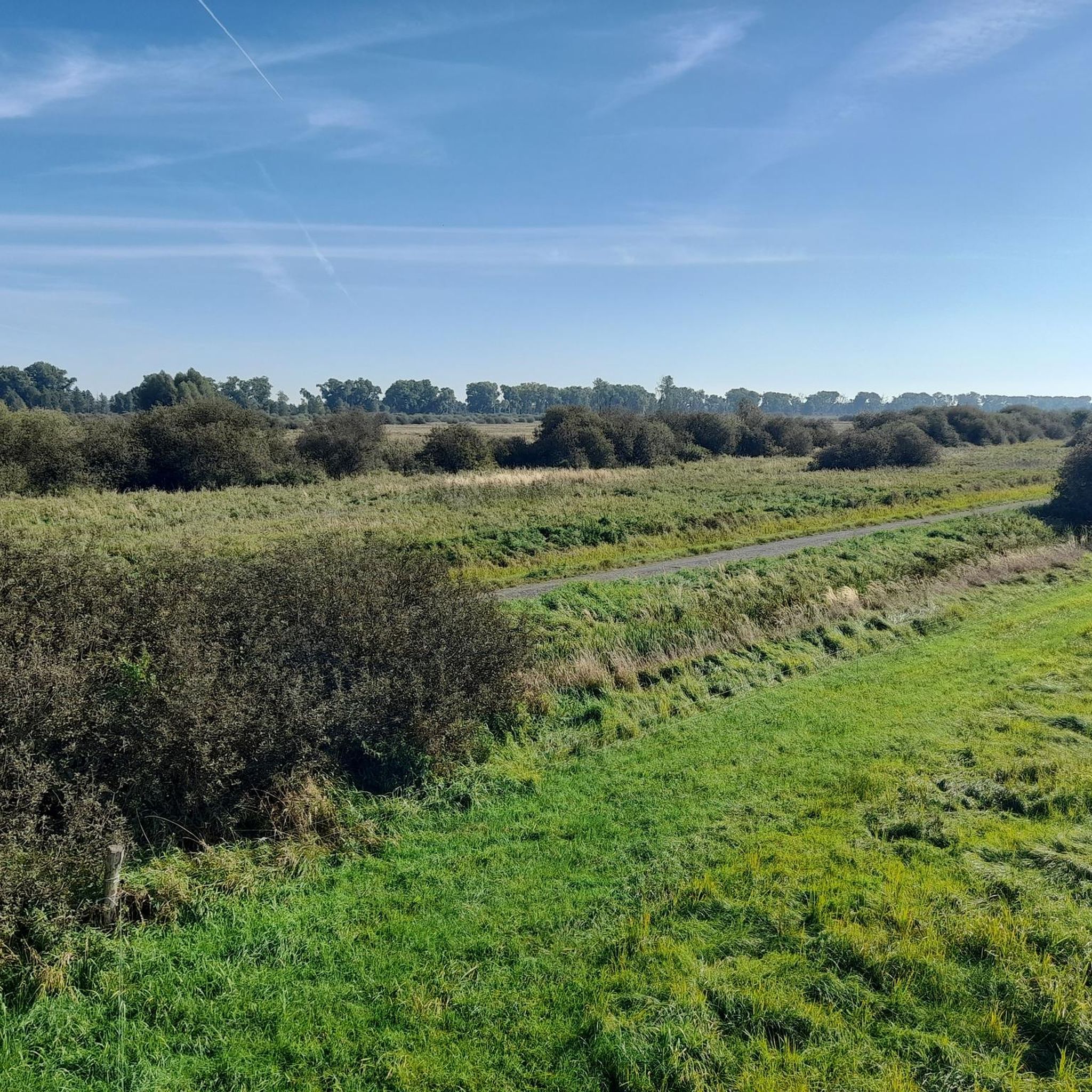
Road Cycling Routes in Ohre-Drömling
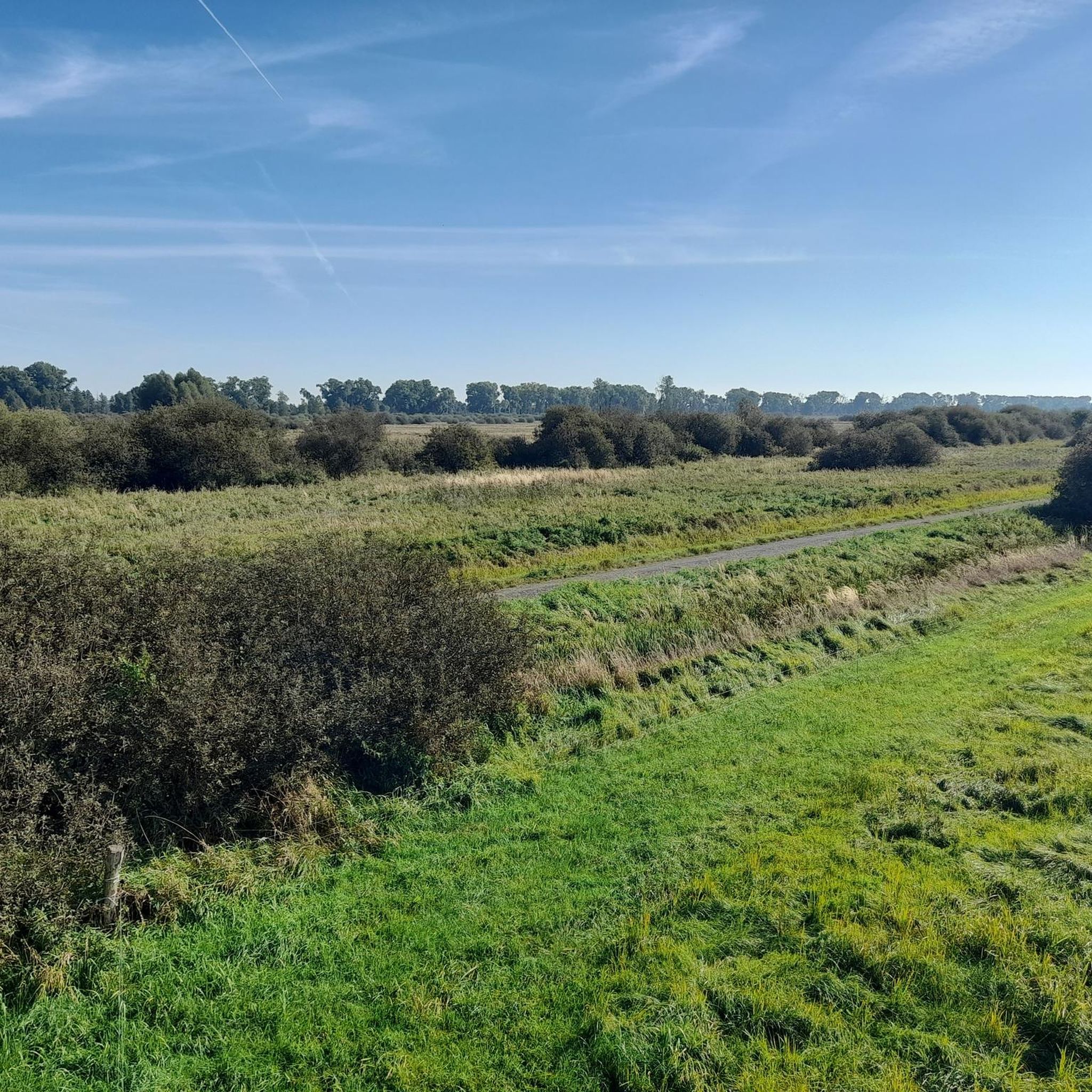
Road Cycling Routes in Böckwitz-Jahrstedter Drömling
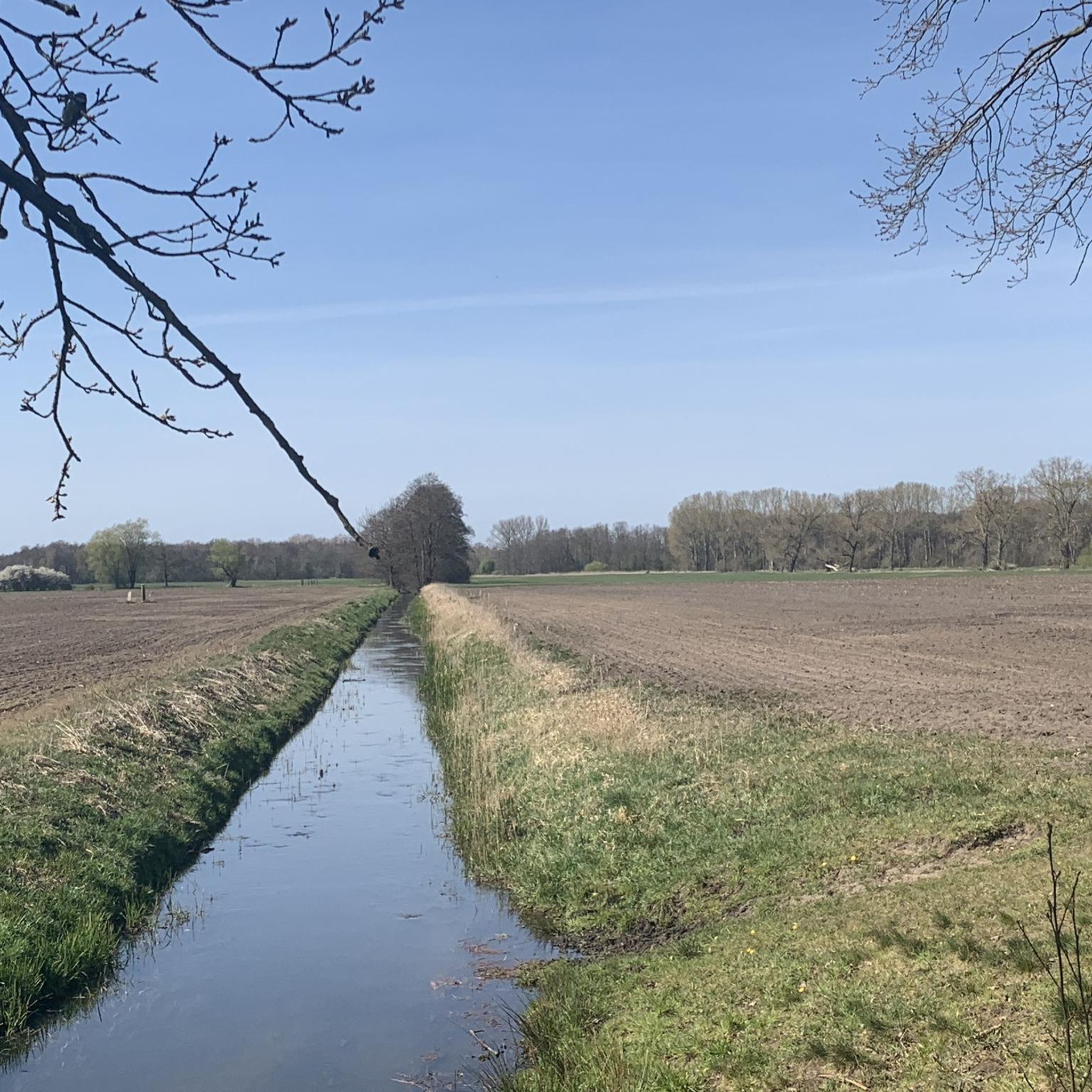
Road Cycling Routes around Apenburg-Winterfeld
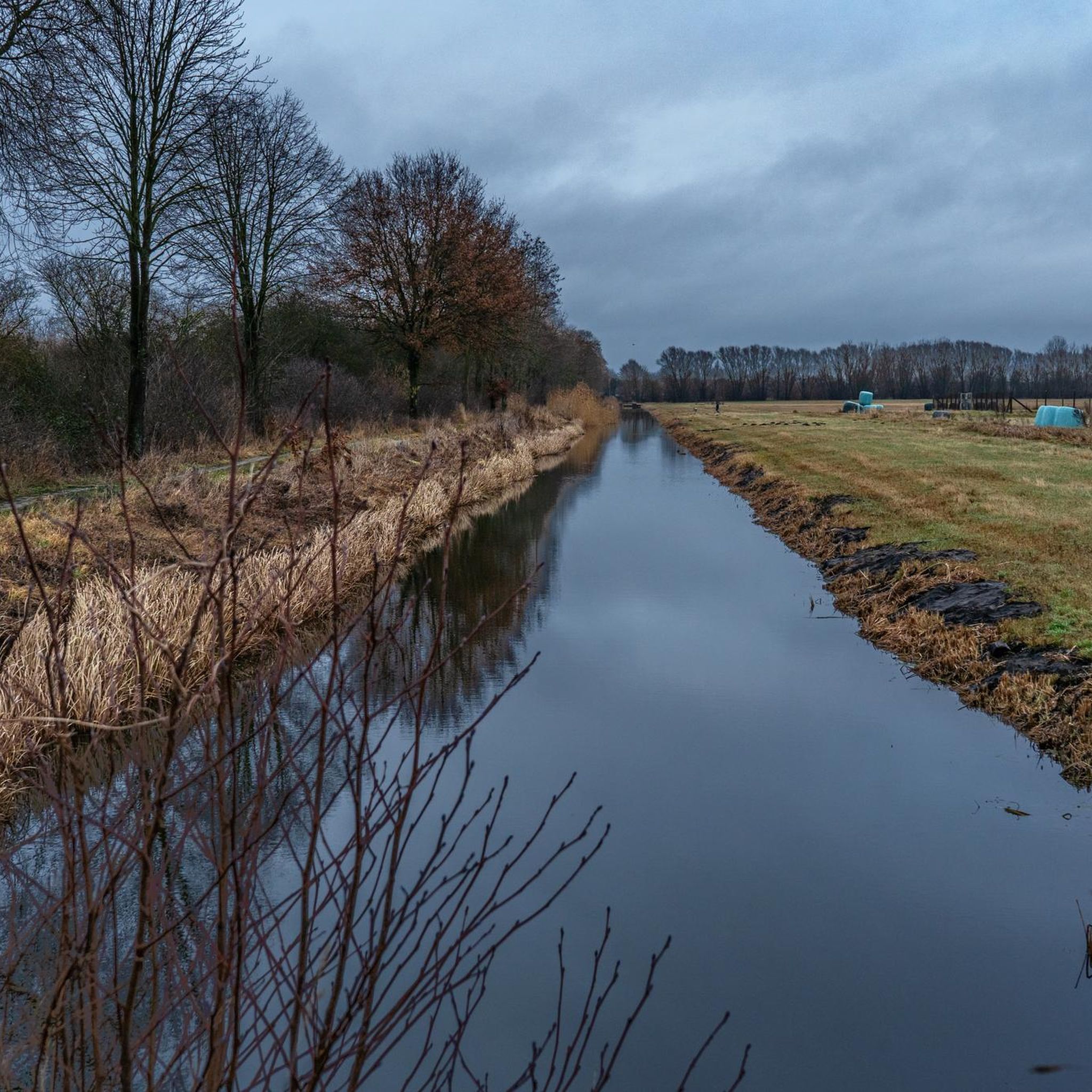
Road Cycling Routes in Salzwedeler Forst
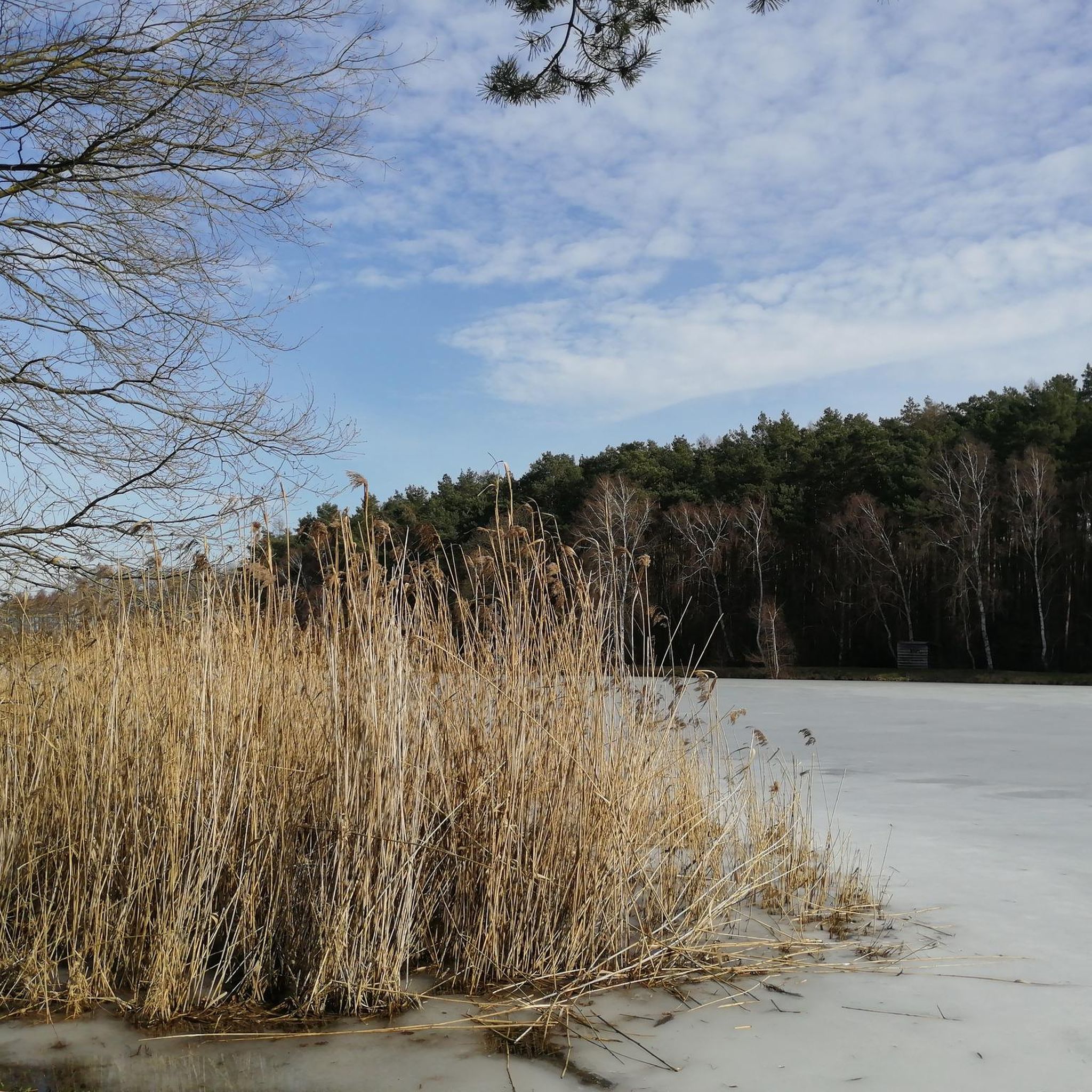
Road Cycling Routes around Jübar
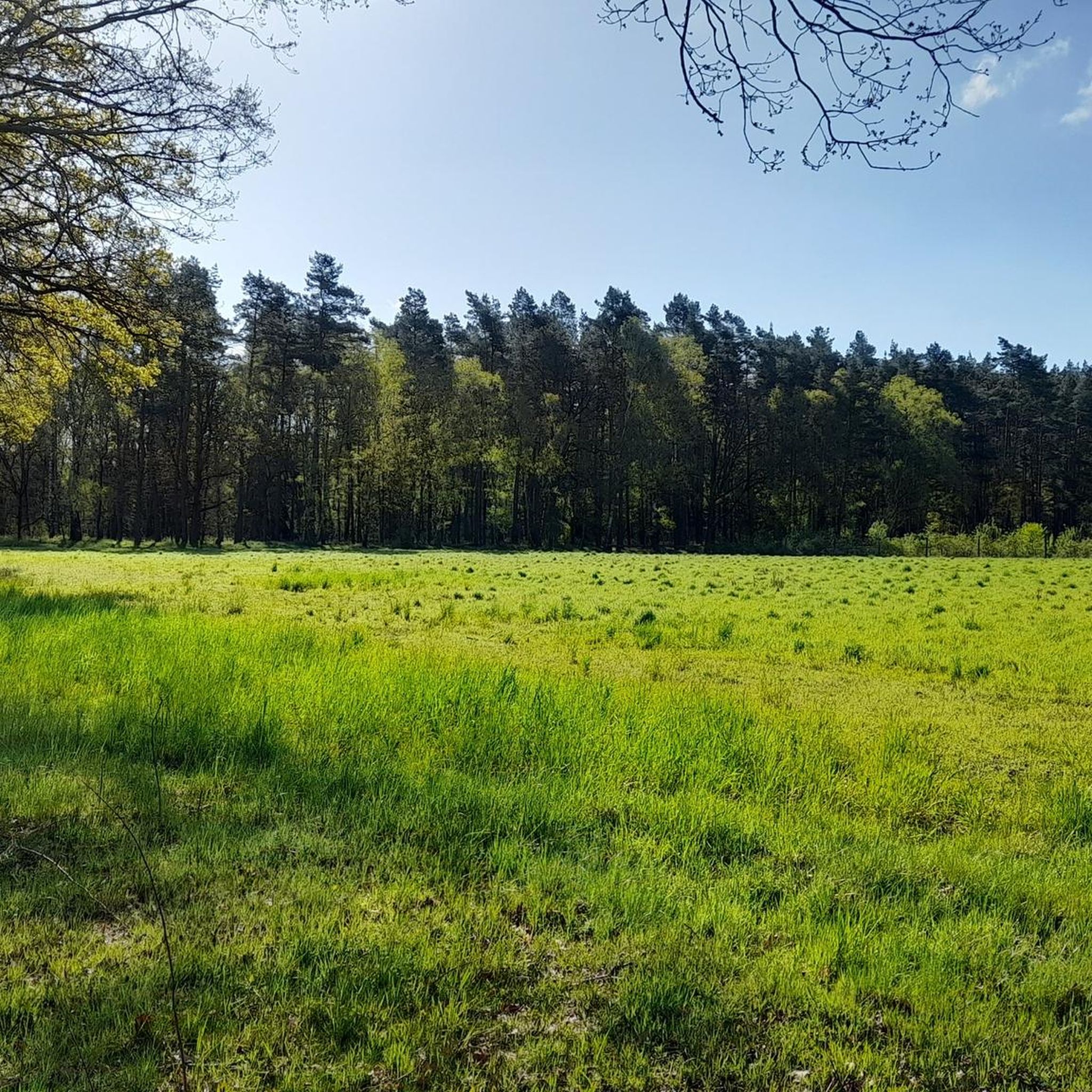
Road Cycling Routes around Kuhfelde
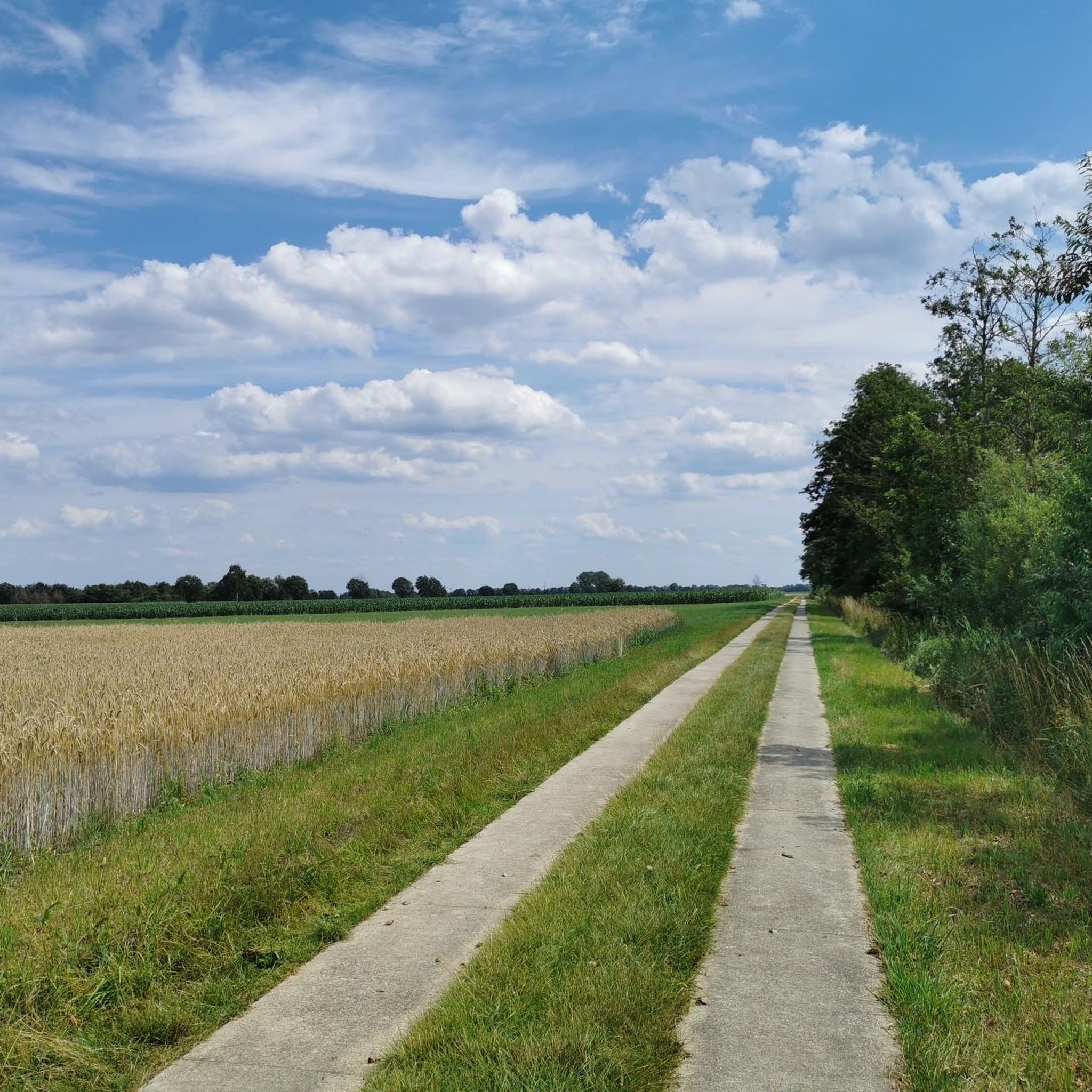
Road Cycling Routes in Bürgerholz
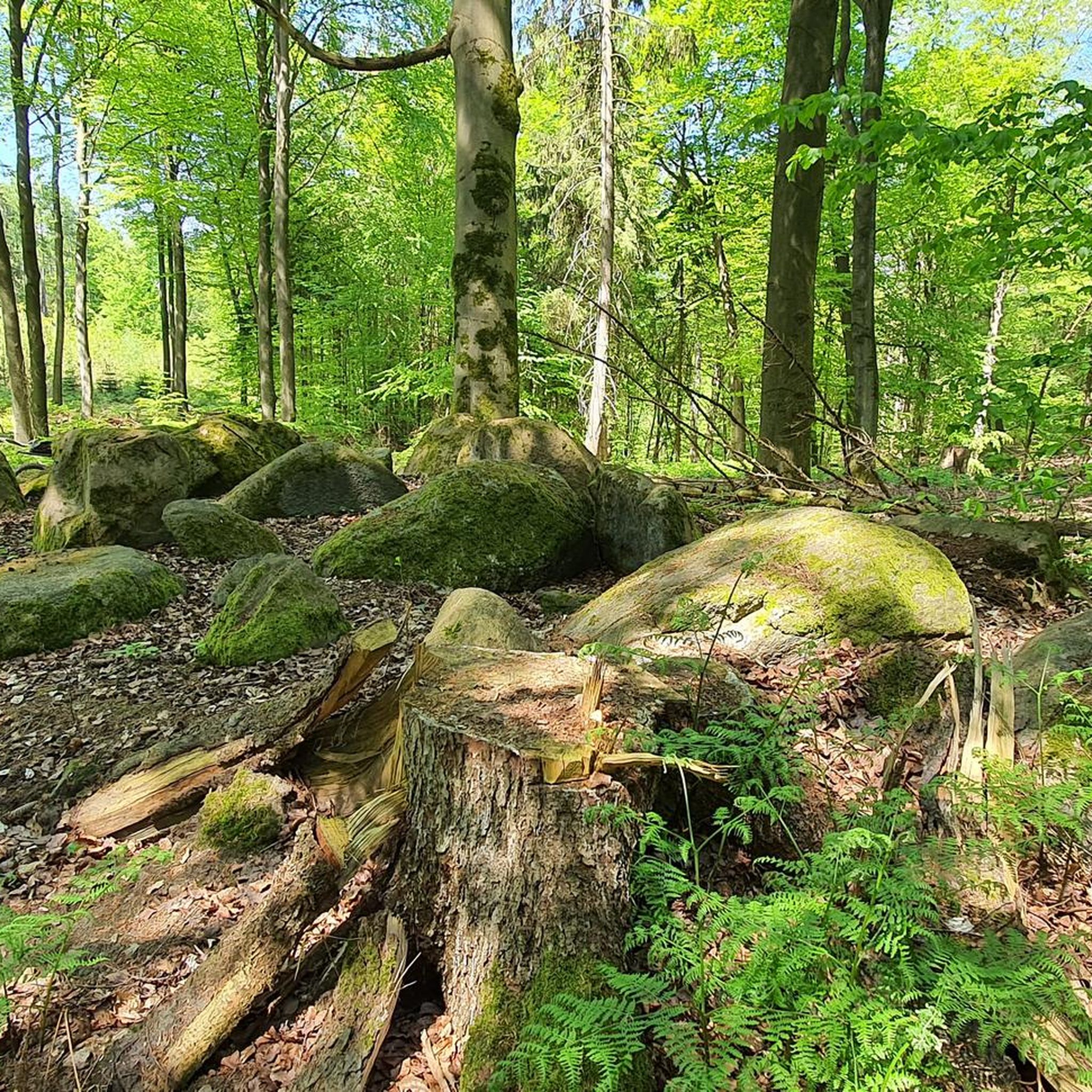
Road Cycling Routes around Beetzendorf
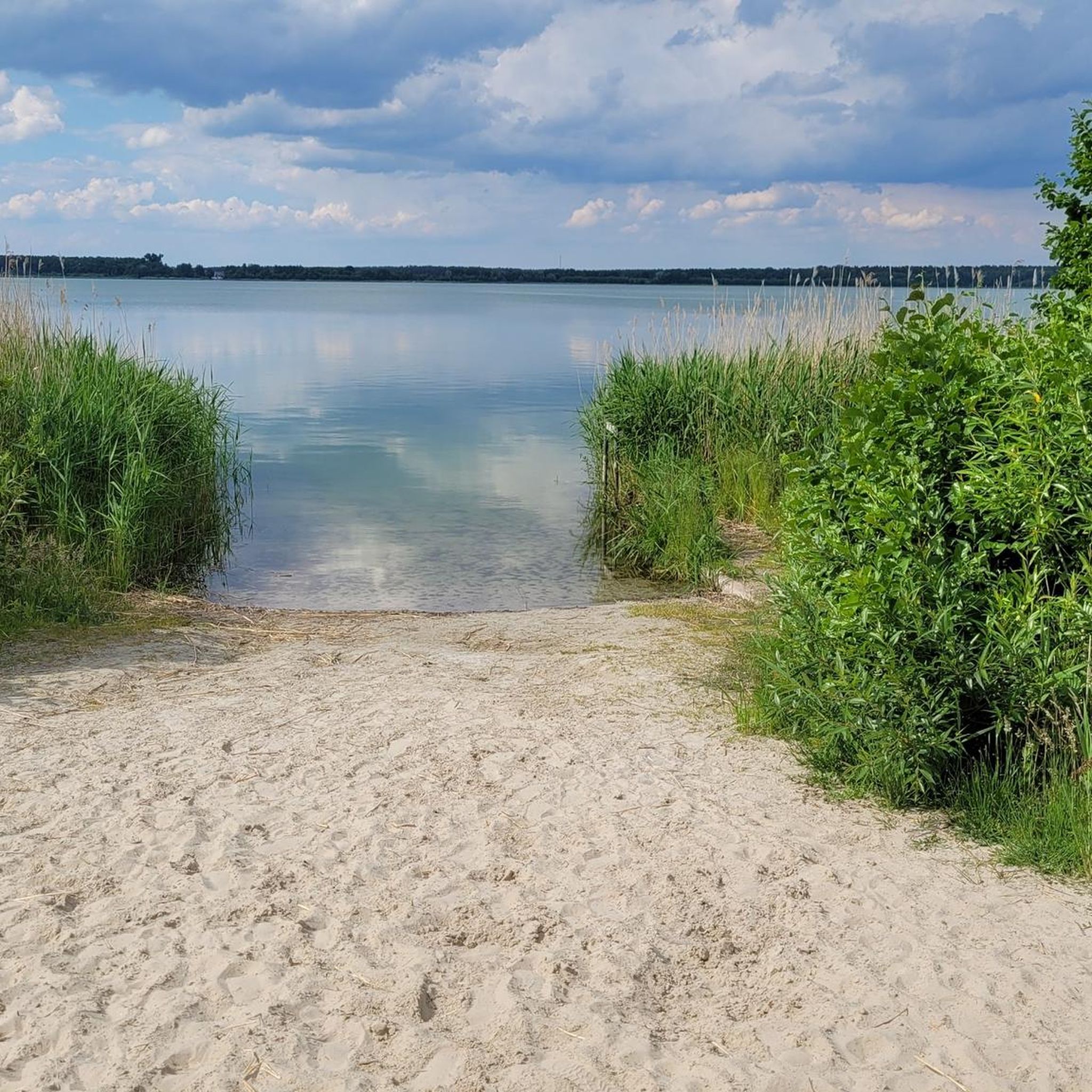
Road Cycling Routes around Arendsee (Altmark)
Other adventures in Altmarkkreis Salzwedel


Tips from the Community

Salzwedel station is an important regional transport hub in the north of Saxony-Anhalt. It connects the historic Hanseatic city in the Altmark region with supra-regional centers and looks back on a rich history as part of the historic "Amerikalinie" (America Line). The station has four platforms and primarily serves regional and commuter traffic: RE20 (Magdeburg – Stendal – Uelzen): The most important lifeline of the station, which crosses the Altmark at regular intervals. Long-distance traffic (IC): Salzwedel is also connected to the Deutsche Bahn's Intercity network, providing direct connections towards Uelzen/Hamburg and Magdeburg. During line closures or major construction sites on the main Hamburg–Berlin axis, the route via Salzwedel is regularly used as an important diversion route for heavy long-distance and freight traffic. The striking station building was erected in 1870 by the Magdeburg-Halberstädter Eisenbahngesellschaft. The magnificent brick building in the imperial style testifies to the heyday of railway construction, when Salzwedel became a key station on the direct connection between Berlin and the North German ports (hence the name Amerikalinie). Directly opposite was once the Salzwedel Kleinbahnhof (later Salzwedel-Neustadt), from which the regional narrow-gauge railways started to the surrounding villages of the Altmark. After years of vacancy, the main building, which is a listed monument, is the focus of revitalization and renovation projects.
3
0
The original Lüchower Tor was a typical Gothic stepped gable building and was demolished in 1837/38 due to dilapidation. In its place, a new gate structure was built in 1840 with four sandstone pillars and double leaf gates made of oak wood. Until the completion of the structure, smugglers had free rein for years. This was a nuisance for the main customs office. It reported in 1838 that no adequate security was guaranteed against the nocturnal smuggling of taxable goods. The outer pillars with castle battlement-like crowns and the small passage gate fitted with masonry stones are remnants of the 1840 structure. The two inner pillars along with the gates were removed in 1892 to make way for increasing traffic. The Schäfergraben once flowed along behind the gate. https://entdecke-salzwedel.de/luechower-tor/
2
0
The Karlsturm is a mighty, round brick tower on a fieldstone base, built around 1370. It is the remnant of the former Altpervertoranlage and represented the strongest fortification of the city at that time. It was originally 150 meters long and consisted of an inner gate, a zwinger, and two outer gates on the Jeetze river diversion (city moat). The outer gate was demolished in 1812, the main gate fell victim to growing traffic in 1856, and the drawbridge had already been removed in 1653. The tower is about 27 meters high, has a wall thickness of approx. 1.90 meters, and a diameter of 8.80 meters. Originally, it consisted of four floors, divided by three cross vaults. Today, only the lower floor has been preserved. Its pointed roof collapsed around 1800 and was later restored. The Karlsturm is decorated with a pointed arch frieze and displays the coats of arms of the German Emperor, the seven Electorates, and the two cities of Salzwedel. In the central niche stands a stone sculpture, originally interpreted as Emperor Henry V, but later identified as Emperor Charles IV. The tower's name was therefore changed from Heinrichsturm to Karlsturm in 1833. Over time, the tower served as a warehouse for goods and ice, which brought about some structural changes. There were proposals to convert the tower into a water tower or a tower café, which, however, were not implemented. https://entdecke-salzwedel.de/karlsturm/
2
0

would probably have been destroyed in the Second World War
0
0

Very good ice cream parlor with delicious ice cream.
0
0

The inner city of Salzwedel, the historic Hanseatic city in the north of Saxony-Anhalt, is a real gem of North German Brick Gothic. As you stroll through the alleys, you will immediately feel the medieval flair.
0
0


The moated castle was built in the 10th century as a Saxon border fortress against the Wends, presumably on the site of a Slavic hillfort in the Milde marshland. A nunnery founded under its protection, which the Obotrites destroyed in 983, existed here until 1121. The castle belonged to the four Altmark burgwarden (fortified districts), which administered the sovereign's judicial and military districts, along with Tangermünde Castle, Osterburg Castle, and Arneburg Castle. These protected the Frankish-colonized territory and the missionary monasteries between the Elbe and Milde rivers. Source: Wikipedia
3
1
Frequently Asked Questions
What is the general terrain like for road cycling in Altmarkkreis Salzwedel?
The region is predominantly flat, characterized by wide fields, dense forests, and picturesque river courses. While generally level, there are some variations, including the "Hügelkette der Altmärkischen Schweiz" (hilly range of the Altmark Switzerland), offering a diverse backdrop for your rides.
How many road cycling routes are available in Altmarkkreis Salzwedel?
There are over 120 road cycling routes available in Altmarkkreis Salzwedel, catering to various skill levels. This includes 28 easy routes, 100 moderate routes, and 1 difficult route, ensuring options for every cyclist.
What do other cyclists say about the routes in Altmarkkreis Salzwedel?
The routes in Altmarkkreis Salzwedel are highly rated by the komoot community, with an average score of 4.6 stars from more than 70 reviews. Cyclists often praise the tranquil rural landscapes, the mix of asphalt and quiet rural roads, and the diverse natural features encountered along the way.
What natural features can I explore while road cycling in the region?
You can explore significant natural features such as the Access to the Green Belt (Grünes Band), a unique ecological corridor along the former inner-German border. The region also encompasses parts of the Drömling Biosphere Reserve and features the large natural Arendsee (Lake Arendsee), perfect for scenic loops.
Are there historical sites or towns to visit along the road cycling routes?
Yes, Altmarkkreis Salzwedel offers several historical and cultural sites. You can cycle through historic towns like Salzwedel, known for its half-timbered houses, or Gardelegen with its green ramparts. Notable attractions include the Burg Kalbe Ruins and the Commemorative Stone for the Inner German Border at Kaiserwinkel–Jahrstedt, which offers a poignant historical experience.
Are there any easy or family-friendly road cycling routes in Altmarkkreis Salzwedel?
Yes, there are 28 easy routes suitable for beginners or families. An example is the Schramper Eck – Village Church Groß Chüden loop from Schrampe, which is 42.6 km long and features minimal elevation gain, making it a comfortable ride through the Altmark countryside.
What is the best time of year for road cycling in Altmarkkreis Salzwedel?
The best time for road cycling in Altmarkkreis Salzwedel is generally from spring to autumn. During these seasons, the weather is most favorable, with pleasant temperatures and less precipitation, allowing you to fully enjoy the region's diverse landscapes and natural beauty.
Are there circular road cycling routes available?
Many routes in Altmarkkreis Salzwedel are designed as loops, offering convenient starting and ending points. For instance, the Wiepke Village Church – Burg Kalbe Ruins loop from Winkelstedt is a moderate 57.7 km circular route, and the Salzwedeler Tormühle – Salzwedeler Gate Gardelegen loop from Gardelegen offers a longer 64.4 km option.
Can I find bike-friendly accommodation or cafes along the routes?
While specific listings are not provided here, the Altmark region is known for its hospitality. Many towns and villages along popular routes, such as the Altmarkrundkurs, offer bike-friendly cafes, pubs, and accommodation options. It is advisable to check in advance for facilities that cater to cyclists, including bike storage.
Is public transport available for cyclists in Altmarkkreis Salzwedel?
Public transport options, including regional trains and buses, often allow for bicycle carriage, though specific rules and peak hour restrictions may apply. It's recommended to check with local transport providers for their current policies regarding bike transport to plan your journey effectively.
Where can I park my car when starting a road cycling route?
Parking is generally available in the towns and villages that serve as starting points for many routes. For example, Gardelegen is a common starting point for several loops, including the Salzwedeler Gate Gardelegen – Salzwedeler Tormühle loop from Gardelegen. Look for designated parking areas in town centers or near train stations.
Are there any specific regulations for cycling with dogs in Altmarkkreis Salzwedel?
While many natural areas are dog-friendly, specific regulations may apply in nature reserves or protected areas within Altmarkkreis Salzwedel. It's generally recommended to keep dogs on a leash, especially near wildlife, and to ensure they are well-behaved and do not disturb other cyclists or pedestrians. Always check local signage for any specific rules.
Most popular routes in Altmarkkreis Salzwedel
Most popular attractions in Altmarkkreis Salzwedel

Get inspired with the komoot mobile app


Didn’t find what you were looking for?
Check out more Road cycling routes throughout Altmarkkreis Salzwedel below and find the perfect route in your destination.
Explore more
Browse the best Road cycling routes in other regions.
